
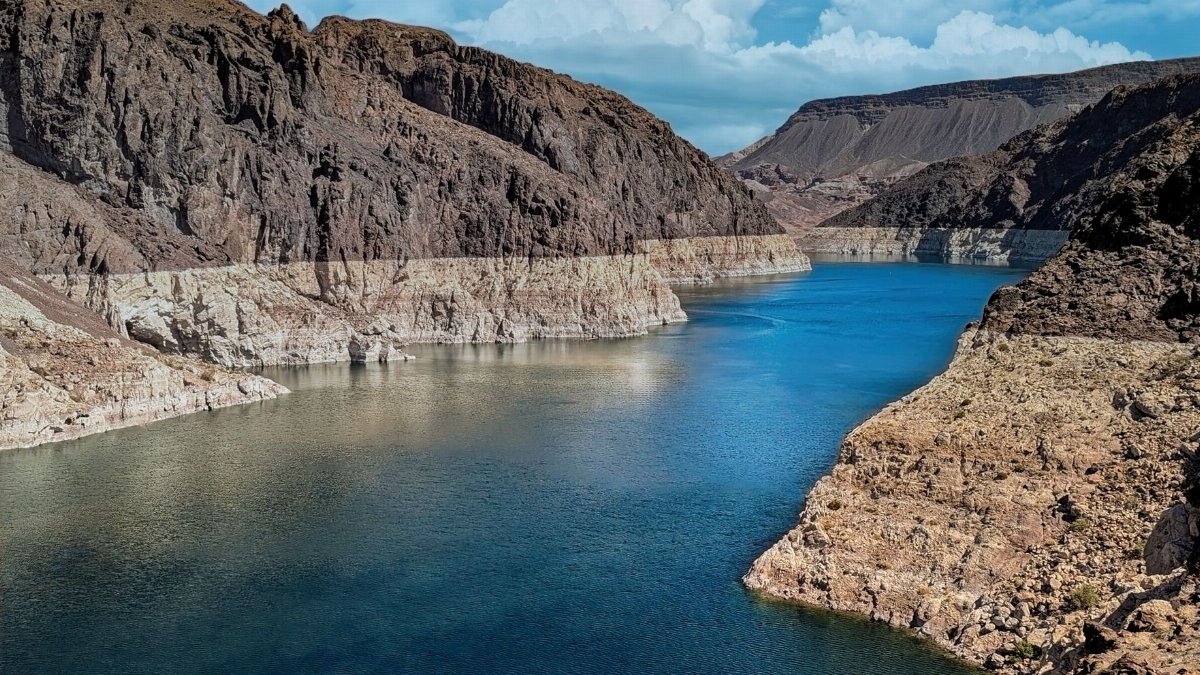
In the arid expanses of the American Southwest, where communities have long depended on a single mighty waterway for survival, recent federal decisions have introduced a measure of relief amid ongoing drought pressures. Officials unveiled a measured approach to resource allocation that avoids the sharpest restrictions many had feared. This development centers on the Colorado River plan, which stretches across a decade and emphasizes adaptability over rigid enforcement.
Background on Decades of Water Management Challenges

The Colorado River has supported agriculture, cities and ecosystems across seven states for generations. Past agreements often led to conflicts when supplies dwindled. Recent years brought heightened scrutiny as reservoirs reached historic lows, prompting calls for revised strategies that balance urban growth with rural needs.
Details of the New Federal Approach

The current framework delays extreme reductions in deliveries to California, Arizona and Nevada. Instead of immediate large scale cuts, it introduces gradual adjustments based on reservoir levels and climate data. This setup allows states more time to implement conservation measures without sudden economic shocks.
Reactions from State Leaders and Local Officials

Governors in affected regions expressed cautious optimism. Some praised the flexibility that prevents immediate hardship for farmers and residents. Others noted the need for continued investment in efficiency projects to prepare for potential future shortfalls. Bipartisan support emerged in several capitals for the collaborative tone of the discussions.
Economic Implications for Agriculture and Urban Areas
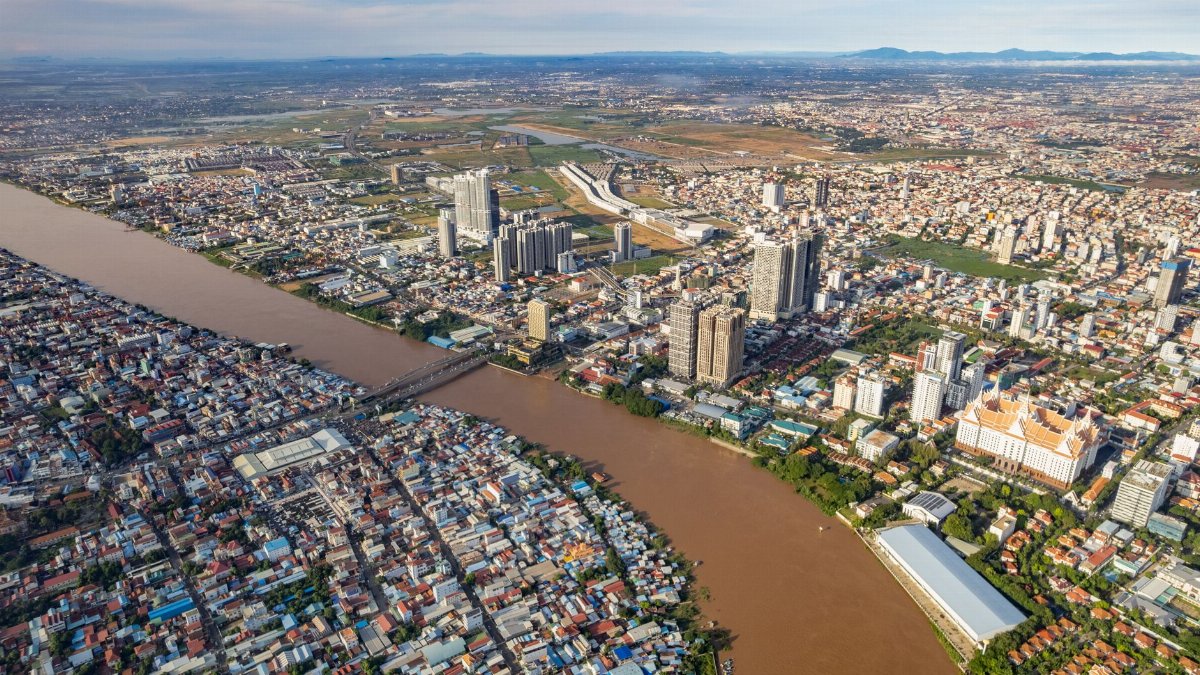
Farms in the Imperial Valley and cities like Phoenix and Las Vegas stand to benefit from the phased timeline. Reduced risk of abrupt cutbacks supports crop planning and business stability. At the same time, incentives for drip irrigation and wastewater recycling gain renewed attention as practical steps forward.
Environmental Considerations and Habitat Protection

River ecosystems, including those in the Grand Canyon and delta regions, remain a priority under the revised guidelines. Provisions encourage habitat restoration alongside human use. Wildlife advocates see opportunities to monitor fish populations and wetland health more closely during the coming years.
Political Context and Administration Priorities

The timing reflects a focus on regional stability ahead of broader national debates. By softening the impact of shortages, the policy aims to foster cooperation rather than division among states. This stance aligns with efforts to address infrastructure resilience in the face of variable weather patterns.
Comparisons to Previous River Agreements
Earlier pacts from the early twentieth century established basic allocations that proved insufficient for modern demands. The latest version builds on those foundations while incorporating updated science on snowpack and evaporation rates. It marks a shift toward dynamic responses instead of fixed quotas.
Community Voices and Daily Life Impacts

Residents in small towns along the river describe a sense of cautious hope. Families who rely on consistent supplies for homes and businesses welcome the breathing room. Local leaders stress education campaigns to promote voluntary reductions in consumption during peak seasons.
Outlook for Future Negotiations and Adjustments

As the ten year period unfolds, annual reviews will allow tweaks based on real world conditions. Success will depend on sustained dialogue and technological advances in water reuse. The plan sets a precedent for managing shared resources in an era of uncertainty.