
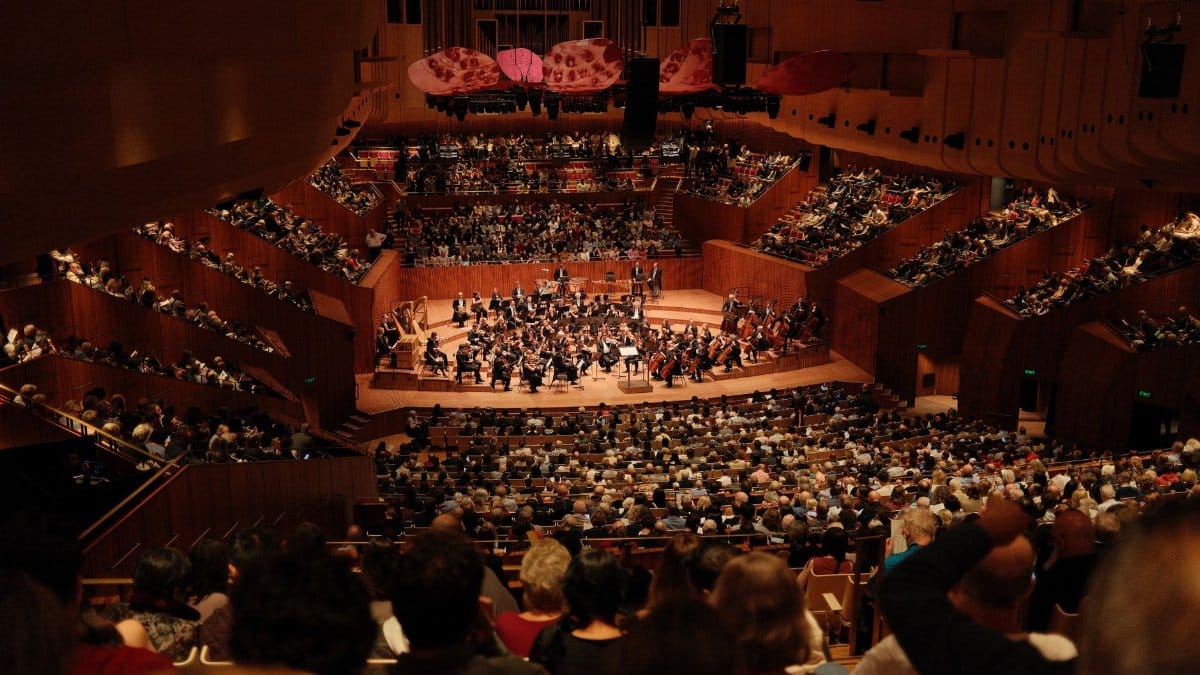
On a September evening when San Francisco usually gathers for velvet, brass, and the first notes of a new season, the War Memorial Opera House stayed quiet. Patrons who had planned dresses, dinners, and a ritual as old as the company itself found cancellations instead of overture. The pause did not come from a singer’s illness or a scenery mishap. It came from a labor fight that ended, at least for now, in the SF Opera orchestra deal, a tentative contract that put musicians back in the pit and gave a wounded opening stretch a chance to heal.
A city rite interrupted
Opera in this city is not only a ticketed pastime. It is a civic habit. People plan around opening week the way other towns plan around a fair or a home game. When the orchestra walked, that habit broke in public. Rehearsals stopped. Performances vanished from the calendar. A free afternoon in the park, the one many residents treat as their only opera of the year, disappeared with the rest.
The shock traveled beyond subscribers. Restaurants near the house lost a rush they count on. Chorus members and stage crews waited to learn whether their nights would return. Music students who had hoped to sit in a balcony and study a live pit found a locked expectation instead. A strike at an opera company is never only a dispute between two bargaining tables. It is a hole in the week’s shared life.
What went dark
The cancellations reached a Verdi evening, Opera in the Park, and a premiere by Thea Musgrave, a composer whose late career still draws listeners who want new work beside the canon. Those three losses tell the range of the damage. Verdi is the crowded house, the plot everyone half knows, the night that fills seats and underwrites risk. The park concert is the open door, blankets on grass, children hearing an aria without a dress code. A Musgrave premiere is the argument that a company still believes in living composers.
Losing all three in one blow made the standoff legible to people who never read a contract summary. One cancellation can look like bad luck. A cluster looks like a broken machine. Audiences do not need a briefing on work rules to feel the absence of an orchestra. Without those players, the season is a poster.
The musicians and the pit
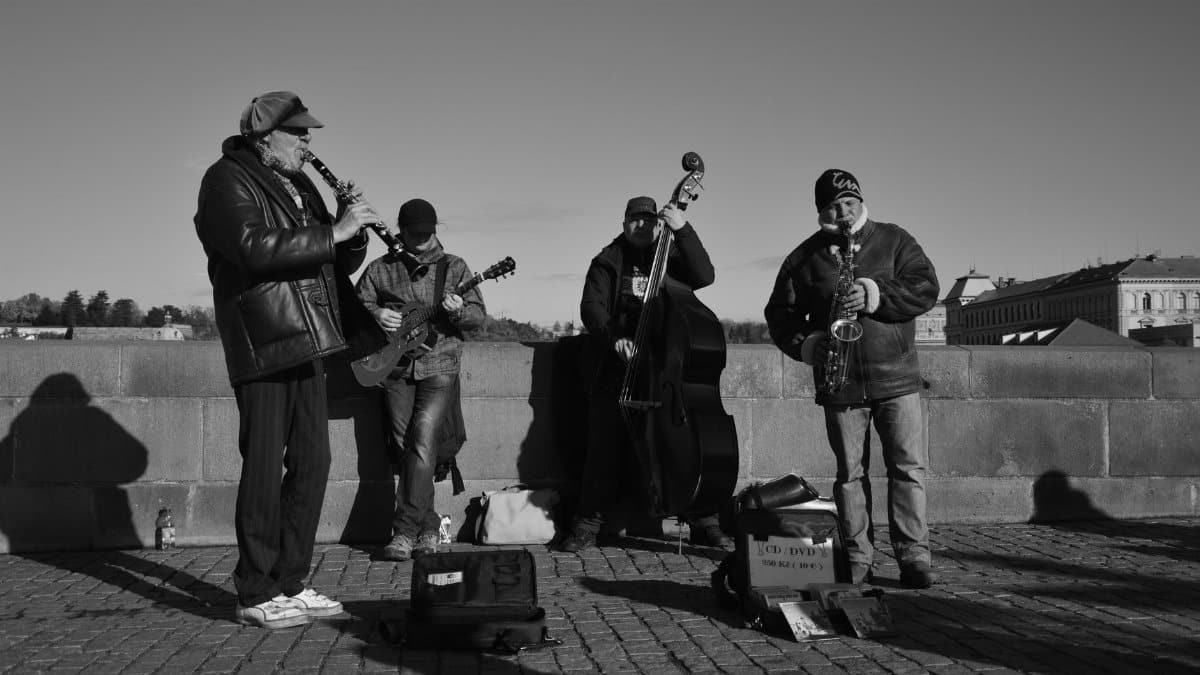
Orchestra players occupy a strange place in the public mind. They are essential and half invisible, seated below the stage line, counted in the program but rarely photographed on the red carpet. Their leverage is absolute in one sense and fragile in another. No one can fake a full opera orchestra for a week and call it the same art. Yet individual musicians live with irregular schedules, expensive instruments, and a labor market that does not forgive a long gap in work.
In disputes like this one, players usually press on wages that keep pace with the cost of staying in the Bay Area, on health coverage that survives a short season, and on guarantees that a career in the pit is still a career. Management usually answers with the hard arithmetic of ticket income, donor fatigue, and a building that costs money even when the curtain is down. Both stories can be true at once. Neither story plays well when the public only meets them as a cancellation notice.
How the company described the bind

Opera companies across the country have spent recent years explaining a simple and unforgiving equation. Costs rise. Audiences have not fully returned to every old habit. Touring stars and new productions carry price tags that do not shrink because a city is fond of its house. San Francisco Opera is large enough to matter nationally and local enough that a strike feels personal. Leaders in such fights tend to say they are protecting the institution’s future, not punishing the people who make the sound.
That claim is easier to accept when the season is intact. It is harder when a premiere is shelved and a park concert is scratched. Patrons hear caution as abdication. Musicians hear caution as a request that they absorb the risk. The tentative settlement does not erase that argument. It pauses it long enough for music to resume, which is the only truce an audience can hear.
What a tentative contract can and cannot do
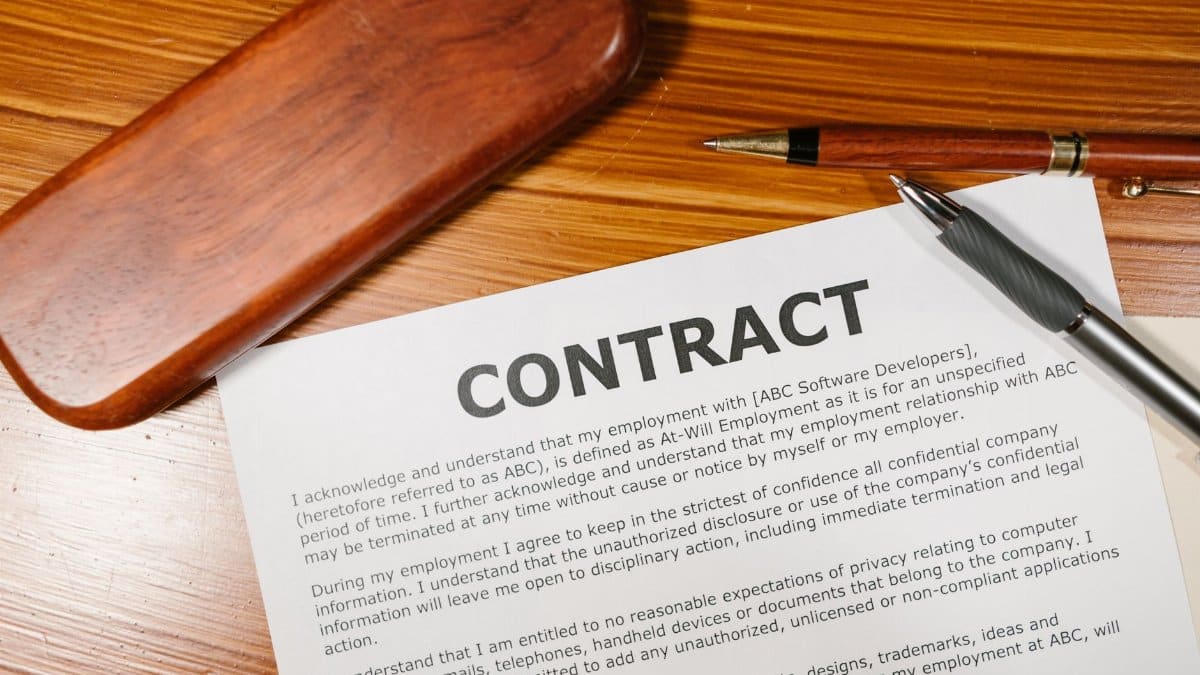
A handshake on paper is not the last vote. In orchestra labor, a tentative agreement usually still needs ratification by the players. Until that vote lands, the phrase SF Opera orchestra deal describes a path, not a finished monument. Even after a yes, the document will not restore the nights already lost. Refunds and rescheduled programs can repair a ledger. They cannot give a listener back the evening that was supposed to be a first hearing.
What such a deal can do is restart trust in small, practical ways. Call times return. Bows go back on strings. Music staff stop living in contingency plans. Donors who froze gifts during the uncertainty get a reason to unfreeze them. The house can sell a future again instead of apologizing for a present. Those are modest goods. In a performing art, modest goods are how a season survives.
Verdi as the public face of a private fight
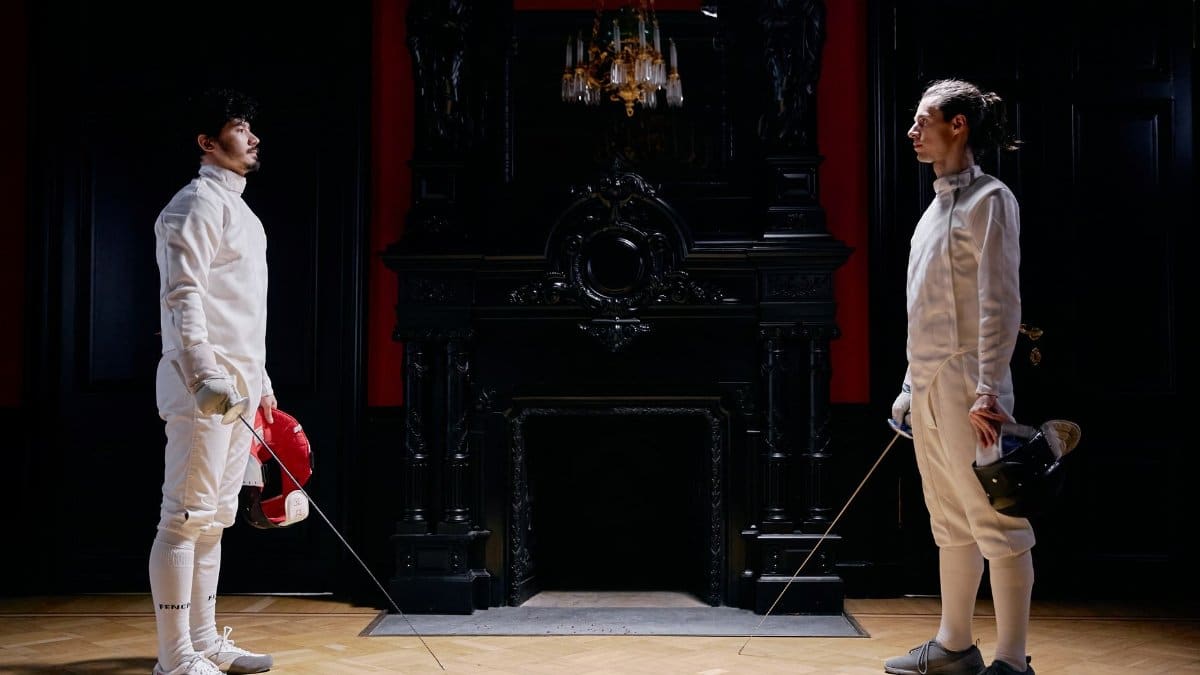
Verdi remains the composer most likely to fill a large American house, which is why his absence during a strike reads as more than a programming note. He is the test of whether the company can still deliver the night people think they bought. When that night falls away, casual listeners conclude that the trouble is severe. Regular listeners start asking which other titles might slip. A canon built on inevitability suddenly looks optional.
There is an irony in that. Verdi’s own century was thick with theatrical labor, last minute casts, and houses that lived close to insolvency. The music endured because companies found ways to pay the people in the pit and on the stage. A modern audience does not need that history lesson to feel the parallel. They only need to notice that the chorus of a labor dispute is older than any season brochure.
The park as a different kind of stage
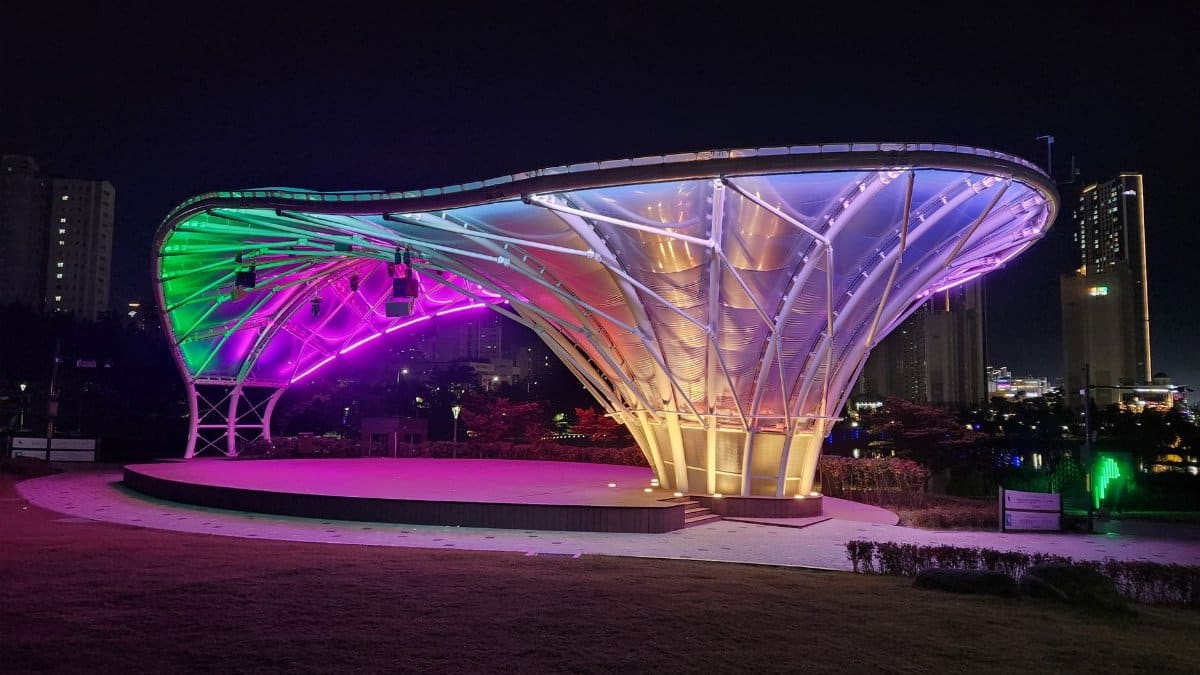
Opera in the Park has long served as the company’s handshake with a city that cannot or will not buy a full subscription. It is informal, crowded, and slightly chaotic, which is part of its charm. Canceling it during a strike sent a message that reached past the velvet seats. Free culture is not free to produce. The musicians who would have played that lawn are the same musicians whose contract was in dispute.
For some families, that afternoon is the only time opera enters the year without intimidation. Its loss is easy to dismiss as symbolic and hard to replace. A rescheduled indoor performance, however fine, is not the same civic gesture. If the SF Opera orchestra deal holds, the company will still have to decide how to give that gesture back, not only how to restore the subscription calendar.
A premiere that had to wait
New work is the fragile end of the repertoire. A Musgrave premiere carries months of preparation, a composer’s late revisions, and an audience that showed up specifically to hear something that did not yet have a legend. Strikes do not merely delay such nights. They risk thinning the attention around them. Momentum is part of the art. A first performance heard after a labor crisis arrives with a different weather.
That does not make the piece lesser. It does change the room. Listeners may come grateful that anything is happening at all, which is a kind of generosity, or they may come wary, scanning the program for signs that the institution is still unsteady. Companies that care about living composers will treat the delayed premiere as a debt, not a footnote. The orchestra’s return is the first payment.
Money, housing, and the sound of a city
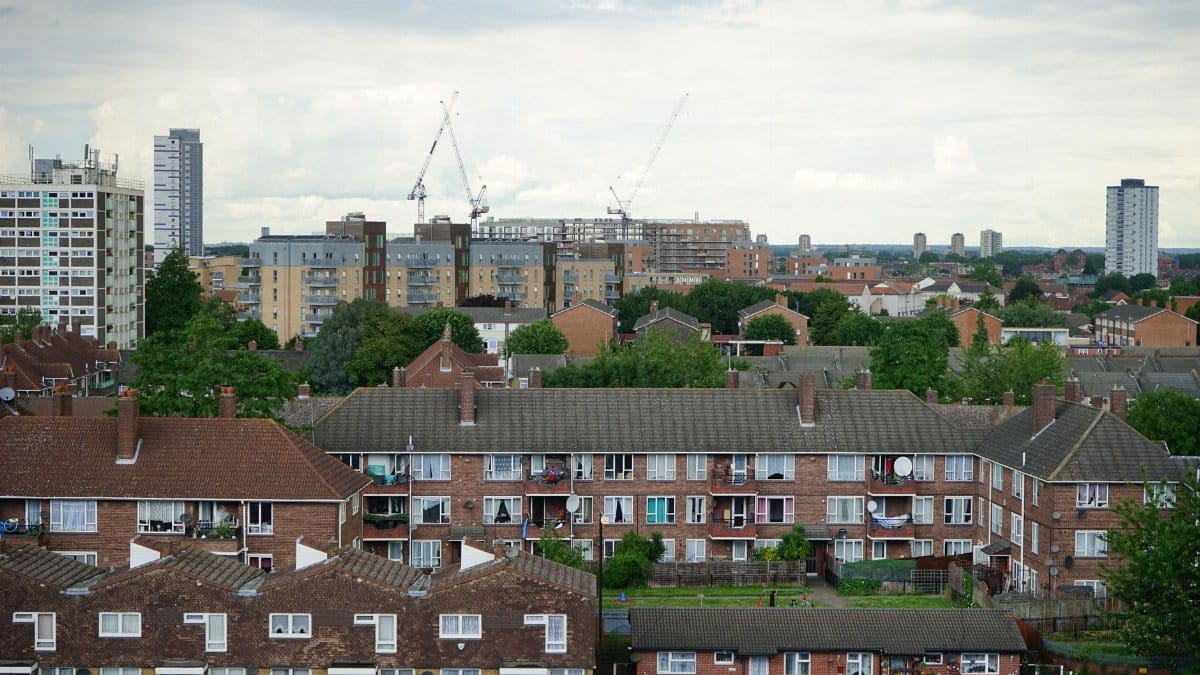
San Francisco’s cost of living sits inside every arts contract whether or not the bargaining memos name it. A salary that looked sturdy a decade ago can fail a musician who needs an apartment within reach of rehearsal. Health care, pension contributions, and the number of guaranteed weeks decide whether a player can stay or must audition elsewhere. When enough of them leave, the pit changes character. A great orchestra is not a logo. It is a group of people who have played together long enough to breathe in the same measure.
Management’s fear is the mirror image. Promise more than the house can fund, and the institution that employs those players thins out in another way, through darker weeks and fewer productions. The SF Opera orchestra deal, whatever its private numbers, will be judged on whether it keeps both fears from coming true in the same season. Observers outside the room will not see every clause. They will hear whether the band sounds settled or rushed.
What audiences are owed
Subscribers are not a third party in name only. They paid for a sequence of nights and received an interruption. Good faith after a strike is concrete. It looks like clear refunds, honest calendars, and a refusal to pretend the lost performances never mattered. It also looks like not using the audience as a scold against either side. People who love the art can hold two thoughts: musicians deserve a living, and a company that cancels its opening owes an explanation that respects the people who showed up ready to listen.
There is a spiritual dimension here that has nothing to do with doctrine. A darkened house reminds a city how much of its inner life depends on strangers keeping a promise together. When that promise breaks, the repair is not only legal. It is relational. The first downbeat after a strike is a small act of faith, and faith in this sense means showing up again without a guarantee that the feeling will match the memory.
A season that still has to be earned
Ending a walkout is not the same as ending the pressure that produced it. Other American companies will read the San Francisco episode as a sign of what musicians will risk and what management will concede when opening week is on the line. Inside the house, the practical test is plainer. Can the scheduled works be rehearsed with enough calm to sound inevitable again? Can a delayed premiere meet its listeners without apology crowding out the music? Can Opera in the Park, or something worthy of its place, return as a gift rather than a patch?
The SF Opera orchestra deal answers the immediate question. The strike that opened the season in silence has a tentative end. Verdi can be sung. A Musgrave score can leave the folder. The park can imagine another afternoon. None of that is automatic. It depends on a vote, on follow through, and on a city willing to treat the pit as part of its public life rather than a cost center hidden under the stage. The curtain, when it rises, will not erase the quiet that came before. It will only prove that the quiet did not get the last word.