
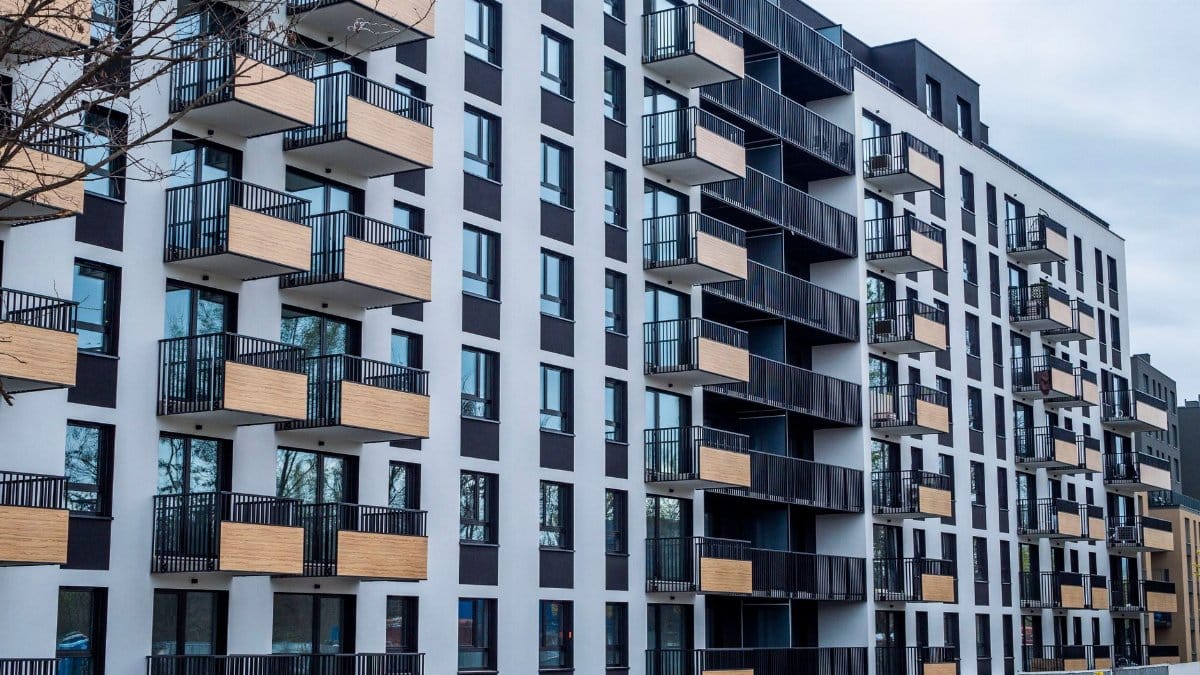
Walk a few blocks south of Wilshire and the story is written in plywood and silence. A corner lot cleared two years ago still waits for a building that never broke ground. Brokers say buyers of development sites have gone quiet, and lenders want more equity before they will even open a file. In that gap sits the LA apartment building slump, a slowdown in starts and completions that arrived even as Los Angeles kept talking about an epic shortage of homes. The stall is not a mystery of demand. People still need apartments. What changed is the math that decides whether a project gets built at all.
A city that needs homes and is not getting them
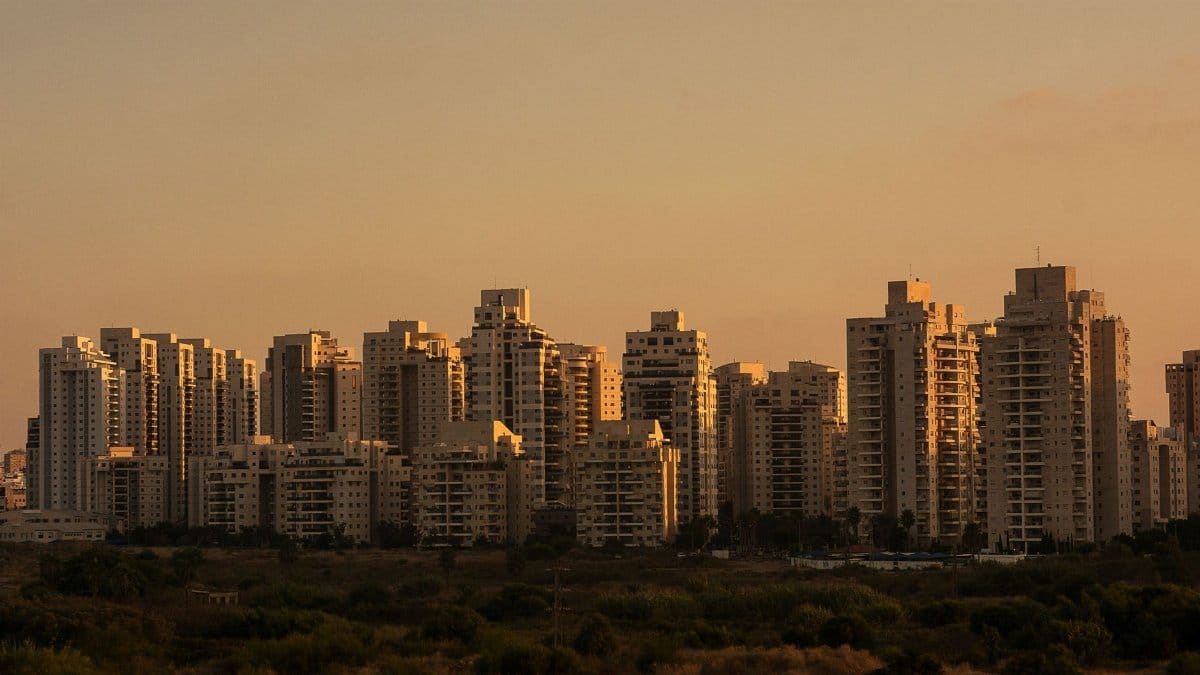
Los Angeles has spent a decade hearing the same warning from planners, tenant groups, and business leaders. There are not enough apartments for the people who already live here, let alone for the workers the region hopes to keep. Rents remain high relative to wages in large parts of the city. Vacancy in many older buildings is tight. Yet the pipeline of new multifamily projects has thinned. Completions and starts fell in 2026, according to reporting in the Los Angeles Times, even as officials described the housing shortage as urgent. The contradiction is the heart of the present moment. A shortage does not, by itself, produce a crane.
I have watched this pattern in other booms and pauses. When capital is cheap, developers can absorb fees, delays, and a messy entitlement process. When money is expensive, every extra month and every extra tax becomes a reason to wait. The waiting is what residents see as empty lots and unchanged skylines.
What the 2026 numbers are really saying

The useful way to read a construction slump is to separate three clocks. One clock is permits, the paper permission to build. Another is starts, the moment crews actually begin. The third is completions, the day keys are handed to tenants. Those clocks do not move together. A permit issued in a friendlier year can still die before a start if financing falls apart. A start from 2024 can finish in 2026 and make completions look healthier than the forward pipeline really is.
That is why a drop in both starts and completions matters more than a single bad quarter. It suggests the slowdown is not only a lag from older projects. New work is not replacing what is finishing. In a city this large, a quiet year or two does not empty the housing stock. It does narrow the future. Units that are not started in 2026 will not relieve pressure in 2028 or 2029. The LA apartment building slump is a story about apartments that will be missing later, not only about jobsites that are quiet now.
Interest rates rewrote the pro forma

Apartment development is a spread business. A builder borrows to buy land, pay architects, carry the site through approvals, and fund construction. The loan is repaid from rents, or from a sale to a long term owner once the building is leased. When interest rates were near historic lows, that spread was wide enough to cover mistakes. Higher rates compress it from both sides. Debt costs more each month. Buyers of finished buildings also pay more to borrow, so they offer less for the completed asset. The developer is squeezed between a pricier construction loan and a cheaper exit.
Banks have also become pickier about who gets that loan. They want more cash in the deal, stronger presales or preleasing stories, and sponsors who can survive a delay. Projects that penciled on a spreadsheet in 2021 can fail the same test in 2026 without a single change in the floor plan. That is not ideology. It is arithmetic, and arithmetic has been winning.
Fees and soft costs before a shovel moves

Los Angeles development was never a cheap sport. Land near transit and jobs carries a premium. Labor is costly. Materials swing with global markets. On top of those basics sits a thick layer of soft costs: architecture, engineering, legal work, environmental review, traffic studies, and fees owed to the city and to utilities. Some of those charges are defensible. Growth should help pay for sewers, schools, and fire protection. The trouble is cumulative. A fee that looks modest on its own can tip a deal when it lands beside three others and a year of carrying costs.
Time is a fee even when nobody sends an invoice. A project that sits in review for extra months pays interest, property taxes, and insurance while producing no rent. Developers describe that drag as quietly as they describe any line item, because it is harder to campaign against. It is also harder for the public to see. A tax debate makes headlines. A slow counter at a permit window does not. Both can stop a building.
Measure ULA and the price of selling

Measure ULA, the city transfer tax on high value property sales, was sold to voters as a way to fund housing and homelessness programs. It applies when properties above set thresholds change hands, at rates that are large enough to matter on a development site or a finished apartment building. Supporters argue that the people who profit from Los Angeles real estate should help pay for the crisis that speculation helped worsen. Critics in the building industry argue that the tax lands on the very transactions that finance new apartments, not only on luxury estates.
Both claims can be partly true, which is why the fight stays bitter. A mansion sale and the sale of a development site are not the same civic event. Yet the tax, as written, reaches many commercial transfers above the threshold. When a builder models a project, the expected sale price is not the whole story. The net price after transfer tax, broker fees, and loan payoff is what repays equity. If that net number falls, the project needs higher rents, cheaper land, or a smaller building to survive. In 2026, many proposals got none of those gifts. The Los Angeles Times account of stalled deals put Measure ULA alongside rates and fees as a reason projects no longer penciled. That reporting matches what builders have been saying in quieter rooms for months.
Why shortage alone does not summon cranes
It is tempting to treat housing like a simple market fable. Prices are high, therefore builders will build, therefore prices will ease. The fable skips the gate between desire and delivery. A developer does not build because the city needs homes. A developer builds because a specific site, with a specific set of rents, costs, taxes, and loans, produces a return that beats the next best use of that capital. If the return fails, the rational choice is to wait, sell the land, or build somewhere else.
Somewhere else is not a metaphor. Capital that might have funded a Koreatown mid rise can fund a project in a city with faster approvals, lower transfer taxes, or cheaper land. Los Angeles does not have to lose every dollar. It only has to lose enough deals, year after year, for the skyline to notice. The LA apartment building slump is what that loss looks like when it stops being a forecast and becomes a construction report.
Who feels a missing building first
The people who feel a stalled pipeline are not, at first, the tourists who notice fewer tower cranes. They are renters in older buildings who had hoped a wave of new supply would give them bargaining power. They are workers who commute farther because the neighborhood near the job never added the apartments that were drawn on a rendering. They are small landlords who cannot sell a property without a tax hit and therefore do not reinvest. They are also the construction workers whose hours depend on starts, not on speeches about shortage.
New buildings are often expensive at the start. That fact is used, sometimes fairly, to dismiss them as irrelevant to working families. The longer record in tight cities is less comforting to that dismissal. When almost nothing is added, pressure stays on the older stock. When a lot is added, even at high initial rents, some households move up and leave a cheaper unit behind. A slump interrupts that chain. It does not freeze every rent overnight. It removes one of the few forces that can loosen a market over several years.
What city hall can still change
No single lever will restart apartment construction while interest rates stay elevated. Pretending otherwise is how housing politics loses credibility. Still, local government controls pieces of the spreadsheet that lenders do not. Faster, more predictable approvals reduce carrying costs. Fee schedules can be designed so that projects near transit or with a real share of lower rent homes are not treated like luxury towers. Transfer tax rules can be examined for whether they chill the sale of sites that would have become rentals, without abandoning the goal of funding housing programs.
Those are political choices, not technical miracles. Measure ULA has defenders who will see any revision as a gift to developers. Builders will see any defense of the status quo as proof that the city prefers symbolism to keys in doors. A serious debate would publish, in plain language, how many sites traded, how many starts died after the tax, and how much revenue actually reached housing programs. Voters can weigh a tradeoff they can see. They cannot weigh a slogan.
The wait on the sidelines

Many of the people who could build are not gone. They are paused. Land is still owned. Architects still have drawings. Some sponsors are redesigning projects to be smaller, or to use different construction methods, in the hope that a leaner building survives the same rates and the same taxes. Others are waiting for a rate cut, a court ruling, or a political shift. Waiting is a strategy until it becomes a habit. Habits are how a temporary financing winter turns into a missing decade of supply.
There is also a quieter group: owners of small apartment buildings who might have sold to someone ready to add units, and who now hold because the tax makes a sale unattractive. That is not the same as a tower that fails to break ground, but it is part of the same freeze. Turnover is how old buildings get recapitalized. When turnover slows, maintenance can slow with it. A city can end up with fewer new homes and a more tired older stock at the same time.
A longer view than one rough year

Housing shortages are built slowly, and they ease slowly. One weak year of starts does not doom Los Angeles. A pattern of weak years does. The test for 2027 is whether deals that died in the LA apartment building slump come back in recognizable form, or whether sponsors and lenders decide this market is simply too hard. If they decide it is too hard, the speeches about an epic shortage will keep coming, and the lots will keep waiting.
Readers do not need to love developers to care about that outcome. They need to care about whether a nurse, a teacher, or a grown child can find an apartment without a miracle. Supply is not the only answer. Tenant protections, public housing, and direct subsidies matter, and they are not substitutes for one another. None of them, though, creates a unit that was never financed. The stall of 2026 is a reminder that policy is a set of prices, delays, and permissions, and that buildings appear only when those prices still leave room for a yes.