
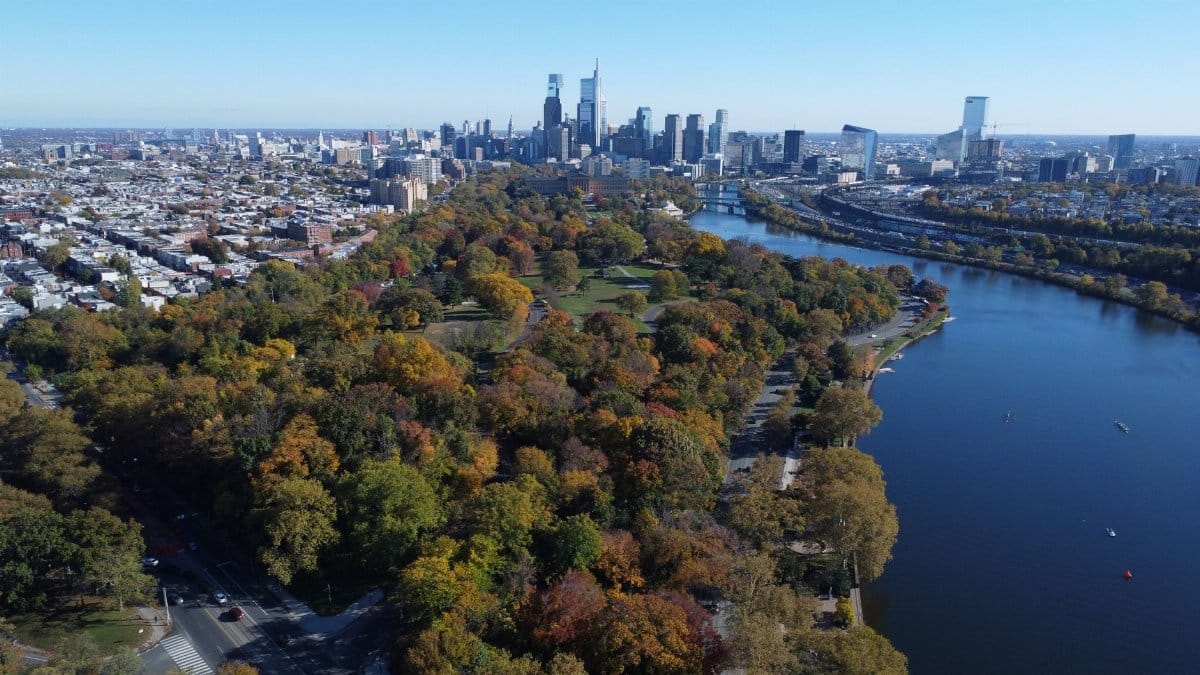
The morning after the calendar turned, Philadelphia did not look dramatically different, yet the air had a cleaner edge. Joggers along the Schuylkill wore light jackets they had ignored for weeks. Office windows caught a lower sun, and the shadows on Walnut Street stretched a little farther by late afternoon. People talked about sweaters, school nights, and the strange relief of a season that asks less haste. Astronomers had a precise name for the hinge. The Philadelphia fall equinox arrived on September 22, when the sun crossed the equator and day and night came closest to matching. In a city of brick, rivers, and late trains, that astronomical fact showed up as cooler air and as birds moving through the dark.
A precise moment with a loose civic feeling
The equinox is not a mood, though residents often treat it like one. It is a geometric event. Earth keeps its tilt, the sun appears to slide south, and for a brief span the planet offers nearly equal light to both hemispheres. In Philadelphia the official crossing came during the afternoon of September 22, which meant the city spent the morning still officially in summer and the evening already in autumn. That split is easy to miss if you are waiting for a bus or packing a lunch. What people notice instead is texture. The breeze off the Delaware feels less heavy. Restaurant patios stay pleasant past dusk. A wool collar, folded away since April, suddenly makes sense on the walk home.
Meteorologists are careful not to confuse the astronomical date with the first cold front. Summer heat can linger. A warm afternoon after the equinox does not cancel autumn. It only reminds the city that seasons overlap. The useful change is in the length of the day. Each evening arrives a little sooner. Offices empty into a bluer hour. Parents notice homework beginning before the streetlights feel necessary. The science is exact. The experience is gradual, which is why the date still startles people who thought summer had a few more weekends left.
Cooler air without a dramatic announcement
Forecast desks in the region described the turn as a softening rather than a plunge. Highs eased out of the sticky eighties and toward a range that lets a person forget the air conditioner. Nights dropped enough to open windows on second floors in South Philadelphia and along Germantown Avenue. That is the kind of weather Philadelphians trust more than a slogan. You can sleep. You can walk to the corner store without planning an escape from the heat. You can leave a jacket on a chair and actually use it.
None of this requires a storm to feel real. A northwest breeze after a clear afternoon is enough. The river looks harder and brighter. Brick walls that stored July heat finally give some of it back and then go quiet. In Rittenhouse and in park pockets farther out, the smell of cut grass mixes with something drier, like leaves that have not yet fallen but have stopped growing. Residents who track such things on their phones still step outside to confirm what the screen already said. The body is the better instrument for this particular change.
Why the leaves are not the headline yet
Visitors sometimes expect the Philadelphia fall equinox to arrive with scarlet maples and a postcard canopy. Local arborists and park crews know better. Foliage follows cold nights, shortening days, and the particular chemistry of each species. In late September the city is mostly green, with hints of yellow in tulip trees and a dulling at the edges of sycamores along the parkways. The famous color, if the weather cooperates, belongs to October. Treating the equinox as a leaf festival misses the quieter opening act.
That delay has a civic benefit. The parks remain usable. Wissahickon trails are not yet slick with wet leaves. Fairmount Park lawns still hold picnics, youth soccer, and the last outdoor birthday parties of the year. Gardeners pull tomatoes that tasted better in August and plant greens that prefer the cooler stretch ahead. The season announces itself in chores before it announces itself in color. Rakes come out of basements. Storm windows get a second look. None of it is glamorous, and all of it is how a dense city prepares without making a speech.
Birds using the dark above the grid
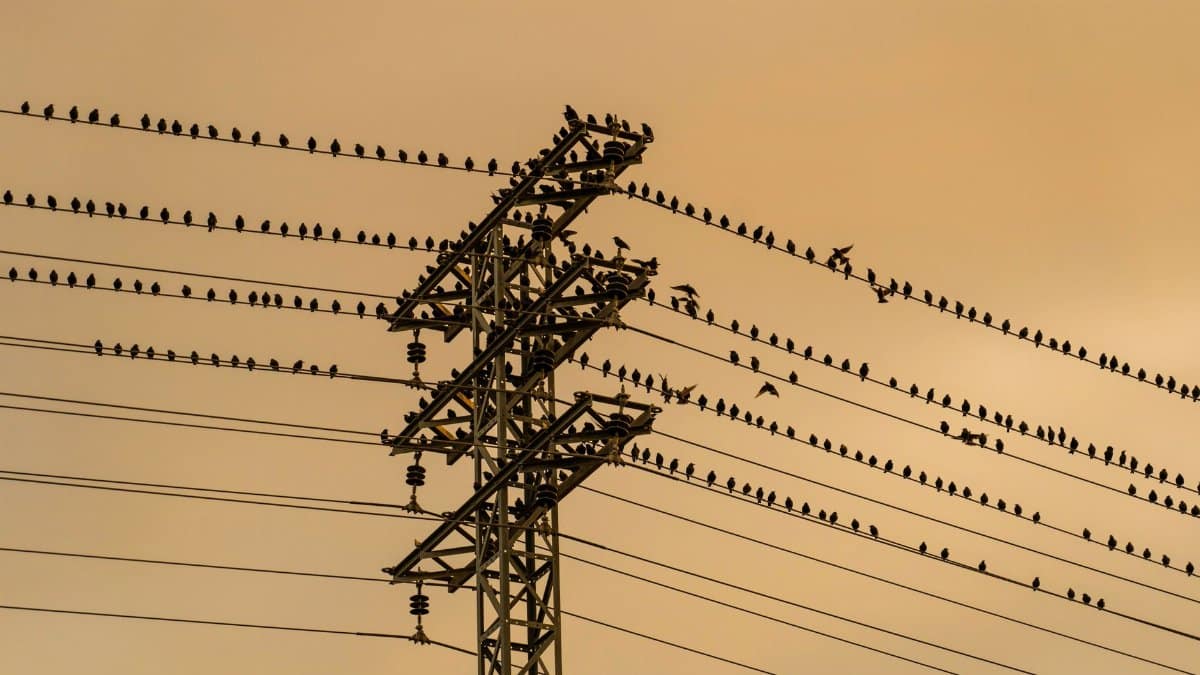
If the air is the felt sign of autumn, the birds are the traveling one. Philadelphia sits on a broad migratory path between northern forests and southern wintering grounds. On calm nights after the equinox, warblers, thrushes, and sparrows lift off and move in loose streams that most residents never see. They call in thin notes above rowhouse roofs. They appear at dawn in parks that looked empty of them the week before. Birders who know the John Heinz refuge, Pennypack, and the edges of the Wissahickon treat these weeks as an appointment.
The flights are not random pageantry. Birds time their travel to favorable winds, insect hatches, and the same shortening light that resets human schedules. A clear night with a light tailwind can fill the sky. A hard rain can hold them down in whatever trees they found at dusk. City lights complicate the journey. Bright towers and glassy corners can pull migrants off course, which is why dimming campaigns and bird safe building habits matter in a downtown that otherwise celebrates illumination. The beauty of the passage and the risk of the passage belong in the same paragraph. Autumn here is not only a mood. It is traffic, most of it silent and most of it overhead.
What morning birders actually find
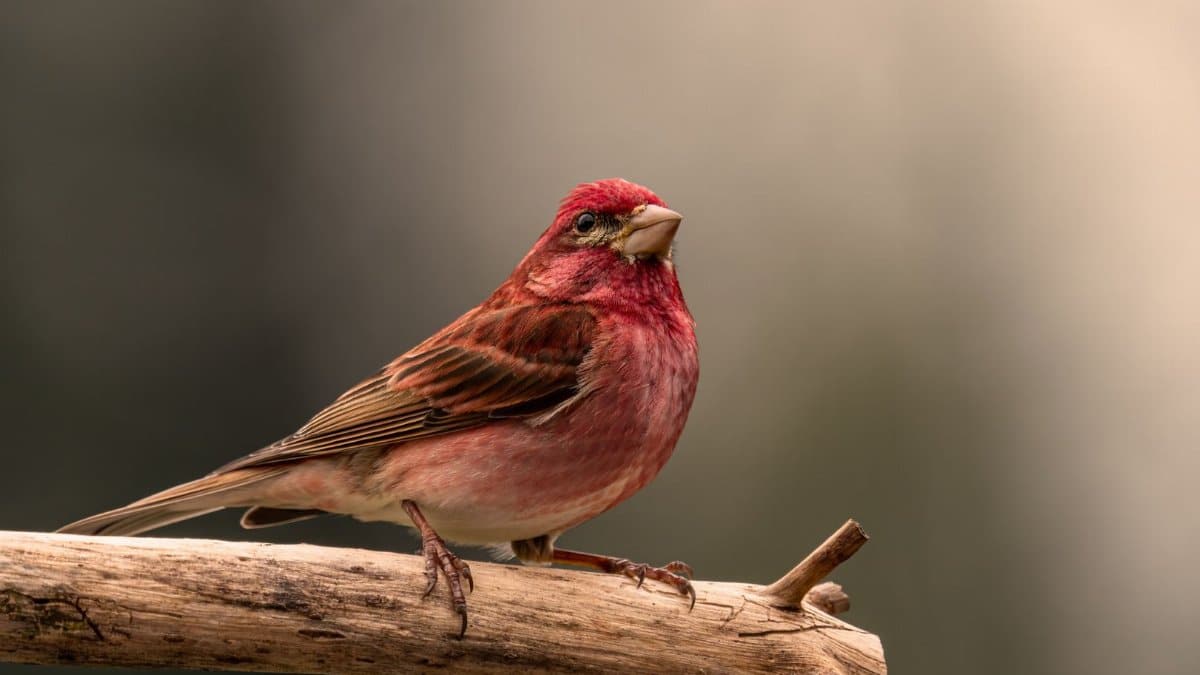
At first light the evidence is ground level. A mixed flock works through oaks near the river. A sharp shinned hawk cuts across a ball field and vanishes. Chimney swifts still whirl at dusk for a little while longer, then thin out. White throated sparrows, not yet the dominant winter voice, begin to show up in shrubs behind schools and churches. None of this requires a rare species to feel like news. For people who walk the same loop every week, a new call is as clear as a change in the forecast.
I spent one of those mornings near the water with a notebook and no agenda beyond listening. The remarkable part was not a single dramatic sighting. It was the layering. Commuter traffic on one side, wingbeats and chips on the other, and a temperature that let both continue without strain. That is a Philadelphia kind of wildness. It does not demand a wilderness permit. It asks for attention between the train and the office, or between school drop off and the grocery list. The equinox makes that attention slightly easier because the air no longer argues with you.
Markets, kitchens, and the edible season
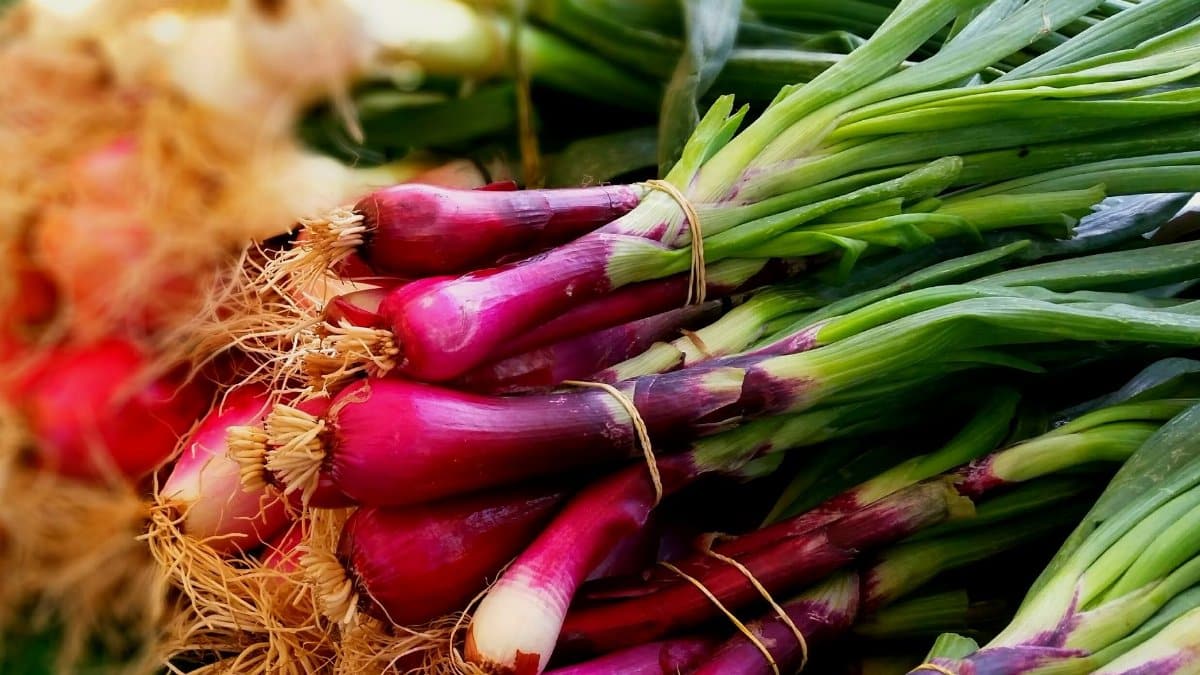
Food tells the same story with less poetry and more crates. Regional markets shift from peak tomatoes and peaches toward squash, apples, kale, and late peppers. Chefs who buy from Pennsylvania and New Jersey farms rewrite boards without announcing a philosophy. Soups return. Grills stay, but they share the week with the oven. In neighborhoods from the Italian Market to smaller weekend stalls, shoppers linger because standing outside is pleasant again. A season that begins in the sky ends up, very quickly, in what people decide to cook on a Tuesday.
There is an economic note under the romance. Orchards and vegetable growers watch night temperatures as closely as any birder watches the radar. A gentle slide into autumn protects late crops. An early hard frost does not. The Philadelphia fall equinox is not a harvest festival on a fixed stage, yet it marks the stretch when harvest logic takes over from high summer abundance. Restaurants, school cafeterias, and home cooks all adjust. Waste looks different when the heat no longer ruins a bag of greens on the walk back from the store. Small practical mercies accumulate into a citywide change of pace.
Light, faith, and the urge to mark a hinge
Houses of worship and quieter civic rituals tend to notice hinges even when the theology differs. Some congregations plan outdoor services while the weather still allows them. Others simply open doors and let the evening air into rooms that were sealed against August. Quaker meeting houses, synagogues preparing for autumn holy days, and churches with long neighborhood histories all sit inside the same daylight budget. The equinox does not belong to one tradition. It offers a shared physical fact that people then interpret in their own language.
That interpretation can stay modest. Balance is a tempting word, and it is not entirely wrong. Day and night approach equality, then the nights begin to win. In a city as argumentative and as loyal as this one, a brief sense of evenness has appeal. It does not settle budgets, strikes, or school debates. It does suggest that rushing is not the only civic skill. A walk after dinner, a window left open, a minute spent identifying a bird call with a child: these are small practices, closer to maintenance than to revelation. They still count. Seasonal attention is one of the few public experiences that does not require a ticket.
How neighborhoods register the same date differently
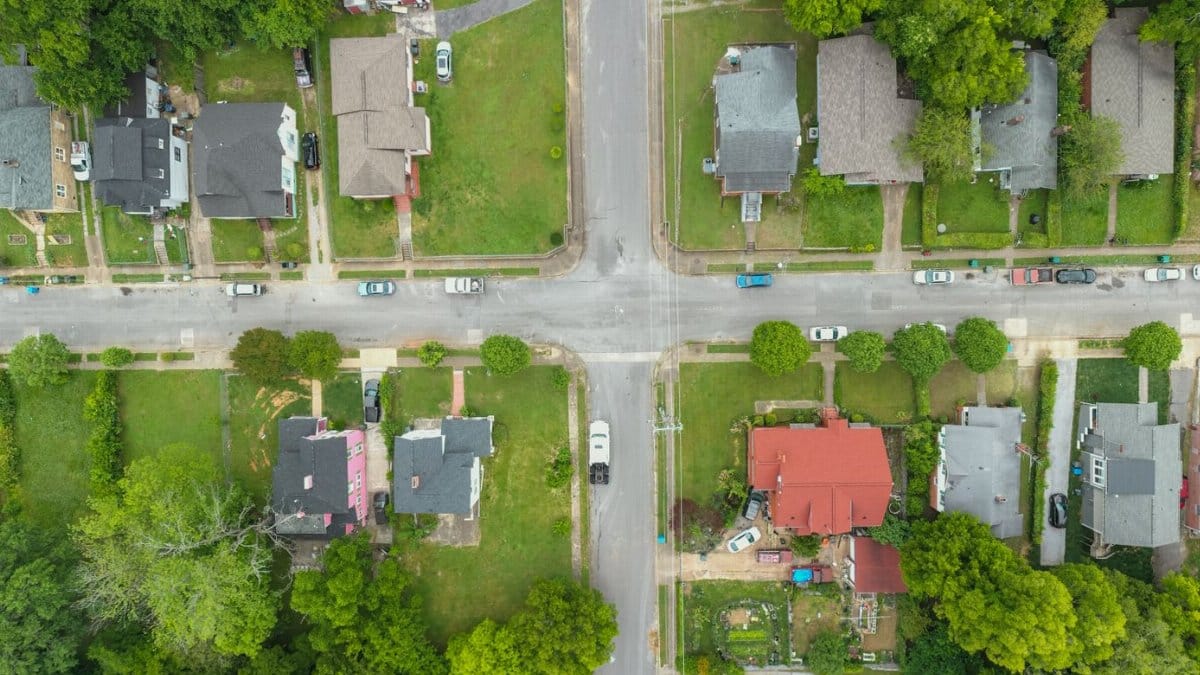
Center City feels the equinox in glass and schedule. Shadows slice across plazas. Happy hours move indoors or gain a sweater dress code. In rowhouse blocks of West Philadelphia and Kensington, the sign is more domestic: kids staying out until the streetlights, elders reclaiming stoops, fans clicking off in upstairs rooms. Along the rivers, rowers and runners adjust layers and start times. In the northeast and the northwest, tree cover makes the earlier dusk feel deeper. One date, many microclimates, which is exactly how Philadelphia usually works.
Transit riders may be the most precise observers. A commute that began in full light in June now begins in a softer mix and ends in something closer to night. Station platforms cool faster than office towers. People stop pretending that summer clothing will cover every errand. The shift is undramatic and therefore easy to trust. No one needs a press conference to confirm it. You feel it in the decision to bring a layer you might not wear, and then in the decision, halfway home, to put it on.
What the coming weeks usually bring
After the Philadelphia fall equinox, the pattern is less a single event than a slope. Days keep shortening. Average temperatures step down, with interruptions that will fool anyone who packs away the fans too fast. Bird migration peaks in pulses. Early October often brings the best mix of mild afternoons and active skies, provided storms do not shut the window. Foliage watchers can wait. Sweater weather does not need red hills to justify itself.
City agencies and households share a practical list. Check heating systems before the first real cold. Clear gutters while the leaves are still mostly attached. Keep an eye on pets and on older neighbors when nights dip. For anyone drawn to the sky, the advice is simpler. Step outside after dark on a calm evening and listen. Step outside at dawn near trees and look. The season is already underway, whether or not a single maple has committed to color.
A season you can verify without a lecture

Philadelphia has a habit of arguing about everything except, perhaps, the feel of a good October morning. The equinox is the doorway to that argument’s pause. It is measurable, local, and slightly mysterious even after you understand the tilt of the planet. Cooler air is not a metaphor. Bird flights are not a decoration added by feature writers. They are what this latitude does when summer loosens its grip.
The Philadelphia fall equinox will not look the same from a high rise, a refuge marsh, and a kitchen window, and it does not need to. What it offers is a common reference point in a crowded year. Mark the date if you like. Better, mark the week after it: the jacket on the chair, the earlier lamp, the small voices over the roofs. Autumn in this city rarely arrives as a spectacle. It arrives as a correction, and this year the correction was right on time.