
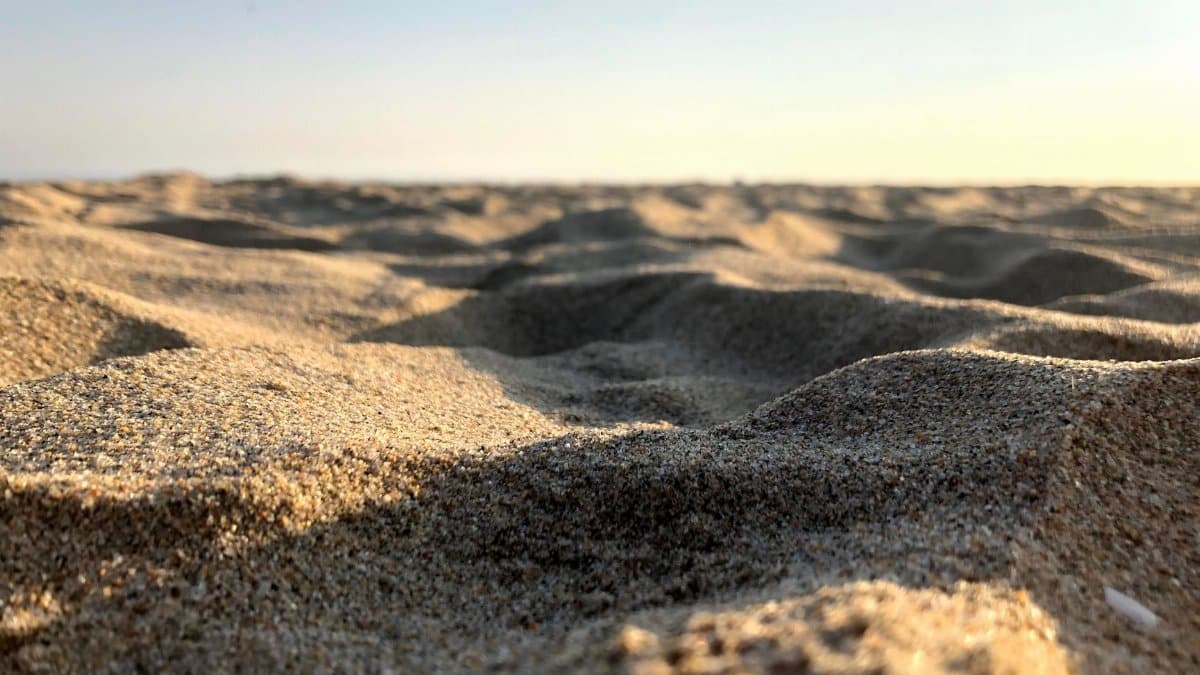
After the evening crowds thinned on a warm September night, a marine safety officer followed a set of tracks that did not match a dog, a gull, or a surfer dragging a board. The marks ended at a low mound of sand, and a second mound sat not far away. Crews from the National Oceanic and Atmospheric Administration and local marine safety soon fenced both sites and asked people to keep their distance. For a coast more accustomed to grunion runs and summer volleyball, the news felt almost impossible. Huntington sea turtle nests had been confirmed where no reliable record had ever placed a nesting sea turtle.
What the night patrol actually found
The first clue was not a turtle in plain view but a signature in the sand. Olive ridleys leave a broad, slightly awkward trail, and the body pit they dig can look, at a careless glance, like a hole left by a child with a shovel. Officers who know this beach at odd hours noticed the difference. They marked the spots, called federal marine turtle specialists, and waited for daylight confirmation. By the time word reached the wider public, two clutches had been identified, one associated with Huntington Beach and one with neighboring Seal Beach. The animals themselves were gone, which is typical. A nesting female usually returns to the water before sunrise.
That absence matters. It means the story is not a spectacle of a turtle posing for phones. It is a buried clutch, a fence, and a stretch of weeks in which almost nothing visible happens. Officials treated the sites as active nests rather than curiosities, which is the cautious reading when eggs may already be in the sand.
Two clutches behind a simple fence
The response was deliberately plain. Posts, rope or mesh, and clear notices asked walkers to stay outside a buffer. NOAA and local marine safety shared the work, a pairing that fits a beach where city lifeguards see everything first and federal biologists hold the permits and the protocols. Fencing does not guarantee a hatch. It reduces the most immediate human risks: a volleyball pole driven into the wrong patch, a truck on a maintenance run, a curious dog, a flashlight held too close for too long.
People who live near these strands understand fences. They appear for grunion, for snowy plovers, for eroded stairways after a storm. This fence carried a different weight because it marked a biological first. Huntington sea turtle nests are not a seasonal routine here. They are an event without a local script, which is why the agencies kept the message short. Look, do not touch, and do not linger at the line after dark.
An olive ridley far from her usual map
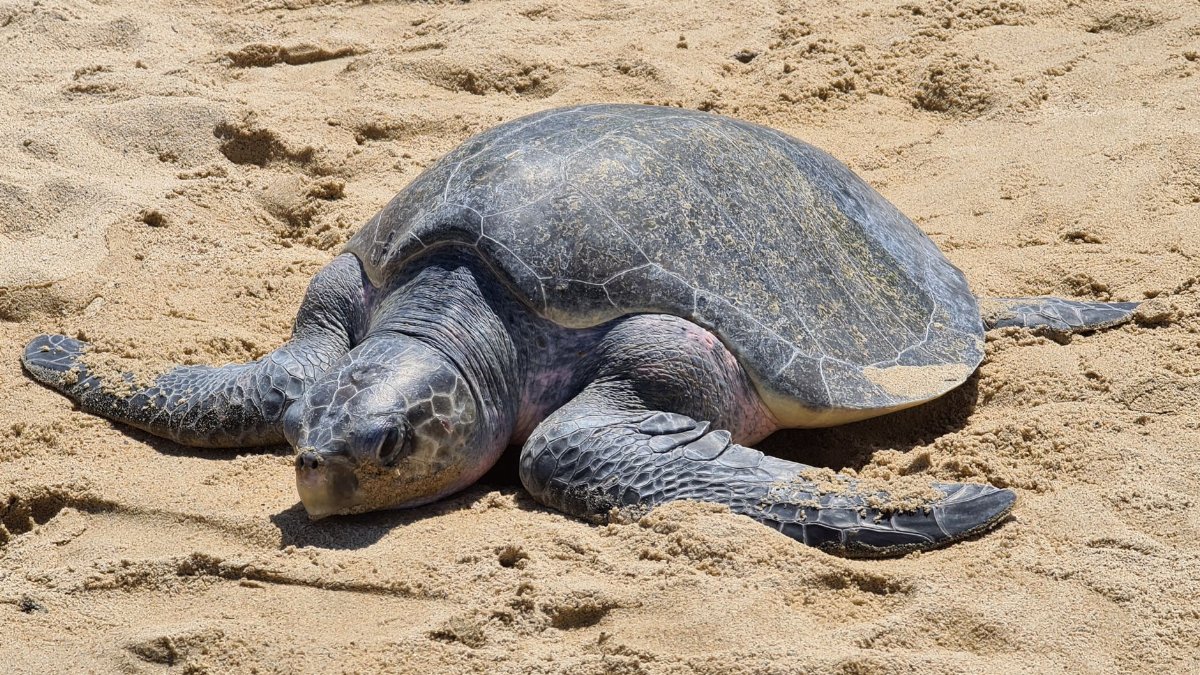
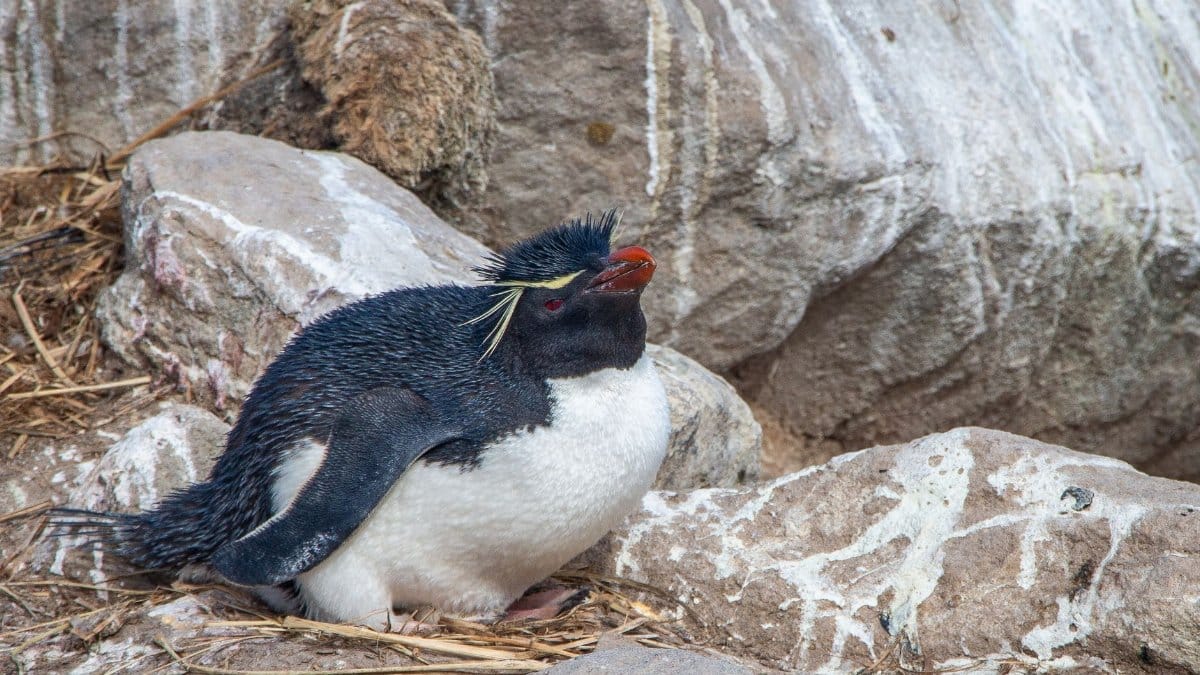
Olive ridleys are the most abundant sea turtles on Earth, yet abundance has never meant they belong on every beach. Their famous mass nestings, the arribadas, unfold on a handful of tropical shores in the eastern Pacific and elsewhere, where thousands of females may come ashore in a compressed rush. A solitary nester is also part of the species pattern. Some females lay alone, on beaches that never host a crowd. Even so, Southern California has sat outside the nesting map that biologists treat as established.
Adult olive ridleys do appear in offshore waters along the West Coast, especially in warmer years, feeding and traveling. Seeing one in the swell is not the same as finding eggs in the berm. Nesting requires a female ready to lay, sand she will accept, and a beach she can reach without being turned back by rocks, lights, or people. Those conditions have not lined up here in any confirmed case until this September.
Why this coastline stayed empty of nests
Cold water is the blunt explanation, and it is only part of the truth. The California Current keeps nearshore temperatures cooler than the tropical beaches olive ridleys favor. Sand temperature shapes whether eggs develop at all, and it influences the sex of hatchlings in species where warmer nests produce more females. A beach can look perfect to a human eye and still be a poor incubator.
History also plays a role. Indigenous communities and early coastal residents knew marine life intimately, but the written scientific record of sea turtle nesting on the open West Coast is essentially blank. That blank is not proof that no turtle ever tried. It is proof that no attempt was documented well enough to enter the books. Confirmation this month closes a specific gap: trained observers, agency response, and a clutch left in place rather than a rumor of a turtle near the surf.
How rare becomes a management problem overnight

Rarity sounds poetic until someone has to decide where the truck may drive at dawn. Huntington and Seal Beach are working shores. Lifeguards move equipment. Cities groom sand. Visitors arrive by the thousand on warm weekends. A nest that would be one among hundreds on a remote tropical beach becomes, here, a single point of failure. One mistaken pass with a rake could end it.
That is why the fencing came quickly and why the public message stressed distance rather than celebration. A first nesting is scientifically interesting and publicly thrilling. It is also fragile in a way routine nest beaches, with trained night patrols and long practice, are not. The agencies are improvising a duty of care on a coastline that never budgeted for olive ridley eggs.
What beachgoers are being asked to change
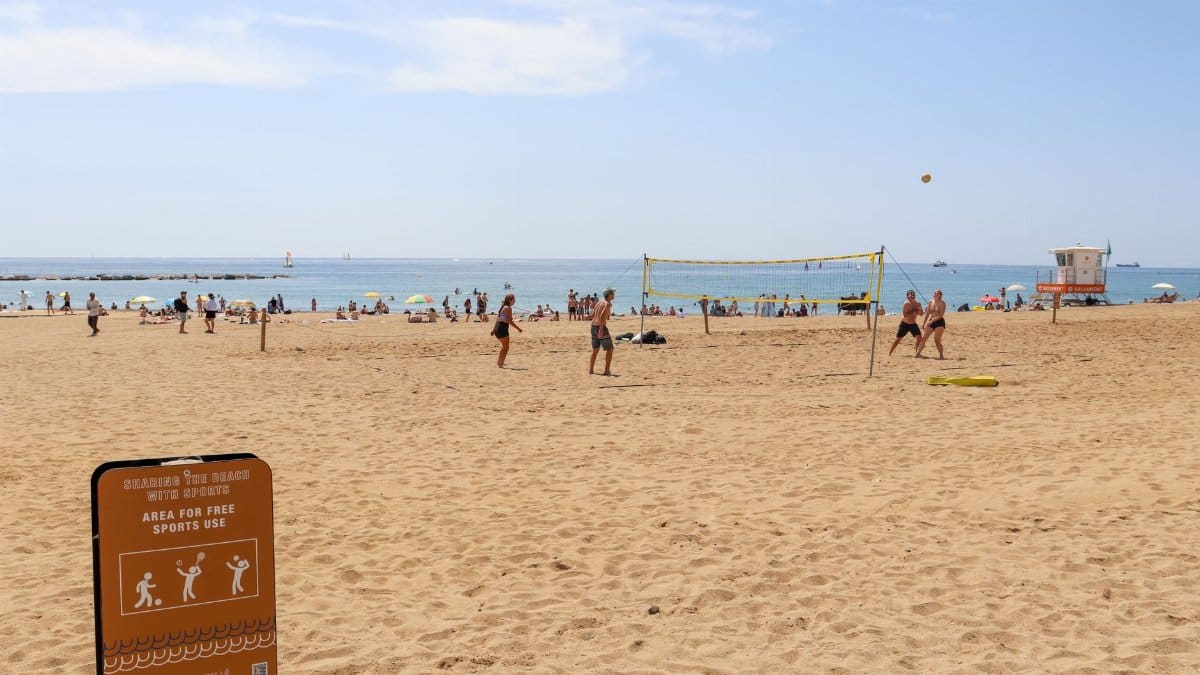
The requests are modest and easy to resent if you think of the beach as an open living room. Stay outside the fence. Keep dogs leashed and away from the line. Skip the bright lights and the drone flights after dusk. Do not dig nearby for the pleasure of seeing whether the story is real. Eggs do not need witnesses. They need stable sand, limited vibration, and darkness that does not mimic a false moon and pull hatchlings inland.
Residents who have watched other protected patches learn a useful habit: the most helpful visitor is briefly curious and then gone. A crowd at the rope teaches nothing the biologists do not already know, and it raises the chance that someone steps over. Huntington sea turtle nests will draw that crowd. The test is whether fascination can stay on the lawful side of a thin barrier.
Sand temperature and a calendar no one can rush
Incubation is a waiting room with no reliable public countdown. Depending on species and conditions, sea turtle eggs often take roughly six to eight weeks, sometimes longer when sand runs cool. Cooler sand can slow development or stop it. Hot, dry sand can cook a clutch. Southern California in early autumn can swing between both risks, especially if a heat spell arrives or a storm pushes seawater higher than the nest was built to withstand.
Biologists watching these sites will care about moisture, overwash, and whether the nest was laid above the reach of ordinary tides. They will not dig for sport. Opening a nest early to satisfy curiosity can kill embryos that still had time. If a hatch comes, it may be partial, nocturnal, and easy to miss. If it does not come, that outcome will also be data, not a moral verdict on the beach or the turtle.
A warmer Pacific and an unsettled range
It is tempting to fold this nesting straight into a climate headline, and the temptation should be handled carefully. Marine heat waves and long warm anomalies have pushed tropical species into California waters before, from pelagic red crabs to unexpected fish. Sea turtles already use the California Current as foraging habitat in some years. A single confirmed nesting, or even two clutches from what may be one female or two, does not prove a permanent northward colony.
It does justify attention. Range edges move in uneven steps: a visitor, a failed try, a success, a silence, then another try. Scientists will want tissue or genetic clues if they can collect them without harm, notes on sand temperature, and a clear chain of custody for the sighting itself. Until more nests appear in later years, the honest sentence is narrower. Something that had not been documented here has now been documented. Whether it repeats is unknown.
Memory, rumor, and the value of a clean record

Coastal towns accumulate stories. Someone always remembers a turtle, or a grandfather who swore he saw one come ashore near the pier. Those memories can be true and still fail as evidence. A glimpse in the water is not a nest. A shell fragment is not a clutch. What distinguishes this September is the sequence: tracks, mounds, agency confirmation, and protection left in place. That sequence is what later researchers can cite without shrugging.
Journalists have a matching duty. The first known instance should not swell, in retelling, into a claim that olive ridleys have colonized Orange County. They have not. Two fenced clutches are a beginning of a file, not a population. Precision is a form of respect for the animal and for readers who will repeat what they hear at the dinner table.
Lights, noise, and the inland mistake

If hatchlings emerge, the next danger is orientation. Newly hatched turtles aim for the brightest horizon, which on a natural beach is the moon and stars over open water. A parking lot, a pier lamp, or a phone screen held at the fence can tilt that compass. Disoriented hatchlings crawl toward streets, where tires, drains, and exhaustion finish what the nest survived. Cities that host even one nest inherit a lighting problem they did not plan for.
Seal Beach and Huntington Beach already debate illumination for safety, commerce, and night events. A nest does not settle that debate, but it adds a biological constraint for a few critical nights. Shielding lights, aiming them down, and accepting a darker pocket of sand near the fence would cost little compared with the loss of a first hatch. Huntington sea turtle nests, if they produce young at all, will test whether a bright recreational shore can go dim on purpose.
What scientists will watch without promising a hatch
The useful work now is dull in the best sense. Patrols will check the fence. Biologists will note tides and weather. Staff will correct rumors before they harden into instructions that send people onto the sand with buckets. No one reputable will offer a hatch date as if it were a concert listing. Anyone selling a tour to the rope line is selling access the turtles did not grant.
Success, if it comes, may look like a brief scatter of tiny tracks toward the wash, then empty water. Failure may look like nothing at all, followed months later by a nest excavation that counts unhatched eggs and tries to learn why. Both endings belong in the record. The mistake would be to treat silence as embarrassment or a hatch as proof that the West Coast has become a nursery.
Awe without ownership

There is a spiritual register to a first nesting, if the word means attention rather than doctrine. People stand at a fence and feel the beach become older than their weekend plans. That feeling is real, and it is not a license. The turtle did not arrive to bless a town or to illustrate a sermon. She arrived, if the tracks are read rightly, to lay eggs and leave. The human role is narrower than wonder suggests: keep the sand intact, keep the lights honest, and let the clutch fail or succeed without an audience demanding a moral.
Middle aged readers who have walked this shore for thirty years may feel a private jolt. The map they trusted has a new mark. Maps change. The mature response is not panic and not triumph. It is stewardship sized to the evidence in front of us, which is still only two protected patches of sand and a species stepping, once, outside its familiar page.
The weeks ahead on a familiar shore
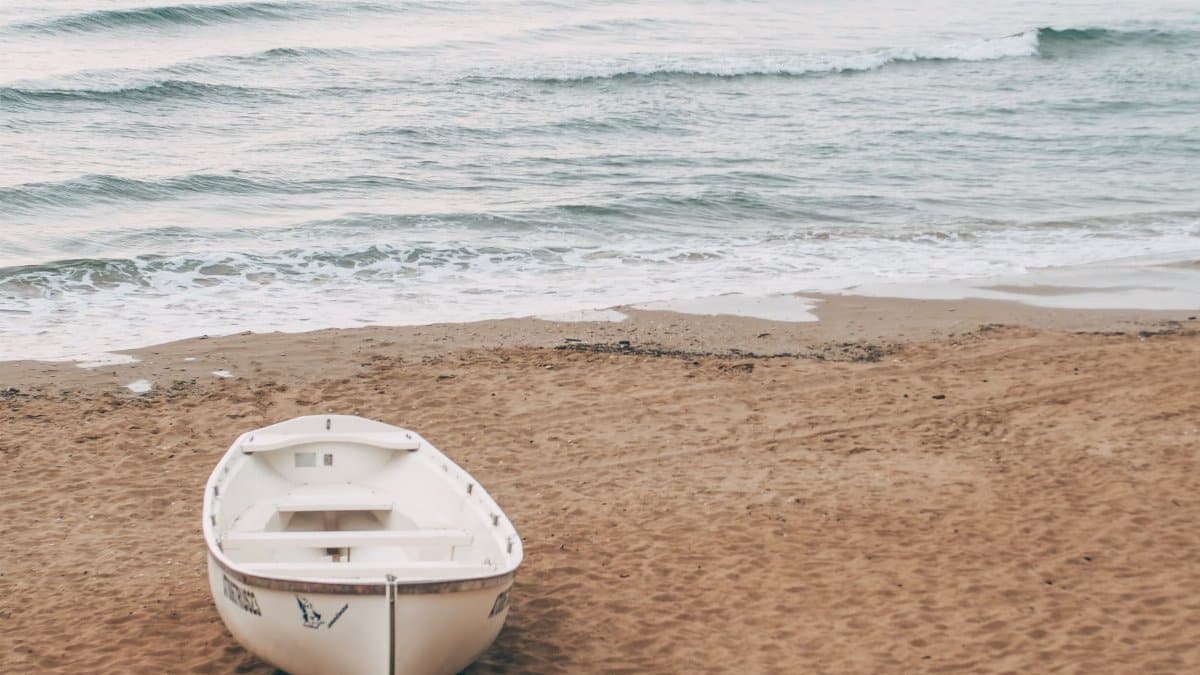
September will slide toward cooler nights. Surf forecasts will matter as much as curiosity. A high tide stack during a south swell could wet the berm. A quiet stretch of weather could give the eggs their best chance. Officials will update the public if the fence moves or if a hatch is confirmed. Until then, the responsible picture is the one already set: two olive ridley clutches, federal and local crews in agreement, and a request that feels almost old fashioned in its simplicity.
Huntington sea turtle nests now exist in the record of this coast. They may remain a singular chapter, or they may be the first line of a longer one. Readers do not need to choose a prophecy. They need to leave the mounds alone, teach children the same restraint, and accept that some natural history happens best when almost no one is watching. The ocean has delivered a fact. The beach, for a while, has to be wise enough to hold it.