
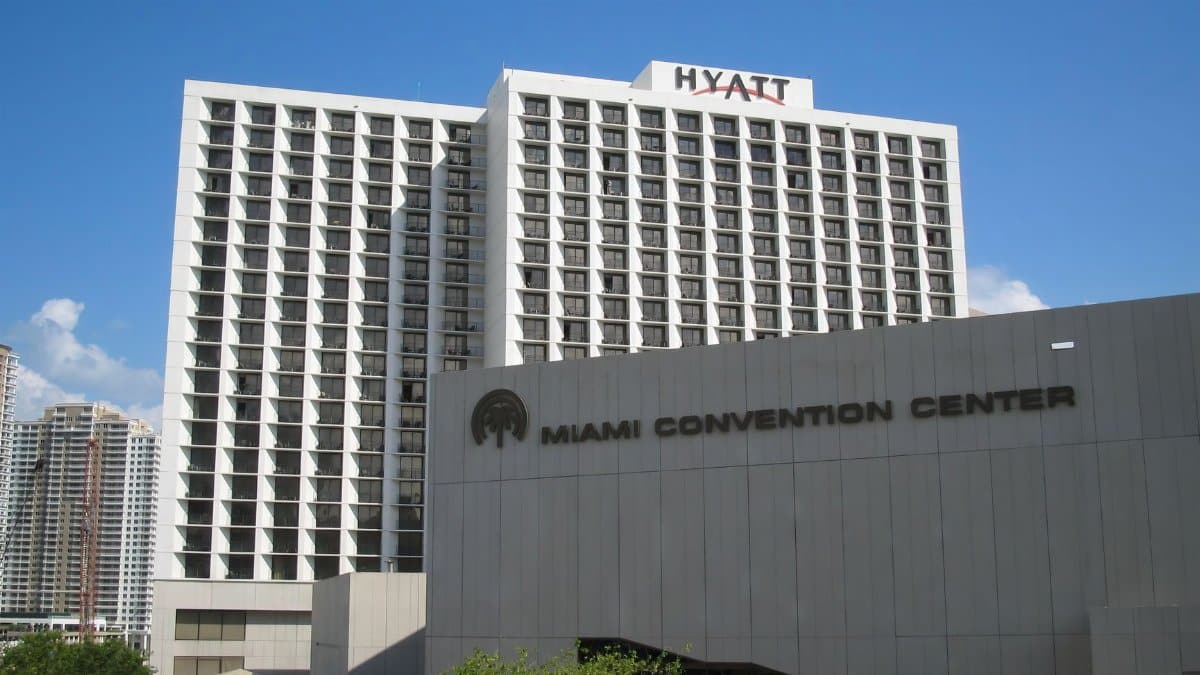
Across Florida communities have voiced growing concerns over the rapid expansion of large scale computing facilities that demand vast amounts of power and water. Yet projects in the Miami area stand apart due to their placement within established urban zones already equipped with robust utility networks and transportation links. Local officials have emphasized how these developments align with broader city goals for technology growth while addressing environmental reviews more stringently than rural sites elsewhere in the state. Miami data centers thus reflect a blend of economic ambition and careful zoning that sets them apart from opposition seen in other regions.
Urban Placement Shapes Project Scale
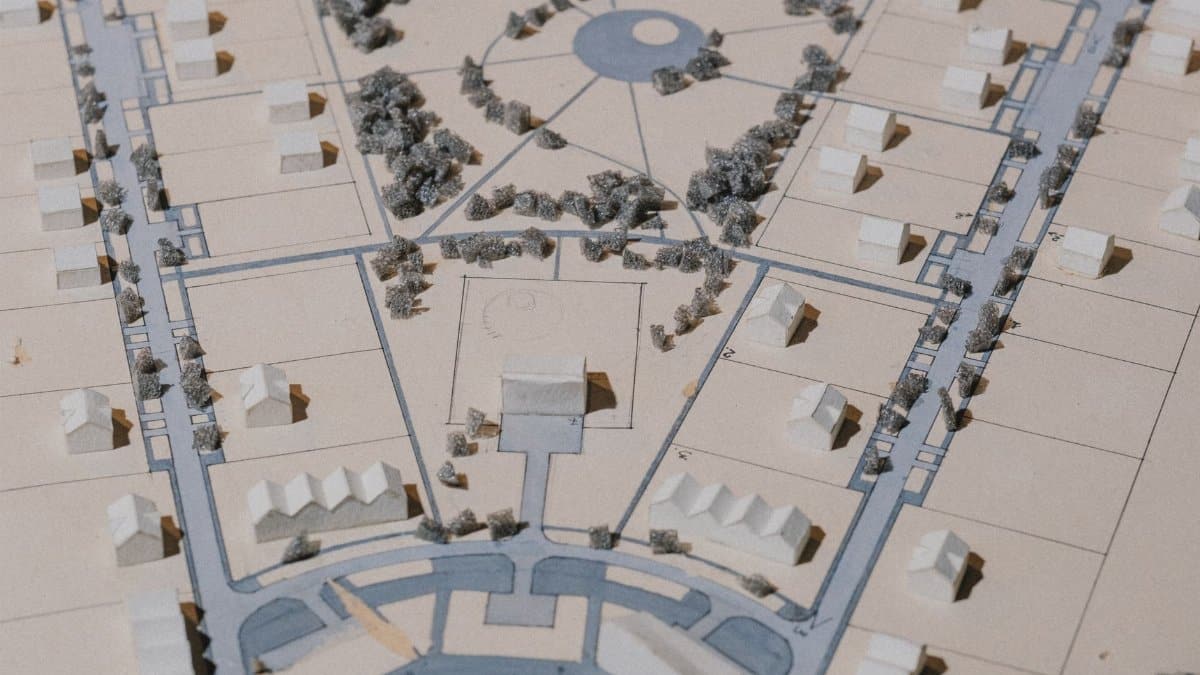
Developers in Miami have focused on sites near existing power substations which reduces the need for new transmission lines across sensitive lands. This approach limits disruption to neighborhoods compared with proposals that require clearing undeveloped tracts farther north.
Regulatory Reviews Proceed with Added Scrutiny

City and county boards have required detailed studies on energy use and cooling systems before granting approvals. Such steps have slowed timelines but also built greater public confidence that impacts will stay manageable within dense surroundings.
Economic Ties to Port and Trade Networks

Facilities benefit from proximity to shipping routes that support quick delivery of specialized equipment from international suppliers. This connection strengthens the case for locating operations in Miami rather than inland areas with fewer logistics advantages.
Power Demands Met Through Existing Grids
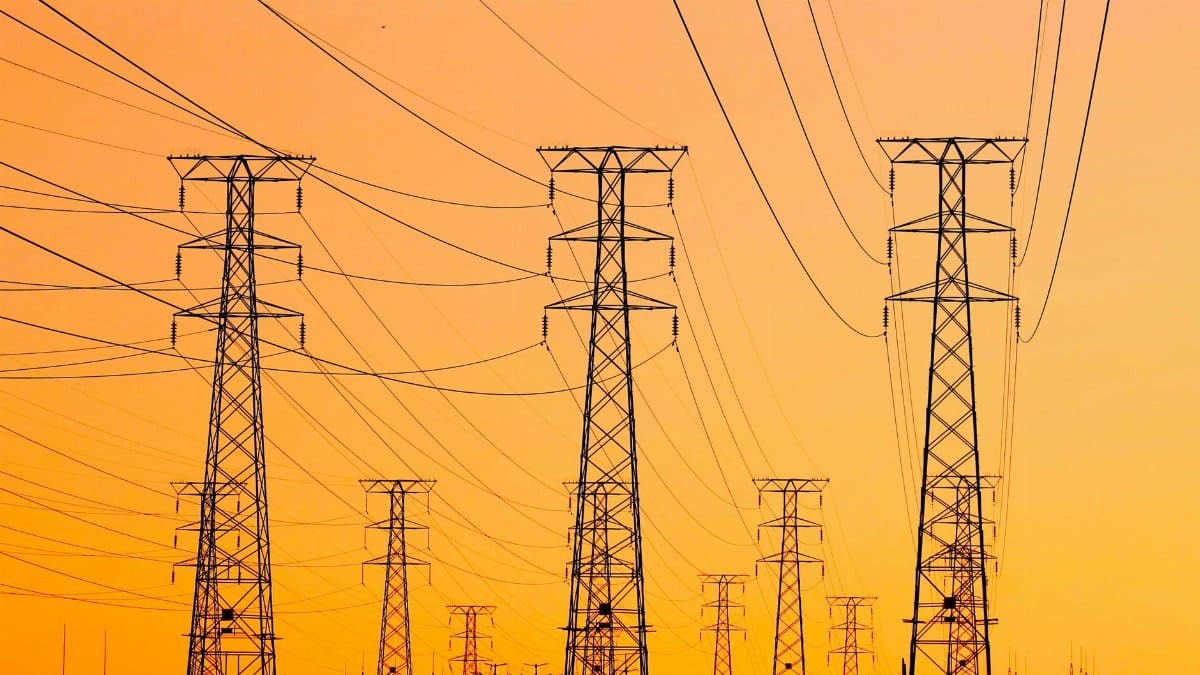
Unlike remote locations Miami benefits from multiple utility providers that already serve high density commercial zones. Officials note this setup allows incremental upgrades instead of massive new plants that often spark rural protests.
Employment Patterns Favor Local Hiring

Construction and ongoing maintenance roles draw from a diverse workforce already present in the metro area. Training programs tied to nearby colleges further support the transition for residents seeking roles in technology support fields.
Environmental Measures Address Water Concerns

Projects incorporate advanced cooling designs that recycle water more efficiently than older models used in other parts of the state. Monitoring plans submitted to regulators include regular reporting on consumption levels to reassure nearby residents.
Community Meetings Influence Final Designs
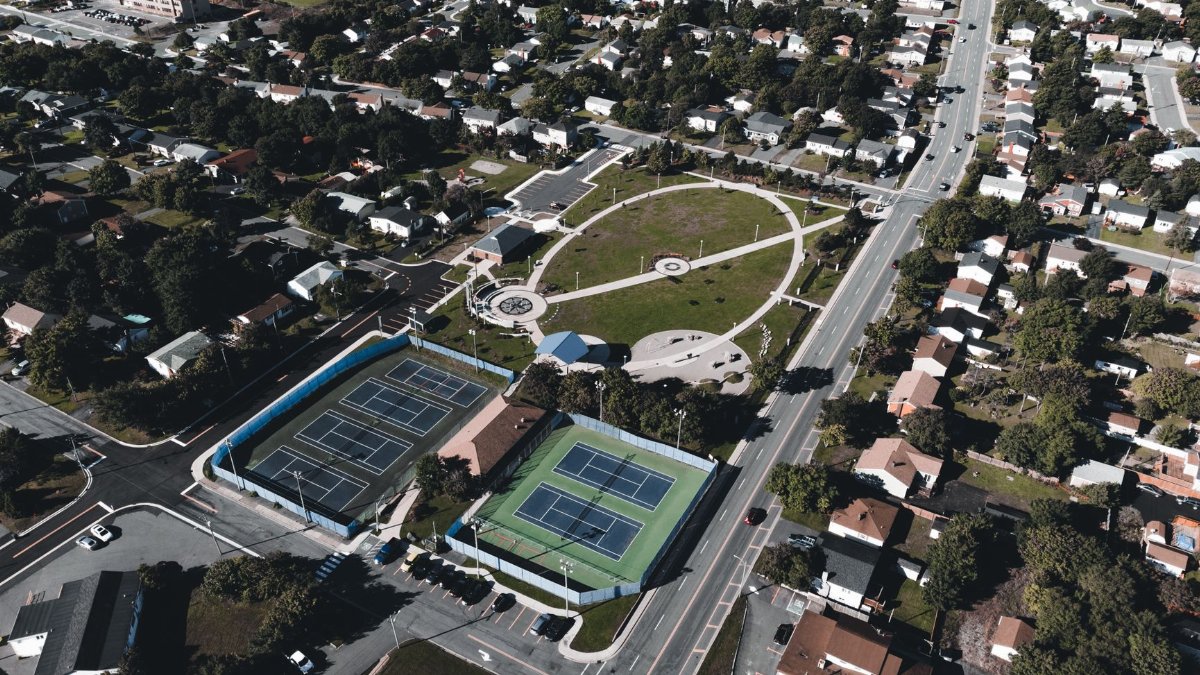
Public sessions have led to adjustments such as added green buffers and noise reduction features around building perimeters. These changes respond directly to feedback from homeowners concerned about everyday quality of life near the sites.
Future Growth Tied to Broader Tech Expansion
As more companies explore digital operations in South Florida the Miami area positions itself as a hub that balances innovation with practical limits set by local geography and policy. This measured path may offer lessons for other coastal cities facing similar pressures.