
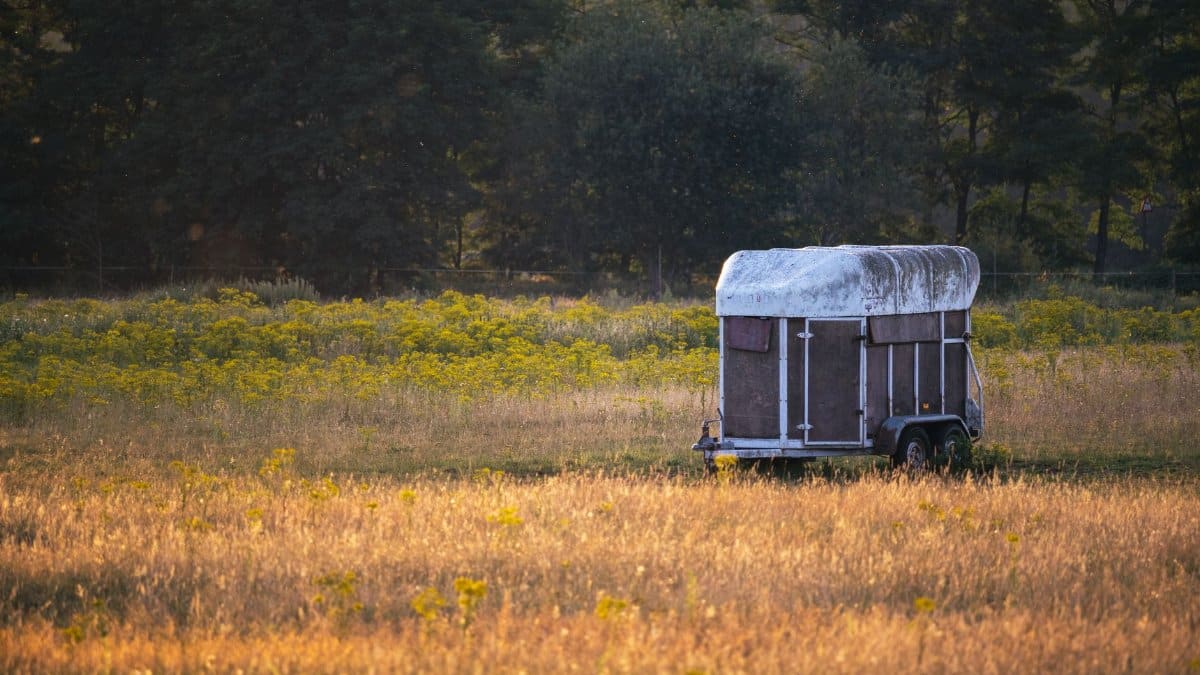
On a warm evening in a county seat far from the glass towers of Austin, a candidate can still win a room by remembering where the floor used to creak. That is the bet Ken Paxton is making as he talks about a childhood spent in a trailer, a story meant to sound like kinship rather than costume. The phrase Ken Paxton rural voters has become a kind of shorthand in this Senate fight, a measure of whether modest roots can outweigh years of headlines, lawsuits, and a rival’s inventory of watches and property. Biography is doing political work here, and rural Texans are being asked to decide whether the work is honest.
A trailer in the campaign story
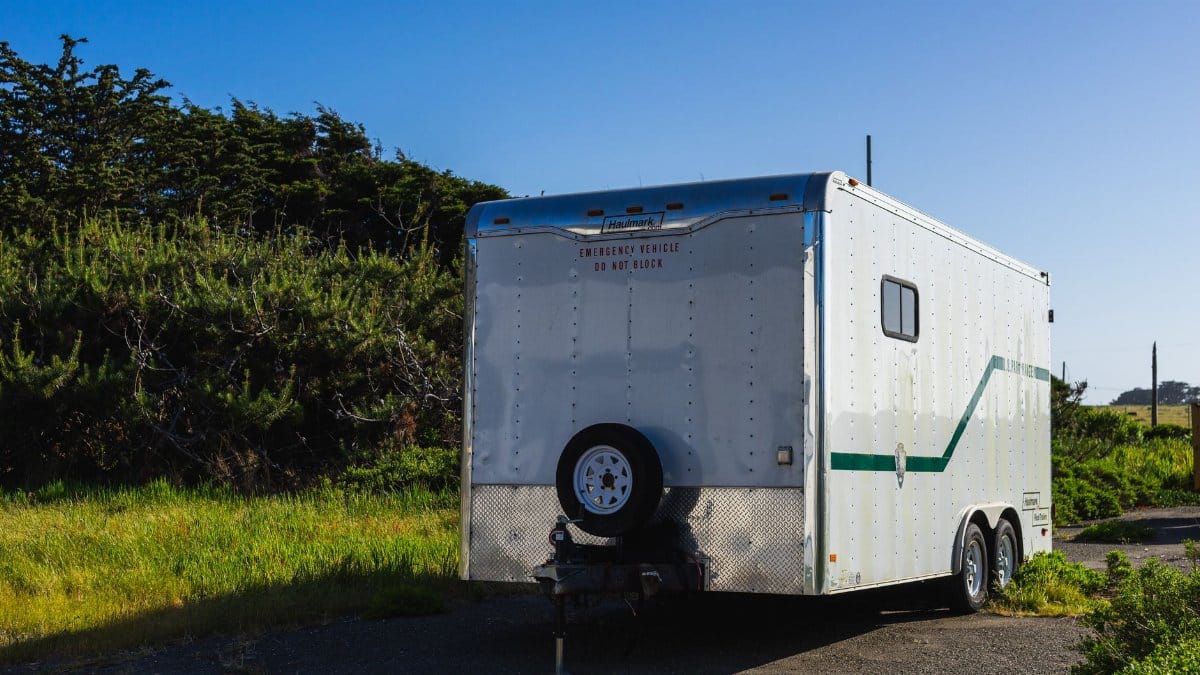
Paxton, the state attorney general, has leaned on a memory of scarce means. The trailer is not offered as folklore for its own sake. It is a counterweight. In a party primary that will be settled as much in feed stores and church parking lots as in donor salons, a candidate wants voters to hear an accent of struggle. The pitch is simple. He came from little. He understands people who still live close to the ground. He will not forget them in Washington.
Campaigns have used this move for generations. A hard beginning can make later success feel earned. It can also flatten complication. Listeners who grew up in manufactured housing, or who still do, know the difference between a memory and a life. They will test the story against what they have seen of the man since he held power.
Why the countryside still decides tone
Texas is not a rural state in the old census sense. Most people live in metros. Yet Republican primaries still bend toward counties where population is thin and party identity is thick. Those places supply volunteers, radio call ins, and the moral vocabulary of the conservative coalition. A candidate who looks soft there can look unfinished everywhere else.
Published political reporting has described lagging rural sentiment around Paxton even as he remains a known name. Exact margins shift with the pollster and the week. The direction of the worry is what campaigns talk about in private. If the base that should be easiest is hesitant, the biography has not yet closed the sale.
What modest roots are supposed to prove

A trailer story is an argument about character. It says the candidate remembers rent, repair, and the embarrassment of being seen as lesser. In rural Texas that argument lands only if it matches conduct. People who fix their own fences notice when a public figure treats loyalty as a transaction. They also notice when an opponent seems to sneer at ordinary taste.
The risk is overuse. Repeat a hardship too often and it starts to sound like a script. Rural audiences are practiced at spotting scripts. They have heard them from both parties, often from candidates whose boots were clean. Paxton’s version will be judged less by eloquence than by whether neighbors believe he still shares their constraints in any real way.
Watches, land, and the other portrait
James Talarico, the Democratic state representative who has made Paxton’s lifestyle part of his own case, offers a rival portrait. He points to expensive watches and to property gains, details meant to suggest distance from the trailer rather than continuity with it. The contrast is theatrical, and it is meant to be. One man narrates scarcity. Another inventories abundance.
Voters do not need a sermon on luxury to understand the jab. A watch can be a gift, an investment, or a vanity. Land can be inheritance, speculation, or a working place. The political use of these objects is simpler than the accounting. They are symbols of arrival. Arrival is not a sin in a state that admires enterprise. It becomes a problem when the same candidate asks to be seen as unchanged by it.
The primary is a rural conversation first

Before any general election map is drawn, Republicans must choose. John Cornyn, the incumbent senator, carries a long record and the scars of intraparty combat. Paxton carries name recognition from culture war cases and from his own legal ordeals, including an impeachment in which the Texas Senate acquitted him. Rural Republicans have been part of his durability. They have also been part of the doubt.
That doubt is not only about ideology. On many cultural questions Paxton and his critics inside the party are not far apart. The argument is about judgment, steadiness, and whether a statewide official under constant controversy can become a senator who delivers rather than performs. County leaders say this quietly. They do not always say it on a rally stage.
Scandal as a rural memory, not a city headline

Urban news consumers meet Paxton through investigations, settlements, and procedural twists. Rural memory works differently. A controversy arrives through a preacher’s aside, a coffee shop argument, or a cousin who works at the courthouse. It sticks if it confirms a prior hunch about whether power has been used cleanly.
Supporters answer that the cases were political, that rivals never accepted his elections, and that survival itself is proof of grit. Skeptics answer that grit is not the same as trust. Both answers can live in the same precinct. That is why a trailer anecdote cannot retire the file. It can only ask listeners to weigh the file against an origin.
Ken Paxton rural voters and the trust test
Strategists sometimes speak of Ken Paxton rural voters as a bloc to be messaged. People in those counties rarely experience themselves that way. They experience a choice. Does this man tell the truth about who he is? Does his office feel like protection or like a personal instrument? Will he remember a farm bill, a hospital closure, a border county’s strained budget, once the cameras leave?
The trust test is local and cumulative. A single ad about childhood housing will not reset it. Repeated presence might. So might a record that matches the sermon. Absence will be read as contempt, even if the absence is only a scheduling choice made in Austin.
Faith communities as civic rooms
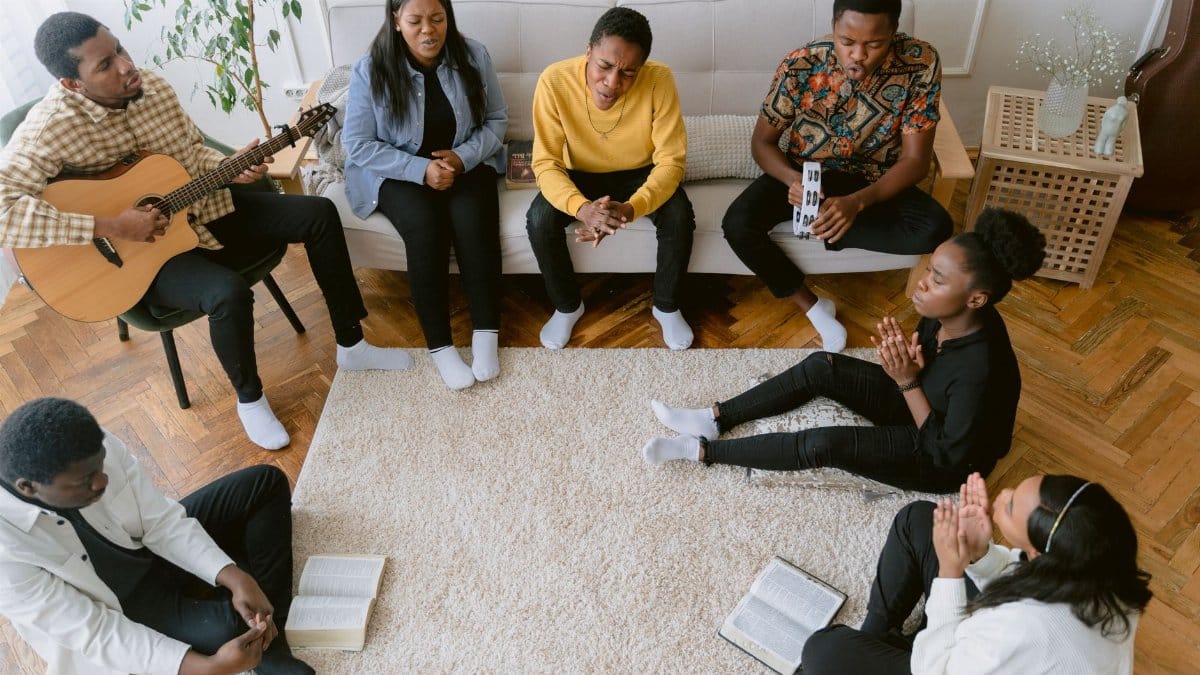
In much of rural Texas the church is still where civic life has a roof. That is not the same as a political endorsement, and congregations are more varied than stereotypes allow. Still, campaigners know that Sunday gathers people whom weekday media do not. A candidate who speaks of humility will be heard by people who have actual doctrines of humility. They can tell when the word is borrowed.
Paxton’s coalition has long included conservative Christians who see his legal fights as defense of their institutions. Talarico, a former teacher who often speaks in a moral register of his own, is trying to argue that faith and scrutiny belong together. The countryside will not settle that theology at a rally. It will notice which man seems to regard ordinary congregants as an audience rather than as neighbors.
Property, class, and the Texas myth
Texas likes a story in which hard work becomes land. The myth is older than either candidate. It also hides uneven starts. A childhood in a trailer can be true and still sit beside a later portfolio that most listeners will never touch. The question is not whether success is allowed. The question is whether the telling respects the listener’s intelligence.
When critics highlight property gains, they are inviting a class reading of a Republican primary, which is an unstable genre. Many rural conservatives dislike elite manners and also dislike redistribution talk. They can resent a wealthy official without wanting a lecture from a Democrat about watches. Talarico’s line works only if it sounds like exposure rather than envy. Paxton’s line works only if it does not ask people to ignore what their eyes can see.
How a lag shows up before Election Day
A rural lag rarely announces itself as a single number. It shows up as a cooler crowd, a sheriff who stays neutral, a donor who gives less than last cycle, a radio host who takes the second call instead of the first. Campaigns feel this before journalists chart it. They respond with more county stops, more talk of origins, more warnings about the other side.
If the lag is real, it does not mean Paxton is finished. He has won statewide races while carrying baggage that consultants called disqualifying. It does mean the trailer cannot be a substitute for organizing. Rural voters reward candidates who ask for their vote in person and who do not treat the request as a favor.
What opponents hope the image will do
Democrats want the contrast to travel beyond the primary. If Paxton is the nominee, a general election opponent will try to make abundance look like hypocrisy and controversy look like risk. If he is not the nominee, the same images may still shape how some Republicans talk about their own standard bearer. Either way, the portrait is sticky because it is visual. A trailer and a watch do not require a white paper.
Republicans who prefer Cornyn hope the rural hesitation hardens into a preference for familiarity. They argue that a senator’s job is duration, committee work, and the unglamorous defense of state interests. They do not need voters to dislike Paxton’s childhood. They need voters to decide that childhood is not a platform.
The limits of biography as strategy

Origin stories persuade when they explain a choice the candidate keeps making. They fail when they decorate a choice the candidate will not explain. Rural Texans have long memories for both. They remember who showed up after a storm. They remember who used their town as a backdrop. They are not impressed by a drive by empathy that cannot name the price of diesel or the miles to the nearest labor ward.
Paxton can talk about the trailer without pretending the years since were simple. Honesty about complication may do more for him than another retelling. Listeners already know that public life changes a person. They are asking whether it changed him into someone who still sees them.
A contest heard at the speed of a county

Statewide narrative moves fast. County judgment moves at the speed of conversation. That is the pace at which Ken Paxton rural voters, if the phrase must be used at all, will actually decide. They will compare a remembered hardship with a visible fortune. They will compare acquittal with unease. They will compare a Democrat’s moral inventory with their own distrust of his party. None of those comparisons is automatic.
The Senate race will be analyzed in cities, with models and money. Its tone is being set where the models are thinnest. A childhood trailer can open a door. It cannot walk through the door alone. The people on the other side of it have heard plenty of doors open. They are waiting to see who stays in the room after the story ends.