
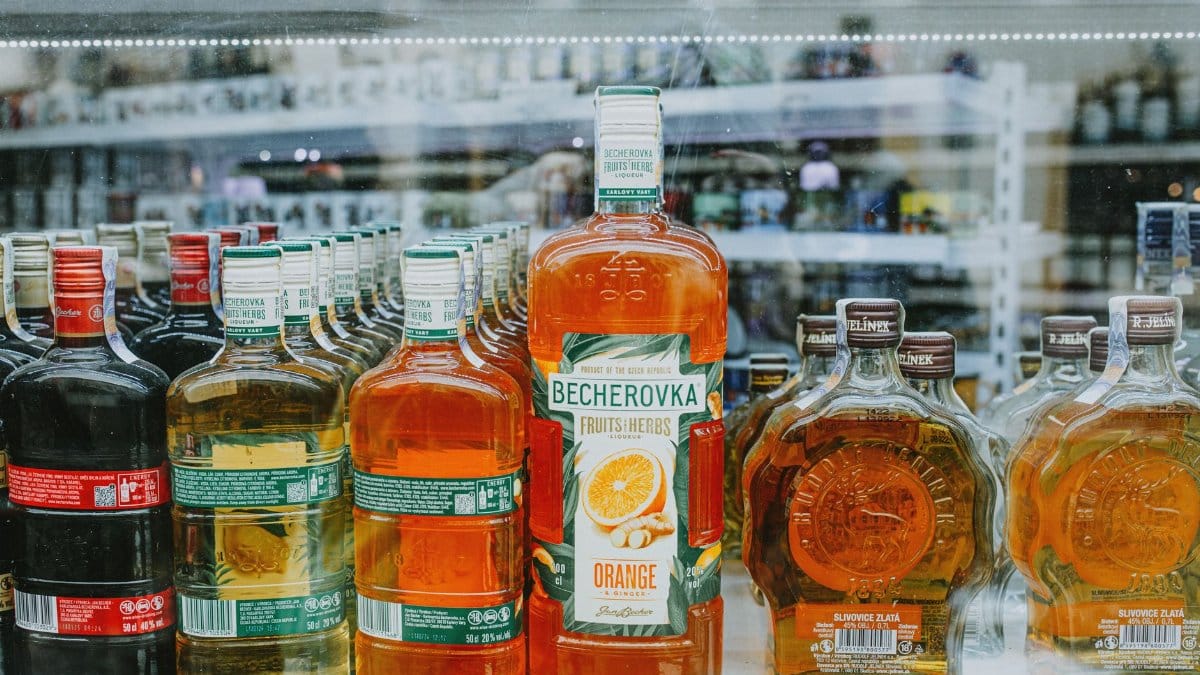
On a stretch of Harvard Avenue where students, longtime residents, and weekend shoppers still share the same sidewalks, the news landed with the weight of a neighborhood landmark rather than a routine retail notice. Blanchards Allston closing is now a date on the calendar, not a rumor passed between cashiers and regulars. The 8,000 square foot liquor store, an Allston fixture whose aisles have doubled as a map of birthdays, cookouts, and quiet weeknight errands, plans to shut by mid to late October 2026. For a city that treats its corner businesses as unofficial civic furniture, the loss is both commercial and personal.
What the public record actually says

The essential facts come from reporting in The Boston Globe, which described the Allston location as an 8,000 square foot landmark preparing to close in that October window. That is a narrow set of details, and it is worth keeping them narrow. A closing date is not the same thing as a full explanation of rent, ownership strategy, staffing, or what will occupy the footprint next. Readers who want the originating account should start with that Globe story rather than with secondhand summaries that add color the record does not yet support.
Still, the scale alone tells part of the story. Eight thousand square feet is not a bodega cooler and a few shelves of wine. It is a destination format: wide aisles, a broad selection, parking logic or transit logic that pulls people from beyond the immediate block. When a store of that size leaves Harvard Avenue, the absence will be visible from the street, not only from a balance sheet.
Allston has always mixed permanence with turnover
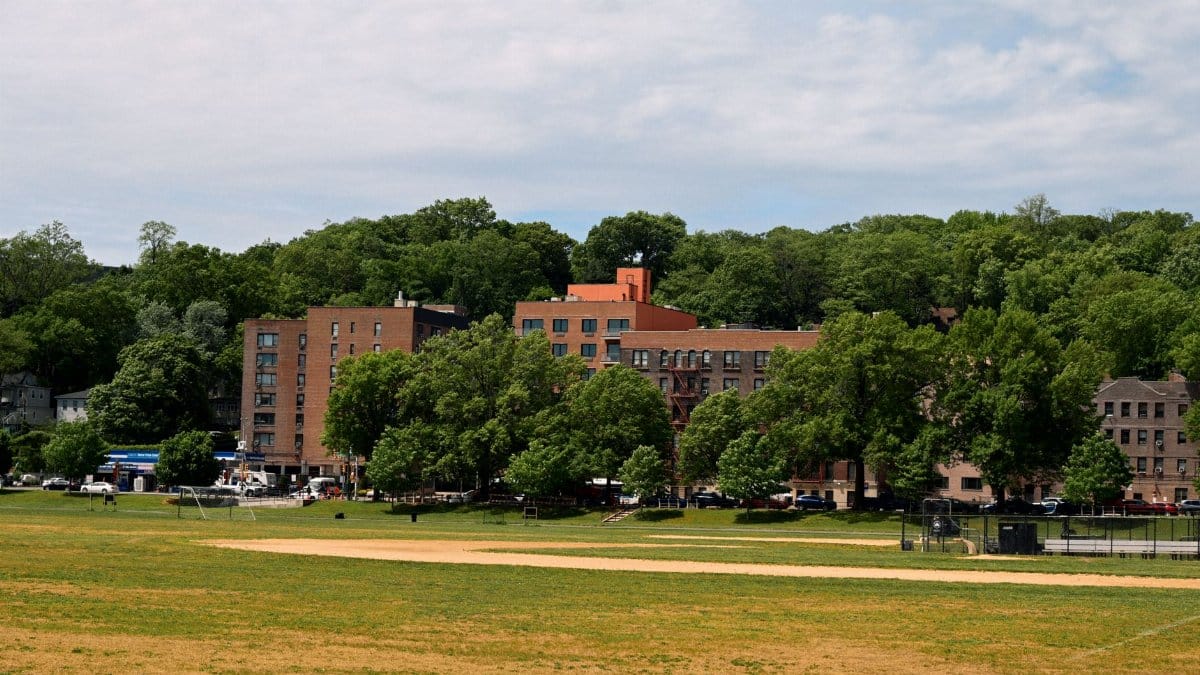
Allston is a neighborhood built on motion. Apartments turn over with the academic calendar. Restaurants open, rename, and vanish. Music venues and late night kitchens have trained generations of Bostonians to expect change as the local weather. Against that churn, a large liquor store can feel oddly stable. It is open when classes are in session and when they are not. It serves the student buying a six pack and the homeowner restocking for a holiday table.
That mix is why a closing here registers differently than a similar notice in a suburban plaza. Harvard Avenue is not an anonymous retail corridor. It is a spine. People measure walks by it. They meet friends near it. They argue about development while standing on it. A store that has occupied a large piece of that spine becomes part of how people narrate the place, even if they never thought of themselves as loyal customers.
A bottle shop as weekly ritual
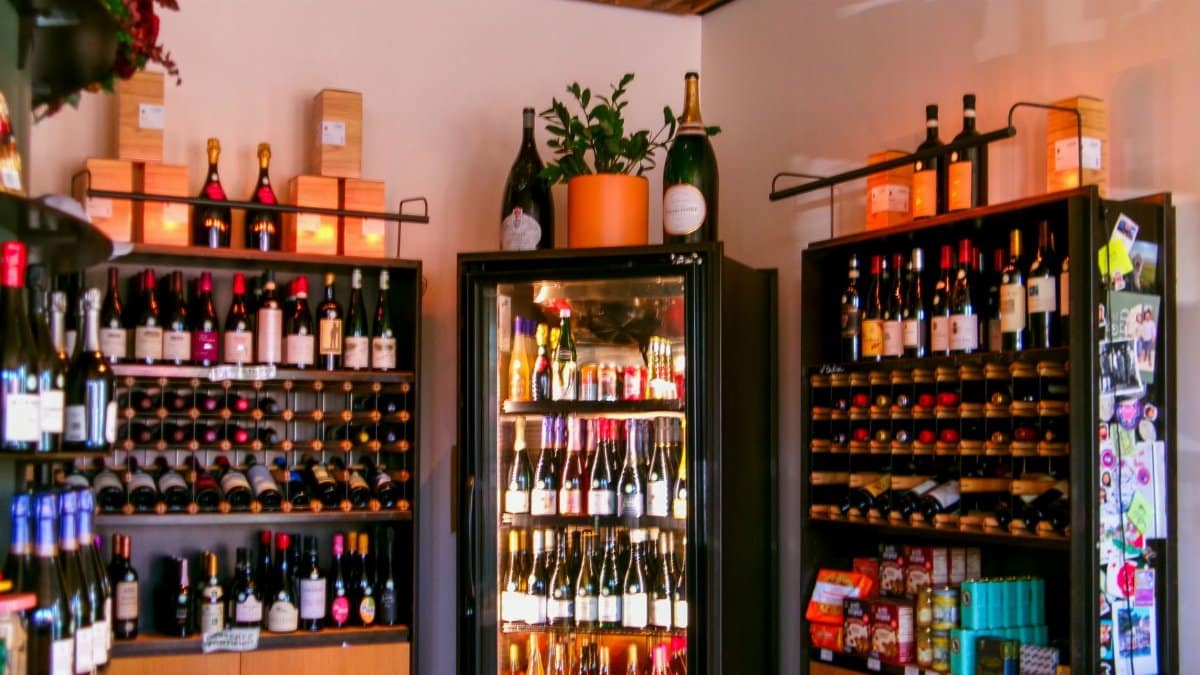
There is a reason a business story can sit, however awkwardly, beside conversations about meaning. Not because selling alcohol is a sacrament, but because repetition creates attachment. The same clerk. The same endcap. The same decision between a familiar label and something new. For some households the trip is purely practical. For others it is one of the few errands that still happens in person, among neighbors, rather than through a delivery app.
When that loop breaks, people do not only lose inventory. They lose a small theater of ordinary life. Journalists sometimes overstate this, turning every shuttered shop into a eulogy. The more honest version is smaller. A closing removes one reliable stage on which strangers briefly share a line, a recommendation, a complaint about the weather. Cities are made of those stages as much as of zoning maps.
The economics behind a large format exit

Large liquor stores live on volume, location, and the cost of holding inventory. Selection is expensive. So is square footage in a neighborhood that developers and landlords have watched closely for years. Allston and Brighton have absorbed waves of new housing, rising commercial rents, and debates over who the street is for. A retailer can be busy and still decide that the building, the lease, or the broader company map no longer fits.
None of that requires inventing a single cause for this particular exit. Retail closings are often overdetermined: lease timelines, competition from other chains and supermarkets, shifts in how people buy wine and spirits, the cost of labor, the cost of insurance, the simple fact that a family or corporate owner wants a different use for capital. The public, at the moment of announcement, usually learns the outcome before it learns the full arithmetic.
What shoppers are likely to feel first

The first practical effect will be rerouting. People who treated this address as the default will compare smaller shops, supermarket aisles, and other Blanchards locations if they remain convenient. Some will notice the difference in selection immediately. Others will notice it only when a specific bottle, a particular beer, or a staff suggestion is no longer there.
Price sensitive buyers may find substitutes. Collectors and home cooks who relied on depth of stock may not. A big store functions as a library as well as a checkout. Losing the library does not erase the category of goods. It changes how far someone must go, how much time the errand takes, and whether the trip still feels worth making on foot.
Workers sit at the center of any closing

Customers experience a closing as inconvenience and nostalgia. Employees experience it as income, schedule, and identity. Any serious account of Blanchards Allston closing has to hold that distinction. A landmark can be mourned in a group chat while the people who stocked it are still asking where the next shift will be.
Public reporting has not, in the facts available here, laid out a full staffing plan, severance terms, or transfer options. Those details matter more than sentimental copy about the old neighborhood. Until they are on the record, the fair stance is restraint: name the human stake, and do not pretend to know how each worker will land.
Harvard Avenue after the lights go down
Street level retail is a chain of adjacencies. A liquor store pulls evening foot traffic that can spill into restaurants, convenience shops, and transit stops. Remove one large generator of trips and the neighboring businesses feel a draft, even if none of them depended on it exclusively. Landlords then face a familiar question: refill the box quickly with another high volume tenant, or hold out for a use that looks better on a brochure.
Vacancies have their own politics in Allston. Residents have watched storefronts sit dark while proposals for housing and commercial reuse move through city process. An 8,000 square foot hole is hard to ignore. It will invite speculation, some of it informed and some of it fantasy, about what should replace a business that many people simply wanted to keep.
Memory is not the same as a business plan

Neighborhood memory is selective. People remember the helpful recommendation and forget the crowded Saturday. They remember a first legal purchase or a last minute gift and forget the prices they grumbled about. That sentiment is real, and it is also an unreliable guide to whether a store could have stayed open on the terms the operator required.
The mature response is to let both truths stand. A place can have mattered and still close. A company can make a rational decision that feels, on the sidewalk, like a subtraction from daily life. Pretending the market will honor affection is a kind of consolation that does not pay rent. Pretending affection is foolish is a kind of hardness that misses why cities feel like home.
How to read the weeks before the doors shut
Between now and mid to late October 2026, the store, if it follows the pattern of other announced retail exits, may look ordinary until it suddenly does not. Inventory thins. Hours can change. Regulars start saying goodbye in the practical way, by asking what is left and where else to go. The Globe report is the anchor for the timing. Anything beyond that timing should be treated as provisional until the company or further reporting confirms it.
For readers tracking Blanchards Allston closing as a local business story, the useful questions are concrete. What is the last day of public operation? What happens to employees? Who controls the property after the retailer leaves? What uses does zoning actually allow? Those questions do more civic work than another round of vague mourning.
A closing in the wider Boston retail mood
Boston has spent several years watching familiar names contract, consolidate, or retreat from streets that once seemed permanently occupied. Some of that is pandemic aftermath. Some of it is the long rise in commercial costs. Some of it is simply the life cycle of brands that grew by planting large stores and are now pruning the map. Allston is not exempt from that mood, even when a particular shop still draws a crowd on Friday evening.
Liquor retail has its own crosscurrents: supermarket competition, state rules on licensing, and customers who will travel for price or stay home for convenience. A single closing does not prove a collapse of the category. It does illustrate how exposed even a well trafficked address can be when the numbers and the strategy diverge.
What this story is not

It is not a morality play about drinking. It is not proof that Allston is finished, or that every independent habit is doomed, or that a chain exit is automatically a victory for some other vision of the avenue. Those frames are tempting because they are simple. The avenue has never been simple. Students will still arrive. Longtime residents will still shop. New tenants will still test whether they can survive the rent and the rhythm of the block.
What the story is, for now, is a documented plan to close a large, familiar store on a known timeline. Holding to that is a form of respect for readers who have been burned by rumors dressed up as news.
The last ordinary Saturday

There will be a last ordinary Saturday before anyone calls it the last. Someone will buy wine for a dinner that is not a farewell. Someone else will grab beer on the way to a kitchen that has hosted the same friends for years. The transaction will feel unremarkable, which is exactly why it will be remembered later. Cities rarely announce the final version of a habit. They just stop offering it.
If Blanchards Allston closing holds to the schedule reported by The Boston Globe, Harvard Avenue will enter the colder months without one of its larger everyday destinations. The sidewalks will still be busy. The difference will be in the errand that no longer has an obvious door. That is a modest change by the standards of urban history, and a large one by the standards of the people who walked through that door without thinking twice.