

In the high desert stretches north of Los Angeles a quiet movement unfolds each evening as the sun dips behind distant mountains. People arrive in vans and campers seeking space away from crowded streets and strict regulations. Among these groups the Antelope Valley RVers have found a measure of freedom while remaining largely invisible to standard surveys that track those without permanent housing. Their presence raises questions about how communities measure need and deliver aid in remote areas where services are scarce and rules often clash with daily survival.
Desert Terrain Shapes Daily Choices
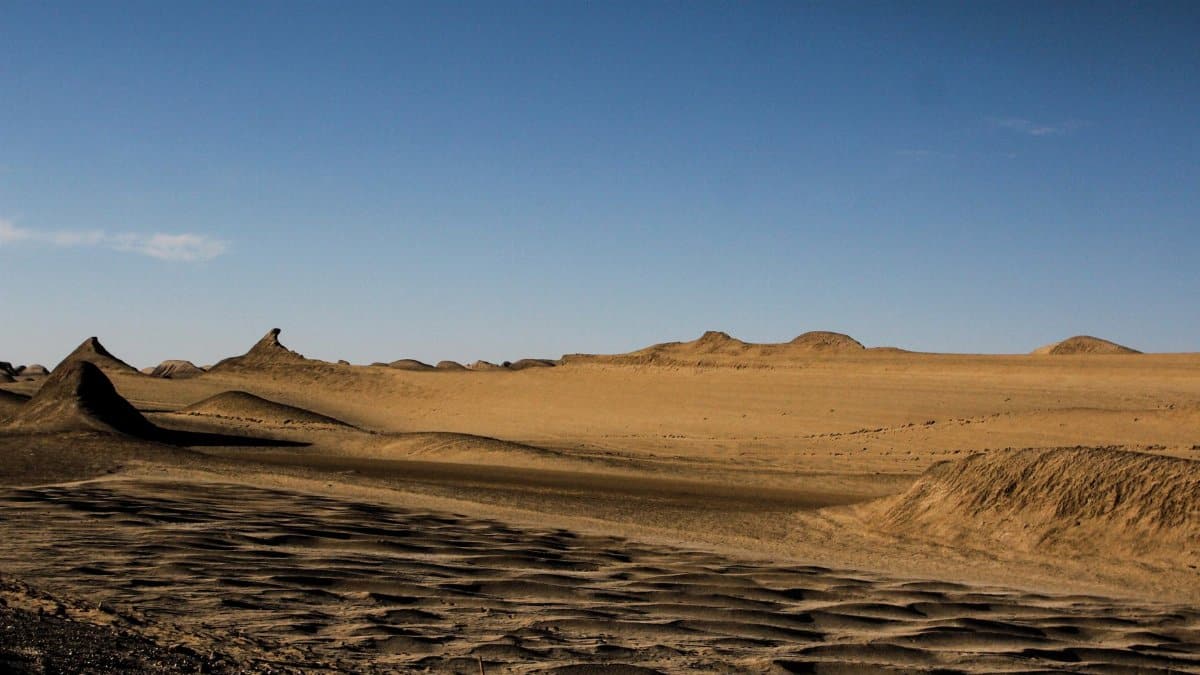
The Antelope Valley offers wide open land and fewer eyes than urban zones yet it also brings extreme temperatures and limited water access. Residents adapt by parking near dry washes or along dirt roads where county oversight stays minimal. This setting allows some independence but it also isolates individuals from medical care and steady employment options.
Vehicle Camps Avoid Standard Canvasses
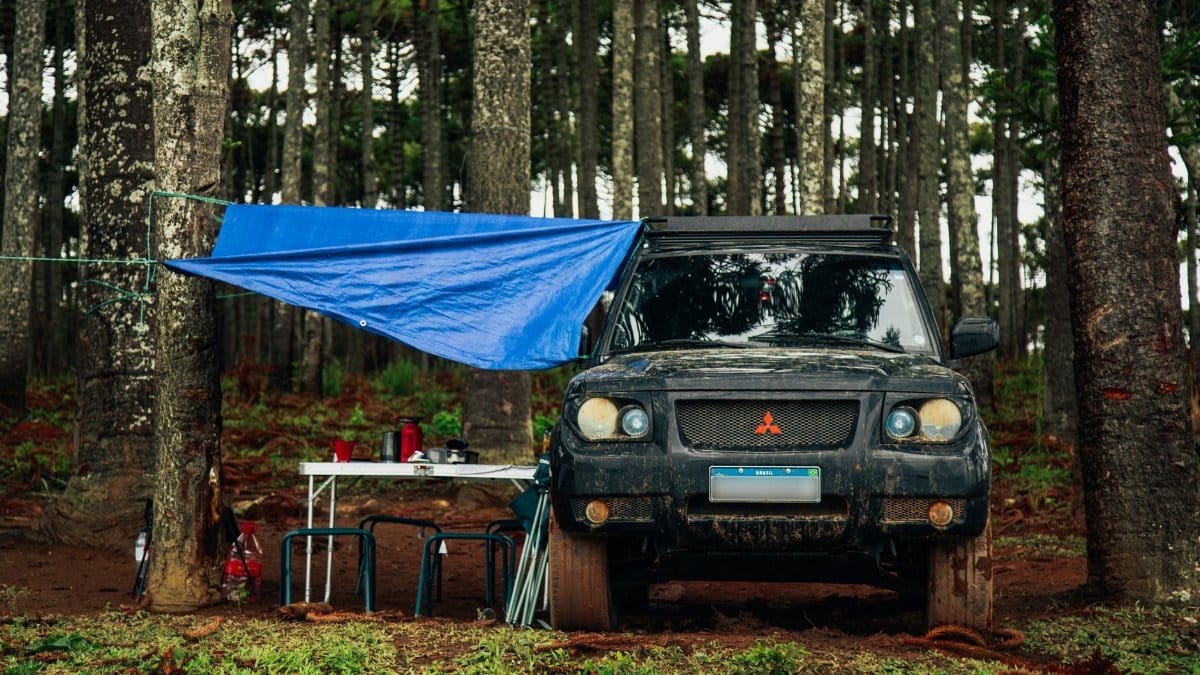
Official counts of people experiencing homelessness rely on teams that walk city blocks and shelter lists. In contrast Antelope Valley RVers often move between spots or stay on private land with permission from owners who look the other way. As a result their numbers rarely appear in annual reports that guide funding for housing programs across Los Angeles County.
Sanitation Needs Grow With Isolation

Without hookups for waste disposal many turn to portable toilets or dig temporary pits that can affect soil and groundwater over time. Local health officials note occasional complaints from nearby residents about odors or trash buildup yet enforcement remains spotty because the sites sit far from paved roads.
County Policies Leave Gaps in Coverage

Los Angeles County rules focus resources on dense neighborhoods where visible encampments draw media attention. Remote vehicle living falls into a gray area where deputies may issue warnings but lack capacity for regular patrols. This approach lets some continue their routines while others worry about sudden sweeps that force quick moves.
Personal Stories Reveal Mixed Motivations

One longtime resident described trading apartment rent for a solar powered van after job loss in the aerospace sector. Another spoke of preferring the quiet of the desert over shelter rules that separate families. These accounts show how economic pressures and personal preferences intersect in ways that official data overlook.
Environmental Pressures Mount Over Time
Repeated use of the same clearings can lead to erosion and damage to native plants. Wildlife experts point out that scattered camps disrupt migration paths for species already stressed by drought. Balancing human needs with land conservation becomes harder when groups operate without formal permits or oversight.
Advocacy Groups Push for New Approaches

Some nonprofit workers suggest mobile outreach teams equipped with showers and waste stations could bridge the divide. Others argue for designated safe parking areas modeled on programs in coastal cities. Both ideas face resistance from budget limits and concerns over attracting more arrivals to the valley.
Future Counts May Require Different Tools

Technology such as satellite imagery or drone surveys offers one path to better data yet privacy questions arise immediately. Community leaders call for partnerships with Antelope Valley RVers themselves to design methods that respect mobility while capturing accurate pictures of need. Without such changes funding streams may continue to miss those living on the edges.