

A veteran living on Long Island sat in his living room reflecting on years of struggling with post traumatic stress after multiple deployments. Recent developments have stirred fresh debate across the region as an executive order aims to accelerate federal reviews. This shift has placed psychedelic treatments veterans at the center of conversations about new paths for mental health support. Advocates and skeptics alike are weighing the possibilities against questions of safety and oversight in local clinics and hospitals.
The Executive Order and Its Immediate Effects

The order directs agencies to shorten timelines for examining emerging therapies that involve controlled substances. Officials in Washington have been instructed to prioritize applications tied to military service members. Supporters argue this move responds to urgent needs among those who served while critics fear rushed evaluations could overlook important risks. Local health departments on Long Island are already preparing guidance for providers who may soon encounter new protocols.
Division Among Advocates on Long Island

Community leaders and former service members express a range of views about the pace of change. Some see opportunity for expanded options while others stress the need for extensive local trials before wider adoption. Town hall meetings have drawn crowds seeking clearer answers on access and monitoring. These gatherings reveal deep splits that mirror national conversations yet carry particular weight in suburban neighborhoods where many veterans reside.
Potential Mental Health Applications

Researchers continue to explore how certain substances might ease symptoms that traditional approaches have not fully resolved. Early data from controlled settings suggest measurable shifts in mood and outlook for some participants. Long Island medical centers are reviewing these findings to determine how they might fit within existing care frameworks. The focus remains on structured environments rather than informal use.
Safety Questions Raised by Local Experts

Physicians and counselors in the area emphasize rigorous screening and follow up procedures. They note that individual responses can vary widely and require careful oversight. Several clinics have begun developing internal standards that exceed current federal minimums. This cautious stance reflects concern that broader availability might outpace the growth of trained staff.
Historical Context of Research Efforts

Interest in these substances dates back decades though modern clinical work has followed stricter guidelines. Past studies laid groundwork for current trials focused on military populations. Universities with ties to Long Island have contributed to literature examining both benefits and limitations. The renewed federal interest builds on this foundation while introducing new urgency.
Perspectives from Veterans Themselves
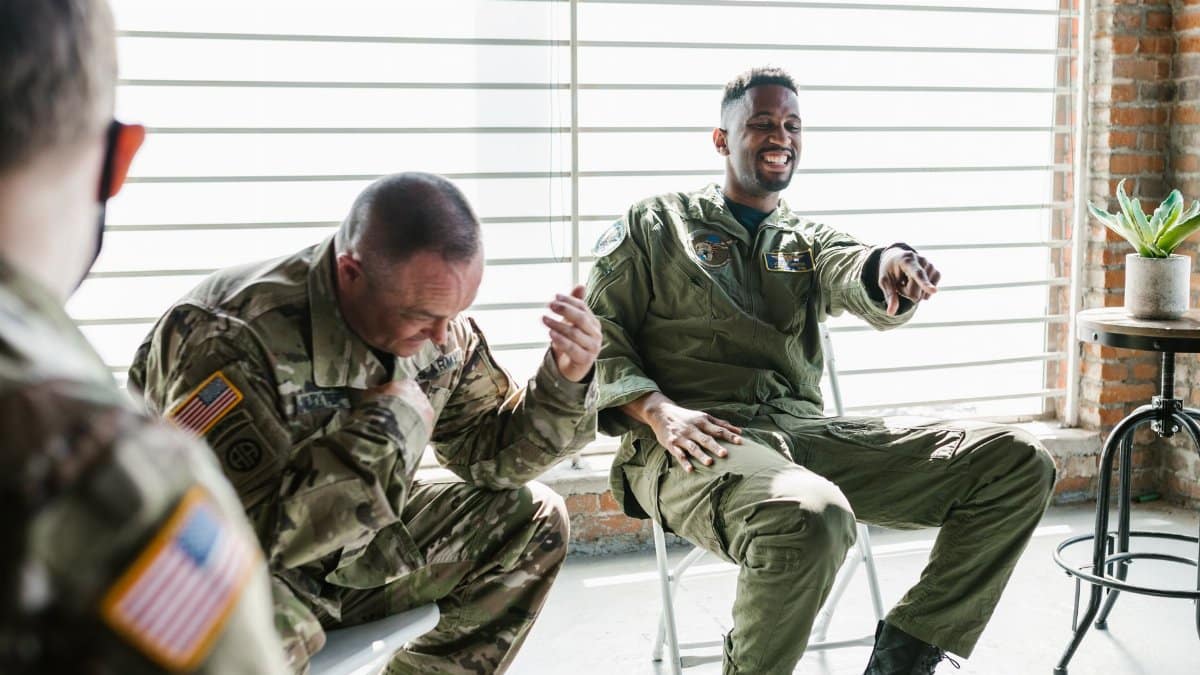
Interviews with former service members reveal personal calculations about risk and reward. Many describe frustration with available treatments and openness to alternatives under proper supervision. Others prefer to wait for more established evidence before considering participation. Their voices add depth to policy discussions that often remain abstract.
Regulatory Steps Still Ahead

Even with accelerated timelines several layers of approval remain before any new options reach patients. State health departments must align with federal changes and may add their own requirements. Insurance coverage questions also loom large as providers assess how costs might be handled. Long Island facilities are tracking these developments closely to prepare staff and infrastructure.
Comparisons with Approaches in Other Regions

States that have already expanded access offer lessons in implementation and public communication. Some have reported steady demand while others encountered initial resistance from medical boards. Long Island officials are studying these examples to avoid common pitfalls. The goal is measured progress that maintains public confidence.
Looking Toward Future Treatment Landscapes

The coming years will likely bring continued refinement of guidelines and expanded data collection. Local advocates expect ongoing dialogue as results from new reviews become available. Veterans groups plan additional forums to keep residents informed. The outcome will shape how psychedelic treatments veterans are perceived and utilized in the years ahead.