
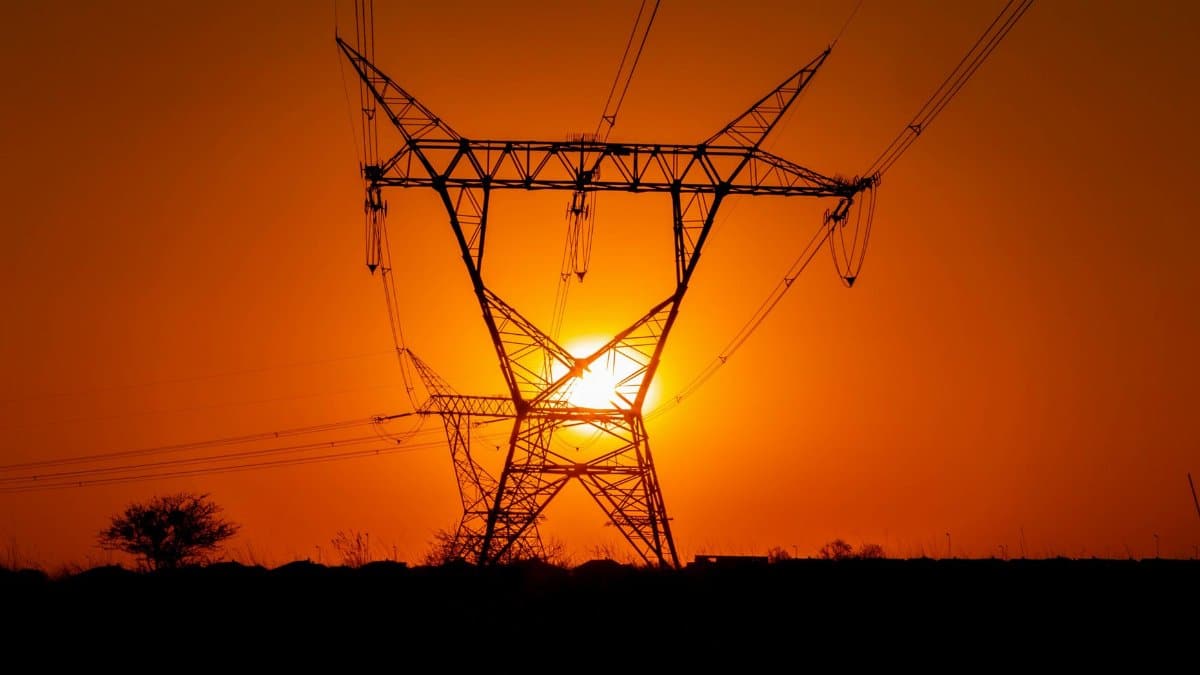
Residents across northwest Indiana have been grappling with the aftermath of powerful storms that disrupted essential services for an extended period. The situation has left communities struggling to return to normal routines as utility crews work around the clock. This Indiana power outage has highlighted vulnerabilities in the infrastructure and tested the patience of those affected. Families are finding creative ways to cope without electricity for cooking lighting and communication. Local businesses have suffered significant losses during this time. The prolonged nature of the disruption raises questions about preparedness for future weather events.
Daily Challenges for Affected Households

Without reliable electricity many homes face difficulties in storing food safely and maintaining comfortable temperatures. Parents describe the strain of managing children who miss their usual screen time while also handling chores that require manual effort. Elderly residents in particular find the lack of medical devices a source of worry prompting neighbors to check in regularly. Some have turned to generators but fuel supplies run low quickly in the rural stretches of the area.
Businesses Adapting to Extended Disruptions

Shops and restaurants report sharp drops in revenue as coolers fail and lighting remains absent after dark. Owners improvise with portable solutions yet costs mount steadily. One cafe owner noted a shift to daytime only operations to conserve resources. Supply chains slow when delivery trucks cannot access powered facilities for loading.
Utility Crew Efforts Across the Region
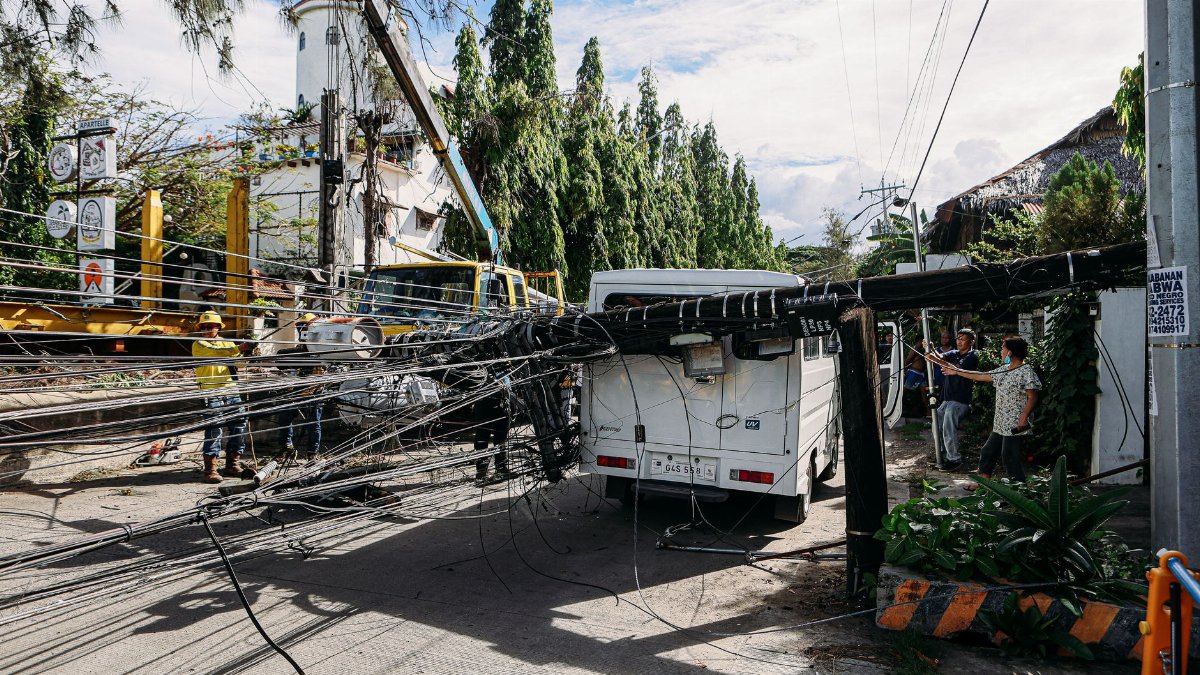
Teams from multiple states have arrived to assist local workers in restoring lines damaged by high winds and falling trees. Progress comes in stages with priority given to hospitals and emergency centers. Crew members work long shifts in difficult conditions yet express determination to complete the task. Coordination among different companies helps avoid overlap in assignments.
Community Support Networks in Action

Neighbors organize meal deliveries and shared generator use to ease burdens on isolated families. Churches and civic groups open their doors as cooling centers during daylight hours. Volunteers distribute ice and batteries from central locations. These efforts strengthen bonds that might otherwise fray under stress.
Lessons on Infrastructure Preparedness

Observers point to aging equipment as a factor in the slow recovery timeline. Discussions now focus on upgrades that could prevent similar situations. State officials review response protocols to improve future coordination. Public forums allow residents to share experiences directly with decision makers.
Environmental Factors Behind the Storms
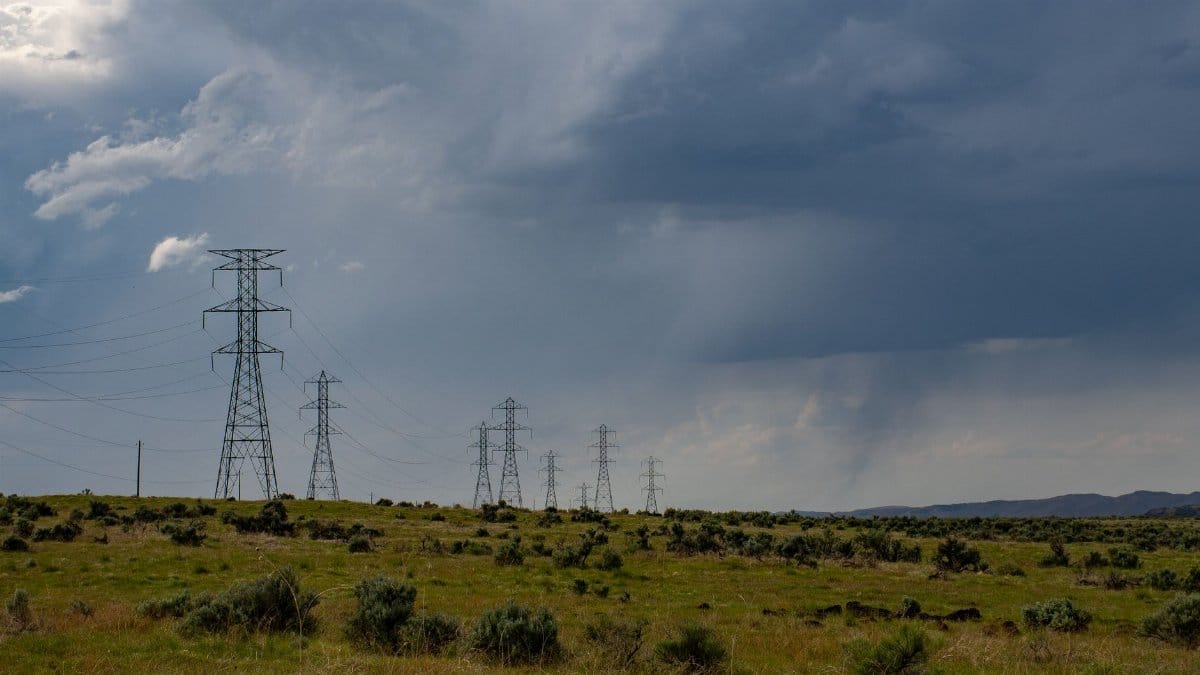
Recent weather patterns suggest an increase in severe events that test grid stability. Experts examine how tree trimming schedules might reduce future line damage. Climate trends add urgency to these reviews though immediate fixes remain the focus.
Personal Stories of Endurance

One family recounts evenings spent reading by candlelight and playing board games to pass the time. Another describes the relief when a local shelter provided hot meals. Such accounts reveal quiet resilience amid uncertainty. Many express hope that normalcy will return soon.
Looking Ahead After the Crisis

Recovery will likely extend beyond the initial restoration of power as homes repair any secondary damage. Insurance claims and aid applications add layers of paperwork for those already exhausted. Broader conversations about grid modernization continue in legislative halls. The episode serves as a reminder of reliance on unseen systems that sustain modern life.