
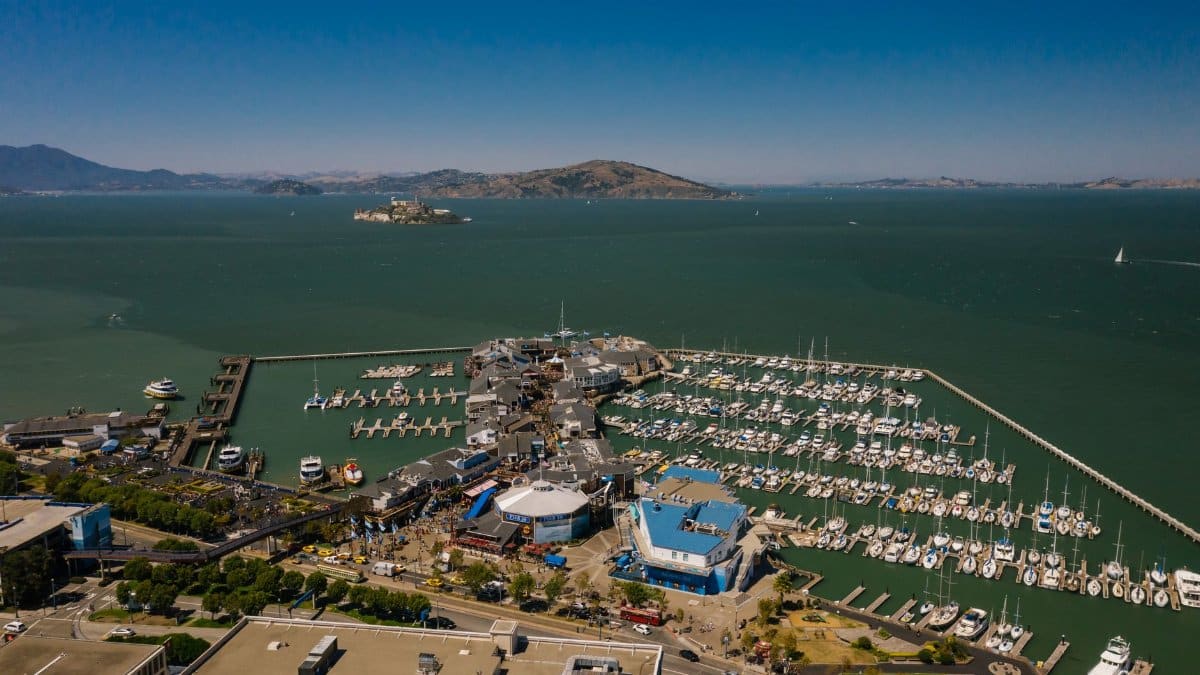
On a clear morning the line along the San Francisco waterfront still forms the way it has for decades, with visitors holding tickets and looking toward a low rock in the bay. This fall that familiar ritual will pause. The National Park Service plans an Alcatraz dock closure from October 26 through November 18 so crews can replace two pilings beneath the ferry dock, the island’s only regular visitor access. For a place defined by isolation, the practical fact is almost blunt. Without a working landing, the prison museum, the gardens, and the audio tours stay out of reach for ordinary travelers. The closure is short by the standards of a historic site, yet it lands in a season when many families still try to fit the island into a Bay Area weekend.
The work beneath the landing
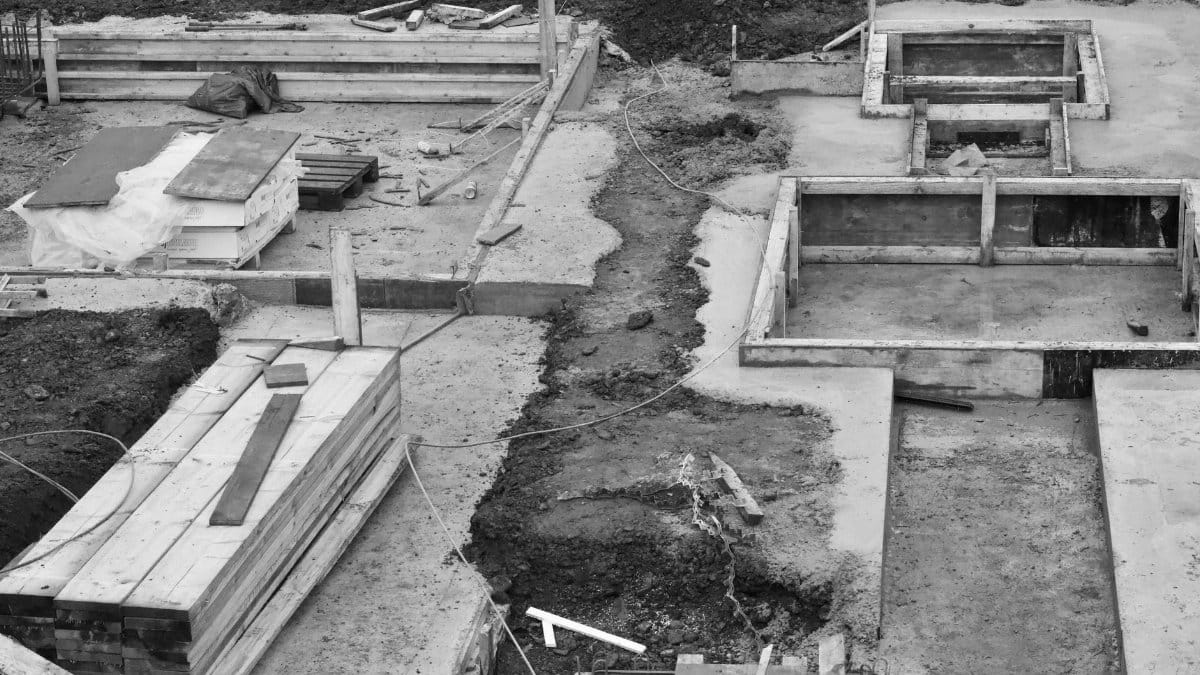
The announced job is narrow and structural. Two pilings that hold up the ferry dock will be replaced. Pilings are the posts driven into the bay floor so a pier can stand against tide, wind, and the repeated nudge of boats. On Alcatraz they are not scenery. They are the difference between a scheduled landing and a canceled day.
Park officials have framed the project as maintenance rather than a redesign of the visitor experience. That distinction matters. People often picture Alcatraz as a fortress of concrete and rusted steel, a place where time has already done its work. The dock is younger in the public imagination and easier to ignore, until it fails. Salt water, marine borers, and decades of ferry traffic wear timber and hardware in ways that a casual glance from the rail cannot show.
Replacing pilings in an open bay is not a weekend carpentry job. Crews need calm enough water, access for barges or work boats, and room to pull old posts and set new ones. A multiweek window gives the National Park Service a chance to finish the work without asking visitors to thread through an active construction site on the only landing the public uses.
An island that depends on one door
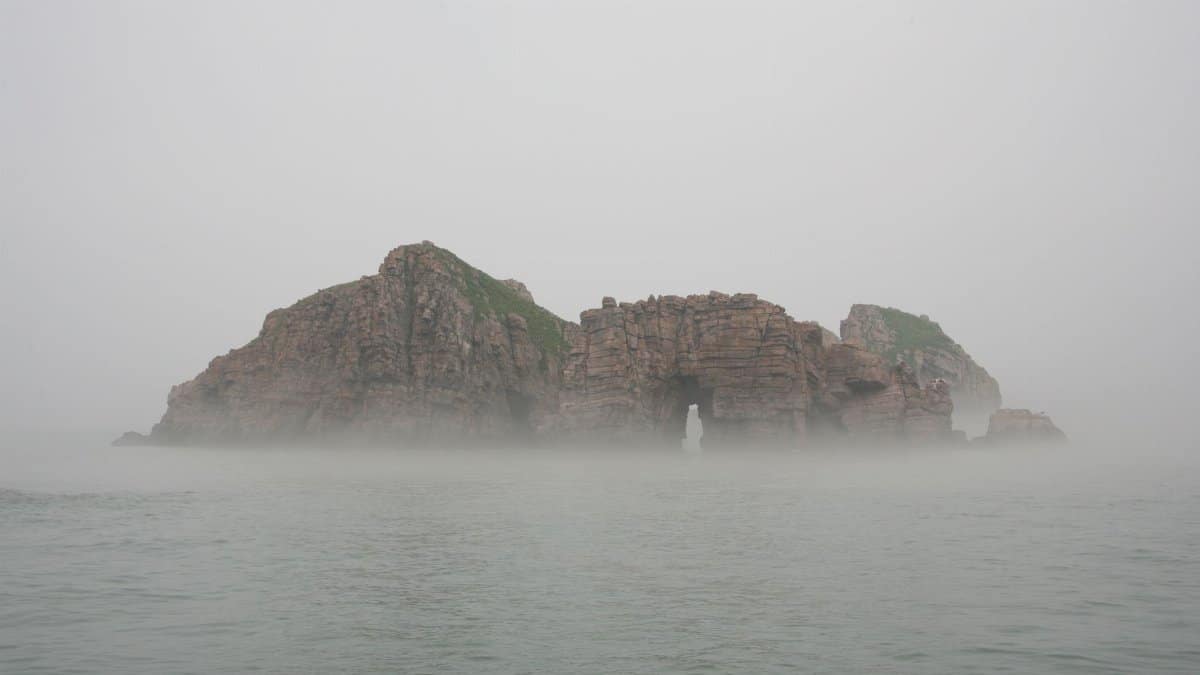
Most national park sites offer more than one way in. A road can close and a trail can remain. Alcatraz does not work that way for the general public. Ferries are the ordinary door. The Alcatraz dock closure is therefore not a side note about a pier. It is a temporary shutdown of the visit itself.
That single door has always been part of the story the island tells. During the federal prison years, the surrounding water was the wall. Today the same water is the commute. Rangers, maintenance staff, concession crews, and visitors all depend on a landing that can take a boat in ordinary weather. When that landing is under repair, the island does not become more mysterious to the people who already hold tickets. It simply becomes unavailable.
The Park Service has been clear that the ferry dock is the island’s only regular visitor access. Special operations can exist for emergencies and for authorized work, but they are not a substitute for the public schedule. Anyone hoping to slip over on a private boat and wander the cellhouse should abandon that idea. Landing on Alcatraz without permission is not a clever workaround. It is a violation, and the closure does not change that rule.
What travelers will miss

A standard visit is a compact education in American punishment, protest, and place. Visitors ride across the bay, climb from the dock, and walk through a cellhouse that still feels institutional even after the audio tour softens it with voices. They see the names of famous inmates and, if they linger, the less famous ones. They look back at the city from a vantage that makes downtown seem both close and irrelevant.
Outside the cellhouse, the island has other registers. Gardens planted by families of officers survive in pockets of wind and fog. Bird nesting areas remind people that the rock was a place of wildlife before it was a prison and remains one now. The parade ground, the ruins of older military buildings, and the views toward Marin and the Golden Gate fill out a walk that many first timers underestimate.
None of that is available in any ordinary way while the dock is out. There is no parallel land route, no bridge, and no public trailhead on the mainland that ends at the cellhouse door. The missed visit is total, not partial. That is why a repair measured in pilings can empty a calendar measured in thousands of tickets.
Reading the calendar

The dates run from October 26 through November 18. In the Bay Area that stretch sits after the peak summer rush and before the holiday crush. Fog can still sit on the Gate. School groups are back in session. International visitors thin out compared with July, but domestic travelers continue to book the island as a fixed item on a San Francisco list.
Anyone holding plans inside that window should treat the Alcatraz dock closure as a hard stop, not a weather delay that might lift by afternoon. A piling replacement does not pause for a sunny Saturday. The honest planning move is to move the visit earlier in October or later in November, or to spend those weeks on other sites that do not depend on this landing.
Ticket holders should confirm details with the park and with the ferry operator before travel, because schedules, refunds, and rebooking rules live in the reservation system rather than in a general news account. A published closure date is the headline. The fine print on an individual booking is what determines whether money comes back or a new date appears.
How people have always arrived
Long before the tourist ferry, boats were the plot. Military supplies came by water when the island was a harbor defense post. Prisoners arrived by water under guard. Families of correctional officers lived with the knowledge that a missed boat could mean a missed dinner, a missed shift, or a night spent on the wrong side of the bay.
The modern ferry softens that history into a 15 minute ride and a recorded introduction. It also preserves the essential fact. You do not stroll onto Alcatraz. You are delivered. The dock is the hinge between the city that sells the myth and the island that still has to function as a workplace and a ruin.
That history is why a maintenance closure feels larger than a similar repair at a roadside monument. When the landing closes, the island briefly recovers the condition that made it useful as a prison: difficult to reach. The difference is consent. Visitors are not being kept out as punishment. They are being kept out so the door can be made sound again.
Workers who live by the schedule

A closure of this length is also a labor story, even when agencies do not lead with it. Ferry crews, ticket staff, island rangers, and maintenance teams build their weeks around sailings. When sailings stop, some work moves to the repair itself. Other work simply disappears for a stretch of days.
Concession employees often depend on a seasonal rhythm that peaks in summer and tapers in fall. A planned pause can be easier to absorb than a sudden cancellation after a storm, because people can see it coming. It is still a pause in pay for anyone whose hours are tied to boats that will not run. The public tends to experience a closure as an inconvenience on a calendar app. For the people who move visitors, it is a change in the month’s wages.
Park maintenance, by contrast, may see the window as necessary relief. Working on a pier while thousands of people stream across it is slow and risky. An empty dock lets crews concentrate on posts, hardware, and the fit of the landing without managing a crowd at their backs.
Schools, tours, and late autumn plans

Fall is a common season for school trips that want history without summer prices and without the longest lines. Teachers who booked Alcatraz as the centerpiece of a civics unit will need a substitute lesson or a new date. The island is unusually good at making abstract words concrete: sentence, isolation, protest, escape, due process. A worksheet about the same topics is not the same experience, and honest teachers know it.
Tour operators who bundle the island with cable cars, Chinatown, and a bridge overlook face a similar rewrite. Alcatraz is often the nonnegotiable item, the one guests mention first. Replacing it with a waterfront walk or a museum visit may satisfy a schedule. It rarely satisfies the guest who came for the cells.
Travelers from far away are in a tighter spot than locals. A family that planned one Bay Area week around a specific sailing cannot simply return in December. For them the closure is not a postponed afternoon. It is a missing piece of a trip that may not be repeated. That is a reason to check dates early, and a reason for the park to keep public notice plain and early, which this announcement does.
The rock without its crowds
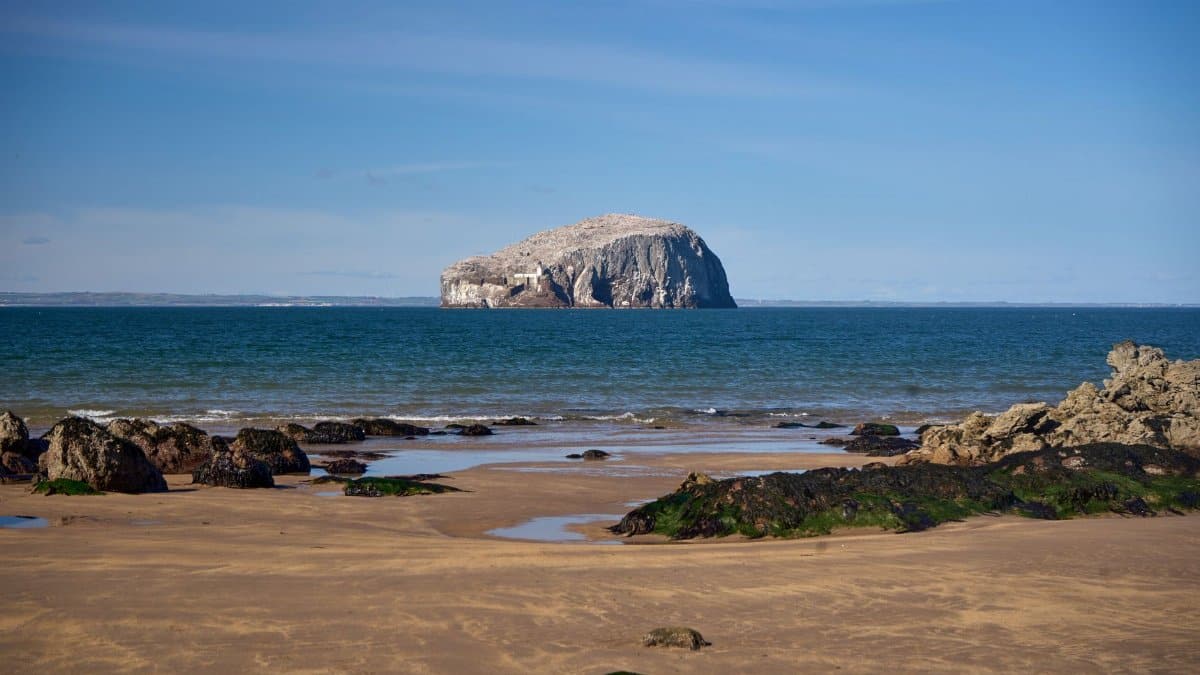
There is another way to read an empty island, if one resists romance. Without ferries, Alcatraz becomes a worksite and a habitat again. Gulls and other nesting birds do not organize their lives around ticket times. Plants in the sheltered gardens get a few weeks without thousands of shoes on nearby paths. Rangers and contractors move through spaces that are usually interpreted for strangers.
None of this means the closure is a gift to nature staged for public appreciation. The public will not be there to appreciate it. It does mean the island’s other identities continue when the tourist identity pauses. Alcatraz is a national park site, a former military post, a bird refuge in season, and a maintenance problem sitting in cold water. The dock repair belongs to that last identity, the one brochures mention least.
People who like their history atmospheric sometimes prefer the idea of a silent cellhouse. Silence is real on early boats and on storm days. It is not a public offering during these weeks. The quiet will belong to the crews and to the birds.
Practical choices for the weeks ahead

Locals have options that do not require pretending another site is Alcatraz. The Maritime National Historical Park, the old military posts at the Presidio, and the exhibits at Fort Point each carry pieces of the bay’s defense story. None of them replicates the federal penitentiary. They do repay a morning if the island is off the board.
Anyone set on the prison itself should look just outside the closure rather than inside it. Early October still offers the ordinary ferry pattern. After November 18, the schedule is expected to resume, subject to weather and to the repair finishing as planned. Construction on the water can slip. A prudent traveler treats the end date as the park’s target, then confirms before buying a nonrefundable flight around it.
The Alcatraz dock closure also argues for a small habit that experienced Bay Area visitors already know. Book the island first, then build the rest of the day around the return time. When the island cannot be booked, build the day around something that does not depend on a single landing in the middle of the bay.
Aging timber in a restless bay
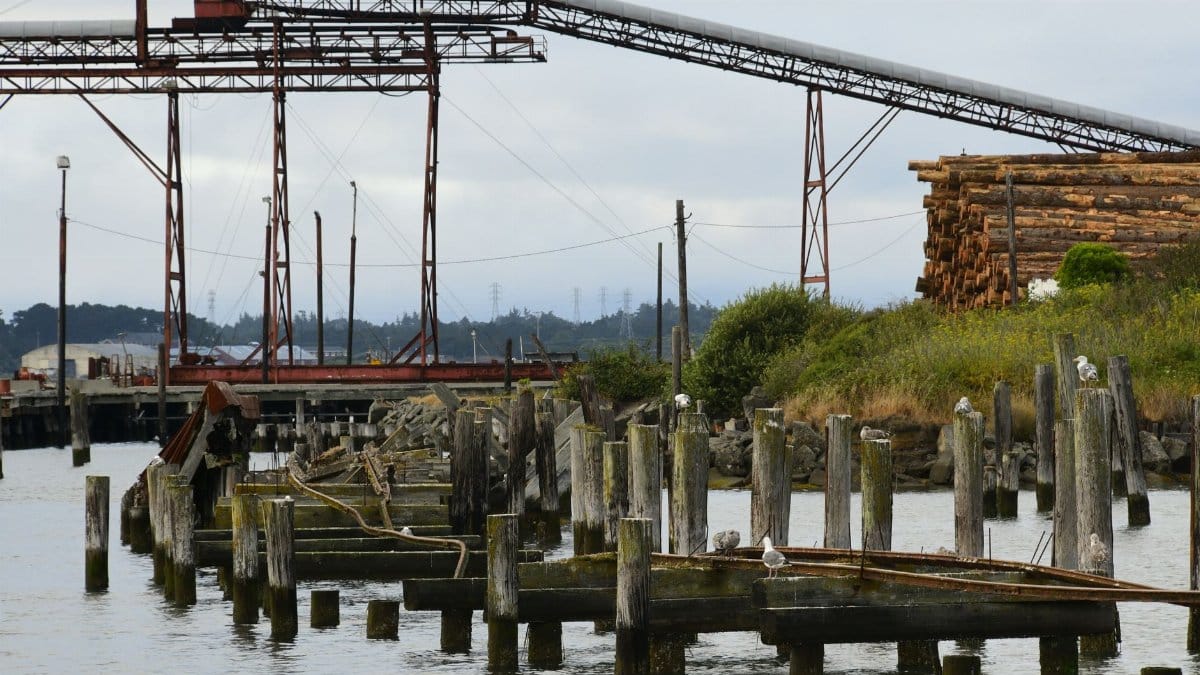
The project sits inside a larger regional fact. Piers, wharves, and ferry landings around San Francisco Bay are aging in salt water while public use of the waterfront grows. A piling that fails at a minor marina disappoints a handful of boat owners. A piling that fails at Alcatraz cancels a national park visit for everyone who does not already live on the island, which is nearly everyone.
Agencies rarely get credit for the repair that prevents the closure, only for the closure itself. That is an ordinary injustice of infrastructure. Riders notice the train that stops, not the bolt that was replaced at night. Here the Park Service is choosing a visible, dated pause instead of gambling on posts that can no longer be trusted. For a site with one public door, that choice is the conservative one.
Visitors can fairly ask how long the new pilings should last, what they are made of, and whether the rest of the dock will need similar work soon. Those are good questions for the park’s project updates. They do not change the immediate calendar. Two posts are scheduled to come out. Until they are set and the landing is cleared for passengers, the boats that carry the public do not run in the ordinary way.
A pause that still carries meaning

Alcatraz draws people for reasons that are not only historical. Some come for the view. Some come because a parent saw the island from a troopship or a prison launch and told a story that never left the family. Some come because confinement, regret, and the hope of a different life are not abstract themes to them. The cellhouse has a way of making those themes physical. A spiritual reading of the place is not required, but it is common, and it does not need incense or a sermon to be sincere.
The closure interrupts that encounter. It does not erase it. A repaired dock is a modest civic act: keep the door sound so strangers can still walk into a hard chapter of the country’s past and decide what they think. When service returns after November 18, the island will look much as it did in October. The difference will be underfoot and out of sight, in posts the bay will immediately begin to test.
Until then, the honest summary is short enough to tape to a refrigerator. From October 26 through November 18, the Alcatraz dock closure takes the public landing offline for piling replacement. Plan around it, confirm your own booking, and leave the rock to the people whose job is to make the next crossing ordinary again.