
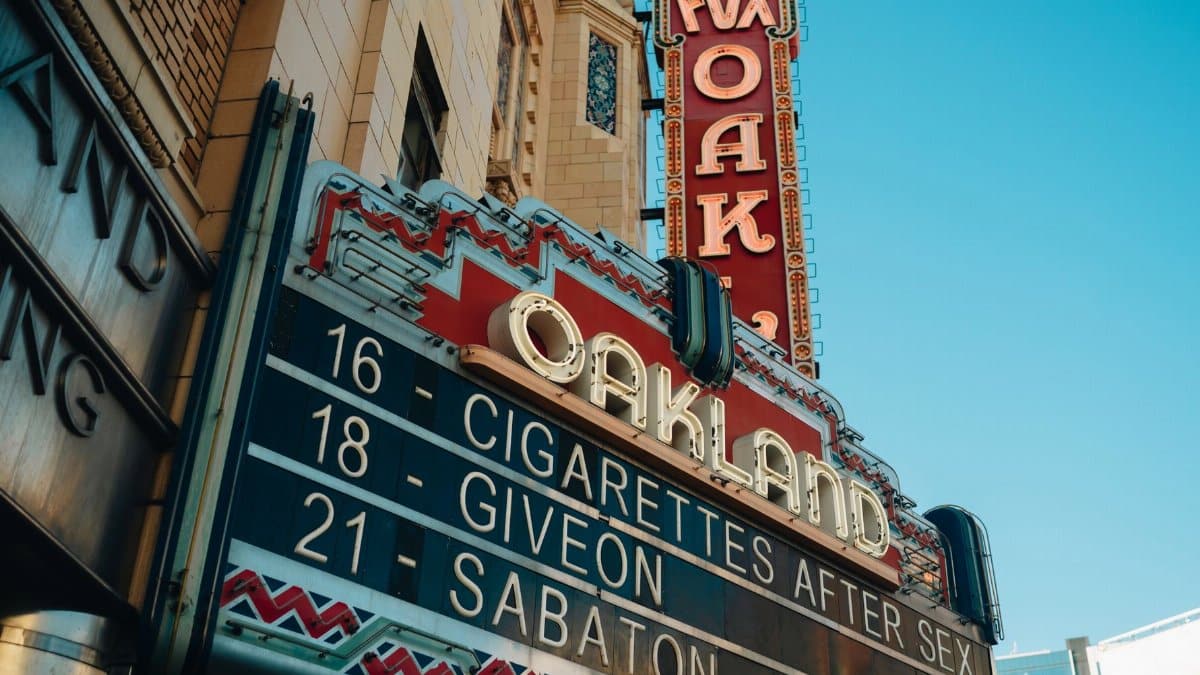
The line outside a downtown theater on a weeknight can tell you as much as the set inside. People compare notes, check the time, and decide whether the night will feel like a reunion or a first meeting. Ilana Glazer Oakland appears on the calendar as a single Bay Area date, October 7 at the Fox Theater, and that brevity is part of the draw. Tickets start at $101, a figure that already frames the evening as a planned outing rather than a casual drop in. For a comic whose name still travels with a television partnership, a solo room in Oakland asks a plainer question: what does the work sound like when the crowd has come for her alone?
A date that does not repeat itself

Tour announcements often pile cities into a list and let the eye slide past them. A one night stand in a familiar venue does the opposite. It forces a choice. Oakland gets one evening, not a weekend cluster, and the Fox Theater is large enough that the choice feels public. Fans who live across the bridge, or farther up the peninsula, will have to decide whether the drive, the train, or the late ride home is worth a set they cannot catch the next night in the same building.
That scarcity is ordinary in stand up, and it is also the point. Comedy at this scale is not a streaming menu. It is a room with a start time, a seat, and a person at a microphone who cannot rewind a line that lands wrong. The Chronicle has reported the Oakland stop as part of a wider run, which is useful context, but the local fact is simpler. If you miss October 7, you miss this version of the show in this city.
What the room already knows
Glazer is still widely identified with Broad City, the series she built with Abbi Jacobson, first online and then on cable. That association is not a burden so much as a shared language. Plenty of people walking into the Fox will have spent years with those characters, their jobs, their friendships, and their particular blend of embarrassment and loyalty. They will arrive with quotes, memories, and a sense of what her voice does when it speeds up.
A live set is not an episode, though. The audience cannot pause, and the performer cannot hide a weak premise inside a cutaway. People who loved the show may be curious about the person who is no longer playing a heightened version of youth on a weekly schedule. Others may know her more recently from film work, voice roles, or the odd clip that circulates without much context. Both kinds of ticket holder end up in the same seats, which is one reason these nights feel less like fan service and more like a test of attention.
Oakland as a listening city

Bay Area crowds have a reputation, sometimes fair and sometimes lazy, for being quick to analyze and slow to surrender. Comics talk about rooms that laugh early and rooms that wait to see whether the joke earns the noise. Oakland sits inside that conversation without being reducible to it. The city has its own calendar of music, politics, and neighborhood life, and a theater night has to compete with all of it.
Ilana Glazer Oakland is therefore not only a booking. It is a meeting between a performer whose fame was built on a very specific New York friendship story and an audience that does not need that story explained, but also does not owe it automatic affection. The interesting risk is tonal. Material that assumes a certain kind of coastal familiarity can feel either precise or canned. Material that reaches for something more private can feel either generous or unfinished. A strong set usually does both, and lets the room decide which parts belong to the night.
The Fox Theater and the scale of a joke
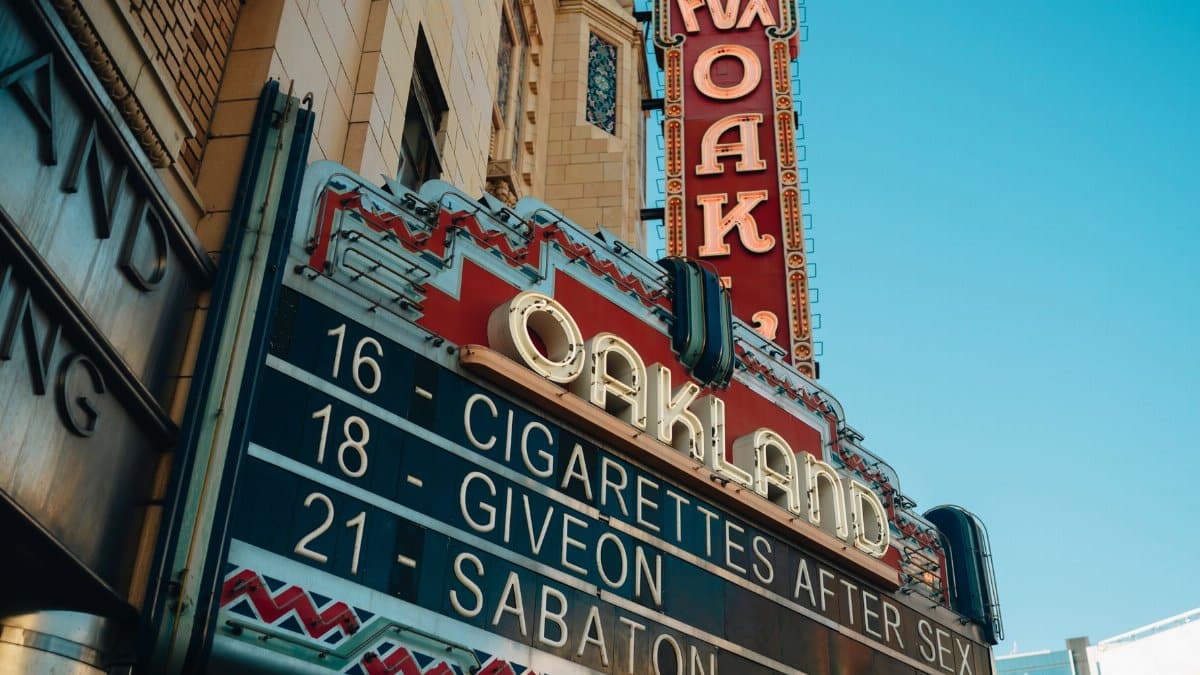
The Fox is not a basement club. Sight lines, balconies, and the sheer number of people change how a punch line travels. A small room rewards a muttered aside. A large room asks the comic to project without turning every observation into a slogan. That adjustment is technical, and it is also artistic. Timing that works at eighty people can evaporate at several times that number if the pauses are built for intimacy the architecture cannot provide.
Ticket prices starting at $101 underline the scale. This is not the cost of a drink and a two item minimum. It is closer to a concert ticket, and audiences who pay concert money often arrive with concert expectations: a clear beginning, a sense of occasion, and a finish that feels earned. None of that guarantees a good show. It does change the social contract. People are less likely to treat the night as background, and more likely to notice if the hour feels thin.
From a shared series to a solo voice

Partnership is a rare comic gift, and it can also become a trap. Two performers who finish each other’s rhythms create a sound that fans memorize. When one of them steps out alone, the absence is audible even if nobody onstage mentions it. Glazer has spent years in public as half of a duo and as an individual with her own projects. The tour is a chance to hear which habits remain: the rush of a story, the willingness to look foolish, the interest in friendship as a subject rather than a backdrop.
Solo work also changes responsibility. There is no scene partner to rescue a bit that stalls, and no writers’ room visible in the credits. If a joke about parenting, work, or the oddities of fame feels borrowed from a hundred other specials, the room will know. If it feels observed, the size of the theater stops mattering for a minute. That is the old promise of the form, and it still holds when the poster is famous.
What people are actually buying

It is easy to describe a tour date as content, as if the evening were another post in a feed. The purchase is more concrete. A seat, a time, a chance to be in a crowd that reacts together. At $101 and up, buyers are also purchasing proximity to a name they already trust, or think they trust. Trust in comedy is fragile. It can be withdrawn in the space between two jokes if the performer seems to be reciting a brand instead of noticing the room.
For some, the night is nostalgia. They want the cadence they associate with a younger version of the culture, the years when Broad City felt like an inside conversation that had somehow reached television. For others, nostalgia is exactly what they hope to avoid. They want to know whether the comic has found subjects that belong to this decade rather than the last one. Both desires can be satisfied by the same set, provided the writing is specific enough to survive either reading.
The practical shape of the evening

A single Bay Area date concentrates the logistics. People will come from San Francisco, from the East Bay suburbs, from farther out if the calendar is clear. Parking, transit, and the last train home become part of the review even when nobody writes them down. A show that ends cleanly, without an endless encore of crowd work, respects that geography. A show that starts late tests a patience that ticket buyers have already spent on the bridge or the platform.
None of this is unique to this booking, but it matters more when there is no second chance the following night. Ilana Glazer Oakland is a finite plan: one theater, one date, a price floor that tells you the promoters expect a full enough house to justify the room. If you are going, the useful preparation is ordinary. Know how you are getting there, know how you are getting back, and leave enough attention for the set itself rather than the logistics around it.
Comedy after the character
Television characters linger. Audiences keep a version of the performer in mind that the performer may have left behind years ago. Live comedy is one of the few places where that lag can be corrected in real time. A story about marriage, money, aging parents, or the strange labor of being recognized can update the public file faster than an interview can. It can also fail, if the update feels like a press release delivered as a routine.
The better nights do not announce a reinvention. They let new details accumulate until the old picture no longer fits. Glazer has the advantage of a voice people can already place, which means she does not have to spend the first ten minutes proving she belongs on the stage. She can spend that time on the material. In a large theater, that head start is valuable. It is also a standard she will be measured against, because familiarity cuts both ways.
A crowd that talks back in its own way
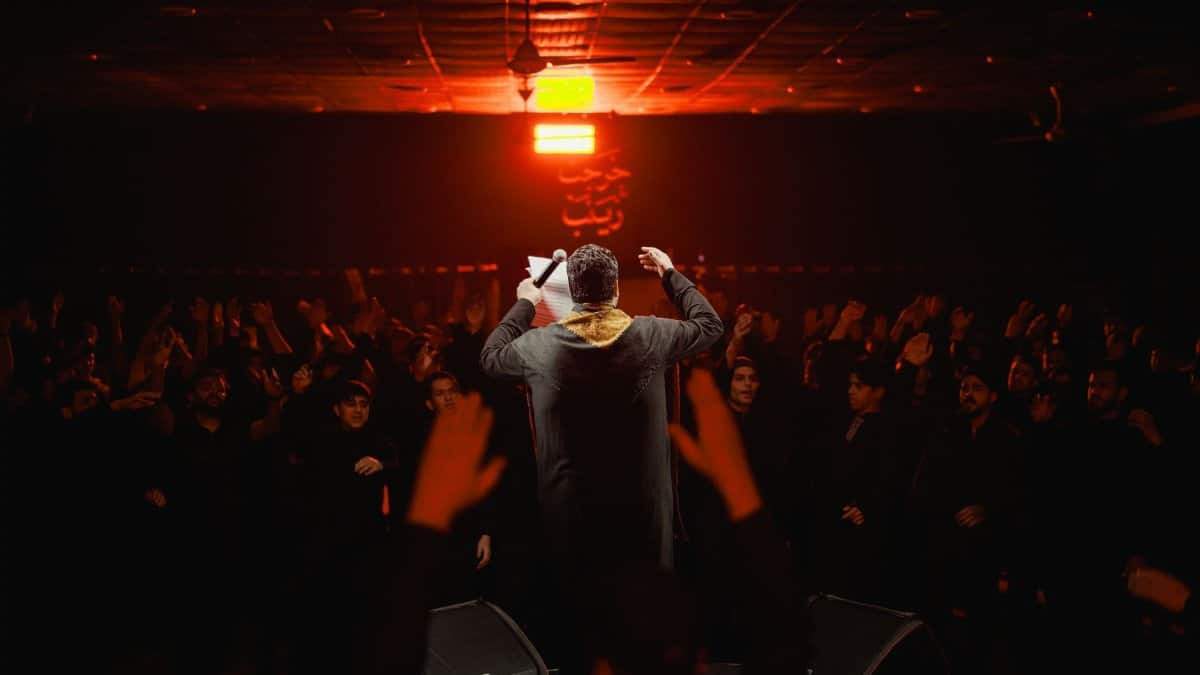
Oakland audiences are not a single temperament, any more than New York audiences are. Still, a civic reputation shapes the night at the edges. People here are used to events that double as gatherings, and they are used to performers who acknowledge the city rather than treating it as a generic stop between larger markets. A passing local reference can feel like courtesy or like pandering. The difference is whether it is attached to an actual observation.
There is also the matter of what the crowd brings in from the week. A news heavy season, a costly month, a transit delay on the way over: all of it sits in the seats. Comics sometimes pretend the outside world pauses at the door. It does not. The skill is not to deliver a sermon about the moment. It is to notice which jokes still function when people are tired, and which ones require a lightness the room may not have on a given Tuesday or Wednesday or whatever evening the calendar has assigned.
Why a tour stop still matters

In a period when specials arrive fully formed on platforms, a tour date can look old fashioned. You cannot clip it cleanly. You cannot watch it from the kitchen. You share the laugh, or the silence, with strangers whose faces you will not see again. That inconvenience is the remaining argument for buying a ticket. Ilana Glazer Oakland offers that argument in a specific building, on a specific night, at a price that asks you to mean it.
The broader tour will move on, and other cities will get their own versions of the set, adjusted by whatever happened the night before. Oakland’s version will exist only for the people who were there. That is not a mystical claim. It is how live performance works when it is not being recorded for later. The jokes that survive in memory will be the ones that fit the room, not necessarily the ones that would fit a thumbnail.
What to listen for once the lights drop

If you go, the useful attention is ordinary and specific. Listen for whether the stories have an ending or merely a topic. Listen for whether crowd work, if it appears, serves the set or stalls it. Notice whether the material about fame, friendship, or daily life feels reported from a life or assembled from a category. Those are not sophisticated tests. They are the tests audiences already apply, often without naming them, when they decide on the way out whether the night was worth the fare home.
A famous name gets you in the door. It does not keep you leaning forward. Glazer has enough history with the public that leaning forward is possible from the first minute. Whether it lasts depends on writing, pacing, and the particular chemistry of October 7. The Fox will do what theaters do: hold the sound, hold the crowd, and give the comic a chance to be clearer than the poster. Everything after that belongs to the set.
After the applause

When the lights come up, the evening returns to the street. People will argue about a line, or agree that a stretch in the middle dragged, or say very little because they are already thinking about the ride. That scattered verdict is healthier than a single score. Comedy is not a consensus product, even when the ticket price suggests a polished event. Two friends can leave the same show with opposite memories and both be accurate about what they heard.
For the city, the booking is a small entry on a long arts calendar, notable because the name is known and the date does not repeat. For the performer, it is one room among many, with the added pressure of a market that has opinions and the means to voice them. Ilana Glazer Oakland will be over in a night. What remains is whatever the writing managed to make unmistakable while the room was still willing to listen.