
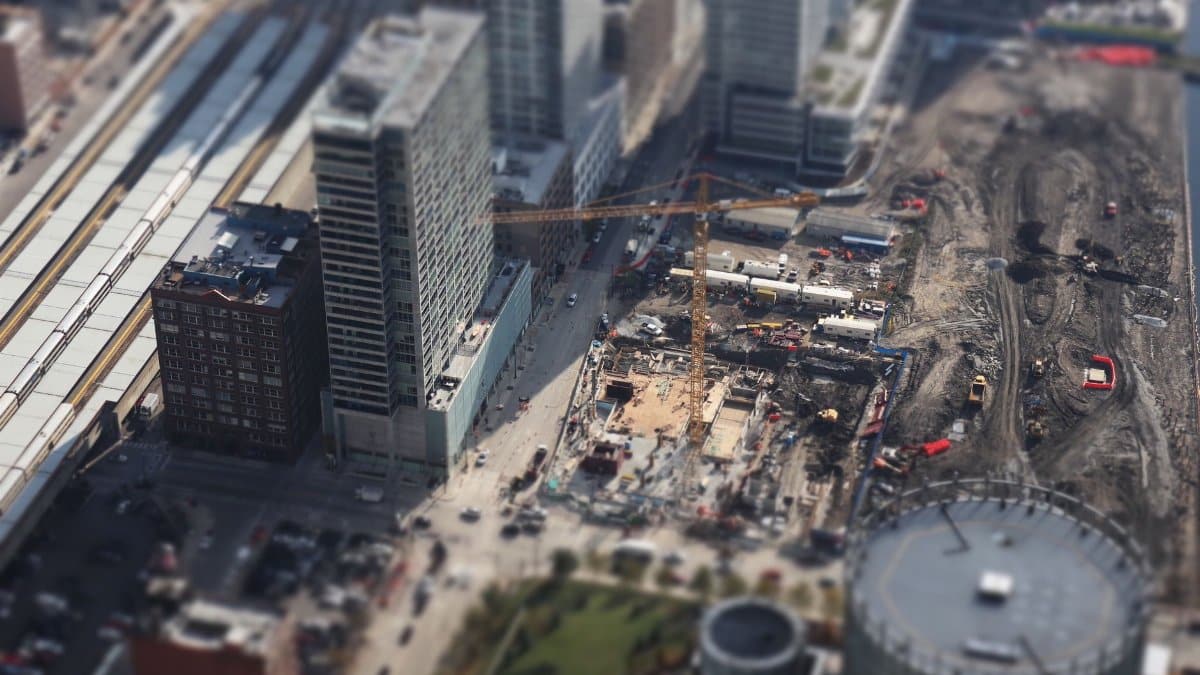
On a clear morning the wind off Lake Michigan still cuts across the mouth of the Chicago River, but the old excavation no longer looks forgotten. Glass, stone, and a busy leasing office now mark 400 Lake Shore apartments, the rental project rising where a far taller dream once stalled. For years the address was a civic wound and a punch line. This fall it is something more ordinary and, for the people signing papers, more useful: a place to live, with a view that Chicago has argued about for a generation.
A stalled icon becomes a rental address
The Chicago Spire was meant to be a singular object, a twisting concrete tower designed by Santiago Calatrava and marketed as the tallest residential building in the Western Hemisphere. Financing collapsed after the financial crisis. The hole remained. Lawsuits, ownership changes, and a long quiet followed. What stands there now is not that icon. It is a pair of residential towers from Related Midwest, built for rent rather than for a single mythic silhouette.
That shift matters. A monument asks a city to look up. A rental building asks who can afford to come home. The Tribune has reported that Related Midwest has signed more than 100 leases ahead of a March opening, a figure that suggests demand is real even before the first residents carry boxes through the lobby. The number is not a skyline. It is a stack of commitments, each one a household deciding that this corner of Streeterville is worth the rent.
Why the site still carries a story
Chicago does not forget unfinished gestures. The Spire foundation, the abandoned sales center, the renderings that lived on in architecture lectures: all of it trained people to treat 400 North Lake Shore Drive as a moral tale about ambition. Some residents still talk about the project in the past tense, as if the new towers were a correction rather than a building. That memory is not nostalgia exactly. It is a habit of measuring what got built against what was promised.
Journalists covering the site have had to unlearn that habit. The relevant questions now are plainer. How many homes. At what rents. With what effect on the riverwalk, the park edge, and the already crowded streets that feed Lake Shore Drive. The old story remains in the background, the way a demolished theater remains in the name of a block. It does not pay the rent.
Who is willing to sign before the doors open

Leasing more than 100 apartments before a March opening is a strong early signal in a city where luxury inventory has multiplied along the river and the lake. Early signers tend to be people who already know the neighborhood: medical staff tied to Streeterville hospitals, downtown professionals who want a shorter walk, empty nesters trading a suburban house for a smaller life with a doorman. Some are investors in all but name, planning to live there part of the year. Others simply lost patience with buildings that were finished on paper and late in fact.
None of that is spiritual in the church sense. It is still a kind of faith. A lease signed months before move in is a bet that the finishes will match the model, that the elevators will run, that the promised park edge will not stay a construction fence through another summer. Chicago has earned that skepticism. The early count suggests a sizable group is willing to extend credit anyway.
What the rent is really buying

Luxury, in this part of the city, is less a marble adjective than a bundle of practical things. A full service lobby. Package rooms that can absorb a week of online orders. A fitness floor that keeps a resident from crossing Michigan Avenue in January. Parking, scarce and expensive. And the view: lake to the east, river and skyline to the south and west, a geometry few American downtowns can match.
The price of that bundle has climbed for years. Chicago remains cheaper than New York or San Francisco, which is one reason coastal money still looks here. It is not cheap in any ordinary sense. A household that can clear the income screens for a new lakefront rental is not the household waiting on a housing voucher a few miles west. The building will add supply. It will not, by itself, ease the shortage of homes that teachers, cooks, and transit workers can afford. Honesty about that limit is part of covering the project fairly.
The river, the lake, and a tighter public edge
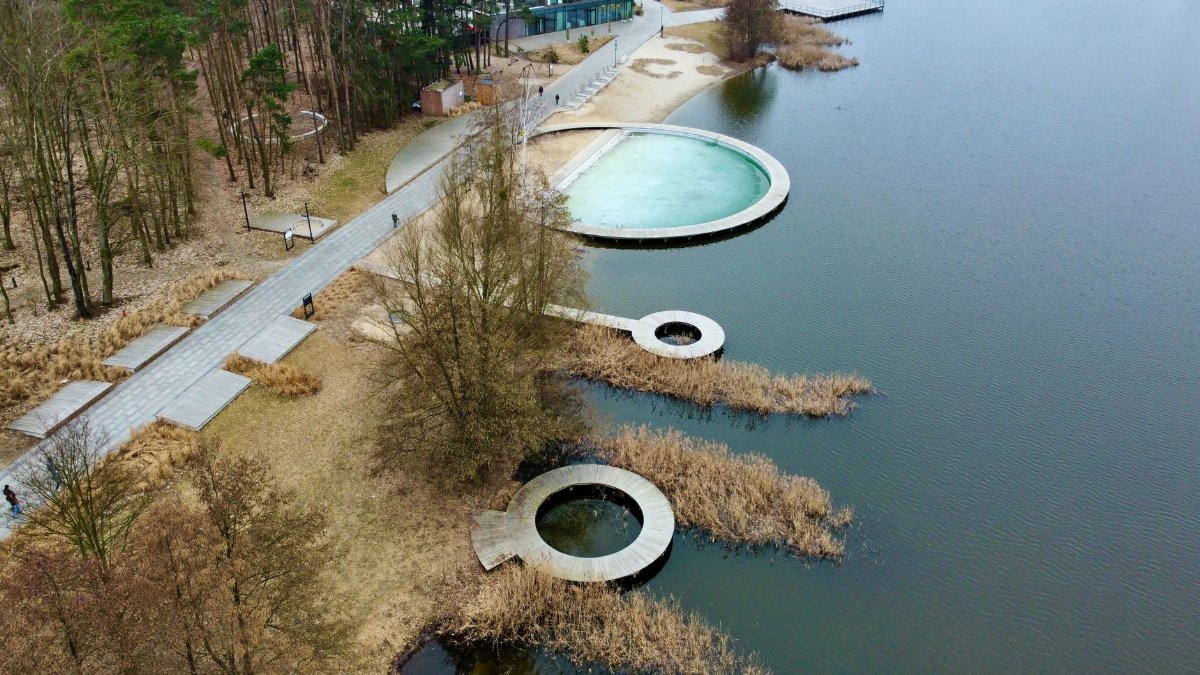
The best argument for building here is geographic. This is where the river meets the lake, a hinge in the city’s mental map. Done well, a residential project can thicken the life along that hinge: more people on the riverwalk at dusk, more lights in winter, more reason for a cafe to stay open past the tourist hour. Done poorly, it becomes a private cliff, beautiful from a boat and blank at the sidewalk.
Related and city planners have talked for years about connecting this parcel to the public edge rather than walling it off. Neighbors will judge the result by small tests. Can you walk from the river to the lake without feeling herded. Does the ground level offer anything besides a leasing desk and a porte cochere. Are the wind and the shadow tolerable on the paths that already belong to everyone. Those tests matter more than the brochure language about resort style living.
Neighbors who watched the hole

Longtime residents of Streeterville and the adjoining Gold Coast have lived with this site as a rumor. Some welcomed any serious construction after years of fencing and stagnant water. Others worry about traffic, about towers that cast longer shadows on already narrow park space, about a luxury market that keeps repricing the blocks around them. Both reactions can be true at once. A craned skyline is not automatically a civic good, and an empty foundation was not a park.
Community meetings in this part of town are rarely quiet. People arrive with photographs of old proposals and with very specific complaints about loading docks. That friction is healthy. A project of this scale should have to explain itself in rooms where nobody is paid to applaud. The lease count shows the market is listening. It does not show that the block has finished arguing.
A rental market that refuses to cool on cue
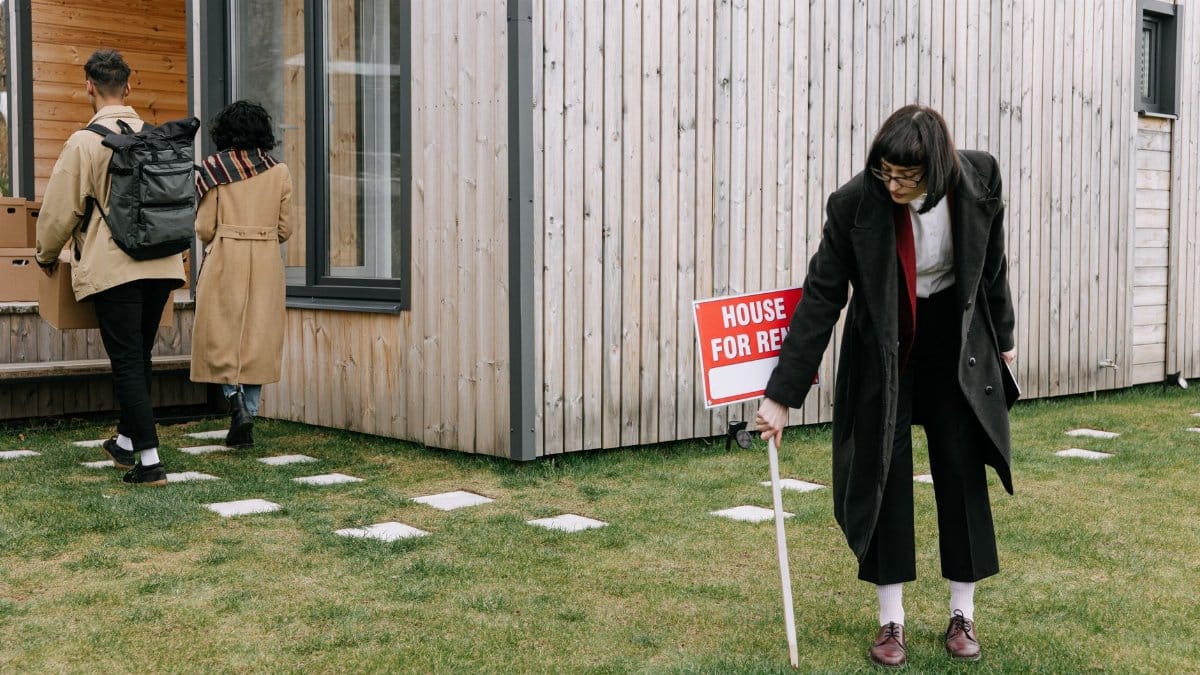
National headlines have spent several years predicting a retreat in high end apartments as new buildings opened and interest rates rose. Parts of the Sun Belt did see concessions. Chicago’s downtown picture has been more uneven: office vacancy on one hand, stubborn demand for well located homes on the other. People who left the Loop during the pandemic did not all stay gone. Younger renters still want a walk to the train, the lake path, and a grocery that does not require a car.
Against that background, an early book of more than 100 leases is not proof that every unit will fill at the asking rent. It is evidence that the top of the market has not collapsed. Concessions may still appear. A free month, a smaller deposit, a furniture package: these are the quiet instruments of a leasing office, and they rarely make the rendering. Readers should treat the opening number as a start, not a verdict.
Design after a famous failure

Architecture critics will compare the new towers with the Spire whether or not the comparison is fair. Calatrava’s scheme was a single gesture, expensive to build and easy to remember. The rental buildings are a different assignment: repeatable floors, efficient cores, facades that have to survive lakefront weather and a pro forma. Handsome can be enough. Singular was the last plan’s undoing as much as its glory.
There is a lesson in that, and it is not only aesthetic. Cities that chase one unrepeatable object sometimes get a hole. Cities that accept a competent building, negotiated in public and occupied by actual neighbors, sometimes get a street that works. Neither outcome is guaranteed. The point is to judge this one by how it meets the ground and how it holds up after the ribbon, not by how it fails to be a sculpture that was never financed.
What March may actually feel like

Opening month at a new rental tower is controlled chaos. Furniture deliveries stack up. The app that opens the gym door fails for a week. A restaurant tenant is still behind on permits. Residents who signed in autumn discover which rooms get the afternoon glare and which face a mechanical well they did not notice in the model unit. Staff learn names. The building, in other words, becomes ordinary, which is the highest compliment a residential project can receive.
If the March timeline holds, Chicago will watch that ordinary arrival on a site that has not been ordinary in twenty years. Cameras will return for the skyline shot. The more interesting picture will be smaller: a person pausing on the riverwalk because the fence is finally gone, unsure whether they are allowed to like what replaced the myth.
The questions that leasing numbers cannot answer

A lease count cannot say whether the public edge will be generous. It cannot say whether service workers in the building can live anywhere near their jobs. It cannot say whether the towers will age well when the first fashionable finish wears out. Those are the questions worth keeping after the marketing quiets down. Housing coverage goes wrong when it stops at the chandelier.
It also goes wrong when it treats every luxury lease as a moral failure. People are allowed to want a beautiful room beside a great lake. The obligation is to describe the tradeoffs without sneer or brochure. More homes on a dormant site are better than a flooded hole. They are not a housing policy. Both sentences can stand.
Memory, place, and a city that keeps rewriting the same block
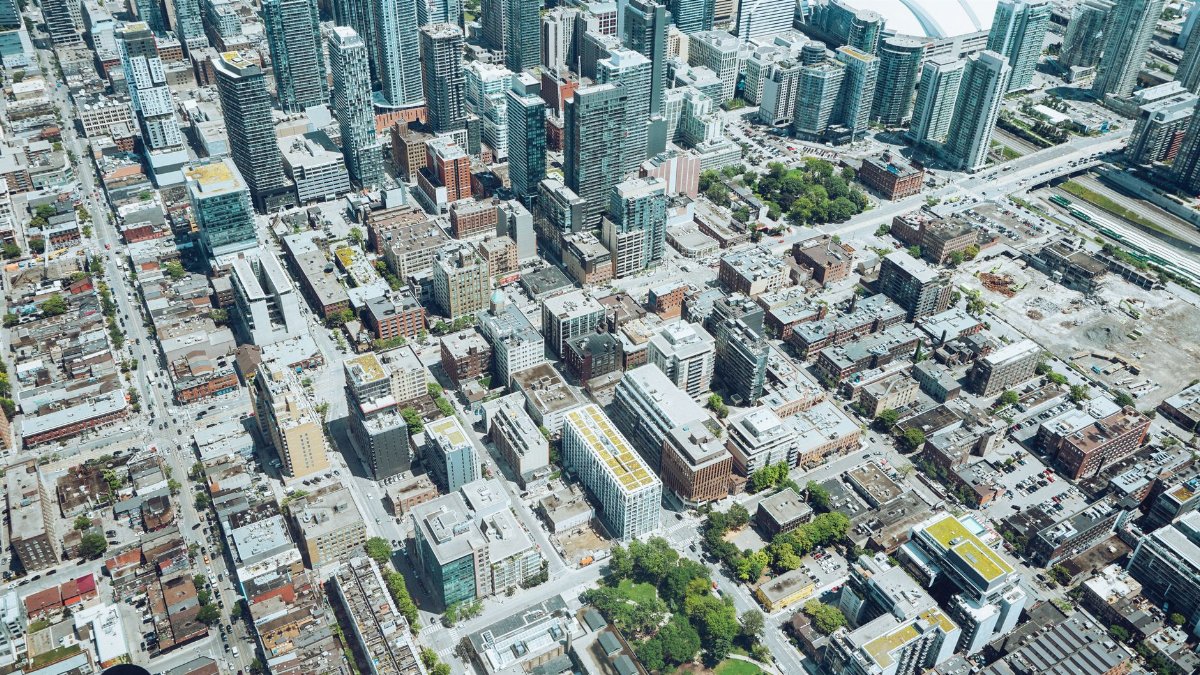
There is a reason a stalled foundation lodges in the mind. A city is a set of promises about the future, most of them broken quietly. When one promise is large enough to see from the planetarium, the breaking becomes public. Filling the site does not erase that memory. It changes the daily fact underneath it. Children who grow up here will not know the Spire as a loss. They will know a pair of towers, a windy corner, a path to the water.
That generational handoff is as close as this story gets to the language of spirit. Not transcendence. Continuity. A block that failed at grandeur may yet succeed at being inhabited. For a town that has buried more than one grand plan, inhabitation is not a small victory.
How to read the next headlines

Between now and opening, expect a familiar sequence. A construction milestone. A retail announcement. A complaint about traffic. A photograph at dusk that makes the glass look inevitable. Readers can keep a short list. Is the March date still real. Are leases still accumulating after the first wave of enthusiasts. What, exactly, is public at the ground. Who is priced in, and who is priced out by the same success.
The Chicago Tribune’s account of the early leasing, available at the paper’s site, is a useful baseline rather than a final chapter. Projects of this size rewrite their own press releases. The durable record will be the building itself, and the people who decide it is home.
A skyline that learned to settle
Chicago’s identity has long been tied to height, to the engineering confidence that produced the first tall office blocks and, later, a tourist postcard of towers. The Spire was that identity in excelsis. Its absence was a rebuke. The rental towers are a settlement: ambitious enough to matter, modest enough, one hopes, to finish.
Settlement is an underrated urban virtue. It means a crane comes down. It means a tax bill starts. It means someone argues with a neighbor about a dog in the elevator, which is how a skyline becomes a neighborhood. If 400 Lake Shore apartments opens anywhere near the schedule now being advertised, the city will have traded a famous absence for a complicated presence. That is the right trade, provided the public keeps asking what the presence owes the shore it occupies.
For the households already on the lease list, the philosophy can wait. They want keys, a working stove, and a window that does what the tour promised. Chicago has spent long enough staring at a hole. A finished, occupied, argumentative block would be progress, even if it never twists into the clouds.