
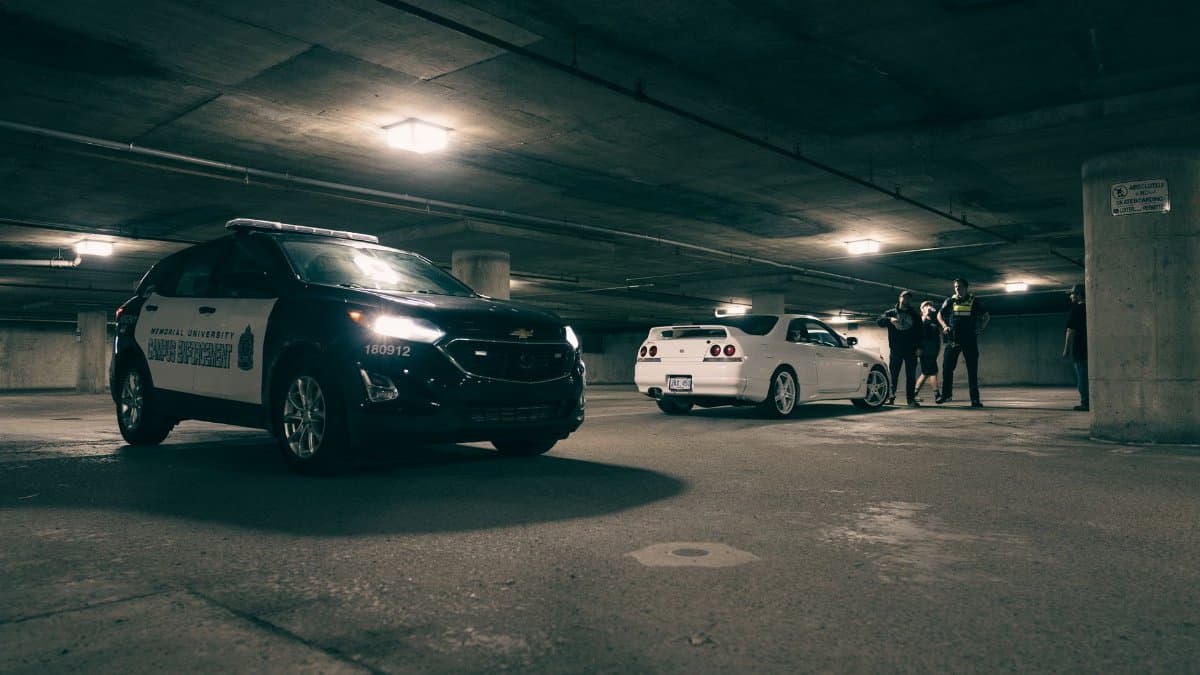
In the heart of Silicon Valley an unexpected scene unfolded when law enforcement officers moved in on an operation that had drawn hundreds of revelers each weekend. A Bay Area illegal nightclub had been running for months in an industrial warehouse space in San Jose complete with makeshift bars and sound systems but without any of the required permits or safety inspections. Residents nearby noticed the late night crowds and pulsing music yet few realized how far outside the rules the entire enterprise had strayed until citations began to pile up.
Local Regulations and Nighttime Gatherings
City codes in San Jose demand that any space hosting live music or serving alcohol obtain specific approvals from health and fire departments. Operators of the venue skipped every step of that process creating an environment where exits were blocked and capacity limits ignored. Enforcement teams documented multiple violations during their inspection that forced an immediate closure.
Community Reactions to the Closure

Neighbors expressed relief once the crowds disappeared yet some younger residents voiced frustration over lost social outlets. Local business owners nearby noted that foot traffic from the events had boosted their own sales on certain evenings. Discussions at community meetings revealed a split between those prioritizing quiet streets and others seeking vibrant after dark options.
Broader Patterns in Regional Nightlife
Similar operations have surfaced across the Bay Area in recent years often tucked into warehouses or former retail spaces. Inspectors report that many of these spots emerge quickly and vanish just as fast when word spreads about potential raids. The pattern points to demand for affordable entertainment that established clubs sometimes cannot match.
Safety Concerns Raised by Officials
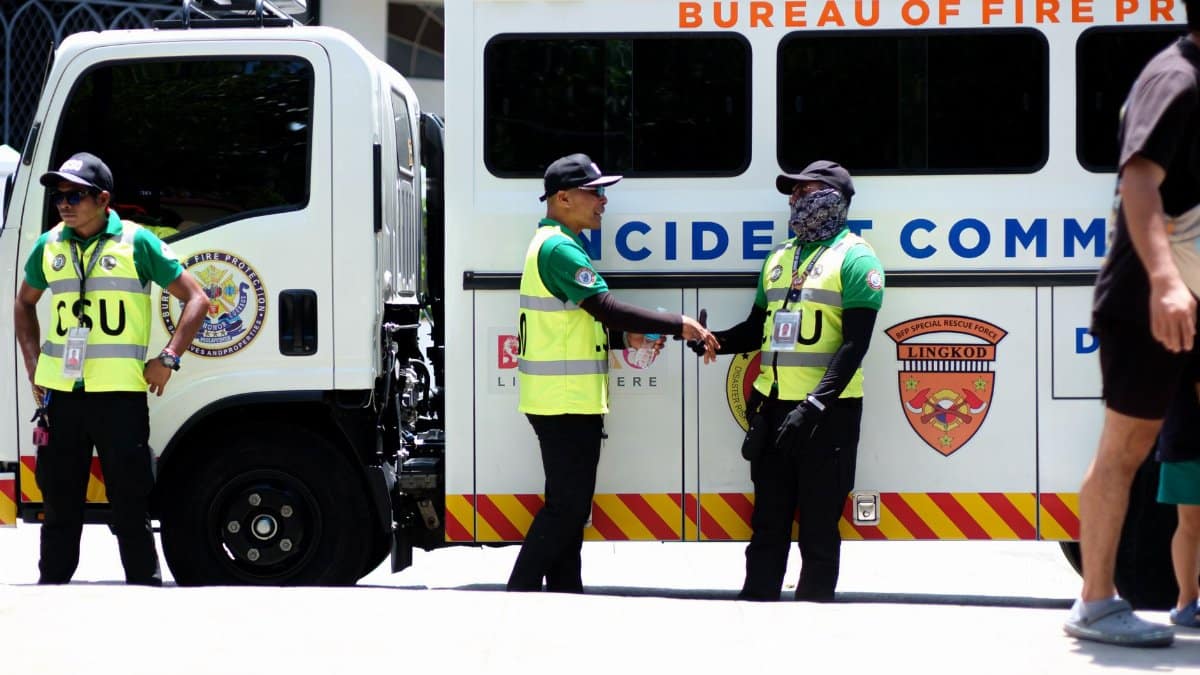
Fire marshals emphasized risks from overcrowding and inadequate ventilation during their reports on the San Jose site. Electrical setups appeared improvised which raised fears of sparks or overheating in enclosed areas. Police logs also referenced occasional disputes among patrons that required intervention before the shutdown.
Economic Drivers Behind Such Ventures

High rents and strict permitting fees in established districts push some promoters toward informal arrangements. The promise of quick profits from cover charges and drink sales can outweigh worries about fines until authorities intervene. Economic pressures on both operators and partygoers help sustain demand even after closures make headlines.
Impact on Established Entertainment Spots

Licensed clubs in the area have argued that unpermitted competitors undercut their prices and draw away customers. Owners claim they invest heavily in compliance measures that informal venues avoid entirely. This tension has prompted calls for streamlined permitting processes that might reduce the appeal of underground alternatives.
Future of After Hours Activities
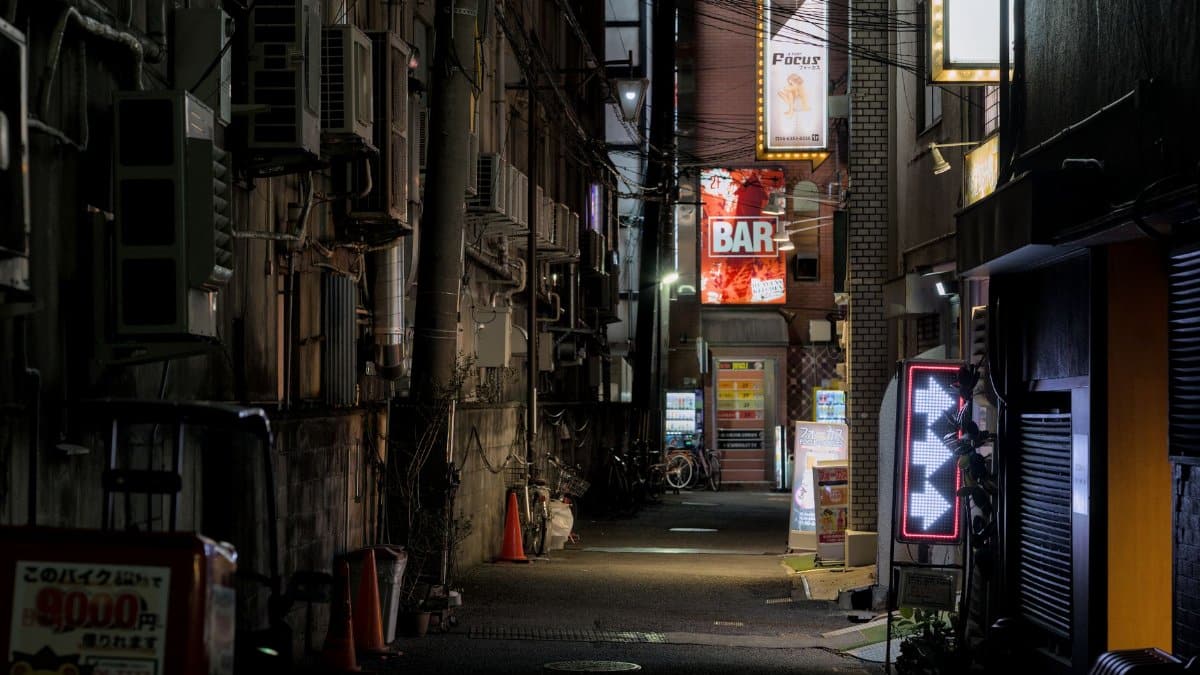
City planners are considering pilot programs that allow temporary event permits in underused industrial zones. Such measures could channel energy from pop up gatherings into monitored settings. Advocates hope these steps will balance safety requirements with opportunities for creative nightlife expression.
Lessons from Enforcement Actions
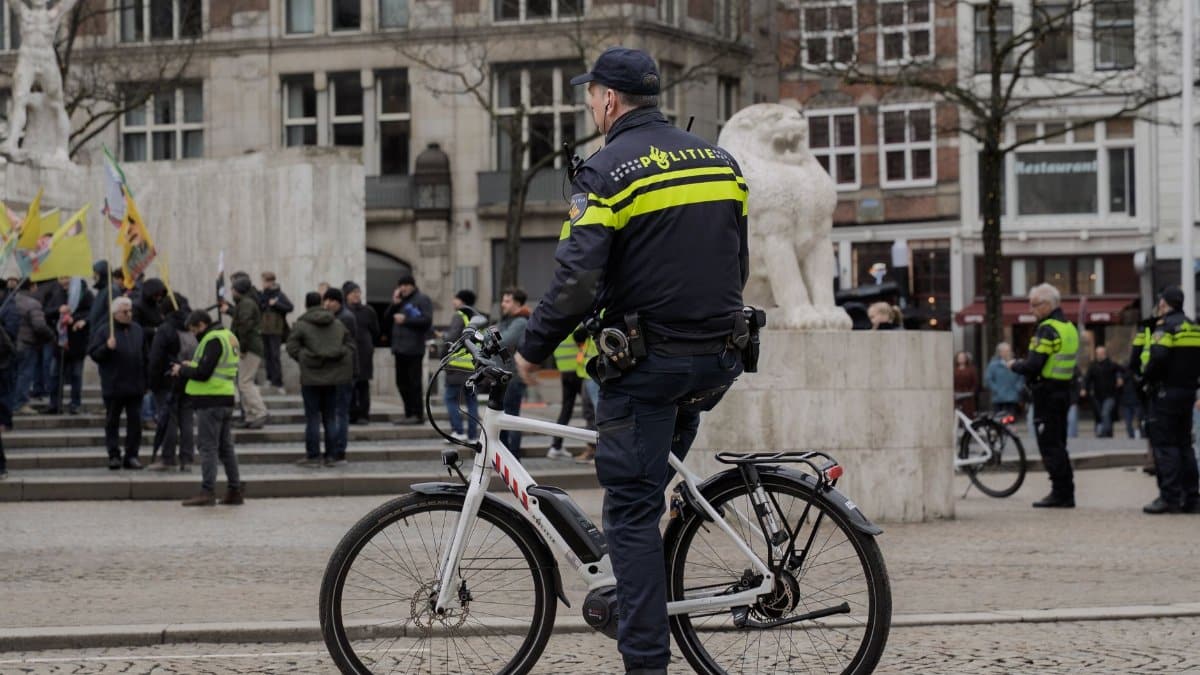
The San Jose case serves as a reminder that building codes exist to protect everyone involved. Repeated violations led to permanent shutdown rather than warnings because prior encounters had yielded little change. Officials continue to monitor social media promotions that hint at new locations emerging elsewhere in the region.