
In a corner of southeastern Pennsylvania better known for horse country and commuter trains than for infectious disease, one county now accounts for more measles cases than most entire states. The Chester County measles outbreak has become the center of Pennsylvania’s largest measles surge in 30 years, with 83 confirmed cases concentrated in communities that public health officials once treated as largely protected. Parents who assumed childhood shots had closed this chapter are finding clinic lines busy and school nurses suddenly central to daily life.
A single county larger than most state totals
The comparison is the part that stops people. Measles has not vanished from the United States, but in a typical year many states record none at all, or a handful tied to travel. Chester County, by the count now attached to this surge, sits above that quiet baseline by a wide margin. Eighty three cases in one county is not a national catastrophe on the scale of past epidemics. It is, however, enough to reorder local life: exposure notices, excluded classmates, delayed appointments, and a health department working nights.
Public health people talk about measles in generations. A generation of parents grew up without seeing it. A generation of clinicians trained on textbooks rather than ward rounds. When a county outruns most states, that distance between memory and reality collapses. The number is not abstract. It is a map of households, workplaces, and waiting rooms inside a place that still looks ordinary from the road.
Why this virus punishes small gaps
Measles spreads through the air and lingers in a room after a sick person has left. One infected person can pass it to most susceptible contacts. That biology is why vaccination coverage has to be very high, not merely decent, if a community wants the virus to die out locally. A pocket of unprotected people is not a private choice in the way a skipped dental visit is private. It is a corridor.
The illness often begins like a hard cold: fever, cough, red eyes, then a rash. Most people recover. Some do not. Pneumonia, ear infections, and, rarely, brain inflammation sit on the severe end. Infants too young for a full vaccine series, pregnant people, and anyone with a weakened immune system carry more of that risk. In a county of this size, those groups are not rare. They are neighbors.
How Pennsylvania lost a long quiet stretch

Pennsylvania had not faced a measles problem of this scale in three decades. That quiet was an achievement, not an accident. Routine childhood immunization, school requirements, and fast response to imported cases kept chains short. The Chester County measles outbreak shows what happens when those chains find fuel. Reporting by The Philadelphia Inquirer has framed the county as the center of the state’s largest outbreak in 30 years, a description that matches the case count now in public view.
Importation still matters. Measles remains common in parts of the world, and a traveler can bring it home without meaning to. What decides whether that spark stays a spark is local immunity. Officials do not need a mysterious new strain to explain a cluster. They need susceptible people in the same rooms, week after week, until the count reaches a number that startles the rest of the state.
Schools and clinics absorbing the shock

The first practical burden falls on schools and pediatric offices. A single case can force a review of who is protected and who must stay home. Exclusion is blunt and unpopular. It is also one of the few tools that works while a virus this contagious is moving. Nurses become investigators. Principals become messengers. Parents rearrange work because a child without documented protection cannot sit in class during an exposure window.
Clinics face a different squeeze. People who delayed shots arrive all at once. People with fever want to be seen without infecting a waiting room full of infants. Separating those streams takes space, staff, and time that ordinary Tuesdays do not have. The Chester County measles outbreak is therefore not only a tally of rashes. It is a stress test of systems built for prevention and suddenly asked to do containment.
The vaccination record everyone thought was finished
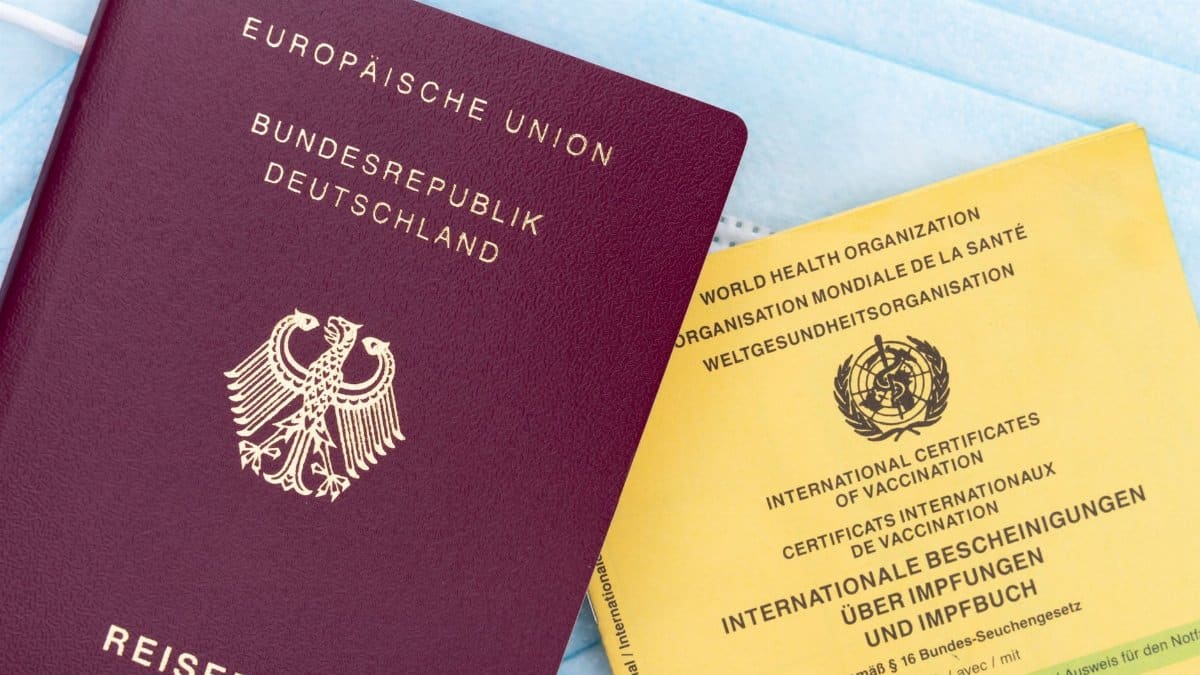
Two doses of measles vaccine, given on the standard childhood schedule, protect the vast majority of recipients for life. That sentence has been true for decades. It has also been easy to treat as background noise. Some families fell behind during the pandemic years and never caught up. Some sought exemptions. Some moved and lost paper records. Some believed online claims that contradicted pediatric guidance and acted on them.
None of those paths requires malice. Together they create the uneven map that measles exploits. Countywide averages can look acceptable while a town, a school, or a congregation sits well below the level needed to stop spread. Outbreaks reveal the average as a polite fiction. The relevant number is the share of people in the actual room.
Faith gatherings and other close rooms

Places of worship, youth groups, and holiday meals do not cause measles. Shared air does. Any setting where people sing, sit shoulder to shoulder, or greet one another for hours can carry a virus that does not need touch. Congregations have also been among the faster networks for accurate information, because trust already exists. A pastor who urges families to check vaccine records can reach people a press release never will.
That dual role is worth stating plainly. Spiritual community is not a risk category. Density is. The same logic applies to sports banquets, daycare pickup lines, and crowded waiting areas. Leaders who speak early, without shame and without rumor, shorten the outbreak. Leaders who wait for perfect certainty often speak after the next generation of cases has already been exposed.
What the illness costs after the rash fades

Even a “mild” case rearranges a household. A week or more of fever and isolation means lost wages, missed shifts, and siblings kept home as a precaution. For a child who develops pneumonia, the cost jumps to an emergency visit or a hospital bed. Measles can also suppress immune memory for a time, leaving a child more open to other infections afterward. Those downstream effects rarely make the headline count of 83, but families feel them.
There is a civic cost as well. Health departments pull staff off other work. Contact tracing at this scale is labor. Every hour spent reconstructing who sat where is an hour not spent on lead, opioids, maternal care, or the ordinary inspections that keep a county functioning. An outbreak of this size is a budget item whether or not anyone labels it that way.
Neighbors watching the county line
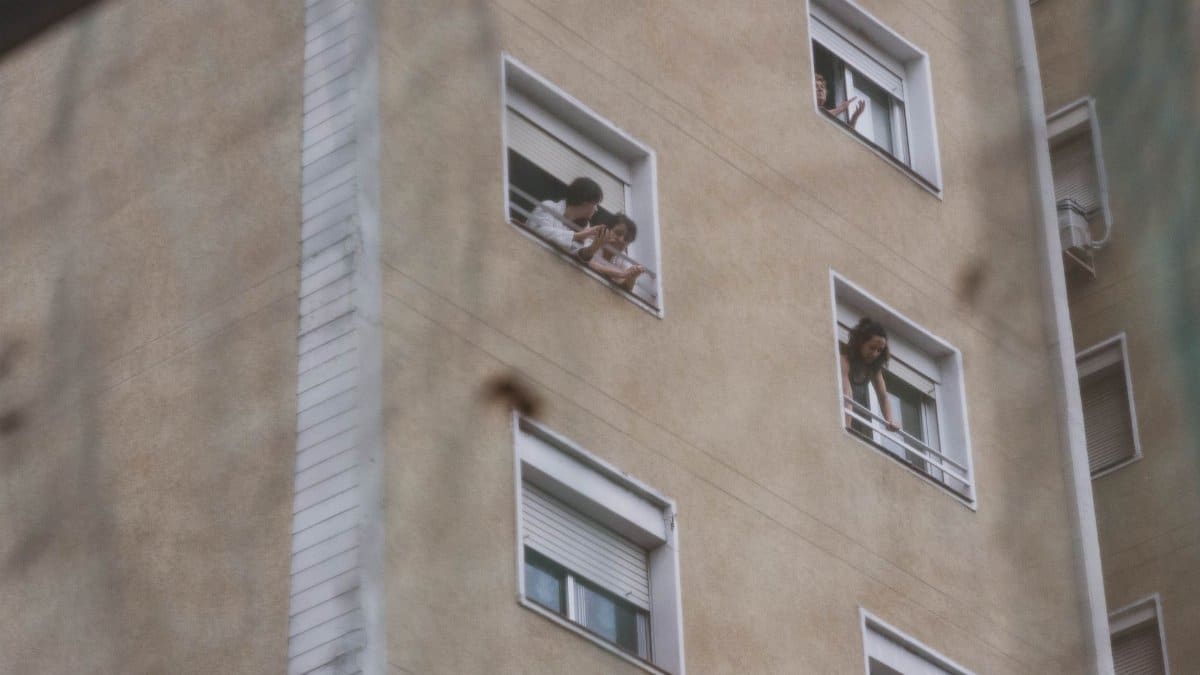
Viruses do not respect municipal borders. Commuters cross them every morning. So do youth sports, medical referrals, and weekend visits to grandparents. Counties next to Chester are right to treat 83 cases as their problem in waiting, not as someone else’s headline. Preparation looks unglamorous: updated vaccine clinics, scripts for school letters, plans for isolating febrile patients, and a clear public number to call.
The lesson from past surges is that delay is expensive. Waiting to see whether cases “stay over there” is how a county cluster becomes a regional one. Early offers of vaccine, especially to infants who have reached the age when an extra dose may be advised during an outbreak, and to adults unsure of their history, are cheaper than hospital care. State guidance should drive those details. The principle does not require a specialist to understand.
Rumor moves faster than contact tracing

Every modern outbreak runs on two tracks. One is epidemiological. The other is narrative. In group chats, measles becomes a plot: a cover for something else, a harmless rash, a reason to distrust clinics. Those stories feel intimate because a friend sent them. They are still stories. Measles is a specific virus with a specific prevention tool that has been used for generations.
Journalists and clinicians share a duty here that is easy to state and hard to keep: describe uncertainty without feeding panic, and describe risk without contempt for people who are scared or skeptical. Shame closes doors. So does false reassurance. The Chester County measles outbreak will be remembered in part by which voice families trusted when the notice arrived from school.
What families can check this week
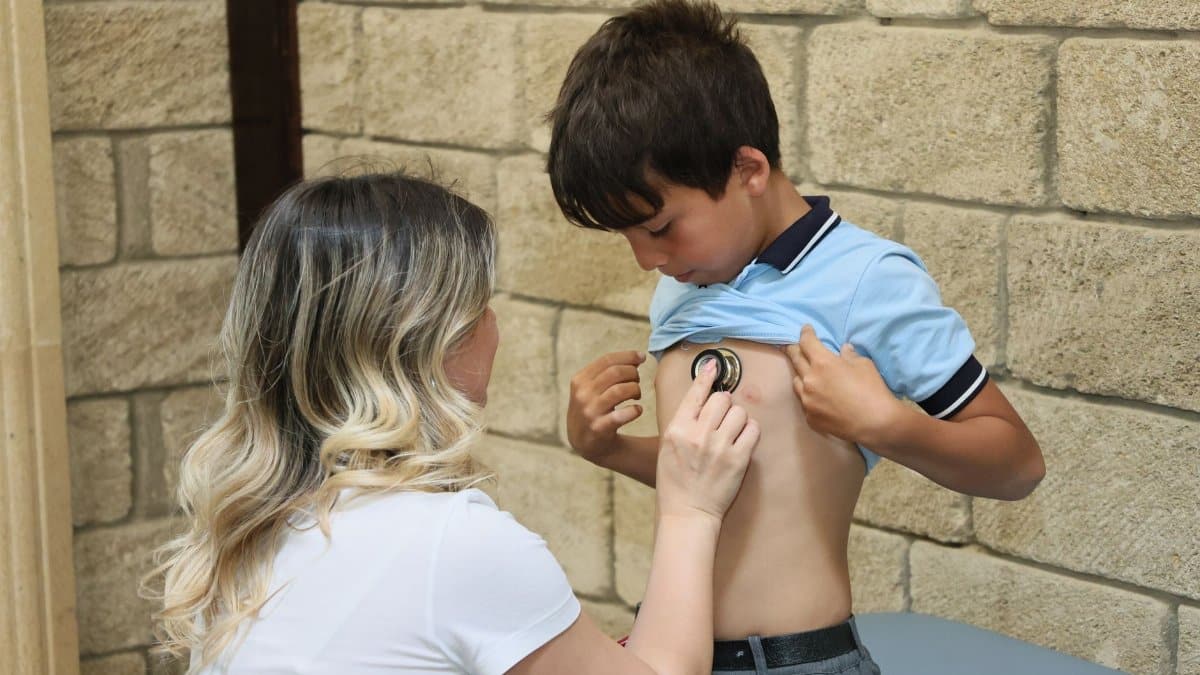
Practical steps are simpler than the anxiety around them. Find the vaccine record. If it is missing, ask a pediatrician or the health department how to confirm protection or receive a dose. Keep a feverish child home. Call ahead before walking into a clinic so staff can limit exposure to infants in the waiting room. If someone in the household is pregnant, immunocompromised, or younger than the usual vaccine age, ask specifically what an exposure means for them.
Adults born in the United States after the mid 1960s who never received measles vaccine and never had the disease should not assume they are fine. A clinician can sort that history. None of this requires heroism. It requires a phone call before the next birthday party, service, or school day.
A number that should not become normal

Eighty three cases in one Pennsylvania county, more than many states will see in a year, is a warning with a return address. The tools that ended the long quiet stretch are the same tools that can end this one: high vaccine coverage, fast isolation, and plain speech from people communities already know. The Chester County measles outbreak will fade from front pages. The habits that allowed it should not.
I have watched enough public health scares to know how quickly a county returns to routine and calls that recovery. Routine is the goal. Amnesia is not. The next imported case is a matter of travel schedules, not philosophy. Whether it stops at one household depends on records checked now, while the rash is still news.