

For much of the past year, New Jersey carried a warning that many people noticed only when a lawn went brown or a car wash posted a smaller sign. On Oct. 2, after three months of rain across the state and the Philadelphia region, officials said the long watch was over. New Jersey drought warning ends is the kind of line that sounds modest until you remember how many mornings began with a glance at a dry gauge. Reservoirs that had looked tired through winter and spring took on a fuller color. The change did not arrive as one heroic storm. It arrived as a season that finally refused to stay dry, and as a decision that the public record of shortage could be closed.
A warning that lasted three hundred days

A drought warning is not a weather forecast and it is not a casual adjective for a dry week. In New Jersey it is an administrative status, a signal that supplies are stressed enough to justify limits, coordination, and a more careful public tone. The warning that has just been lifted stretched across roughly three hundred days, long enough to cover a winter, a spring, and the start of a summer that many residents remember as unusually stingy with rain. That length matters. Short dry spells annoy gardeners. A warning that lasts the better part of a year changes how towns talk about water, how farms plan plantings, and how households treat a resource they usually take for granted.
The end of that status does not erase the months that produced it. It marks a judgment that recent rain has restored enough margin for the state to step down from heightened alert. Readers should hear both parts of that sentence. Relief is real. Memory should remain.
What the rain actually did

Three months of rain is a phrase that can hide a great deal of variation. Some weeks were soaking. Others offered only enough to darken the soil before the sun returned. What distinguished this stretch, according to the public account of the decision, was persistence rather than a single dramatic event. Soils had time to drink. Streams that had run thin gained a more ordinary voice. The Philadelphia region, which shares weather patterns and, in places, water worries with its neighbor across the Delaware, saw the same broad turn toward wetter conditions.
Rain that falls on pavement still rushes away. Rain that falls on thirsty ground does more of the work officials care about. The distinction is easy to miss from a kitchen window. A gray afternoon feels like relief whether the water reaches a reservoir or a storm drain. The people who manage supplies have to ask the harder question: did the wet weather rebuild storage, or did it merely interrupt a deficit? The lifting of the warning is their answer, for now, that the rebuild was sufficient.
How a warning reaches ordinary life
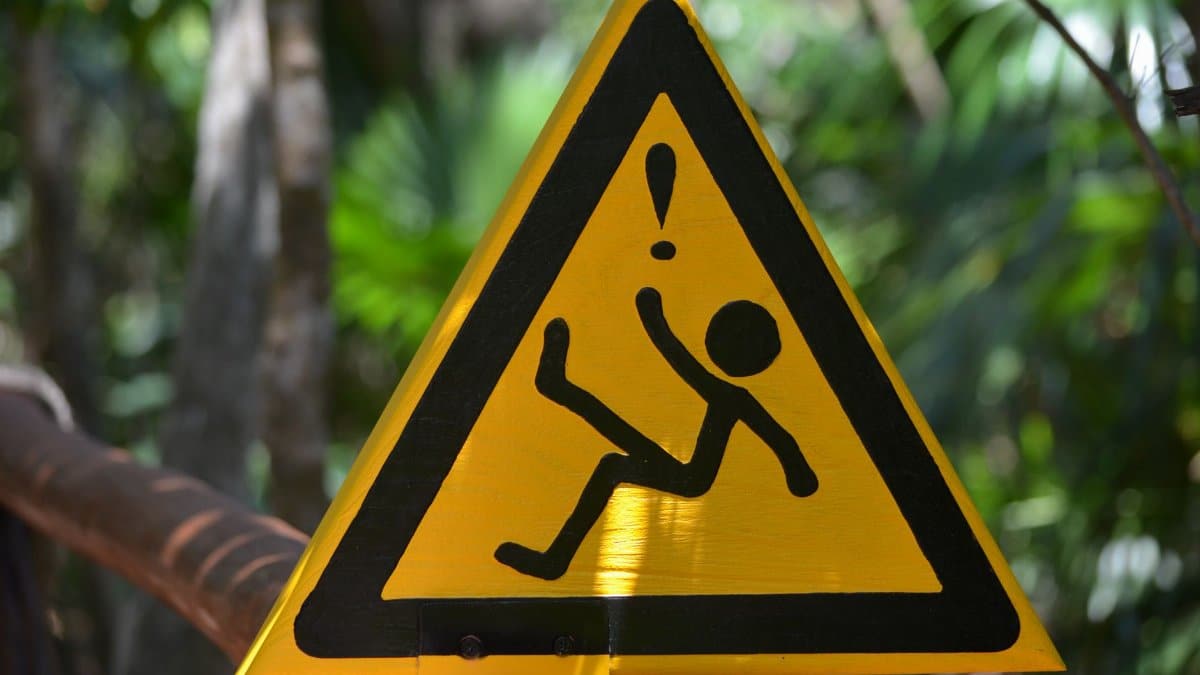
Most residents never read the technical memos that accompany a drought status. They meet the warning in smaller ways. A town asks people to water lawns on odd days only. A school posts a note about shorter showers after sports. A restaurant refills glasses less automatically. None of these gestures saves a reservoir by itself. Together they signal that scarcity is no longer an abstraction.
During the long warning, those gestures became familiar enough to fade into background noise. That fading is a risk. When a restriction feels permanent, people either comply out of habit or stop noticing. When it ends, the opposite risk appears. Relief can look like permission to forget. A mature public response sits between those poles: glad for the rain, unwilling to treat the next dry year as a surprise.
Farms, taps, and the quiet math of supply
Agriculture feels a drought before many city households do. Irrigation costs rise. Planting dates shift. A crop that looked promising in May can finish thin if July offers no help. New Jersey still has a substantial farm economy, from vegetables in the south to orchards and nurseries closer to the urban core. A three hundred day warning is not a headline to those operators. It is a season of decisions about what to plant, what to abandon, and what insurance might cover.
Households meet the same shortage later, and often more gently, because treatment plants and reservoirs are designed to smooth short shocks. The smoothing has limits. When inflows stay low for months, managers draw down storage and hope the next season cooperates. Customers may see little change in the tap even while the system behind the tap grows tighter. That invisibility is a kind of success. It is also why official language has to do work that the faucet will not do. If water still flows, people need another way to know that the margin is thin.
A shared weather story with Philadelphia

State lines do not organize clouds. The rain that helped end the New Jersey warning also fell across the Philadelphia region, and the two places have long read each other’s skies. Commuters cross the river every day. So do news habits. A dry summer in one place is rarely a private event for the other. When New Jersey drought warning ends, readers in Pennsylvania have reason to pay attention, not because their own rules change automatically, but because the regional pattern that stressed one supply can stress another.
Shared weather is not the same as shared governance. Each state, and often each water system, keeps its own thresholds, its own reservoirs, and its own way of speaking to the public. A resident in Camden and a resident in Center City can stand in the same rain and live under different rules. That complexity is easy to flatten in a headline. It is worth keeping in view. Relief in one jurisdiction is encouraging news for the region. It is not a universal all clear.
Why officials wait before they declare relief

Ending a warning too early would be a worse error than keeping it a few weeks longer. Water systems fail slowly and recover slowly. A wet fortnight can lift spirits without lifting storage to a safe level. Managers therefore look past the most recent weekend forecast and ask whether the recovery is broad enough to survive the next dry spell. The Oct. 2 decision, coming after three months rather than three days, fits that caution.
Caution can look like delay to people who have already put the hoses away and watched the grass green up. The impatience is understandable. Lawns recover faster than deep storage. Public trust depends on officials explaining the lag without talking down to the audience. The warning lasted as long as it did because the deficit was real. It ended because the subsequent rain was judged real as well. Both judgments deserve plain language.
What should not be packed away with the signs

There is a temptation, after any long restriction, to treat normal use as a reward. Some of that is healthy. People should not live as if every shower is a moral test. A warning that never ends teaches the wrong lesson, which is that conservation is only a crisis costume. The better lesson is narrower and more durable. Fix the leaking toilet because it wastes money in a wet year and a dry one. Choose plantings that do not demand constant irrigation. Notice, once in a while, how much water a household actually moves through a week.
Communities can keep a few of the habits the warning encouraged without keeping the warning itself. Odd day watering need not be a permanent ordinance. Attention can be. Towns that published clear updates during the dry months should not go silent now that the status has improved. Silence after relief breeds the next round of surprise.
Autumn rain and a winter still unwritten

October in this part of the country can be generous or abruptly spare. The three months of rain that supported the decision do not dictate November, December, or the snowfall that, in a good year, recharges soils more quietly than a thunderstorm. Winter precipitation matters because it arrives when evaporation is low and when vegetation is not competing as hard for every inch. A wet autumn is a gift. It is not a contract.
Climate scientists have spent years telling the Mid Atlantic that averages can hide sharper swings: wetter wet periods, and dry spells that arrive with less warning than older residents remember. This article will not pretend a single warning proves a new era, or that its end disproves one. It will say something plainer. A state that just spent three hundred days under heightened drought status has fresh evidence that its margin can shrink. New Jersey drought warning ends, and the sentence should be read as a status change, not as a promise that the sky has reformed.
How to read the next forecast

Weekend forecasts will keep coming, full of high temperatures and the chance of showers, and most of them will have nothing to do with drought administration. That is fine. Daily weather and long supply are related but not identical. A sunny Saturday does not reopen a warning. A rainy one does not, by itself, justify forgetting how the last year felt. Readers who want a sane relationship to this news can hold two clocks at once: the clock of the week ahead, and the clock of storage, soil, and streamflow that officials watch when they decide whether a warning should exist at all.
The practical habits are unglamorous. Check whether your town has lifted any local limits that rode along with the state status. If you depend on a well, do not assume a regional headline describes your water table. If you farm or keep a large garden, treat the improved outlook as room to plan, not as a reason to stop planning. If you simply live in a house with a municipal tap, enjoy the ordinary luxury of water that arrives without a speech, and keep one ear open for the next time officials raise their voice.
A quieter kind of news

Some stories announce themselves with damage. This one announces itself with an absence: the warning is no longer in force. Absence is harder to photograph. There is no dramatic wreckage, only grass that is greener than it was, reservoirs that sit higher than they did, and a line in the public record that has been closed after three hundred days. That quieter news still deserves a full telling. People organize their sense of safety around what officials are willing to say out loud. When the state says the shortage has eased, it is giving residents permission to exhale, and also giving them a measure of how long the last inhale lasted.
I have watched enough weather cycles in this region to distrust both panic and complacency. A dry year can feel endless in August and forgettable by the following spring. The work of a public warning is to keep the dry year from becoming forgettable too soon. Now that New Jersey drought warning ends, the useful memory is not fear. It is proportion. Water was scarce enough, for long enough, that the state asked people to treat it as scarce. Rain then did enough of its old work that the ask could be withdrawn. Both facts can be true in the same autumn, and both are worth keeping when the next dry stretch begins, whenever that is, and however gently it starts.