

On a sweltering summer day in Chicago the air buzzed with anticipation as baseball fans debated roster changes that could define seasons ahead. The citys two major league clubs approached the August third two thousand twenty six cutoff with clear goals in mind. Activity around the Cubs White Sox deadline reflected a shared desire to strengthen pitching staffs and add versatile players who might deliver immediate results on the field. Observers noted how both organizations navigated a crowded market filled with opportunities and risks alike. The moves signaled a commitment to contention rather than waiting for future years to unfold.
Background on Recent Team Performances

The Chicago Cubs entered the period with a record that hovered near the top of their division yet showed gaps in relief pitching depth. Meanwhile the White Sox faced challenges with starting rotation consistency after injuries mounted earlier in the campaign. Analysts pointed to patterns from prior months where late additions often lifted clubs into playoff positions. Both squads reviewed available talent lists carefully weighing contract lengths against potential contributions.
Key Pitching Moves by the Cubs

Chicago added two veteran arms known for their ability to handle high leverage situations. These pitchers brought experience from other clubs and fit into existing bullpen structures without major adjustments. Front office decisions emphasized reliability over raw velocity in this case. The additions addressed concerns that had surfaced during recent series against strong opponents.
White Sox Focus on Roster Depth

Across town the White Sox targeted infielders and outfielders who could provide defensive stability and occasional power at the plate. One acquisition stood out for his history of adapting quickly to new lineups. Team officials highlighted how these players filled specific gaps left by absences due to health issues. The approach aimed at creating flexibility for managers during the remaining schedule.
Market Conditions Influencing Decisions

The overall landscape featured several clubs eager to part with talent in exchange for prospects. This dynamic allowed the Chicago teams to secure assets without surrendering top tier minor leaguers. Discussions centered on balancing short term gains with long term organizational health. Observers from other cities watched the proceedings closely for clues about broader trends.
Fan Reactions Across the City
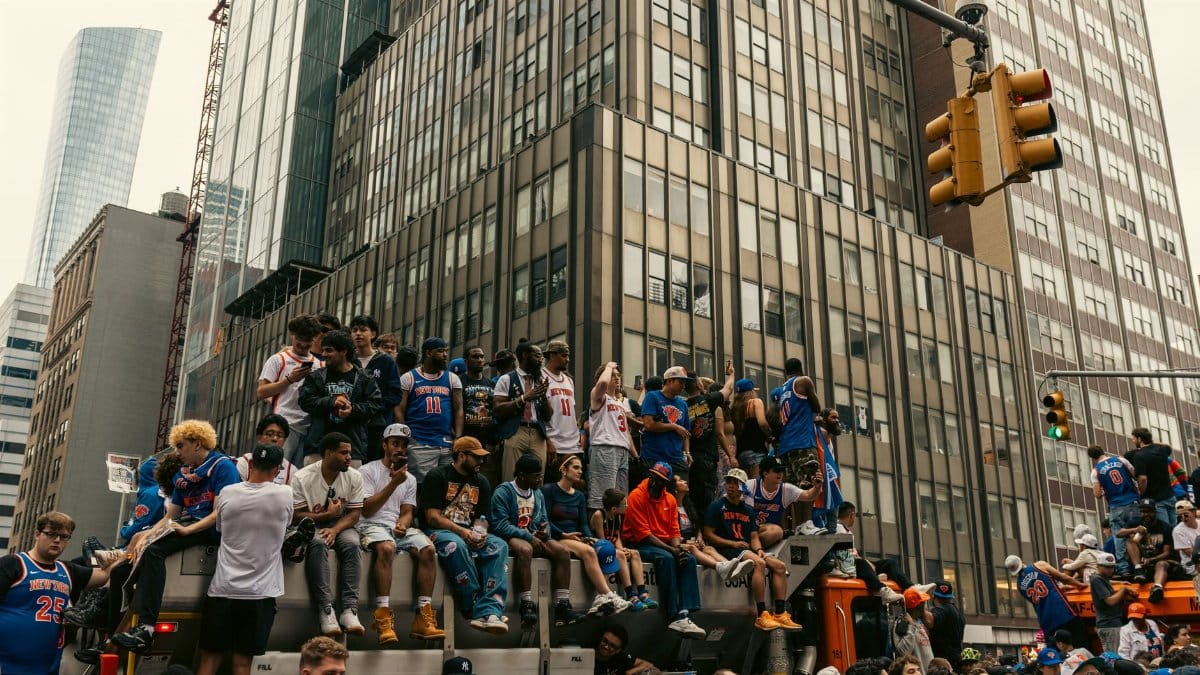
Supporters expressed a mix of optimism and caution following the announcements. Some praised the aggressive stance while others wondered about the financial commitments involved. Social media platforms lit up with analysis from longtime followers who recalled similar periods in past decades. Local radio shows devoted segments to breaking down the implications for upcoming matchups.
Expert Views on Long Term Effects

Baseball specialists suggested the changes could improve win totals if the new players integrated smoothly. They noted historical examples where similar deadline activity led to extended success. Caution remained about overreliance on untested combinations in critical games. Projections from independent models offered varied outlooks depending on health and performance variables.
Comparisons With Past Deadlines

Previous years saw less movement from both clubs as they prioritized different strategies. The current activity marked a shift toward active participation in the market. This evolution reflected changes in leadership philosophies and available resources. Comparisons helped frame the significance of what unfolded this time around.
Potential Playoff Implications

With the regular season winding down the additions positioned both teams for possible postseason berths. Success would hinge on how well the newcomers meshed with established cores. Road games against division rivals loomed as early tests of the revised rosters. The remainder of the schedule promised intense competition.
Broader Context in Major League Baseball

The events in Chicago fit into a league wide pattern of clubs seeking edges through targeted trades. Other markets observed similar patterns of activity though few matched the volume seen here. This period often serves as a turning point for franchises aiming to alter trajectories. The focus remained on sustainable improvement rather than fleeting moments.