
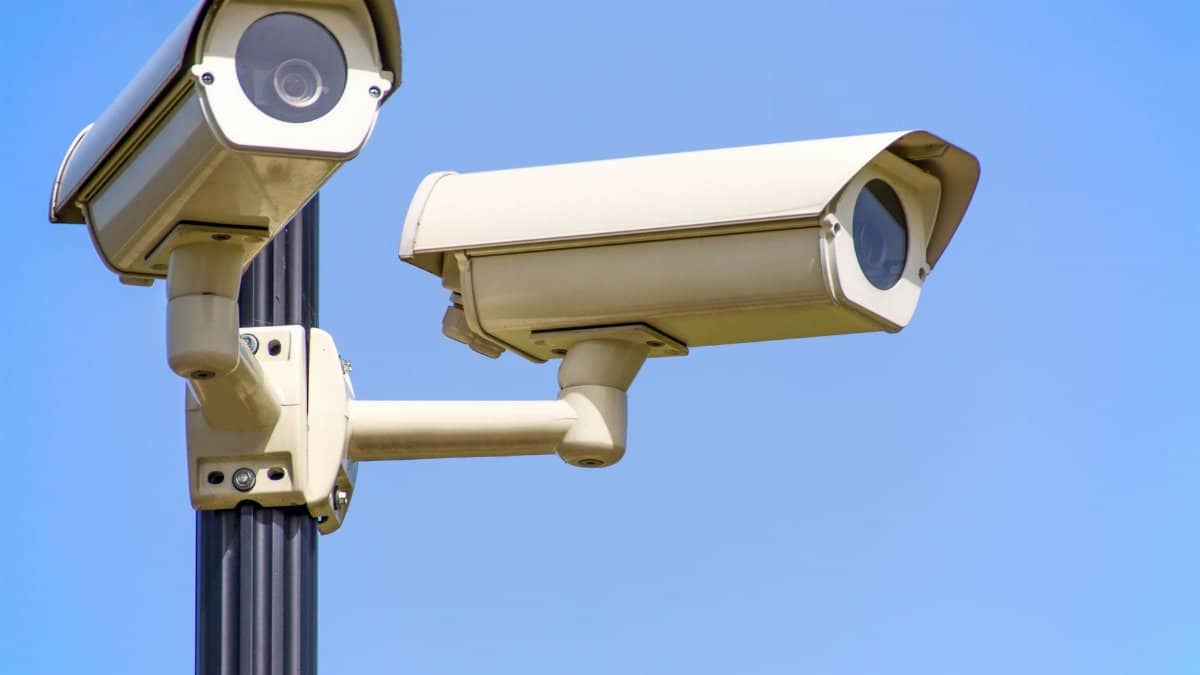
Residents across Los Angeles have found themselves at the center of a growing debate about surveillance technology after authorities announced a pause on certain camera systems. The move highlights ongoing tensions surrounding LAPD Flock cameras privacy as officials weigh public safety benefits against individual rights. Local communities now question how data from automated license plate readers will be handled in the future while city leaders review policies that affect daily life in neighborhoods from downtown to the suburbs.
Announcement of the Program Pause

The Los Angeles Police Department decided to halt its partnership with the Flock system following internal reviews and external feedback. Officials cited insufficient guidelines for data retention and access as primary reasons for the step back. This decision came after months of discussion among department heads and city council members who sought clearer rules before continuing operations.
Core Functions of License Plate Readers

These cameras capture images of vehicle plates as cars pass through intersections and along streets. The technology then matches plates against databases for alerts on stolen vehicles or persons of interest. In practice the system processes thousands of images each day creating a detailed record of movement patterns across the city.
Concerns Over Data Retention Periods
Critics point out that stored images remain accessible for extended periods without strict time limits. Without defined expiration dates the information could be used in ways that extend far beyond original law enforcement goals. Community advocates have called for automatic deletion after a short window to protect routine travel records from unnecessary exposure.
Questions About External Data Sharing

One major issue involves how information flows to other agencies or private entities. Reports indicate that data from Los Angeles cameras has reached departments in neighboring regions raising fears of broader networks without local consent. Residents worry this creates opportunities for tracking beyond city borders in the absence of formal agreements.
Impact on Neighborhood Trust Levels

Many Angelenos report feeling uneasy knowing their vehicles are logged during ordinary errands. This unease has grown in areas with higher camera density where daily routines now carry an added layer of monitoring. Building back confidence will require transparent explanations from police leadership about actual usage and safeguards.
Legal Frameworks Governing Surveillance Tools
California state laws provide some protections yet gaps remain when it comes to automated systems like these. Court rulings have addressed traditional policing methods but newer technologies often operate in gray areas until tested through litigation. Lawmakers may need to introduce targeted legislation to close these openings.
Comparisons With Other Metropolitan Areas
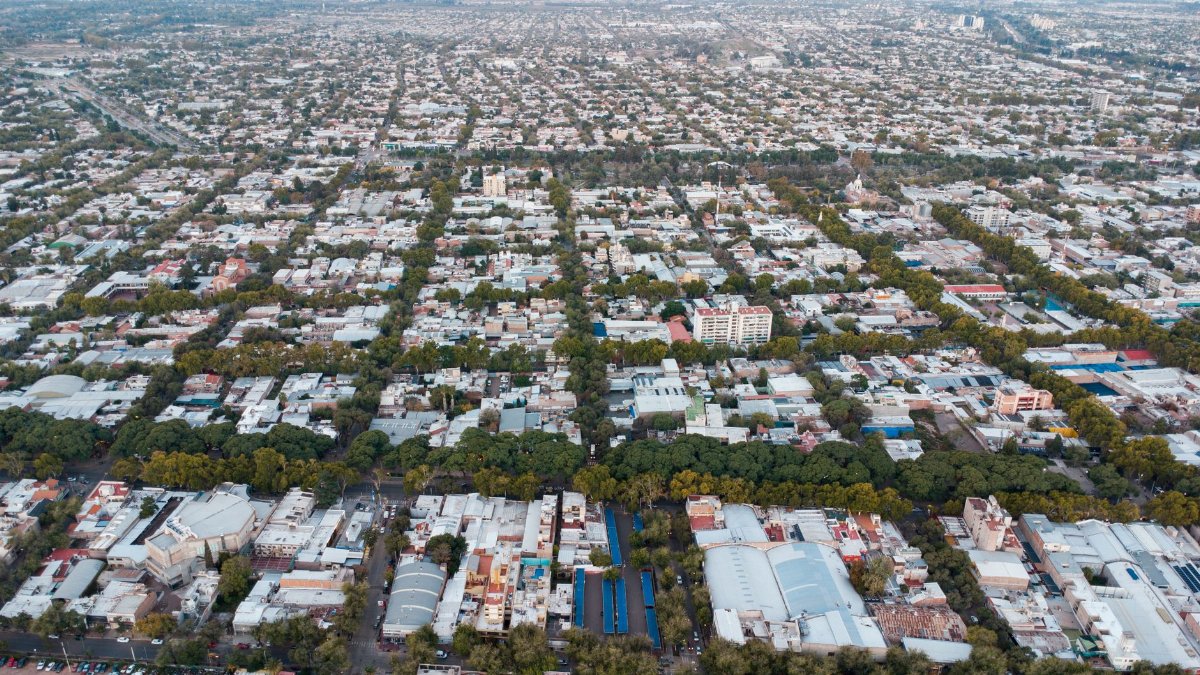
Cities such as San Francisco and New York have faced similar discussions around plate reader programs. Some have imposed tighter oversight or required regular public reports on system performance. Los Angeles can draw lessons from those experiences while adapting rules to its own scale and diverse population.
Balancing Safety Goals With Civil Liberties
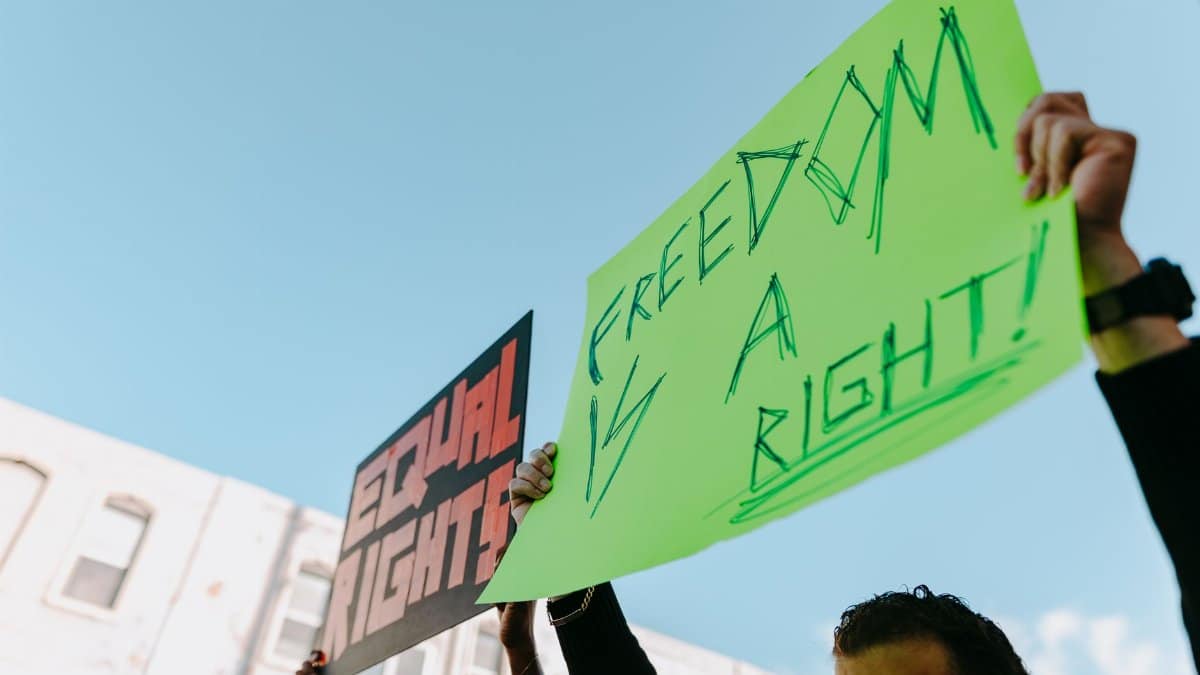
Supporters of the cameras argue they aid in recovering stolen property and locating missing individuals. At the same time opponents emphasize the risk of profiling or misuse when oversight is weak. Finding middle ground involves clear metrics that demonstrate benefits without compromising core freedoms.
Role of Community Input in Policy Reviews
Public meetings have drawn residents eager to voice opinions on the future of such tools. Organizers note strong turnout from both privacy focused groups and those prioritizing crime reduction. Incorporating these perspectives early can lead to policies that reflect broader consensus rather than top down directives.
Potential Paths Forward for Oversight

Experts suggest independent audits and annual disclosures as steps to restore accountability. Training for officers on appropriate data handling would further strengthen safeguards. These measures could allow limited use of the technology while addressing the core issues that prompted the current suspension.