
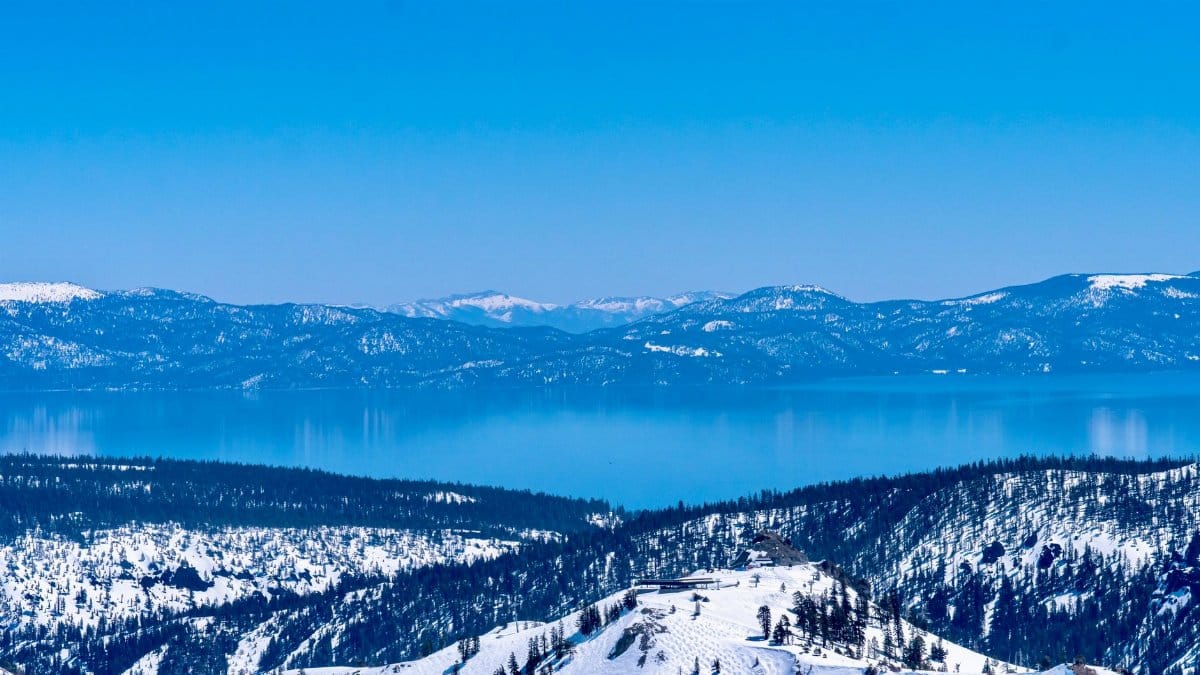
A cold front that stalled over the Sierra Nevada did what calendars rarely allow. It buried high terrain in more than four feet of new snow and forced a familiar question onto resort desks earlier than planned. Kirkwood opening early is the practical answer: the Tahoe area mountain will welcome skiers and riders on Monday, Nov. 23, nearly two weeks before the Dec. 4 date it had posted. For people who measure autumn by lift tickets rather than by leaves, the shift is not a small courtesy. It is a rewrite of the first chapter of winter, and it arrives while many driveways in the valleys are still bare.
What the storm actually delivered
The headline number is simple and large. More than four feet of fresh snow fell on the mountain in a burst that outran the published plan. In the Sierra, depth is never the whole story. Wind can strip one ridge and load another. Temperature decides whether the new layer bonds or sits like a loose blanket on older crust. Operators do not flip a switch because a stake in the snow looks impressive in a photograph. They wait until groomers can build a surface, until designated runs hold enough cover to protect rocks and stumps, and until the people who run lifts, patrols, and ticket windows can be on the hill at once.
Kirkwood sits high on the southern side of the Tahoe basin, a place that has long collected storms other resorts only hear about on the radio. That geography helps explain why a November system can turn a target date into a suggestion. Four feet is enough to change the math. It is not a guarantee of perfect skiing from the first chair. Early snow is often dense in one pocket and sugary in the next. The honest description is abundance with caveats, not a finished winter dropped from the sky.
Why the calendar moved

Resorts publish opening days the way theaters publish curtain times. The date is a promise to staff, to season pass holders, and to hotels that have already taken deposits. Moving it forward is harder than delaying it. Delay can be explained as caution. An advance requires confidence that the product will exist when the gate opens. Kirkwood opening early means managers judged that confidence to be real, not theatrical.
The original Dec. 4 plan was a reasonable hedge. November in the Sierra can be generous or empty, sometimes in the same week. A storm of this size shortens the hedge. Nearly two weeks is not a rounding error on a marketing calendar. It is extra payroll, extra power for lifts, and extra pressure to have enough terrain open that the trip feels worth the drive from the Bay Area, Sacramento, or Reno. The decision signals that cover on the intended opening routes crossed an internal line. Outsiders rarely see that line drawn on a map. They see it in a revised date and a social media post that travels faster than any press release.
How an early gate changes the mountain
An opening is not the whole mountain. In late November, even a snowy one, visitors should expect a limited menu. A few lifts, a handful of runs, and a base area that still feels like a construction site of winter rather than its downtown. That limited menu can be excellent. Soft snow on a short list of trails often skis better than a wide map of firm, scraped lanes in January. The trade is variety for quality, and patience for bragging rights.
Early openings also reorder the social life of a resort. Locals who know which ridges load first tend to appear before the weekend crowds learn the new date. Pass holders treat the first Monday like a private rehearsal. Destination travelers, who book flights around published calendars, may miss the first days entirely. The mountain is the same acreage. The audience is not. For a few mornings the lift line can feel like a club with a weather requirement instead of a dress code.
What visitors should expect on day one

Anyone driving up for Monday should plan for a resort that is awake but not fully dressed. Parking lots may still be ringed with equipment. Restaurants may run shorter menus. Rental shops will be busy with people who stored their boots in July and are now hunting for a missing buckle. The snow report will matter more than the trail map. If only a slice of terrain is open, the question is not how many acres the resort owns. It is how many acres are actually under a moving chair.
Roads deserve equal respect. Four feet on the upper mountain does not describe every approach from the valley. Chain controls, sudden fog, and drivers who have not touched winter tires since last March are part of the same weather system. The smart arrival is early, fueled, and willing to turn around if the highway looks worse than the forecast. A closed gate at the resort is an inconvenience. A closed gate on the pass is a different problem.
The economics of a head start

Snow is scenery until someone pays to ride a lift. Then it becomes inventory. Kirkwood opening early adds inventory to a month that is usually thin. Lodges, shuttle drivers, instructors, and the small businesses that orbit a ski town live on a short season. Two extra weeks at the front end can matter as much as a storm in March, because November and early December are when people decide whether this winter will be the one they commit to. A credible opening photograph travels. It sells day tickets, and it quiets the annual anxiety that a pass was bought for a winter that might not show up.
There is a cost on the other side of the ledger. Staff who expected to start in December may be called in while other jobs still have a claim on their calendars. Grooming fleets burn fuel on terrain that may later be buried again, or that may sit exposed if the next storm misses. Insurance, power, and patrol coverage do not scale down just because only a few runs are open. An early open is a bet that revenue and reputation will outrun those costs. Storms make the bet look wise. A dry fortnight after opening can make it look impatient.
Neighbors watching the same sky

Tahoe is not one resort. It is a ring of mountains that share a storm track and compete for the same cars. When one operator moves a date, the others feel it, even if their own snow stake tells a different story. Elevation, aspect, and the accident of where a band of moisture parked can separate neighbors by feet of snow and by weeks of readiness. A guest who sees one early opening may assume the whole basin is ready. That assumption is how people end up disappointed on a mountain that is still brown at the base.
The healthier reading is comparative, not contagious. Kirkwood opening early is evidence about Kirkwood, not a regional decree. Other hills may follow if their own cover and staffing line up. Some will hold the published date because their terrain needs more depth before a groomer can do honest work. Travelers who treat the basin as a single product will misread the week. Travelers who read each snow report as a separate document will not.
Safety when the season starts fast

Fresh snow invites speed, and early season snow hides the furniture of summer. Rocks, stumps, and thin spots over creeks do not vanish because a storm total sounds generous. Patrols know this. Many guests forget it between April and November. The first days reward a conservative line choice: stay on marked, opened runs, assume that off piste is not in play, and treat any rope as a statement about what lies beyond it rather than as a suggestion.
Avalanche terrain is a separate subject, and an early deep storm does not retire it. Even when a resort is operating inside its boundary, the backcountry around the Tahoe crest can be in a different condition. People who step past the rope on day one are not collecting a bonus. They are entering a snowpack that has had little time to settle and little professional observation. The resort’s decision to open lifts is not a forecast for the wild ridges next door. Those remain a matter for people with training, partners, and the willingness to turn around.
What the rest of November may hold

Weather does not sign contracts. The same pattern that delivered more than four feet can break, stall, or reload. If another system follows, the limited opening can widen quickly, and the Dec. 4 plan will look like a relic. If high pressure takes over, the new snow will settle, sun will work the aspects that face it, and the early terrain will need care to stay skiable. Either path is ordinary Sierra behavior. The unusual part is that the season has a start date that is no longer theoretical.
For the broader public, the story is less about one resort’s operations manual than about how winter now announces itself. People plan holidays, school breaks, and the long drive over the mountains around a sense of when the high country becomes usable. A Monday opening in late November pulls that moment forward. It will delight some and inconvenience others who had arranged their month around a later gate. Both reactions are fair. Snow does not consult either group.
A season that begins before the script

There is a ritual to the first day, and it survives even when the date moves. People stand in a lot that still smells like cold pavement, click into boots that feel unfamiliar, and ride a chair into weather that the valley has not earned yet. Kirkwood opening early simply moves that ritual onto Nov. 23. The mountain will not be finished. Winter rarely is, in its first week. What visitors will find is a resort that chose to start because the snow was deep enough to justify the choice, nearly two weeks ahead of the plan it had been willing to defend.
That is the whole news, and it is enough. A major Tahoe area ski resort will open early with more than four feet of fresh snow on the ground. The rest is judgment: how much terrain is honest, how careful the drive should be, and whether the next storm arrives before the first one is forgotten. Calendars can be revised. Mountains keep their own.