
On a winter afternoon when the Gulf still looks like hammered tin, Galveston is already counting beads, brass, and the long walk beside the sea wall. The island has fixed its carnival calendar, and Mardi Gras Galveston 2027 will run from January 29 through February 9, an early celebration that asks visitors to skip the usual late winter wait. Planners have put tickets on sale and promised more than 20 parades, along with live music and the familiar rain of plastic treasure. For people who treat the season as both a street party and a marker on the church year, the dates decide everything: when to book a room, when to take the causeway, and when to stand in a crowd that briefly feels like the whole coast has agreed to meet on one island.
A festival that ends on Fat Tuesday

The close of the run is not an arbitrary Tuesday. In 2027 Easter falls on March 28, which places Ash Wednesday on February 10 and Fat Tuesday on February 9. Carnival, in the old sense, is the season of farewell before the quieter disciplines of Lent. Galveston has built a modern festival on that ancient hinge, stretching the farewell across nearly two weeks so that a single night of excess becomes a sequence of parades, concerts, and neighborhood gatherings.
That stretch matters for anyone planning a trip from Houston, Dallas, or farther inland. A festival that begins in late January and ends on the traditional last day of carnival gives families a choice of weekends and gives night owls a final Tuesday that still carries the old name. The island is not inventing a new holiday. It is fitting a Gulf Coast party to a calendar the Christian world has used for centuries.
Why the island celebrates before much of the country notices
Most Americans meet Mardi Gras through television images from New Orleans, usually a blur of purple, green, and gold on a single famous day. Galveston has long insisted on a different rhythm. Its celebration is earlier in the public mind because the marketing starts as soon as the dates are set, and because the island economy depends on filling hotel rooms in a month when northern visitors still think of the beach as closed.
There is a practical mercy in that timing. Late January and early February on the upper Texas coast can be mild, raw, or both in the same afternoon. Hotels are easier to find than they will be at spring break. Restaurants still have tables if you arrive before the weekend crush. The festival borrows the colors and the mythology of carnival, then sets them against a working port, a Victorian downtown, and a sea wall built after a storm that still shapes how the city thinks about crowds and weather.
What the streets are built to hold
More than 20 parades is not a small promise. It means floats moving through downtown and along familiar festival routes, bands keeping time, and spectators who have learned exactly where to stand if they want a clear view rather than a photograph of someone else’s shoulders. Beads remain the currency. Children treat them as proof of patience. Adults treat them as souvenirs of a night they will describe, with varying accuracy, on the drive home.
Live music fills the gaps between processions. That mix is the real product: not a single headliner, but a city that agrees for eleven days to be louder than usual. Visitors who come only for a concert miss the point. Visitors who come only for a parade miss the hour afterward, when the street smells of fried food and the band is still packing up and strangers compare what they caught.
Tickets and the decision to commit early

Tickets going on sale is the moment a date on a poster becomes a plan. Grandstand seats, reserved viewing, and special events tend to move first, especially for the weekends closest to Fat Tuesday. General street viewing remains the democratic option, the one that requires only a spot on the curb and a willingness to arrive before the people who know the drill.
Buying early is less about status than about logistics. Galveston is an island with a finite number of rooms, a finite number of parking spaces, and a causeway that can turn a short drive into a long lesson in patience. Travelers who wait until the first parade photos appear online often discover that the romantic inn is gone and the chain hotel near the sea wall is holding a rate that assumes desperation. The announcement of Mardi Gras Galveston 2027 is, among other things, a polite warning to decide.
How a weekend actually feels

A first timer often imagines one endless parade. Veterans know the festival has a pulse. Weeknights can feel local, almost neighborhood, with room to see the floats and hear the announcer. Saturdays swell. Families arrive with wagons, coolers, and folding chairs. Groups of friends claim corners the way other people claim tailgates. By the final weekend the island is performing for itself and for everyone who drove down Interstate 45 with purple shorts in a suitcase.
The pleasure is physical and a little absurd, which is part of the tradition. You stand longer than you meant to. You eat something you would refuse on an ordinary Tuesday. You shout at a stranger on a float because the stranger is throwing something shiny and the rules of ordinary reserve have been suspended by common consent. Then the parade ends, the street sweeper eventually comes, and the city returns, not quite unchanged, to ferries, shrimp, and the ordinary business of a port.
Faith, excess, and the day after
It would be dishonest to describe this only as spirituality, and dishonest to describe it only as a party. Carnival has always held both. The name points to meat, to the last rich meals before a fast. In Galveston that history sits beside beach bars and ballroom galas, beside churches that will mark Ash Wednesday the morning after the last beads fall.
For some visitors the religious frame is the reason the dates matter. They want the feast because they intend the fast, or because they grew up in houses where Mardi Gras was explained at the dinner table before anyone mentioned a parade. For others the frame is background, a story that makes the colors feel older than a marketing campaign. Either way, the festival is more interesting when you know what it is refusing to be: an ordinary winter weekend. It is a deliberate spike of joy placed just before a season that many traditions still treat as reflective.
That does not require a sermon on the sea wall. It does suggest a way to watch. Notice who is celebrating a last night out and who is celebrating a last night before Lent. They are often in the same photograph.
Weather, walking, and the Gulf in winter
Anyone who has trusted a February forecast on this coast knows to pack for two climates. A clear afternoon can feel like early spring. A north wind after dark can make a light jacket seem like a joke. The sea wall offers little shelter. Downtown streets hold heat from the day and then give it up. Comfortable shoes matter more than a costume, though costumes remain welcome and sometimes astonishing.
Rain is the variable nobody can schedule around. Parades may roll through a shower or pause when lightning makes a metal float a bad idea. Organizers watch the sky; visitors should do the same and keep a flexible evening. The festival is long enough that one washed out night rarely ruins the trip, provided you did not stake the entire visit on a single procession.
Where people sleep and how the island absorbs them

Lodging is the quiet drama behind every public date announcement. Historic inns near the Strand fill with people who want to walk to the noise. Sea wall towers fill with people who want a balcony and a view of water that has nothing to do with beads. Houses rented for a few nights fill with extended families who need a kitchen and a place to store the folding chairs.
The island has practice at this. Cruise passengers, holiday crowds, and storm season evacuees have taught Galveston how many visitors its streets can hold and where the strain shows first: parking garages, popular restaurants, the line for coffee on a Sunday morning. Coming for Mardi Gras Galveston 2027 means joining that strain on purpose. The courteous visitor books ahead, walks when walking is faster, and remembers that the person serving gumbo has been on their feet since the first weekend.
A regional ritual, not a copy of New Orleans
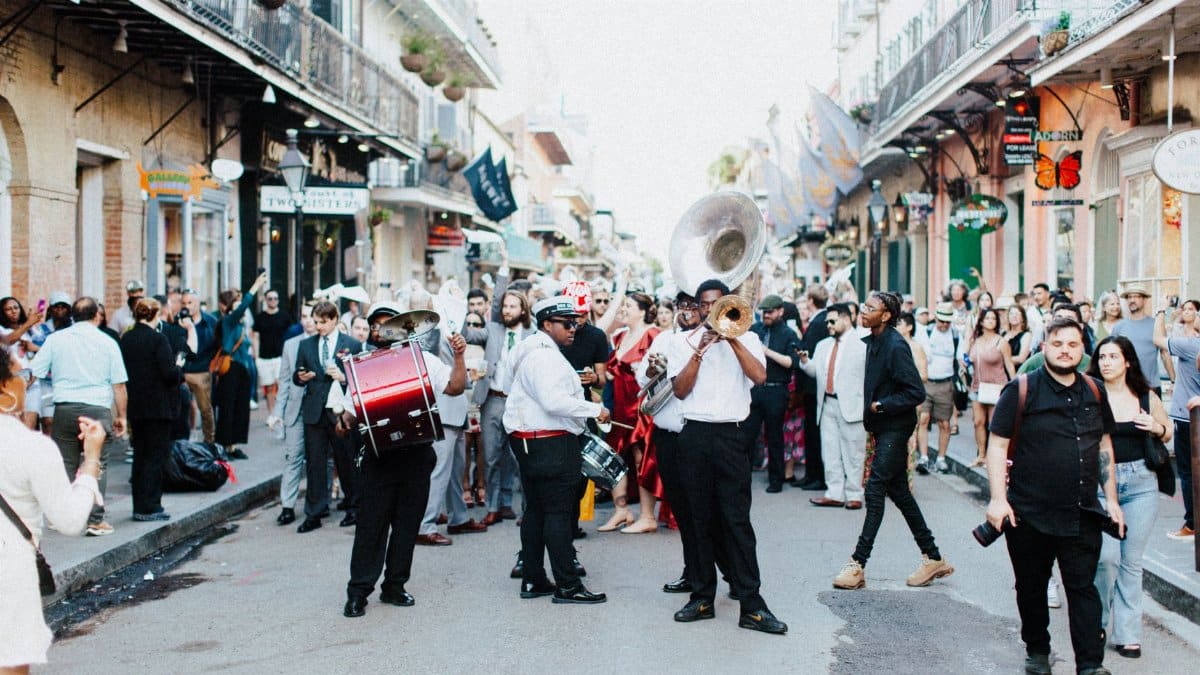
Comparisons are inevitable and only partly useful. New Orleans remains the American capital of this holiday, with a depth of neighborhood tradition Galveston does not claim. What Galveston offers is proximity for millions of Texans, a beach city scale, and a festival that has become its own civic habit. People return because the drive is manageable, because a child caught a stuffed animal from a float, because a particular band played a particular corner and the night felt briefly perfect.
That habit is economic and emotional. Restaurants staff up. Shops extend hours. Musicians get work in a month when club calendars can be thin. The beads are cheap. The payroll is not. When city promoters announce more than 20 parades, they are also announcing weeks of labor for stagehands, police, sanitation crews, and hotel housekeepers. A good visitor budget includes a tip that acknowledges that labor.
Choosing your days inside a long celebration

The useful question is not whether to go, but which slice of the festival matches your tolerance for crowds. Travelers who want spectacle and do not mind density should aim for the final weekend, when the emotional pitch is highest and Fat Tuesday gives the week its traditional ending. Travelers who want music and a parade without surrendering the sidewalk should look at the opening days, closer to January 29, when the island is warming up and the hotels still feel like they belong to the people who booked first.
A full stay from the first Friday through the last Tuesday is a vacation, not an errand. Most people will do better with two or three nights and one clear plan: a reserved seat for a major parade, a dinner booked before arrival, and a morning left empty so the trip includes the Gulf and not only the glitter. Mardi Gras Galveston 2027 rewards that kind of modest ambition. The dates are set. The tickets are on sale. The rest is a matter of how much noise you want, and how close to Ash Wednesday you care to stand.