

Before the first bus rolled down Commonwealth Avenue, the air already carried the bite of a month further along. Coats came out of closets that had been ignored since late spring. Across the region, New England Thursday weather opened with a brisk autumn morning, wind chills settling in the 30s, then yielded to sunshine and a wind that never quite let up. By afternoon the thermometer climbed into the upper 50s and low 60s, a recovery that felt generous only if you had stood outside at dawn and felt the cold settle into your wrists.
A morning that arrived early
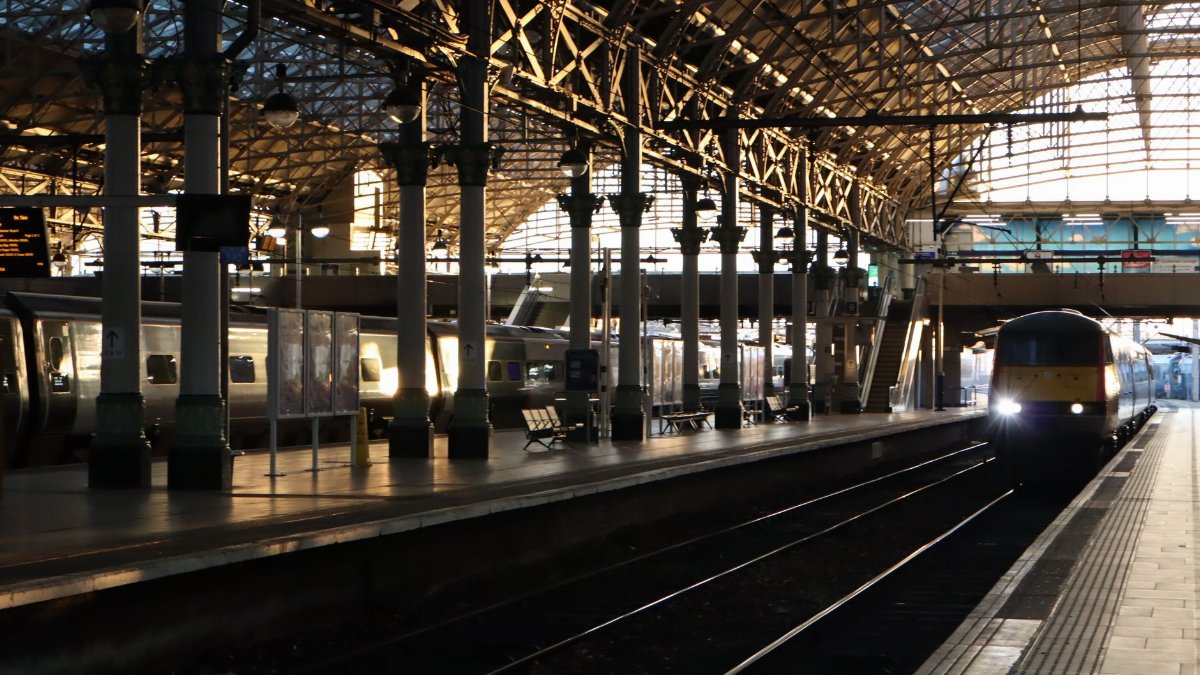
People who walk dogs before work tend to notice the season first. On this Thursday the notice was immediate. Breath showed. Metal railings felt like January for a few seconds. In kitchen windows from Providence to Portsmouth, coffee cooled faster than it had on Monday. The chill was not a storm and not a freeze in the classic sense. It was a clean, dry cold that slipped in overnight and made ordinary routines feel slightly more deliberate.
Parents waiting at bus stops pulled hoods tighter and then, an hour later, wondered whether the extra layer had been necessary. That is the particular trick of a bright autumn day in this part of the country. The morning writes one forecast on the skin. The afternoon revises it. Neither version is a lie. They simply belong to different hours.
What the sky was doing before sunrise

Forecasters had flagged the setup the evening before. A push of cooler air followed a departing system, leaving skies that cleared rather than thickened. Clearing matters. Clouds hold heat near the ground the way a blanket holds warmth in a bed. When they leave, radiational cooling does its quiet work, and rural hollows drop faster than city blocks. That is why a commuter in downtown Boston could step outside into the upper 30s while a yard in western Massachusetts felt closer to freezing at the same minute.
The pattern was regional, not theatrical. No wall of rain. No named wind. Just a reset after a milder stretch, the kind of reset October is built to deliver. Readers checking phones at 6 a.m. saw sun icons stacked through the day and wind arrows that refused to shrink. Sunshine and breeze, together, became the whole story.
Sunshine that did not mean stillness

By midmorning the light was excellent. Shadows on brick were sharp. Harbor water took on that hard blue that photographers chase in October and rarely get on a humid day. Yet the wind kept the feeling of the morning alive longer than the thermometer suggested. A reading of 58 degrees in full sun can feel like a gift. The same reading with a steady northwest breeze feels like a negotiation. Jackets stayed on. Scarves stayed in bags, ready.
New England Thursday weather, in this case, was less about a single number than about the gap between the number and the body. Meteorologists talk about apparent temperature for a reason. Wind strips the thin layer of warmed air that skin tries to keep. On a day like this, that technical idea becomes a sidewalk fact. You can love the sky and still wish the air would sit still for ten minutes.
How the cold air got here
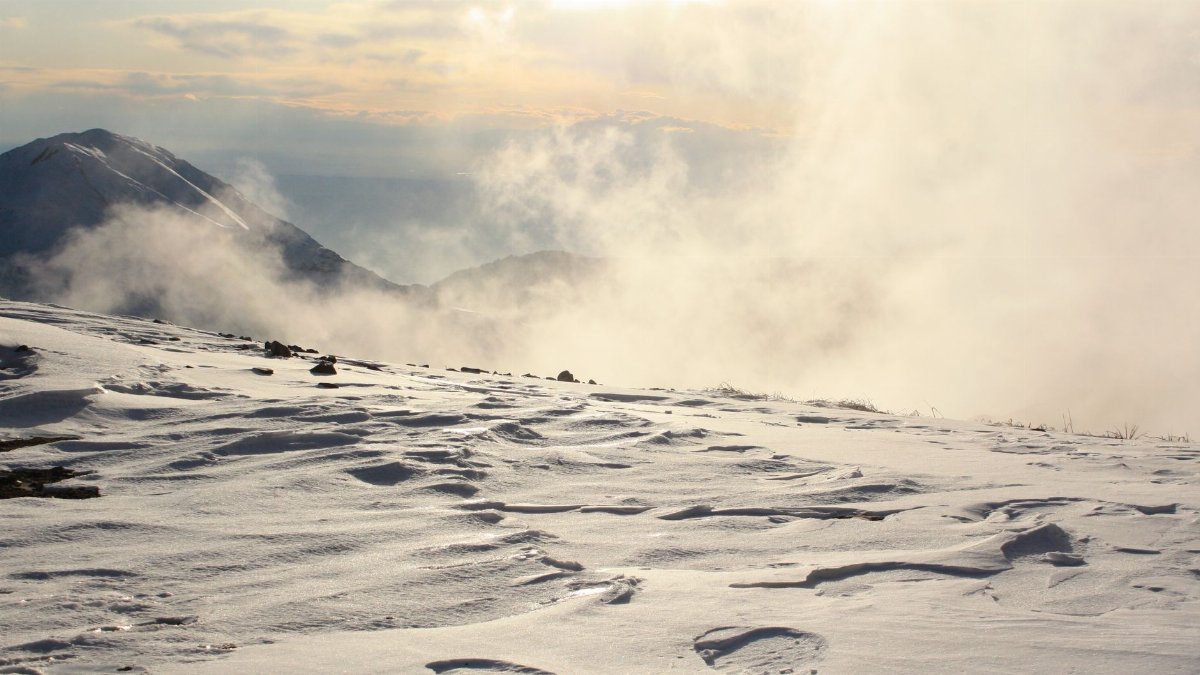
Cool outbreaks in autumn often arrive on the back side of a low that has already moved toward the Canadian Maritimes or out over the Atlantic. The low itself may never have been impressive over southern New England. What matters is the flow behind it. Air from higher latitudes pours south, dries as it descends or simply arrives with less moisture than the air it replaces, and then the sun goes to work on a clearer sky.
That sequence explains the emotional shape of the day. Dawn feels borrowed from November. Noon feels like a reprieve. Late afternoon, as the sun angle drops, the breeze wins again and the reprieve ends. People who work outdoors learn this curve without charts. Roofers, crossing guards, orchard crews, and delivery drivers all keep a second jacket in the truck in October, not because they distrust the high temperature, but because they trust the wind.
A region that does not share one thermometer
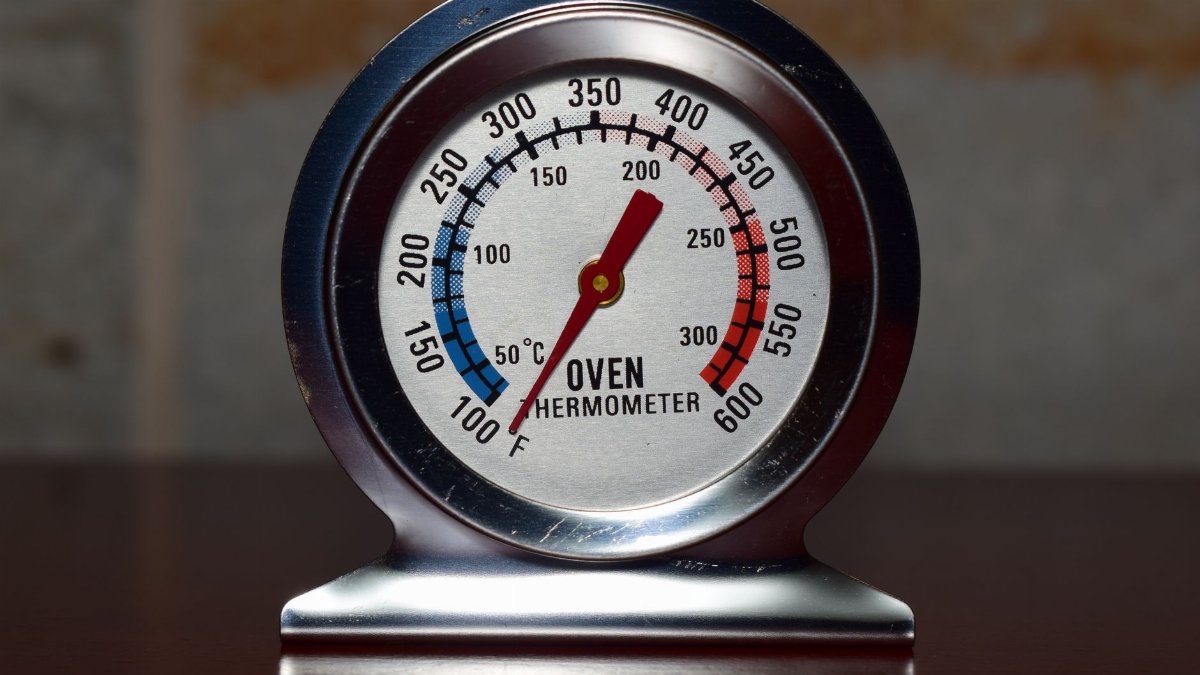
New England is small on a national map and large in weather. Thursday made that plain again. Along the immediate coast, the ocean still held some of September in it, so the chilliest readings eased a little once the sun was up. A few miles inland, especially in valleys that drained cold air overnight, the morning lingered. Northern Maine and the higher terrain of New Hampshire and Vermont stayed cooler through the afternoon than the coastal plain of Rhode Island and eastern Massachusetts.
Highs in the upper 50s to low 60s described the more populated corridor well enough for a headline. They did not describe every town. A hiker above the tree line would have met a different Thursday. So would a lobsterman on a windy reach. Good regional reporting holds both truths: a shared pattern, and a scatter of local exceptions that no single city reading can erase.
Cities, harbors, and the ordinary Thursday

In Boston the day had the look of a postcard and the feel of a commute. Sun on the Common. Flags stiff on poles near the water. Office workers eating lunch on steps and then moving when the wind found the gap between buildings. In Hartford the river corridor carried the same bright, restless quality. Portland, Maine, often runs a step cooler, and it did not disappoint that habit. Burlington saw the mountains sharpen in the clear air, a view that costs you a colder start.
None of this required a warning headline. That is worth saying. Much of what people remember about autumn is not the storm that closes schools. It is the ordinary Thursday when the season announces itself in the hands and then spends the afternoon pretending to reconsider. New England Thursday weather of this kind fills calendars more than it fills emergency briefings, and it still shapes how a region moves.
What commuters and classrooms actually felt
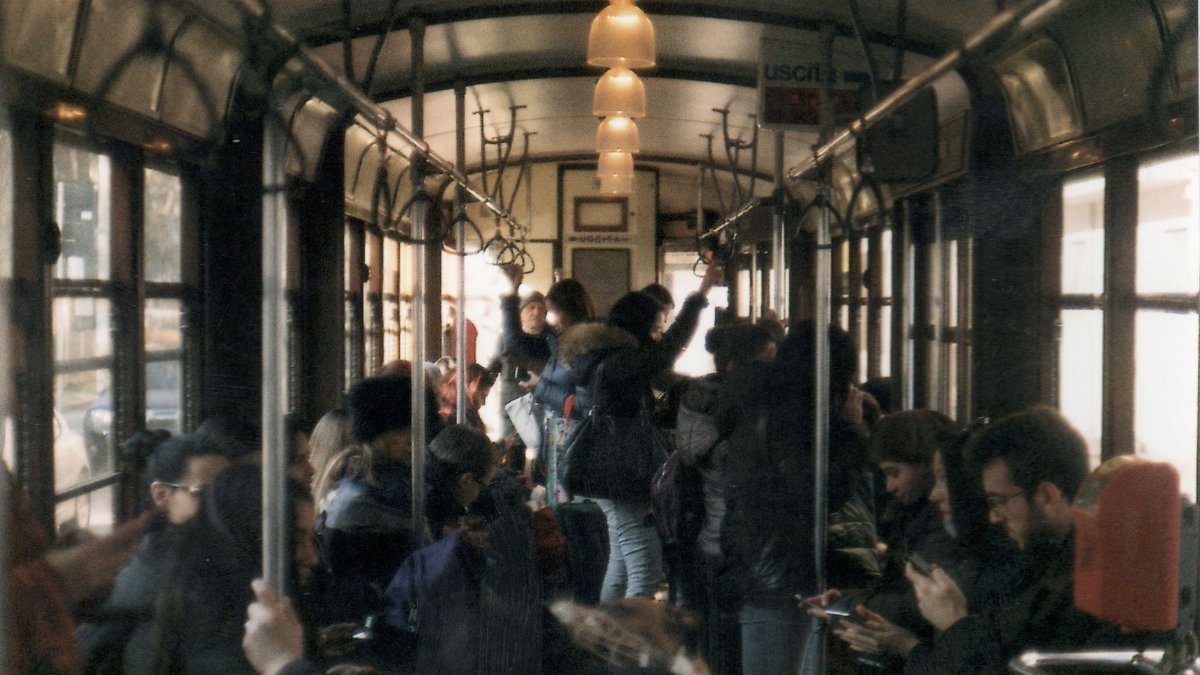
Schoolyards are honest instruments. Children who left home in heavy coats were peeling layers by recess if the playground sat in sun and out of the main wind. Children whose recess faced a parking lot channel stayed bundled. Teachers who have worked the same building for years know which door faces the breeze. They do not need a model to tell them. They need a glance at the flag and a hand on the glass.
Transit platforms told a similar story. Elevated stations and open busways felt several degrees meaner than the official airport reading. Anyone who has waited for a train in a wind tunnel of concrete already understands microclimates. Thursday was a free lesson. The forecast was right. The platform was righter, if your question was how long you wanted to stand still.
Farms, markets, and late season work
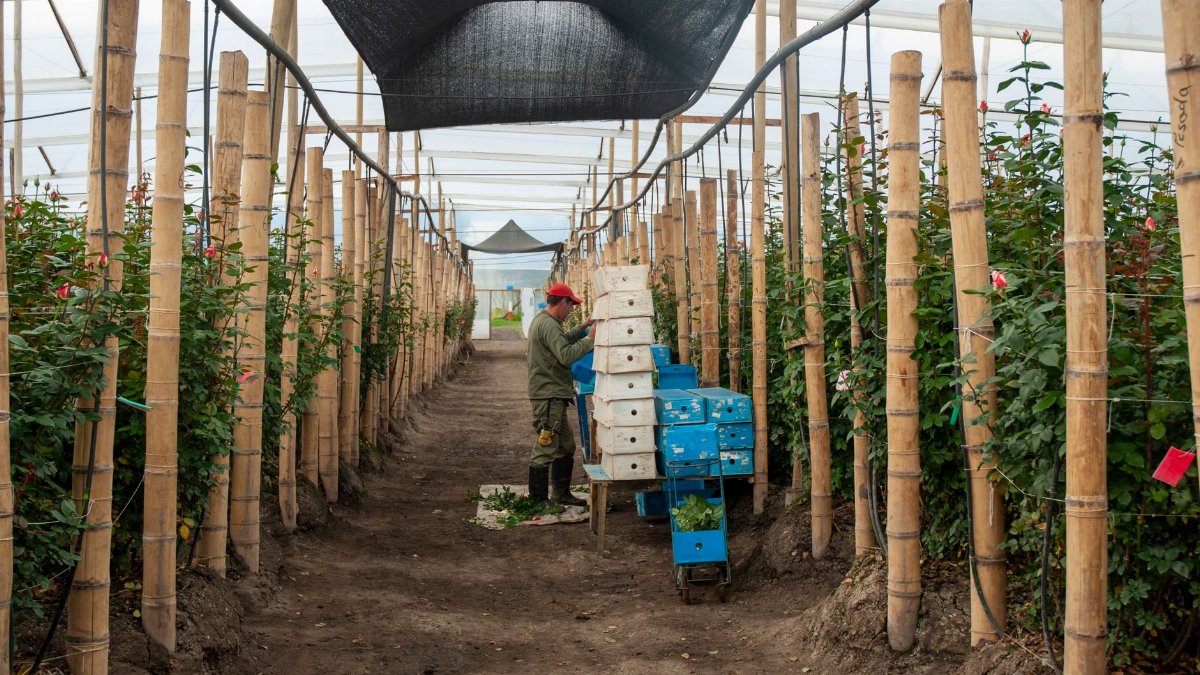
October is still a working month outside the cities. Apple sheds, pumpkin fields, and late greens do not pause because the morning dipped into the 30s. Crews started later or started layered. A dry, sunny, windy day is often welcome after wet stretches. It dries leaves. It dries soil surfaces. It also steals moisture from anything left uncovered, which is why tarps and quick covers matter more on a bright day than newcomers expect.
Market vendors in town squares dealt with the same split personality. Morning customers wanted hot cider and complained about their ears. Afternoon customers arrived in lighter jackets and stayed longer because the light was good. Sales do not track the high temperature alone. They track comfort, and comfort on this Thursday was a moving target from nine to three.
Wind as the main character

If sunshine was the scenery, wind was the plot. Gusts were not historic. They were persistent. Persistent wind changes small decisions. Cyclists choose a different route. Sailors postpone a casual harbor loop. Construction sites keep an eye on anything that can lift. Homeowners notice a loose gutter cover they ignored in August. A day can be meteorologically routine and still rearrange a hundred minor plans.
There is also a sound to this kind of air. Leaves that have only begun to dry tick against one another. A flag snaps. A storm door wants to close itself. These are not measurements. They are how a forecast becomes a place. When people later say the day was beautiful but sharp, they are usually talking about that sound as much as about the sky.
Reading the numbers without losing the day

A careful reader of forecasts looks at more than the afternoon high. The morning low, the wind, the cloud cover, and the trend into the evening each answer a different question. Will the car need a scraper? Probably not if the air stayed just above freezing and the pavement held leftover warmth, though rural bridges deserve a second look. Will a noon walk feel pleasant? Yes, if you face the sun and accept a breeze. Will an evening game feel like afternoon? No. The sun leaves, and October does not bluff about that.
Apps compress this into a single icon. The icon was not wrong. A sun with a wind barb would have been more honest than a sun alone. New England Thursday weather rewards people who read the hourly line, not only the daily summary. The hourly line is where the morning in the 30s and the afternoon in the low 60s stop fighting and start making sense as one continuous day.
Why these swings still surprise us
We are not short of information. We are short of patience with transition. A mild weekend teaches the body one expectation. A clear, windy Thursday revises it. The revision feels personal, as if the forecast broke a promise, when it mostly kept a seasonal one. Autumn in this latitude is a series of revisions. Some years the revisions come with rain and raw damp. This one came with light, which makes the cold look prettier and does not make it kinder at 7 a.m.
There is a small discipline in accepting that. You dress for the hour you will actually be outside, not for the hour the high is expected. You plan the long walk for early afternoon. You do not store the winter coat yet, and you do not declare winter either. The day was a reminder, not a verdict.
What the next mornings may echo
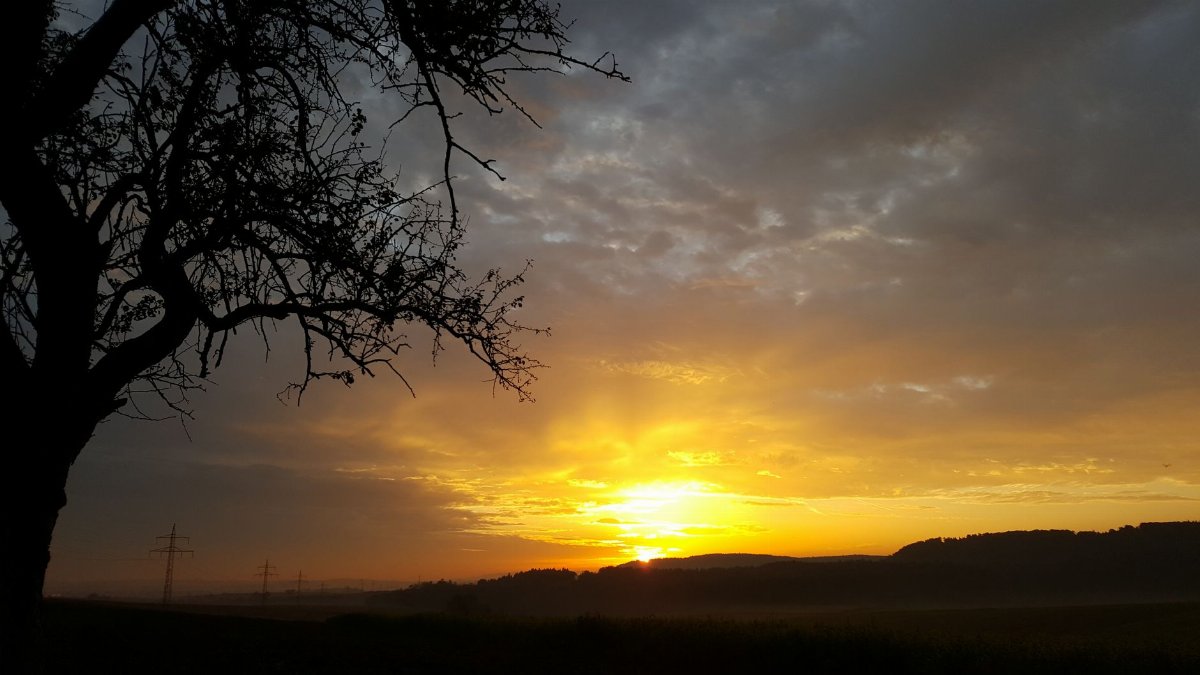
One clear, cool Thursday does not lock the weekend. Weather in New England turns on systems that are still over the Great Lakes or the Ohio Valley when local morning shows are already filing their copy. A reader who wants more than a mood should look again in the evening, when new data has had a chance to confirm or soften the breeze, the clouds, and the next low. What Thursday established was a baseline: the season has enough cold air available to make a bright day feel brisk, and enough sun to make that briskness bearable.
That baseline is useful. It tells gardeners the frost watch is no longer theoretical in colder pockets. It tells coaches that sideline blankets are no longer costume pieces. It tells anyone who heats with wood that the first real fire of the fall may be a choice rather than a necessity, but the choice is getting closer.
The day, held in one curve
Picture the curve simply. A low start, wind chills in the 30s, frost risk limited and spotty rather than regional. A steady climb under a cleaned out sky. An afternoon that reaches the upper 50s to low 60s in many towns, a little lower where elevation and latitude insist. A wind that never fully signs off. An evening that gives the morning back, softer only because the body has already spent the day adjusting.
That curve is the article, stripped of scenery. Everything else is how people lived inside it. They zipped coats. They unzipped them. They squinted into good light. They turned their backs to the breeze at crosswalks. They said, more than once, that it finally felt like fall, which is a sentence New England repeats every October and still means each time.
A season that keeps its own hours

There is a habit, in a hurried news cycle, to treat weather as either crisis or backdrop. Thursday was neither. It was a well made ordinary day, the sort that does not trend and still organizes the mood of a region. Spiritual traditions and secular ones alike have long treated the turn of the year as a teacher. You do not need a sermon to take the lesson. Morning asks for humility. Afternoon offers a little grace. Neither cancels the other.
If you were outside at both ends of this Thursday, you already have the report. New England Thursday weather was brisk at dawn, sunny and windy after, and honest all the way through. The highs in the upper 50s and low 60s were real. So was the chill that met the first people on the sidewalk. Hold both, and you have the day as it actually was.