

In recent years courts across Illinois have emerged as key venues for disputes involving how schools handle gender identity in athletics and shared spaces. These cases reflect broader tensions over fairness, privacy and equal access that affect families statewide. The debate centers on trans inclusive policies and whether they align with existing laws on sex based categories in education and sports. Judges are now weighing competing claims from students, parents and advocacy groups as litigation expands.
Background on Illinois School Guidelines

State education officials have issued directives encouraging districts to allow students to participate in activities consistent with their gender identity. This approach has prompted pushback from those arguing that biological sex should determine eligibility in certain areas. Court filings show a pattern of complaints filed by female athletes concerned about competitive balance.
Federal Court Involvement Grows
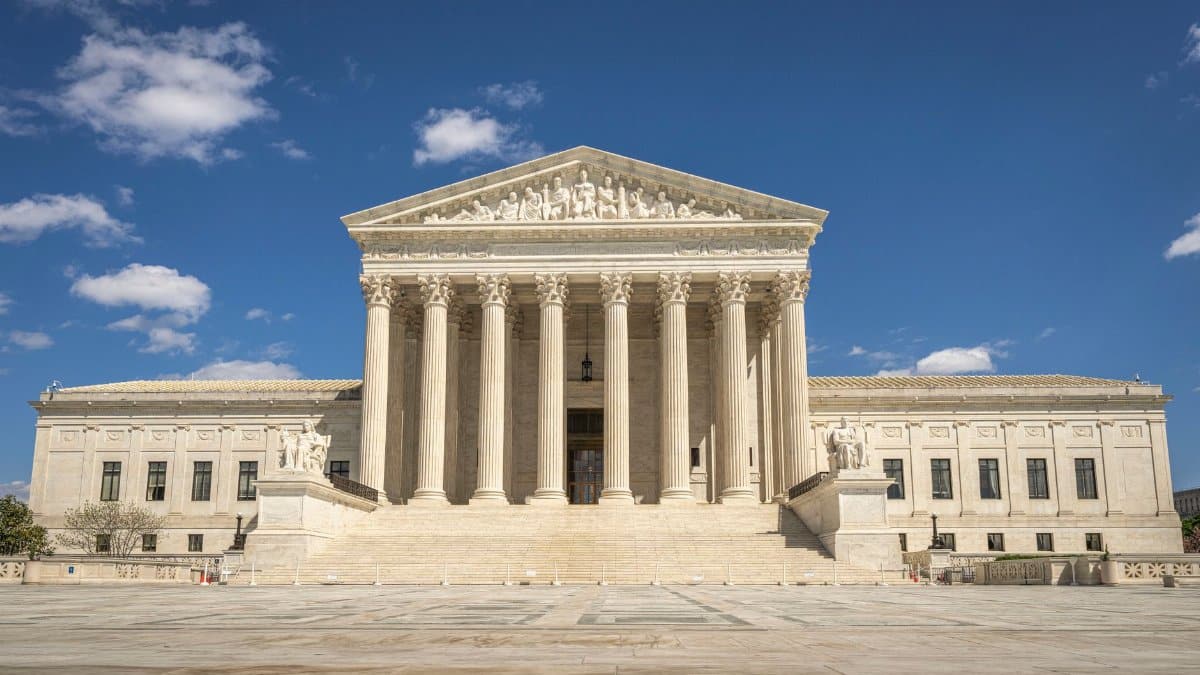
Plaintiffs have turned to federal venues citing Title IX protections originally designed to ensure opportunities for women. Cases argue that current school practices may undermine those goals by redefining categories based on identity rather than biology. Hearings have focused on evidence regarding physical differences and safety considerations.
State Level Litigation Details

Illinois circuit courts have seen multiple suits challenging facility access rules in locker rooms and restrooms. Records indicate that some districts adopted the measures after guidance from the state board of education. Opponents claim the changes were implemented without sufficient public input or consideration of parental rights.
Impact on Student Athletes

Testimony from competitors highlights concerns about lost scholarships and altered team dynamics. Data from other states with similar rules show shifts in event outcomes where biological males compete in female divisions. Schools defend their practices as promoting inclusion for all enrolled students.
Role of Advocacy Organizations

Groups on both sides have filed amicus briefs detailing their positions. One set emphasizes mental health benefits for transgender identifying youth while the other stresses preservation of sex segregated activities rooted in physiology. These submissions provide judges with contrasting interpretations of equal protection principles.
Parental Perspectives in Court Records

Parents describe feeling excluded from decisions affecting their children. Some report discovering policy changes only after incidents occurred in school facilities. Others support the guidelines as necessary steps toward acceptance in educational settings.
Potential Long Term Consequences

Legal experts predict that rulings here could influence policies nationwide given overlapping federal questions. Appeals processes may extend into higher courts where precedents on sex discrimination are reviewed. Districts meanwhile face uncertainty about compliance until final decisions emerge.
Evidence Presented on Physical Differences

Medical experts have testified regarding average performance gaps between males and females post puberty. Studies referenced in filings point to retained advantages in strength and speed even after hormone treatments. Counter experts argue that individual variation and training matter more than group averages.
District Responses to Lawsuits

School administrators maintain that their approaches follow state recommendations aimed at reducing stigma. They point to internal surveys showing improved climate for gender nonconforming students. Adjustments to privacy measures such as curtained areas have been offered as compromises in some locations.
Broader National Context

Similar disputes have arisen in states from Connecticut to California with varying judicial outcomes. Illinois cases add to the patchwork as federal guidance fluctuates with administrations. Observers note that legislative efforts to clarify definitions of sex have gained traction in several jurisdictions.
Next Steps for Families and Schools

With trials scheduled into the coming months affected parties await clarity on implementation. Some districts have paused certain elements of their guidelines pending resolution. Others continue current practices while monitoring developments closely.