

On a gray morning along the Acushnet River, word moved faster than the tide. A cousin had not come home from a routine errand. A phone went unanswered. By afternoon, lawyers and advocates were comparing notes, trying to separate rumor from confirmed custody. In that scramble, New Bedford ICE arrests became the phrase neighbors used for a sudden return of federal immigration enforcement to a port city that has lived with this fear before.
Lawyers tally a fast moving operation

Defense lawyers and immigrant advocates told reporters they had counted more than two dozen detentions in and around the city over a short span of days. Many of the people taken into custody, those lawyers said, appeared to have criminal histories limited to traffic offenses, or no criminal record the advocates could identify. The Boston Globe carried that early accounting. It is not a complete docket. It is a snapshot from people who live in immigration court and police paperwork, and it is already shaping how the South Coast talks about the surge.
Federal agencies rarely confirm a full list in the first hours. Names move. Facilities change. A person arrested near a job site may be booked far from the harbor before a spouse knows which phone number to call. Until the government releases its own figures, the lawyer count is the number residents have.
A port that remembers 2007

New Bedford is not new to this kind of morning. In March 2007, immigration agents raided the Michael Bianco factory and detained hundreds of workers, many of them women whose children were in school or at home. The city still describes that day in concrete terms: empty sewing stations, pastors building phone trees, lawyers hunting for names before people were moved out of state.
Memories of earlier New Bedford ICE arrests give the current operation a particular charge. Residents do not hear enforcement as an abstraction. They hear a pattern that can empty a shift, a pew, or a kitchen. Younger workers know the story from parents. Older ones do not need the reminder.
Traffic cases and the civil immigration line
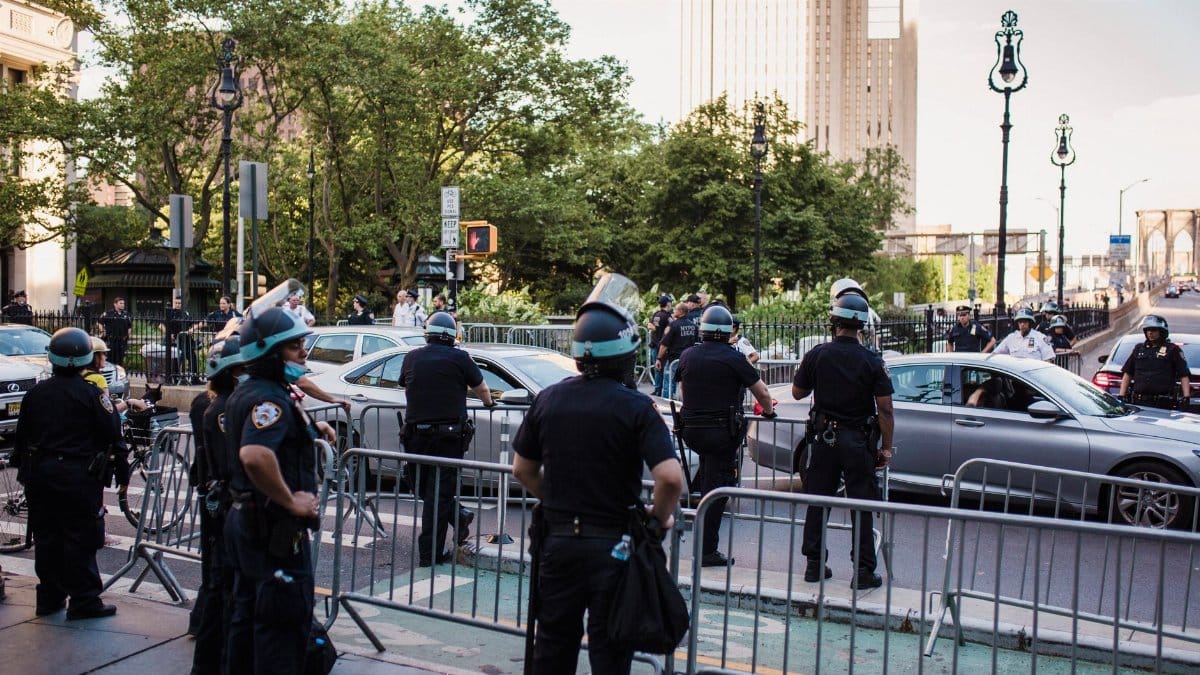
Immigration detention is a civil process, even when it begins beside a cruiser or outside a courthouse. A broken taillight, an unpaid ticket, a license the state will not issue to someone without lawful status: these are ordinary facts for many immigrants in Massachusetts. Lawyers said a striking share of the people swept up this time appeared to fit that profile.
Officials, in operations of this kind, often answer that they prioritize people with criminal records or recent unlawful entries, and that any person without authorization may be detained. Both statements can be true together. Neither tells a family why a parent who drove to work on Tuesday is in a holding room on Wednesday. The gap between those sentences is where trust in local institutions frays.
What families lose in the first forty eight hours

For families, New Bedford ICE arrests arrive first as absence. Rent is due. A shift at a processing plant or on a fishing boat goes uncovered. A child needs a ride from school, and the usual driver is gone. Advocates describe a narrow window in which relatives try to learn which facility holds a loved one, whether a bond hearing is realistic, and who can sign a lease or a medical form.
That window is also when bad information does the most harm. Group chats fill with rumors of immediate removal. Strangers offer paid advice they are not qualified to give. Public defenders and private immigration counsel say the useful response is slower and duller: confirm a name, find a facility, and get a lawyer on the phone before anyone signs a paper they do not understand.
The waterfront economy cannot pause
The harbor does not stop because federal agents are in town. Scallopers and draggers still sail. Processing plants, net lofts, trucking firms, and restaurants still need crews before dawn. Some of those workers are citizens. Some are lawful permanent residents. Some are not. A surge does not sort a payroll with surgical care. It sorts by fear.
Employers, speaking quietly, describe lost experience and a workforce that will not answer an unknown number. The cost does not appear in a city spreadsheet. It shows up as overtime, delayed landings, and households that suddenly have one income instead of two. A port built on punctual labor feels a federal action as a labor shock, whether or not that was the aim.
Pastors, parishes, and the work of staying

In a city of Portuguese parishes, Cape Verdean congregations, and newer Spanish speaking churches, the first organized response is often pastoral. Priests and pastors field calls from people who want a prayer and a plan. Some parishes have long offered know your rights sessions, food, and help finding counsel. Faith leaders in past waves have been careful not to promise sanctuary they cannot legally provide.
What they can offer is accompaniment: a ride to a lawyer, a meal for children, a public reminder that neighbors are not abstractions. That role does not settle the legal debate. It does explain why a story about custody also reads, on the South Coast, as a story about spiritual life under pressure. Sunday attendance becomes a census of who is afraid to leave the house.
City Hall and the limits of local power

Massachusetts communities have argued for years over how local police should deal with Immigration and Customs Enforcement. Some departments limit holds for civil immigration purposes. Others say they will cooperate when a judicial warrant is in hand. New Bedford officials, across several administrations, have tried to project calm: public safety first, no vigilantism, and a plea that victims and witnesses still call police.
The message is easier to draft than to believe when people associate any uniform with a possible transfer to federal custody. A mayor cannot nullify federal immigration law. A mayor can decide how city employees speak to residents, and whether fear is allowed to hollow out emergency calls. That is a narrow power. It is also the only one City Hall fully controls.
Due process in a system built for speed

Immigration court is not criminal court. Most people facing removal have no right to appointed counsel. Bond, when it exists, turns on a judge’s view of danger and flight risk, and on whether the person is eligible at all. A transfer to a facility far from the South Coast can make a lawyer visit impossible and a family visit theoretical.
Counsel who described the latest detentions said the early figure of two dozen plus should be treated as a floor, not a ceiling. Some arrests happen out of public view. Some people are moved before relatives can confirm a spelling. Speed is built into the machinery. From the family’s side of the glass, accuracy can feel optional.
Fall River, Fairhaven, and a regional chill

The surge does not stop at a municipal line. Fairhaven sits across the river. Dartmouth and Acushnet ring the city. Fall River, with its own immigrant neighborhoods and factory memory, watches the same reports. When agents are active on the South Coast, people change routines in towns that have not posted a single arrest. They skip clinics. They keep children home. They avoid the registry of motor vehicles even when a lawful errand would make the roads safer.
That chill is hard to count and easy to recognize. It is one reason regional leaders, whatever their politics, end up discussing enforcement as a public health and public safety matter, not only as a border matter. A missed prenatal visit does not show up in an arrest log. It still belongs in the story.
Competing accounts of who was targeted

Every operation produces two narratives. One, familiar from federal statements in similar actions, stresses the rule of law and the removal of people who ignored prior orders. The other, offered by lawyers close to this surge, stresses traffic records, long residence, and children who are citizens. Readers should hold both claims lightly until names, charges, and immigration histories are public.
Journalism that treats either announcement as scripture does a disservice. The sounder posture is narrower. Report what counsel can document. Ask the agency for criteria and numbers. Say plainly what is not yet known. A port city has heard confident briefings before, and it has also lived with the corrections that arrived weeks later.
What relatives can verify

Families trying to locate someone can use the public detainee locator run by Immigration and Customs Enforcement, and they can call legal aid groups that publish hotlines after major actions. They should not treat a social media screenshot as proof of who was taken or why. Misidentification spreads quickly in a small city. So does fraudulent help from people who charge for forms they cannot file.
Lawyers say the most useful public act is ordinary record keeping. Write down dates, badge numbers if they were seen, facility names, and the phone numbers of anyone who watched an arrest. That note will matter more at a bond hearing than a post that vanishes by nightfall.
The question the South Coast will keep asking
Whether New Bedford ICE arrests mark a short campaign or the start of a longer season will not be settled by one news cycle. The city has rebuilt after raids before. It has also carried the private cost for years, in children who grew up with a missing parent and in workers who never returned to a factory floor. Federal policy will keep shifting with elections and with the courts.
The local facts move more slowly. A harbor still needs hands. Parishes still fill when people feel safe enough to come. Households still measure enforcement not in press conferences but in an empty chair at dinner. That is the scale on which this surge will be remembered, long after the first tally of detentions is revised.