
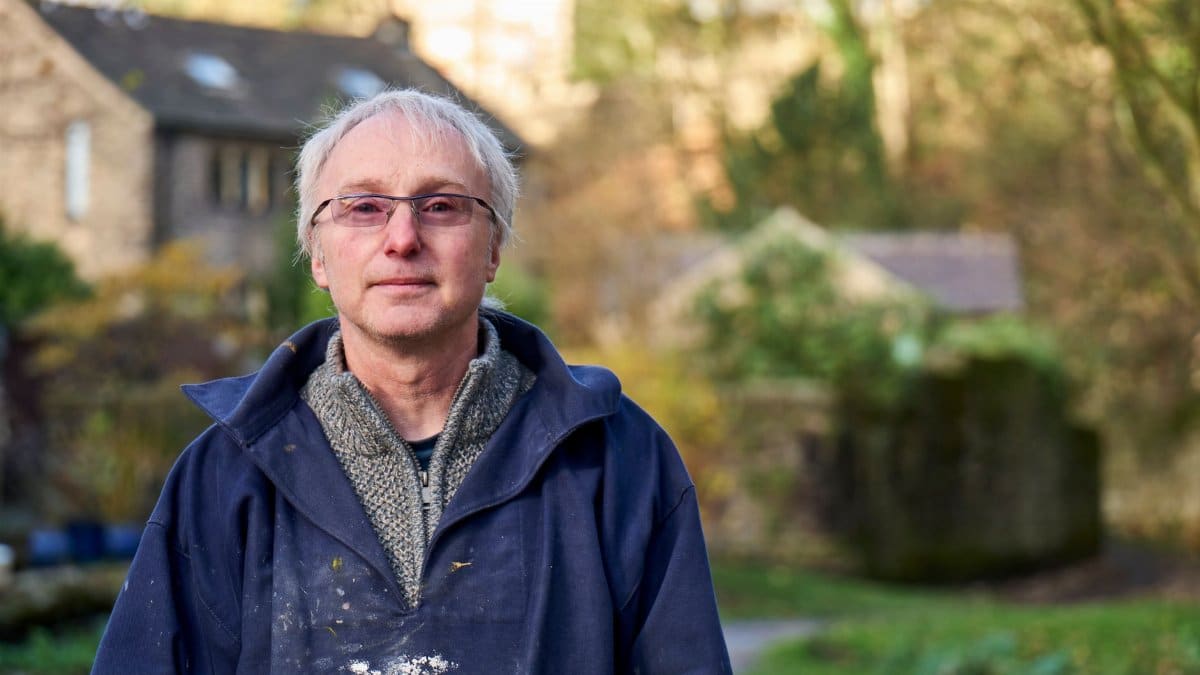
On a narrow stretch of Exposition Avenue in East Dallas, a 45 seat room has for years asked audiences to sit close enough to hear a breath catch. That room was the life work of Matthew Posey, the actor, writer, and director who opened Ochre House Theater in 2008 and who has died at 68. Anyone arriving at a Matthew Posey obituary expecting only a roll of screen credits will miss the point of the career. He appeared in more than 60 films, yet the reputation that traveled farthest from Dallas was built night after night in a house he turned into a stage, a workshop, and a kind of civic hearth.
A room sized for attention
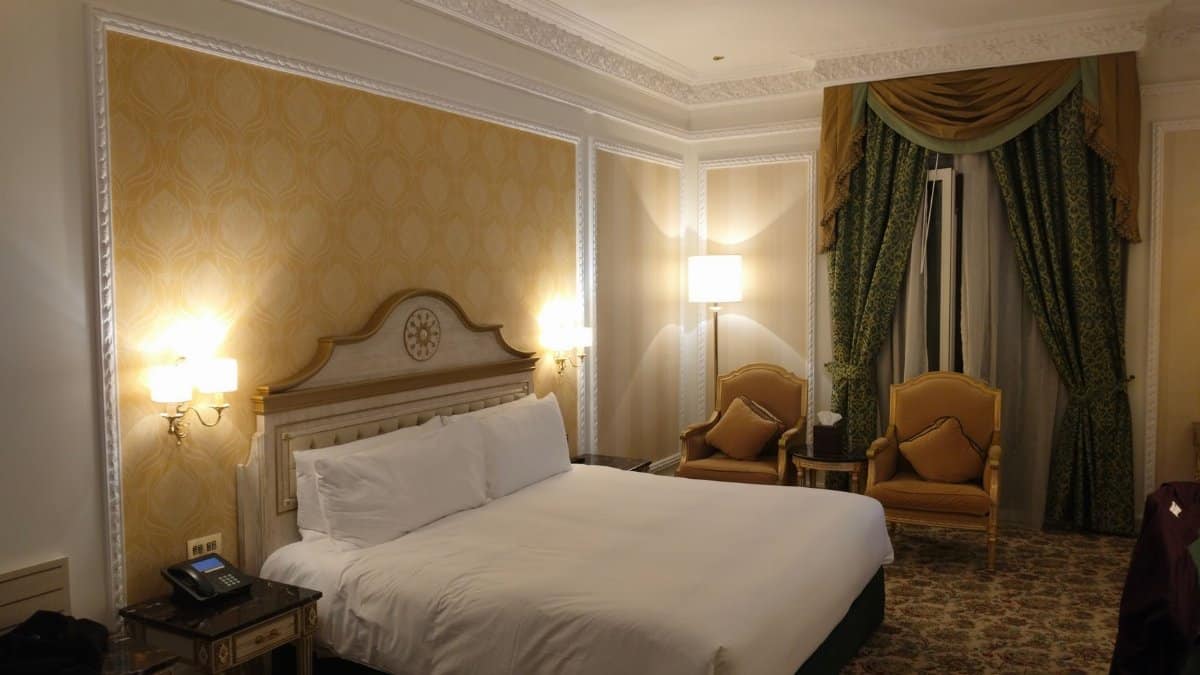
In a city of arenas and multiplexes, 45 seats is a deliberate refusal. Posey built Ochre House so that performance could not hide behind distance. Audiences sat near enough to see the seam in a costume and the decision in an actor’s eye. That proximity was not a budget compromise dressed up as philosophy. It was the argument. Small theaters often claim intimacy and then stage work that would prefer a larger hall. Ochre House wrote for the distance it actually had. Original plays, live music, and a handmade visual language gave the room a reason to exist at that scale. The result felt less like a reduced downtown house and more like its own instrument.
The decision to open in 2008
When Posey opened the theater on Exposition Avenue in 2008, Dallas already had a busy professional scene and a restless fringe. What it did not have on that block was a room run as a continuous experiment by one artist who would write the plays, direct them, and often stand inside them. Founding a theater is usually praised as optimism. It is also a lease, a lighting plot, a stack of unpaid hours, and a promise to whoever shows up on a Thursday. Posey accepted that labor and wrapped it around a house devoted to work made on site, not imported as a season of familiar titles. The address became part of the identity. Patrons learned the side streets and the sound of the neighborhood when the show let out.
One person, several jobs
Actor, director, writer, founder. In a 45 seat house that list is not ornament. It is a floor plan. Posey did not separate the roles into departments. He stacked them, and the stacking had costs. The person who writes the scene is also the person who must solve the cue, steady the company, and face the room if the scene fails. The same stacking had a clarity larger institutions rarely allow. The voice in the text and the voice in rehearsal were not bargaining across a hierarchy. They were the same voice. Years of new work gave Ochre House a recognizable temperature: language that trusted the room, images built from what hands could hold, and a refusal to treat the audience as a market segment.
Screen credits and the center of the work

The public record includes more than 60 film appearances, enough to surprise people who knew him only through the neighborhood theater. Screen work has a different permanence. A performance can outlast the week it was shot and travel to rooms the actor never enters. For many in Dallas, though, the films were the outer ring of a life whose center was Ochre House. Film preserves a face. A small stage preserves a practice. Readers who look up a Matthew Posey obituary in search of a famous title may need the reverse map: start with the house, then follow the credits outward. The movies confirm range. The theater explains why the death registers as a loss of place, not only of a person.
A company trained by repetition
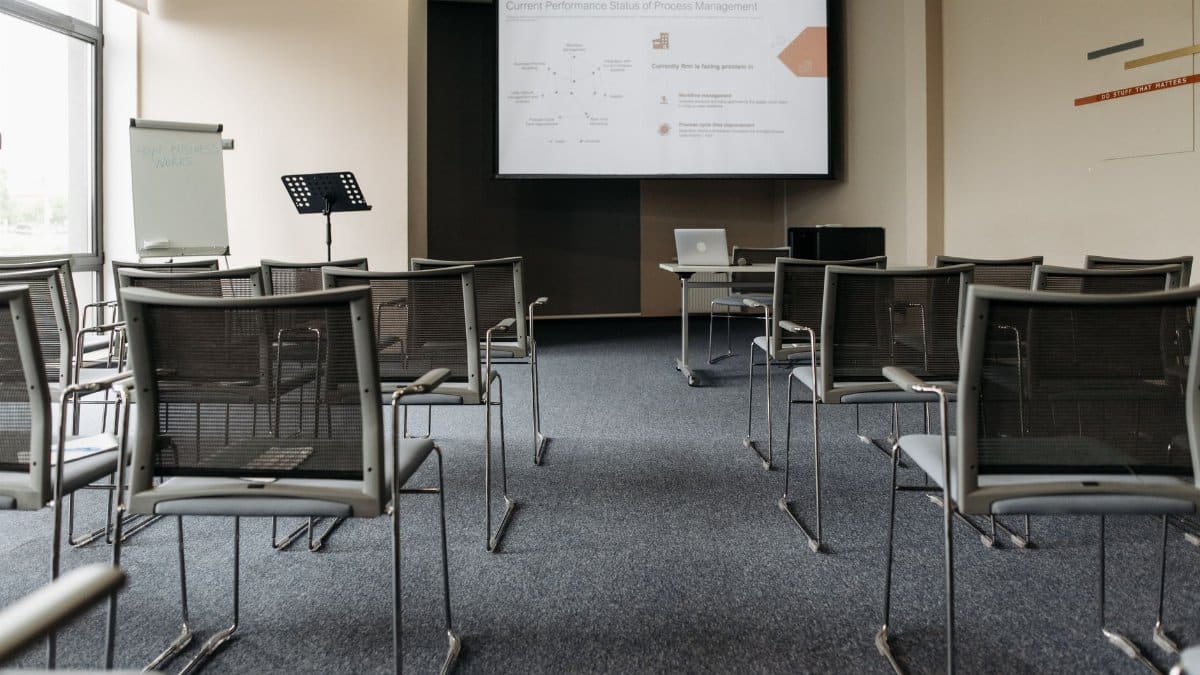
Experimental theater is sometimes imagined as constant novelty. The harder truth is repetition. A company learns a writer’s rhythms the way a band learns a songwriter. Cues become muscle. Risks become repeatable. Posey gathered performers, musicians, and designers who could inhabit a style rather than visit it. That loyalty is technical before it is sentimental. When the same people return, a 45 seat house can attempt puppets, live scoring, and texts that refuse to explain themselves. A pickup company would drop those pieces. Shared memory lets them land. Audiences feel the difference even when they cannot name it. A room that has solved problems together simply moves another way. That movement is one definition of a company, and it is harder to replace than a set of seats.
Gathering as a kind of faith
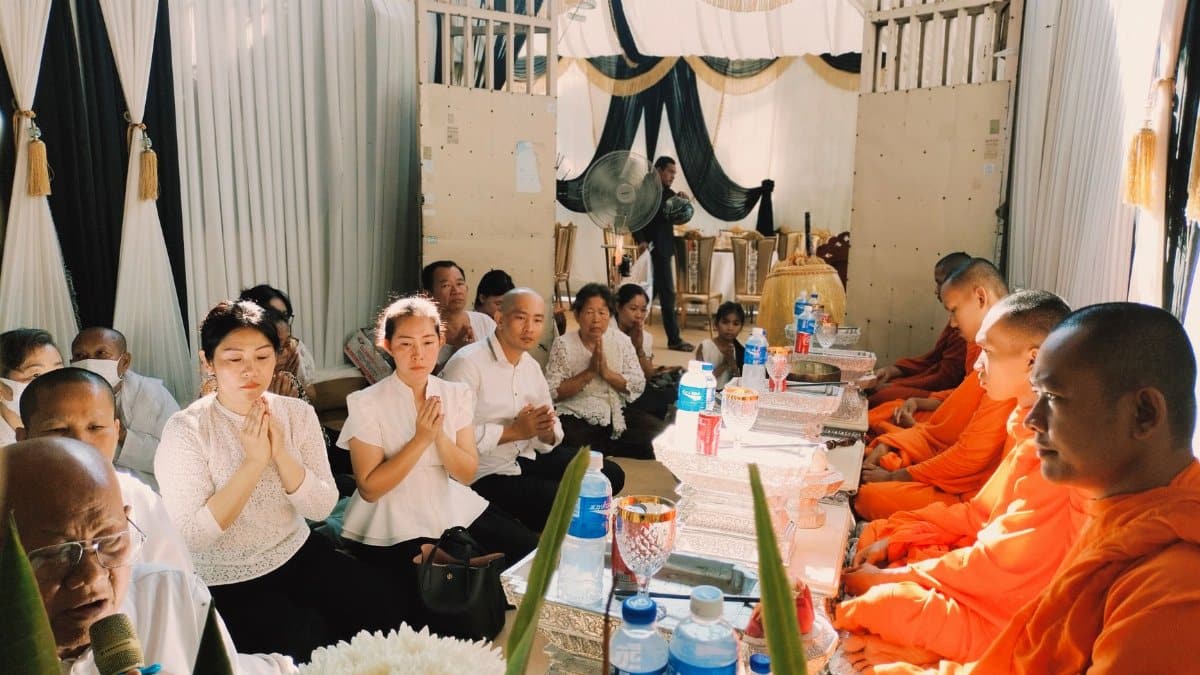
A file labeled spiritual news can seem an odd place for a theater death. Posey was not, in the public telling of his career, a clergyman, and Ochre House was not a congregation. The practice he sustained still belongs to an old pattern. People left their houses, sat in a marked room, and agreed to watch something that would not happen the same way again. That agreement is a kind of faith in attention rather than in doctrine. Grief makes the pattern visible. When the keeper of the room can no longer call the company, a weekly ritual loses its center. In that sense a Matthew Posey obituary is also a note on a civic habit: spending an evening among made things, close enough to be implicated. No hymn is required. The habit matters because it trains people to stay.
The street as collaborator
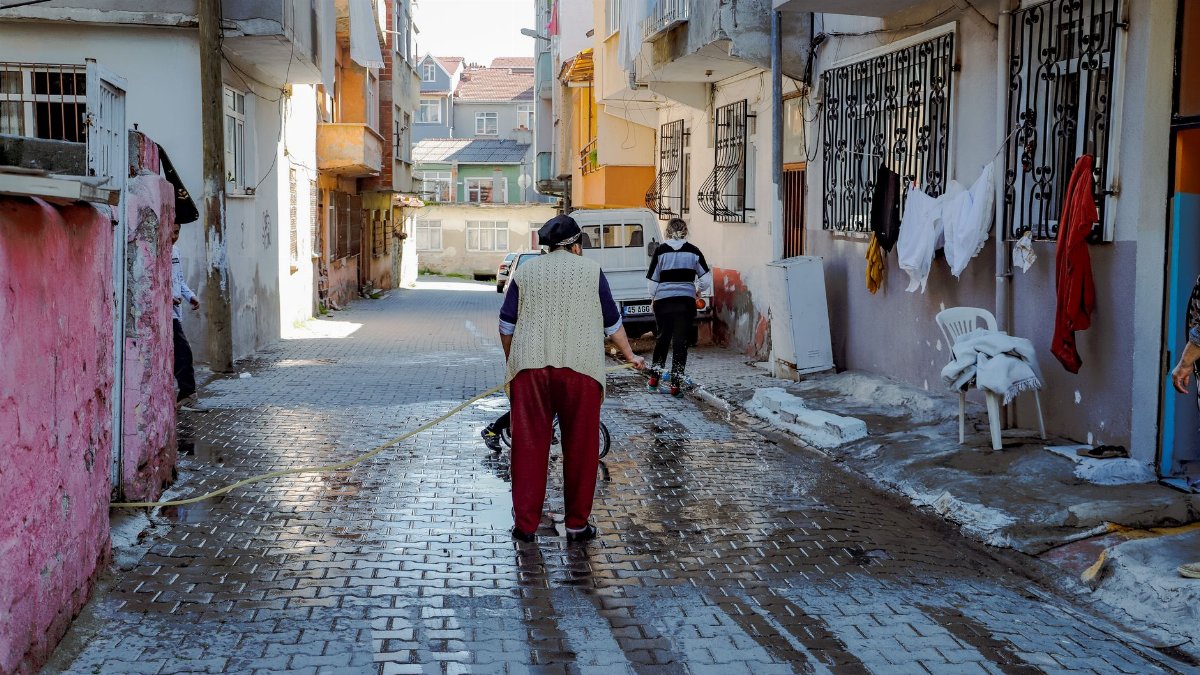
Neighborhoods are often backdrop in writing about the arts, a wash of color behind the supposed subject. Exposition Avenue was more than backdrop. The theater matched the street in scale. Patrons walked past houses and small businesses, then entered a performance that did not pretend to be elsewhere. A city can treat art as an imported event, delivered and then gone. It can also shelter art that takes root in a postal code and changes how that code feels after dark. Ochre House did the second thing. Since 2008 it has been a landmark for people who measure Dallas by the rooms where a new play can still be risked on a Tuesday. His death asks whether a house this personal can outlast its founder. Survival, if it comes, will be a fresh decision, not an automatic inheritance.
What print cannot replay
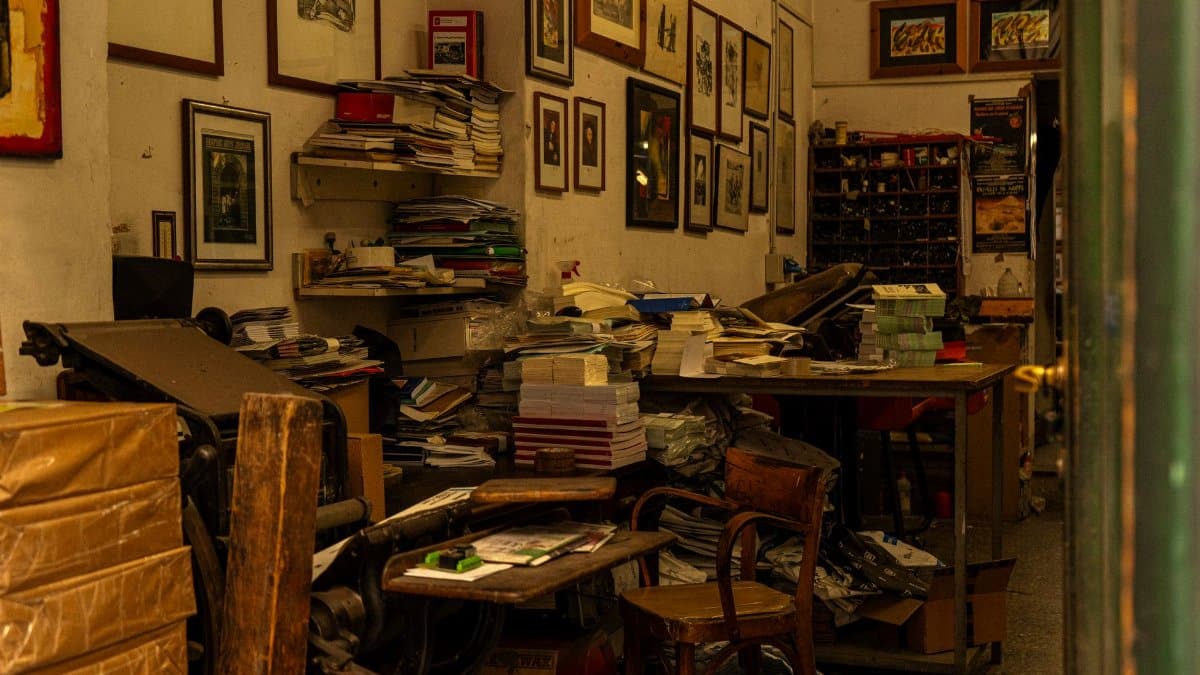
A Matthew Posey obituary can list a founding year, a seat count, and a film total. It cannot replay the moment a song entered a scene, or the way a puppet changed the moral weather of a room. Performance is poor material for print because its proof disappears as the lights fall. What remains is testimony and, if the company is careful, some record of the texts. Readers far from Dallas may never sit on Exposition Avenue. They can still see the shape of the loss. The city has one fewer person who knew how to turn a small address into a destination. Younger makers have one fewer living argument for a life built on original work rather than on the hope of being chosen. Print can point at that absence. It cannot fill the seat.
What the house still asks
Practical questions arrive at once. Who holds the keys. Which works can be restaged. Whether Ochre House continues as a producing body or becomes a memory attached to a storefront. Those questions belong to the people who built the nights with him. They deserve time that a news cycle will not grant. The public question is plainer and harder. Will Dallas protect the conditions that made the room possible: space a company can afford, audiences willing to meet unfamiliar plays, and criticism able to tell small from slight. Posey answered by working inside those conditions for years. His death does not retire the answers. It asks whether the city will keep the experiment at full strength. A founded room is a vote for a certain kind of city. The vote has to be cast again.
The fairest measure may be ordinary. After 2008 a man in East Dallas kept a 45 seat theater alive and filled it with work he had a hand in making. He also left a trail of more than 60 films. The Matthew Posey obituary that serves him will hold both facts together, then admit what neither fact can hold: the hour between lights up and lights down, when a neighborhood agreed to watch and walked back onto Exposition Avenue with the night unfinished.