
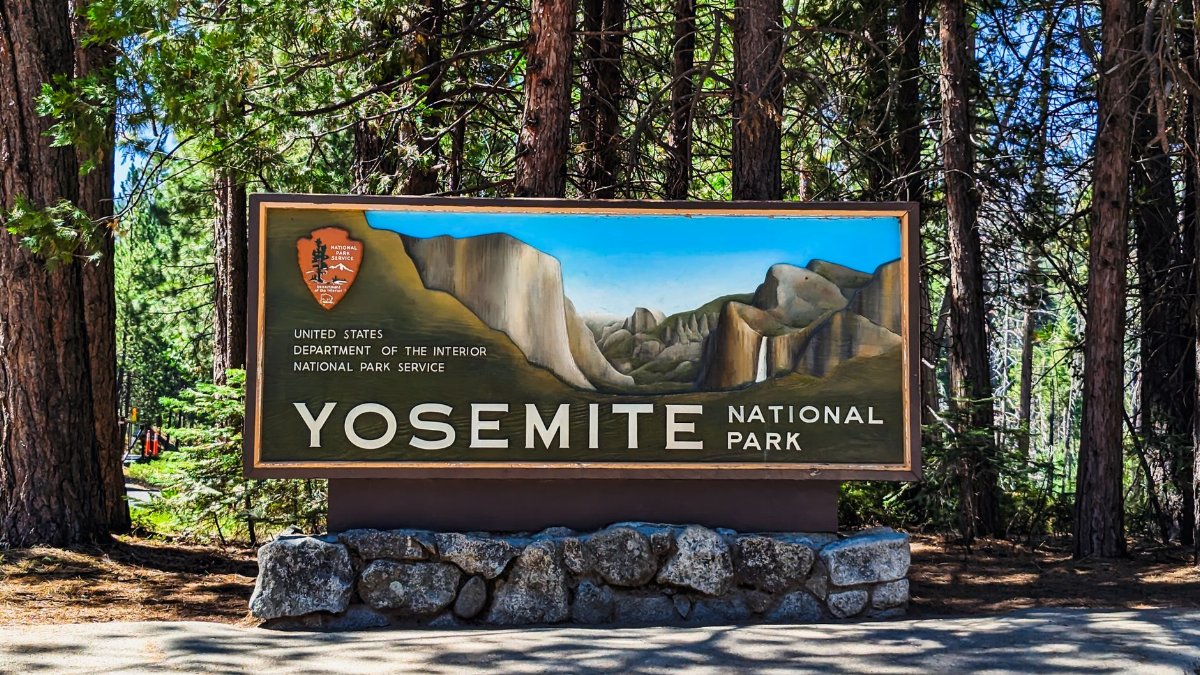
On a bright morning at the South Rim, an Arizona guide watched a family from abroad count cash at the entrance station while a domestic car rolled through on an annual pass. The difference was not a souvenir. It was the National park nonresident fee, a 100 dollar charge the Trump administration attached to visits by foreign travelers at 11 parks. For the guide, the receipt was not only a business problem. It was a question about who gets to set the price of a public landscape. That question is now in court, and it will not stay inside one canyon.
A company puts the fee on trial

An Arizona guide service has sued to undo the surcharge, arguing that only Congress can impose it. The case, reported by the Seattle Times, turns a roadside transaction into a fight over statutory power. Tour companies rarely seek headlines. They seek predictable rates, foreign clients who book months ahead, and entrance rules that do not change between a deposit and a dawn departure. A lawsuit is a costly way to chase that predictability. The company chose it anyway, which suggests the fee is already reshaping quotes, group sizes, and the simple promise that a booked trip will cost what the brochure said.
The complaint does not ask a judge to declare the parks overpriced. It asks a judge to decide whether the executive branch may create this particular charge without a new act of Congress. That is a narrower claim than the comment section usually allows, and it is the claim that matters.
What the charge actually does
As described by the administration, the add on asks international visitors to pay 100 dollars on top of ordinary entrance charges at 11 heavily visited parks. Domestic travelers remain under existing daily rates and passes. Officials have framed the money as help for maintenance, staffing, and crowded trailheads. Supporters call the parks a bargain by global standards and say a premium will not empty the overlooks.
Critics answer that a premium keyed to nationality is not modest in law or in optics, even when the dollar figure looks small beside a transatlantic ticket. A family of four feels the line differently than a finance minister. The National park nonresident fee is simple at the booth and complicated everywhere else.
Eleven parks and a national doorway
The surcharge does not cover every unit in the system. It is aimed at 11 parks, places where entrance stations already strain under summer lines and where a foreign tour group is most likely to appear. A rule limited to famous landscapes can look efficient. It can also look like a toll placed exactly where the photograph is taken.
Concentration has a political use. Most Americans will never pay the charge, so the constituency that feels it directly is smaller than the constituency that likes the idea of someone else paying more. Gateway businesses sit in between. They depend on both the idea of the park and the arrival of the people who travel farthest to see it.
Why a guide service has standing to complain
An individual visitor can pay and leave. A guide service lives inside the price. International clients ask for a number they can trust. When that number moves after deposits are collected, the company absorbs the difference, renegotiates, or watches a van go out half empty. Those are concrete injuries, the kind courts understand better than hurt feelings about a scenic view.
The Arizona firm is also a useful narrator. It can show how a federal announcement becomes a phone call in Flagstaff or Tusayan, then a revised invoice, then a decision by a family in another country to skip the rim and spend the week elsewhere. Policy often looks clean until a small business has to explain it in a second language.
The argument that only Congress may impose it
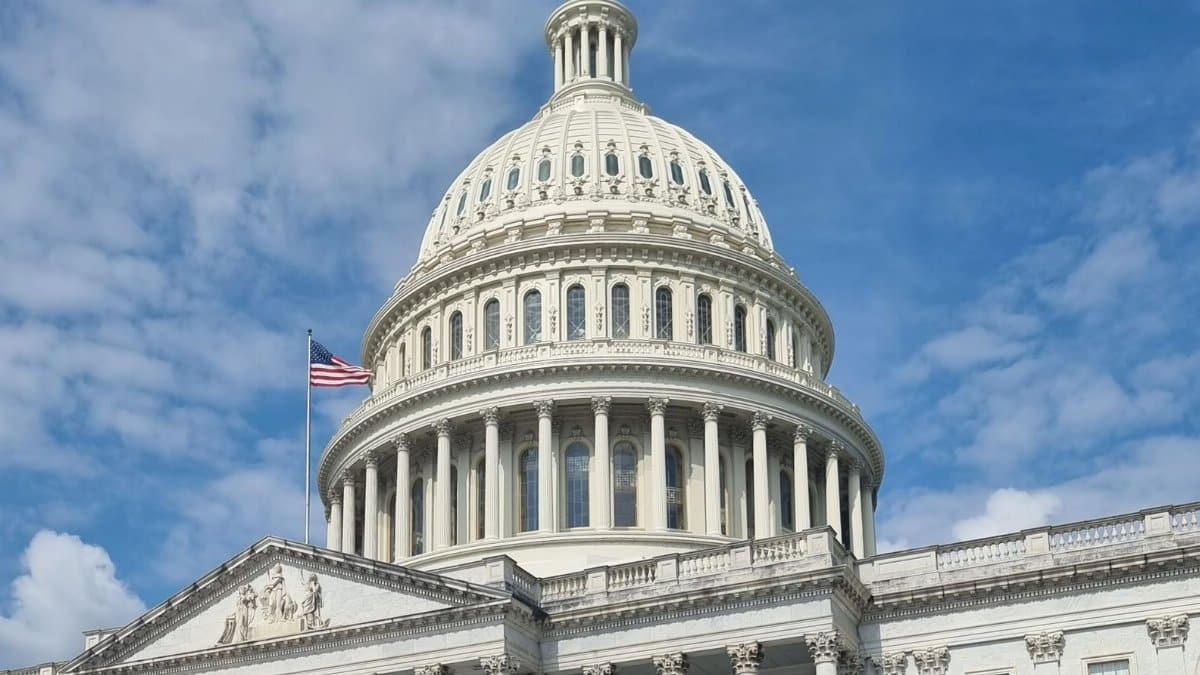
The company says entrance charges of this kind belong to Congress. Agencies collect what statutes allow. They do not, in this telling, invent a residency test and attach a round number to it. If lawmakers wanted a nationality based surcharge, they could debate the amount, the list of parks, and the uses of the money. An executive announcement skips that hearing room.
Judges do not always accept this framing. Fee authority already on the books can be broad, and administrations of both parties have used it. The outcome will turn on statutory text, not on whether a visitor finds the overlook worth the money. That is why the suit emphasizes power rather than scenery.
Fairness claims that will not decide the case

Supporters say Americans fund the parks through taxes that foreign visitors do not pay, so a higher entrance charge is a matter of fairness. The answering claim is that foreign visitors already pay lodging taxes, sales taxes, guide fees, and standard entrance charges, and that a passport is a poor proxy for who cares about a canyon. Both arguments travel well on radio. Neither one is the legal test.
Fairness talk hardens quickly because parks carry identity. People treat them as proof that the country can still keep something vast and shared. A charge that sorts visitors at the door touches that feeling, even when the brief in front of the judge is about delegation and statutory limits.
What foreign travelers notice first
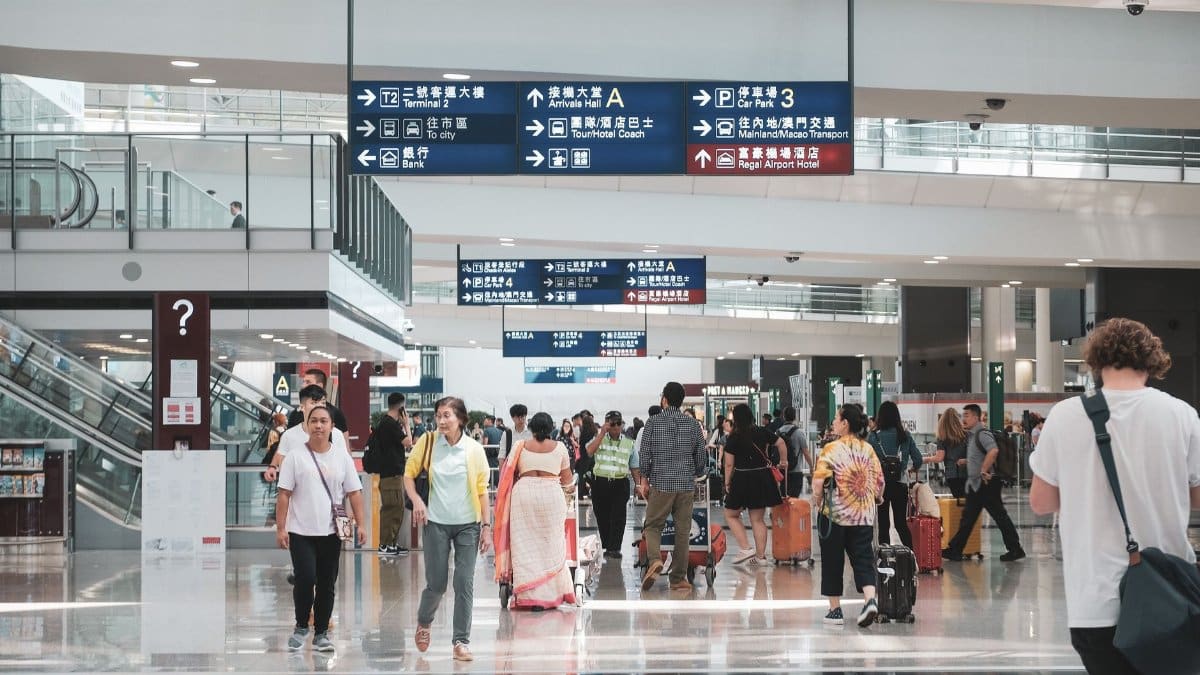
I have stood in those entrance lines in July, and the mood is rarely philosophical. People want shade, a map, and a clear price. Foreign travelers notice a surcharge because it arrives in the language of documents: residency, passport, proof. A domestic visitor with an annual pass may not notice at all. That asymmetry is part of the political design, and it is also part of the resentment.
Travelers compare. A person who paid park fees in other countries will judge this one against those memories, fair or not. The National park nonresident fee will be discussed in tour briefings long before it is discussed in a congressional markup, which is exactly the sequence the lawsuit wants to interrupt.
Towns that live on the season
Gateway economies do not have twelve equal months. They have a shoulder season, a crush, and a winter that must be financed by what summer left behind. Restaurants, mule outfitters, hotel night clerks, and shuttle drivers all feel a canceled international booking. A 100 dollar charge will not by itself empty a park. Repeated friction can still thin the groups that book lodges for a week rather than a roadside hour.
Local officials rarely speak with one voice on this. Some welcome any new revenue that might patch a road or keep a visitor center open. Others fear that a federal experiment will be praised in the capital and paid for on Main Street. The lawsuit gives those towns a spectator seat they did not request.
Revenue promises and unanswered plumbing
A fee is only as persuasive as the path the money takes. If visitors believe the charge repairs trails, funds rangers, and shortens lines, tolerance rises. If they believe it disappears into a general account, tolerance falls. The public record on dedicated use will matter in politics even if it matters less in the courtroom.
Agencies have long struggled to explain deferred maintenance in language that survives a news cycle. A round number is easier to remember than a backlog. That is an advantage for the policy and a risk. Easy numbers invite easy opposition, and a guide with a ledger can contest the story that the charge is painless.
The precedent hiding inside a receipt
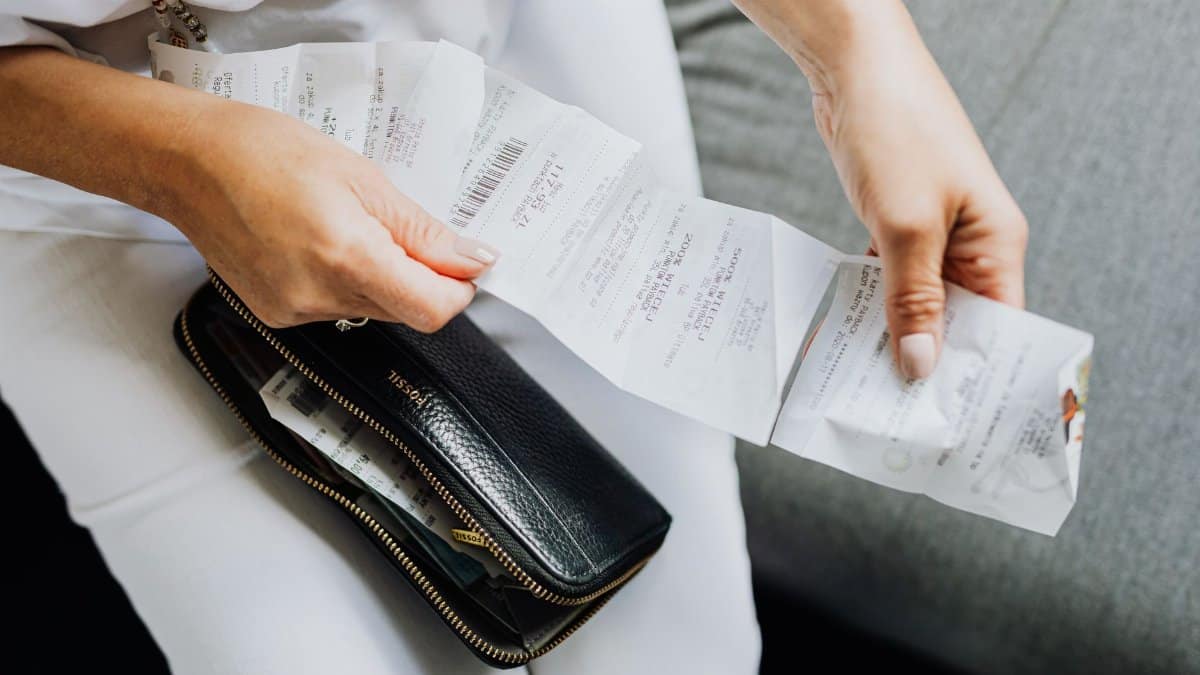
If a court allows the charge, later administrations could adjust the amount or expand the list of parks. If a court blocks it, agencies may have to return to Congress for explicit authority. Either result will echo beyond one summer. Public land policy in this country often moves by small administrative steps that later look large.
A 100 dollar line on a receipt is tiny beside the federal budget and large beside a family itinerary. Precedent is the part visitors do not see. Once a residency test is accepted at eleven entrances, the next test will be described as a modest extension. That is the fear inside the complaint, whether or not the judges share it.
Guides, calendars, and the speed of law
Tour operators sell time they do not yet possess. They promise a rim at sunrise in a season that has not arrived, then build staff, vehicles, and permits around that promise. Courts do not run on booking calendars. A case can outlast the season it was meant to rescue. The company still has reasons to file. An injunction, a settlement, or a signal to Congress can arrive sooner than a final opinion.
Clients abroad will not track docket entries. They will ask whether the price is real. Until a court or Congress answers, honest guides have to quote a fee they are simultaneously trying to erase. That is an uncomfortable posture, and it is also a recognizable one for any business caught between a regulation and a customer.
A doorway people treat as sacred ground

Parks are not churches, yet people use them as rooms for quiet, grief, reunion, and awe. A fee that sorts visitors by residency does not erase that experience. It changes the doorway. For readers who think of these landscapes as a civic inheritance, the lawsuit is less about one Arizona company and more about whether that doorway stays under legislative control.
Spiritual language can overreach here. The better word may be stewardship. Stewardship asks who pays, who decides, and who is welcomed without being flattered. The National park nonresident fee forces those questions into a single line on a receipt. The court will answer only some of them. The rest will remain in the line at the gate, where philosophy usually loses to heat, children, and a card reader.
What readers should watch next

No ruling will reprint the map. It will decide whether this surcharge survives in its current form. Visitors should not assume the price on a website is permanent. Guides should not assume a court will move at the speed of a departure date. Congress could act while judges read briefs. That overlap, messy as it is, is how the argument will actually be settled.
The useful habit is attention without panic. Check the entrance rules for the specific park and the specific month. Ask a guide how a quote treats the foreign charge. Remember that a lawsuit is a claim, not a verdict. The South Rim will still be there in the morning. The unsettled part is who is allowed to put a number on the road that leads to it, and whether that number can rest on a passport rather than a statute.