
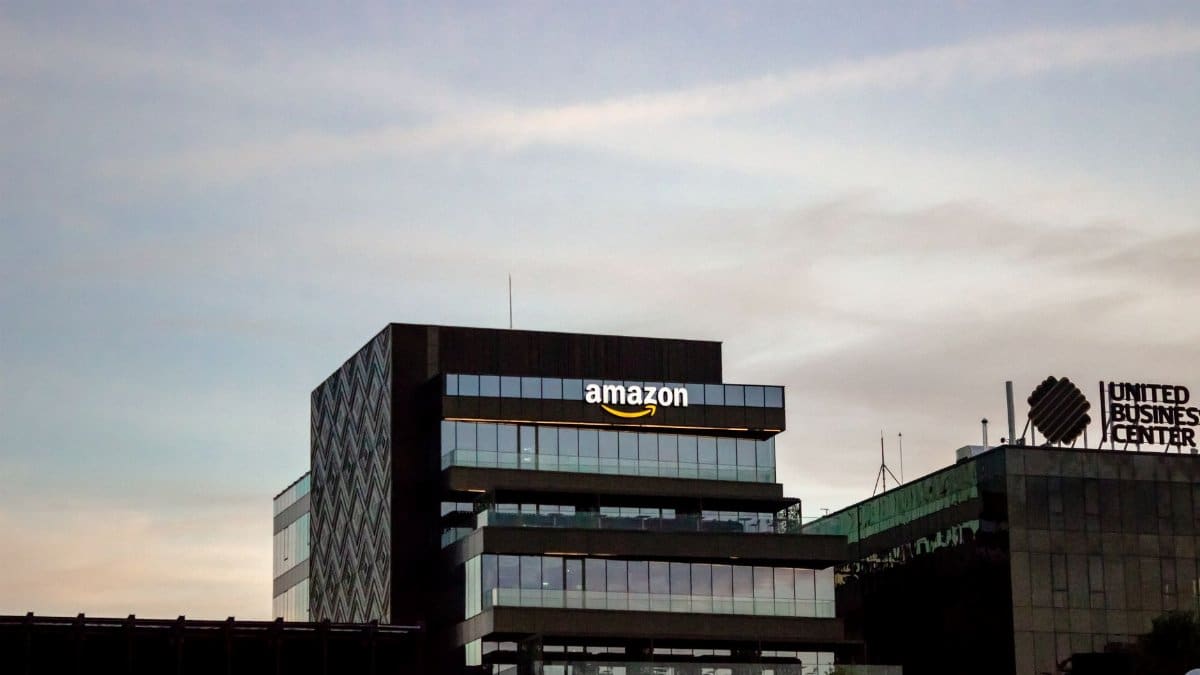
On a weekday morning in downtown Bellevue, the flow of people toward the glass towers still tells you who sets the rhythm of the city. Buses unload, coffee lines stretch, and badge readers click at a pace that smaller firms cannot match. The Amazon Bellevue workforce stood at 15,700 people in 2025, about 10 percent of the city, after a year in which hiring grew more slowly than in the boom that reshaped the skyline. The number, reported in coverage by The Seattle Times, keeps Amazon at the top of the local employer list even as the era of easy expansion fades.
A payroll that still defines the downtown

Bellevue did not become a second center of regional tech by accident. For more than a decade the company leased and built office space east of Lake Washington, drawing engineers, recruiters, finance staff, and the contractors who keep a large campus running. Restaurants timed their hours to shift changes. Apartment developers priced units with corporate salaries in mind. City planners treated the employment base as a given when they talked about traffic, parks, and school enrollment.
That dependence is not unique in American suburbs that court a single large firm, but it is unusually visible here. Walk a few blocks from the transit center and the logos on the doors change, yet the lunch rush still feels like one company. When hiring slows, the absence shows up in shorter lines and quieter garages before it shows up in a formal economic report.
What the latest head count actually says

Fifteen thousand seven hundred workers is still an enormous presence in a city of this size. Roughly one resident in ten, if the comparison is drawn against the municipal population, is on that payroll or lives in a household shaped by it. The figure does not capture every contractor, vendor, or remote employee who touches Bellevue projects from somewhere else. It does capture the core local workforce that city officials and commercial landlords watch most closely.
The important change is the slope, not the rank. Amazon remains Bellevue’s largest employer. Growth, however, cooled. After years in which each new tower seemed to arrive already spoken for, 2025 looked more like a pause for breath. Slower hiring is not the same as retreat. It does mean the city can no longer assume that head count will solve every vacant floor or every sales tax projection.
Why the pace of hiring eased

Corporate America spent the early 2020s hiring as if demand would never bend. Amazon was among the most aggressive. Subsequent rounds of cost cutting, a sharper focus on profitable lines of business, and a broader cooling in white collar tech jobs changed the math. Roles that once opened in clusters now open one at a time. Some teams consolidated. Others simply stopped backfilling every departure.
Return to office expectations also reshaped who counts as a Bellevue worker. People who had scattered during the pandemic were asked to spend more days in assigned buildings. That policy can lift badge swipes without lifting the total number of jobs. It can also push some employees to leave rather than commute. Both effects can be true in the same year, which is why a single head count never tells the whole story of how a campus feels.
Street level signs that spreadsheets miss

I have stood on Northeast 8th at dusk and watched the sidewalks thin earlier than they did a few years ago. That is anecdote, not data, and it should be treated as such. Still, small businesses talk in similar terms. A cafe that staffed for a crush at noon may now staff for a steady but smaller crowd. A dry cleaner near a garage may see fewer weekly drop offs. These are not collapses. They are adjustments, and adjustments are how a downtown learns that its anchor tenant is growing up rather than growing out.
Landlords feel the shift in a different register. Space that was pre leased on optimism is now marketed with more patience. Concessions have returned to lease conversations. None of that erases the fact that Amazon still occupies a dominant share of the best offices. It does change the bargaining power around the edges, where smaller tenants and subleases live.
Taxes, transit, and the municipal bet

A workforce of this scale is also a fiscal fact. Wage earners spend money that becomes sales tax. They ride buses and trains the region spent years arguing over. They use parks, police, and permitting offices. When employment growth slows, revenue does not fall overnight, but the forecasts that assumed a steep climb need rewriting. Bellevue has other employers, from retail to health care to professional services, yet none replaces the incremental dollars that came with thousands of new tech paychecks.
Transit agencies face a related puzzle. Ridership tied to office days can rise even if total jobs are flat, because more people are required to appear in person. That can look like recovery in a monthly board report. It can also mask a labor market that is no longer adding riders through net new hiring. Planners who treat those two signals as the same thing will misread the next budget cycle.
The people inside the number

A head count is a stack of individual decisions. Some workers stayed because the pay, the problems, and the colleagues were still worth the commute across the lake or down from the suburbs to the north. Others left for startups, for public agencies, or for cities with cheaper housing. Parents recalculated child care against badge requirements. Early career hires found fewer open seats than the recruiting brochures of 2021 had promised.
The Amazon Bellevue workforce is not a monolith in another sense. It includes long tenured managers and people in their first role out of school. It includes teams tied to retail logistics software and teams tied to cloud computing, devices, and advertising. When one division pauses hiring, another may still post roles. Citywide totals blur those internal differences, which is why employees often describe their year in terms their neighbors do not recognize.
Housing and the quieter bidding war

During the fastest growth years, Bellevue apartments and nearby houses absorbed wave after wave of new paychecks. Bidding wars were common. Landlords raised rents with confidence. A slower hiring year does not reverse that history. It does take some heat out of the margin. Fewer newly relocated workers means fewer households arriving with relocation stipends and a deadline to find a place near the office.
Housing advocates and developers will read that cooling differently. One group hopes for relief for existing residents. The other worries that projects financed on the assumption of endless inbound demand will stall. Both can point to the same employment chart. The responsible reading is modest: a top employer that is still huge, but no longer expanding fast enough to dictate every rent increase by itself.
What city leaders are watching next

Officials rarely say they fear a single company, and they should not govern as if they do. They do, however, track concentration risk. If the Amazon Bellevue workforce shrinks in a future year, downtown retail, office valuations, and some tax lines would feel it quickly. If it merely stays flat, the city has time to court other employers and to finish projects that were sized for a larger crowd.
The questions worth asking in public are practical. How much vacant office space can the market absorb without distress sales? Which bus routes depend on peak office days? Which small businesses have no cushion if weekday traffic slips another notch? Those are management questions, not slogans. They also respect the fact that 15,700 jobs remain a civic asset, not a problem to be solved.
The Eastside labor market around the towers

Bellevue does not hire in isolation. Redmond, Kirkland, and Seattle draw from overlapping pools of engineers and operators. A slowdown at the largest employer can free talent for hospitals, game studios, and midsize software firms that spent years losing candidates to bigger offers. It can also leave specialized workers with fewer local options if those other firms are cautious too.
Regional economists tend to prefer many midsized employers over one giant. Diversity of payrolls cushions a downturn. Bellevue is closer to that ideal than it was when the towers were rising fastest, but it is not there yet. The latest count is a reminder of unfinished work: keep the anchor, and keep building the rest of the dock.
A slower chapter, not a closed book

Growth stories are easy to write when every year sets a record. They are harder, and more useful, when the line bends. Amazon is still Bellevue’s top employer. The Amazon Bellevue workforce is still large enough to shape commutes, rents, and the mood of a downtown lunch hour. What changed in 2025 is the speed.
Readers should hold two ideas at once. A company that employs about a tenth of a city is not fading into the background because it hired more slowly for a year. A city that treats that company as a permanent engine, without watching the gauges, is taking a risk it does not need to take. The Seattle Times figures give both ideas a number. The rest is a matter of whether Bellevue uses the pause to widen its economy, or simply waits for the old pace to return.