
Across New England, households have watched their electricity expenses climb steadily over the past year. In New Hampshire, these changes have proven particularly sharp, offering a clear warning to neighboring states like Massachusetts that are striving to keep energy affordable. New Hampshire power rates have jumped in ways that affect everything from household budgets to local businesses trying to stay competitive.
Factors Driving Up Electricity Expenses

Utility companies point to several pressures that have pushed costs higher in recent months. Fuel prices for natural gas and oil remain elevated after global supply disruptions. Transmission upgrades needed to maintain reliability add further expenses passed along to customers. State regulations also play a part, as requirements for cleaner generation sources can raise short term production costs before long term savings appear.
Impact on Household Budgets in the State

Families report cutting back on other spending to cover larger monthly statements. Some have delayed purchases of new appliances or vehicles. Older residents on fixed incomes feel the strain most acutely, often choosing between heating their homes adequately and buying groceries. Local charities have seen increased requests for utility assistance programs as more people seek help.
Warnings for Massachusetts Policymakers
Officials in Massachusetts have studied the New Hampshire experience closely while crafting their own energy plans. The goal remains stable pricing alongside environmental targets. Lawmakers there hope to avoid sudden jumps by spreading infrastructure investments over longer periods and securing diverse supply contracts. Public hearings have drawn large crowds eager to share concerns about affordability.
Role of Renewable Energy in Current Pricing
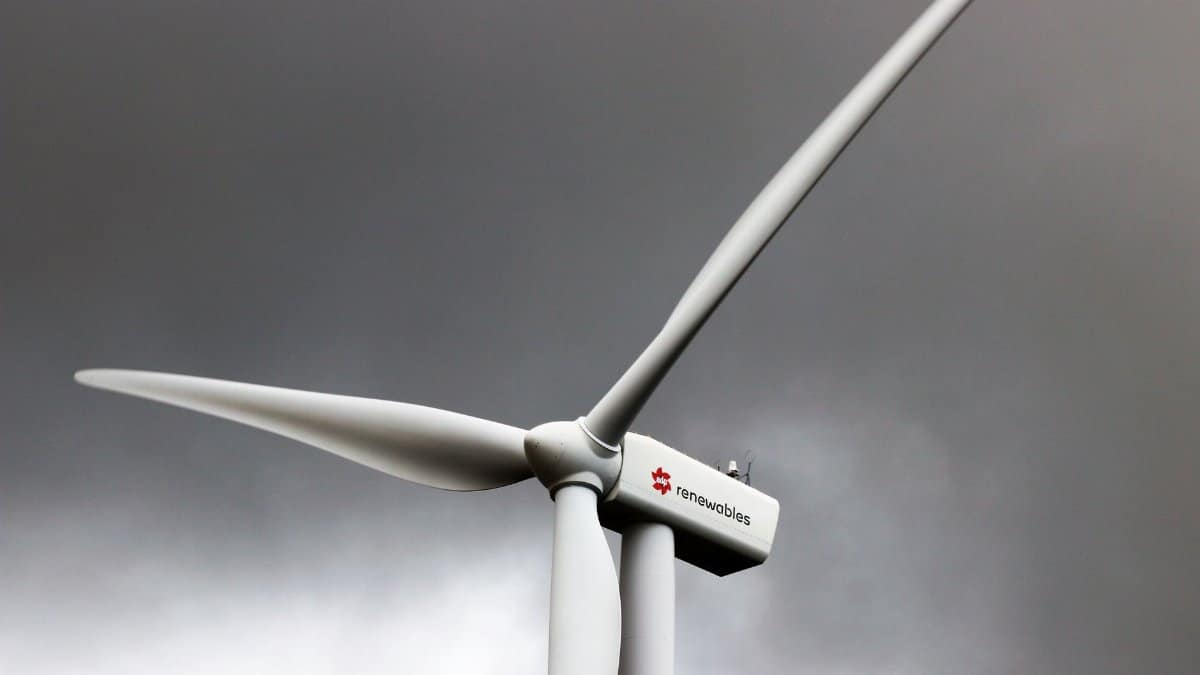
Wind and solar projects contribute growing shares of power across the region. These sources help reduce reliance on volatile fossil fuel markets yet require backup systems and grid improvements that appear in customer bills. New Hampshire power rates reflect the transition costs as older plants retire and new facilities come online at a measured pace.
Regulatory Choices and Market Responses

Public utility commissions review rate proposals from providers each year. In New Hampshire, recent approvals included allowances for storm recovery and reliability projects. Massachusetts regulators face similar requests but aim to negotiate more gradual adjustments. Both states balance consumer protection with the need for utilities to earn returns that attract investment.
Regional Comparisons Across New England

Connecticut and Rhode Island have reported their own increases though often at different scales than New Hampshire. Vermont has emphasized efficiency programs that help moderate usage. These variations show how local policies, geography, and fuel sources create distinct outcomes even within one geographic area.
Possible Paths Toward Greater Stability

Experts suggest expanded regional cooperation on power purchases could smooth out price swings. Efficiency upgrades in homes and businesses offer another avenue to lower overall demand. Continued development of battery storage may reduce the need for expensive peak power plants during high usage periods.
Outlook for Energy Costs in Coming Years
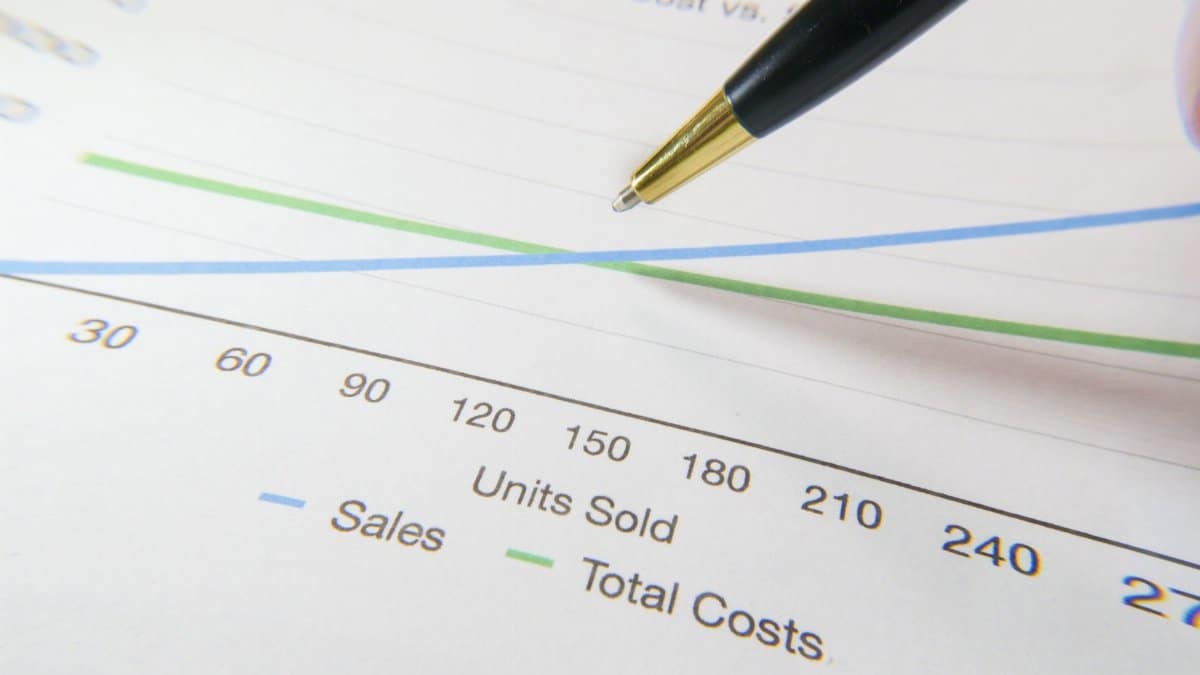
Analysts expect some moderation as new supply sources mature and efficiency gains accumulate. Yet uncertainties around fuel markets and infrastructure needs remain. Residents and businesses in both New Hampshire and Massachusetts will continue watching regulatory decisions that shape what they pay each month. New Hampshire power rates serve as one reference point in ongoing regional discussions.