
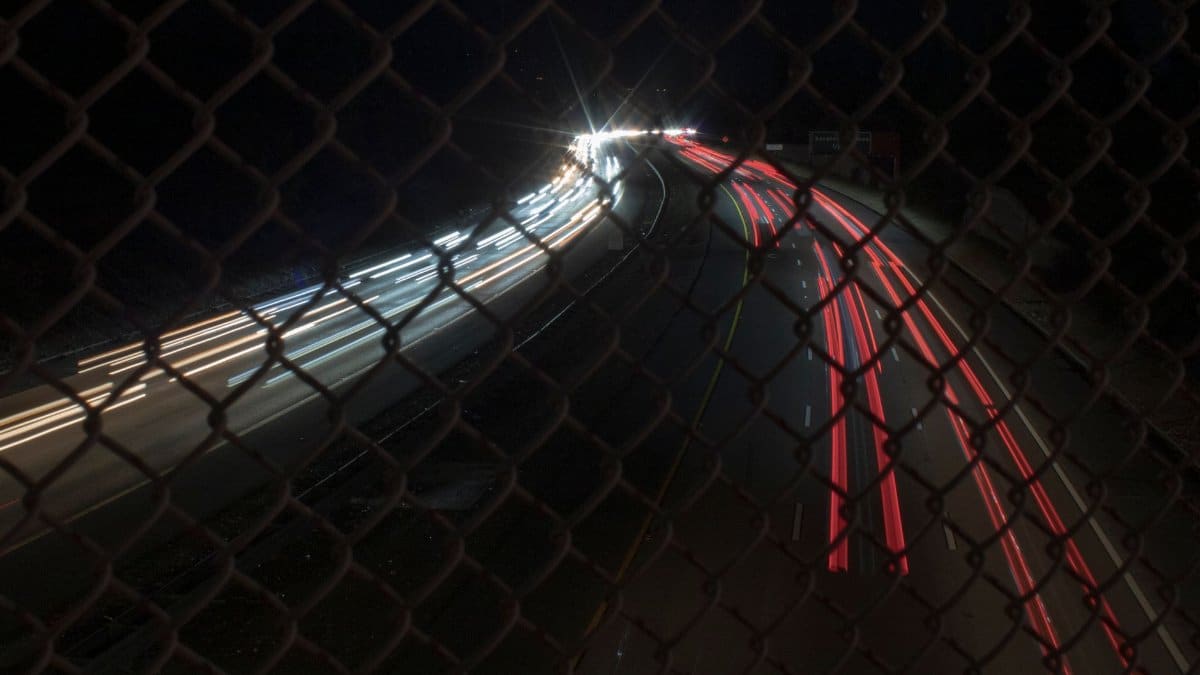
In Seattle the push for connected greenways has long reflected a desire to blend daily life with outdoor access yet a recent judicial outcome has complicated those ambitions. The Burke-Gilman Trail Ruling stands as a clear signal that competing land uses in dense neighborhoods require careful navigation. This development affects plans to close a longstanding gap in the popular pathway through the Ballard area where residential growth meets longstanding industrial operations.
Origins of the Pathway Vision

The trail concept emerged decades ago as part of a broader effort to repurpose old rail corridors for public enjoyment. Planners saw an opportunity to link neighborhoods across the city while promoting healthier routines and reduced car reliance. Over time the route gained popularity among cyclists commuters and families seeking safe passage away from busy streets. Local leaders invested in segments that now see heavy daily use yet one stretch remained incomplete amid disputes over adjacent property rights and operational needs.
Core Elements of the Judicial Outcome

The court examined claims from trail supporters who argued for completion based on prior approvals and public benefits. Opposing parties highlighted potential disruptions to freight movement and existing business activities in the affected zone. After review the judges found insufficient grounds to override certain protections for industrial functions leading to a pause in the extension work. This stance emphasizes the need for updated assessments that account for current economic realities in the Ballard vicinity.
Community Voices on Access and Growth
Residents expressed mixed feelings with some welcoming the added recreational options while others voiced concerns about increased foot traffic near homes. Small business owners along the proposed route noted possible gains in foot traffic yet worried about delivery logistics during construction phases. Public meetings revealed a shared interest in balanced solutions that respect both leisure and livelihood priorities without favoring one exclusively.
Industrial Interests and Operational Concerns

Businesses in the zone rely on consistent rail and truck access for goods movement which they say could face interference from added crossings or narrowed pathways. Representatives stressed that the area serves vital regional supply chains and any changes must preserve efficiency. The ruling appears to acknowledge these factors by requiring further study before proceeding with segments that cross active zones.
Environmental and Planning Factors
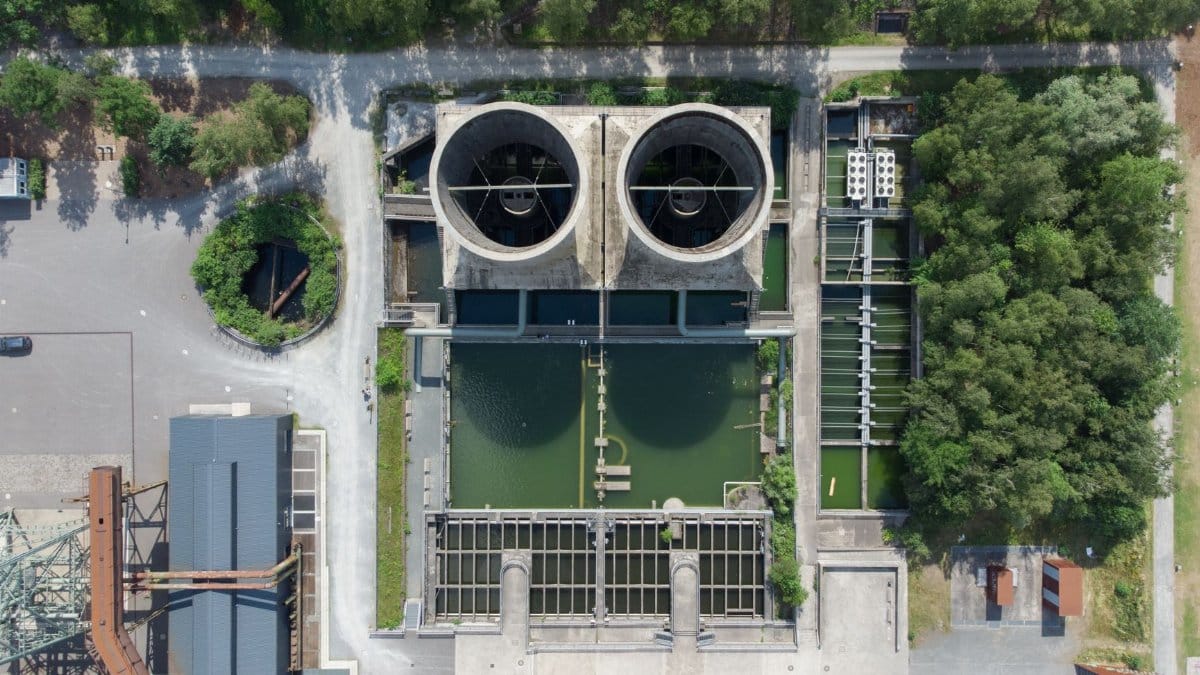
Advocates pointed to air quality improvements and reduced emissions from more walking and cycling as key upsides of the full trail. Critics countered that construction itself carries temporary impacts and that industrial sites already incorporate mitigation measures. Planners now face calls to integrate updated data on habitat corridors and stormwater management into any revised proposals.
Reactions from Advocacy Groups

Trail organizations described the decision as a temporary hurdle rather than a permanent barrier. They plan to pursue additional studies and community outreach to address the concerns raised in court. Some see this as a chance to refine designs that better accommodate multiple users and reduce conflicts at key junctions.
Looking Ahead for Regional Connectivity
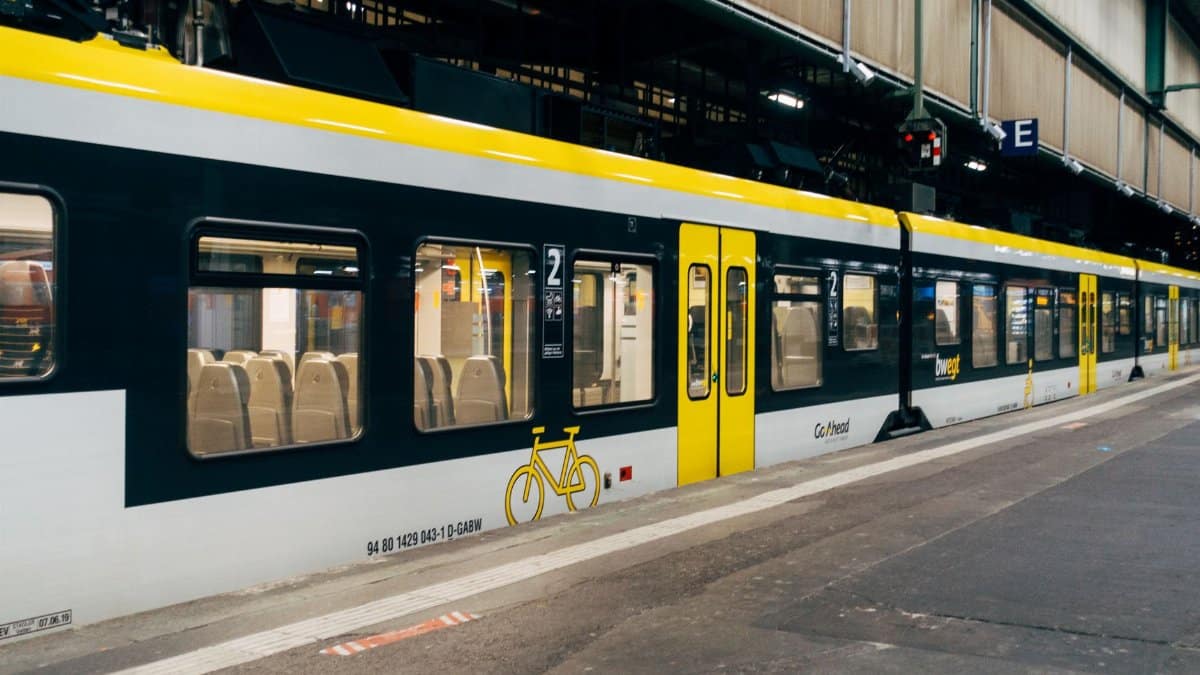
City officials indicated they will review options to adjust the alignment or pursue alternative connections that avoid contested stretches. Discussions may involve partnerships with property owners to find mutually acceptable routes. The outcome could influence similar projects elsewhere in the state where urban trails intersect with working waterfronts and logistics hubs.
Lessons for Future Infrastructure Efforts
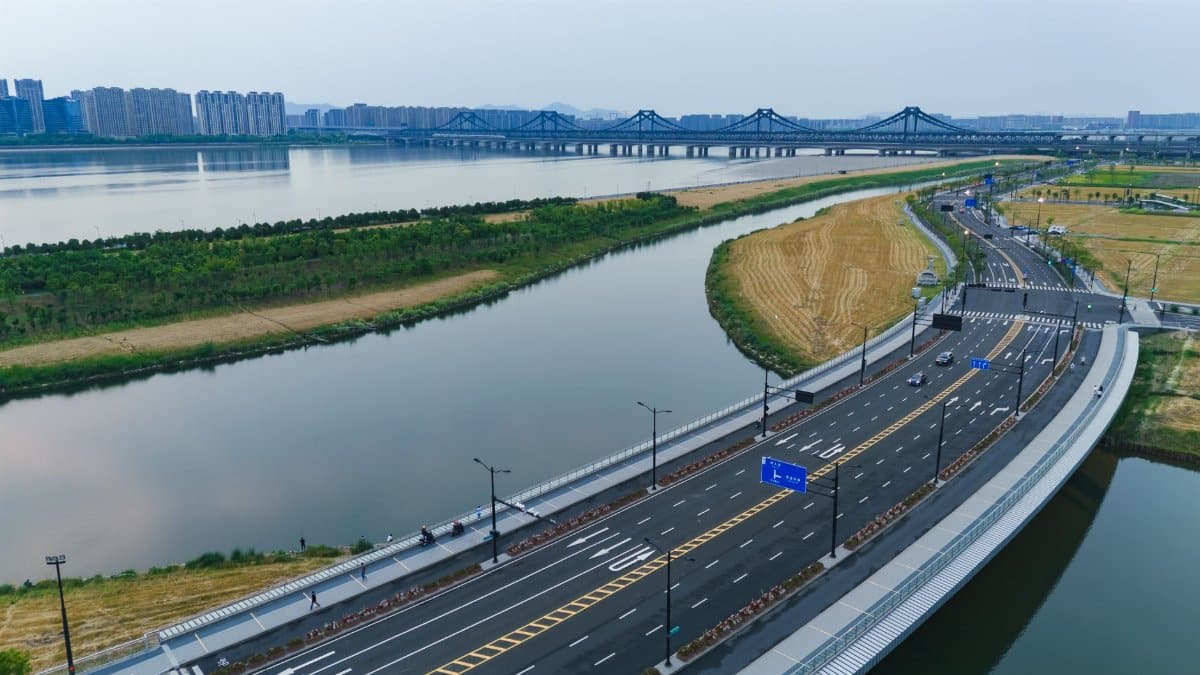
This case illustrates the complexities of advancing public amenities in established urban settings. Successful projects often depend on early and sustained dialogue among all stakeholders to identify workable compromises. As the region grows such rulings may encourage more integrated approaches that weigh recreation alongside commerce and safety from the outset.