
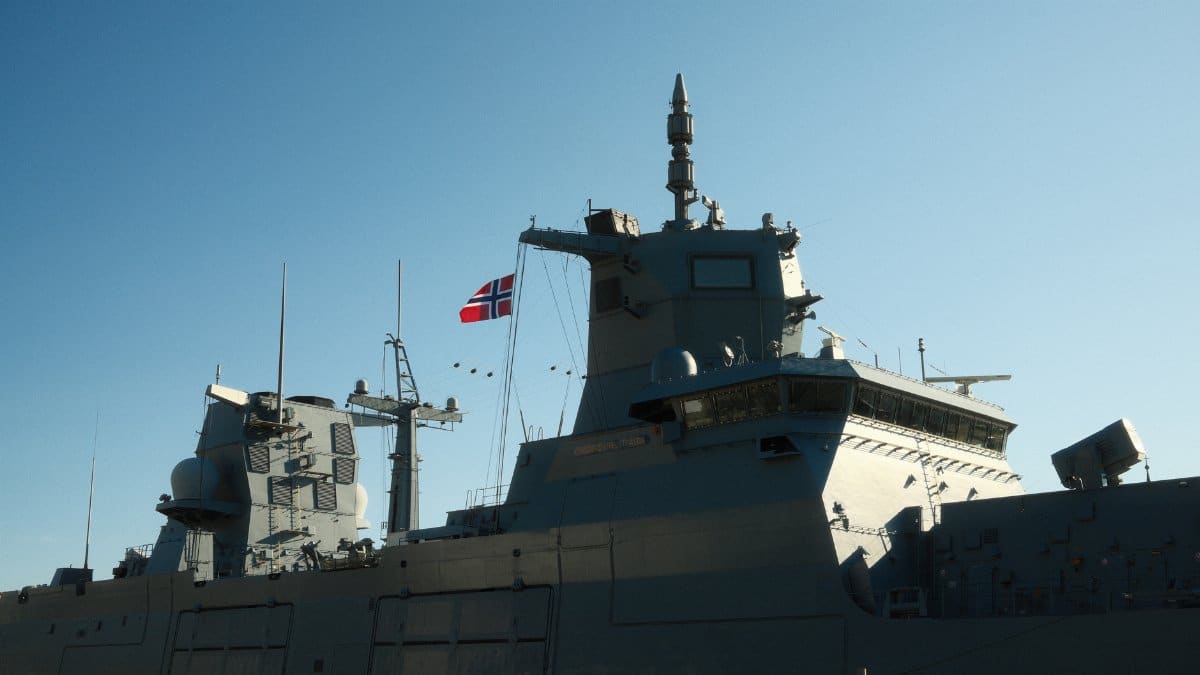
On a bend of the Minnesota River, far from any ocean, welders once sent finished hulls toward the Gulf of Mexico and, eventually, the Pacific war. The place was Port Cargill, better known in local memory as the Savage WWII shipyard, and for a few intense years it turned a grain port into a naval works. The question that still stops people is simple. Why did the United States Navy take delivery of ships built in Savage, Minnesota, a town whose water is fresh, narrow, and seasonal?
A grain port asked to build for the fleet
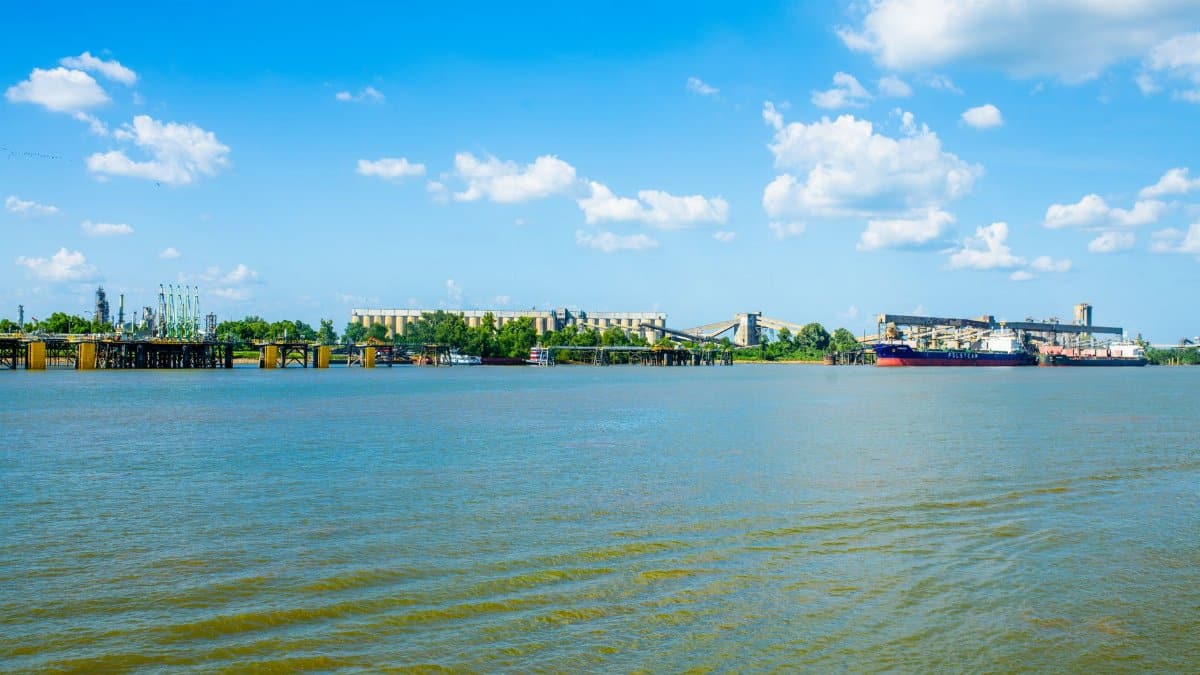
Savage sits southwest of Minneapolis, where rail lines, grain elevators, and the Minnesota River already met before the war. Cargill, the commodity firm, had developed Port Cargill there as a private harbor for moving grain. When coastal shipyards filled with destroyers, transports, and repair work, Washington looked inland for yards that could take smaller contracts without waiting for a berth on the Atlantic or the Pacific.
The logic was industrial, not romantic. A company that already handled heavy materials, employed skilled trades, and owned river frontage could be converted faster than a new yard could be poured from scratch. Steel, labor, and a navigable channel mattered more than salt spray. In that sense Savage was less an oddity than a wartime improvisation that happened to succeed.
What twenty two hulls could and could not be
Workers at the Savage WWII shipyard built 22 ships for the United States Navy, according to local reporting that has kept the episode in public view, including a Star Tribune account of the yard and the women who staffed it. These were not battleships. The Minnesota River could not float a capital ship, and no one pretended otherwise. The vessels were auxiliaries sized for an inland launch: useful ships, modest in draft, meant to carry fuel, supplies, or other support loads once they reached blue water.
That limit shaped everything. Ways, cranes, and assembly bays were planned around hulls that could clear the river, pass downstream locks and bends, and survive a long tow. Naval architecture met river pilotage. A yard that tried to build bigger would have produced monuments that could not leave.
Why the Navy accepted an inland address

By 1942 the Navy’s problem was capacity. Every coastal yard that could cut steel was spoken for, and the fleet still needed tenders, tankers, and other workhorses that rarely make the highlight reels. Inland construction spread risk. It used labor pools the shipbuilding coasts could not hire away. It kept production going if a submarine campaign or a labor shortage pinched one region.
Minnesota also had a manufacturing culture already turned toward war: machine shops, rail shops, foundries, and a workforce used to cold, deadlines, and heavy tools. Savage offered water deep enough, for the right class of ship, and a company willing to run a yard beside its grain business. The Navy did not need a seaport. It needed finished hulls and a route to the sea.
The long float to salt water

Launching was only the first mile. A ship completed at Savage entered the Minnesota River, moved toward the Mississippi, and continued south through locks, bends, and commercial traffic that had never been designed as a naval parade. Tugs did the careful work. Crews watched draft, bridges, and weather. At the Gulf the vessel could be fitted for ocean service and sent on toward the Pacific, where the fighting consumed auxiliaries as surely as it consumed combatants.
The voyage itself was part of the product. A hull that looked finished on the ways still had to prove it could travel half a continent before it proved it could serve a fleet. That journey is why photographs of the yard feel slightly unreal: gray naval shapes against a prairie riverbank, flags and grain elevators in the same frame.
Women who learned the trades on the job

Many of the people who built those ships were women, hired because the draft and war industry had emptied the usual male trades. They were not visiting for a photograph. They ran welding leads, sorted plate, kept time on shifts, and learned inspection standards that the Navy would not relax because the yard was inland or because the welders were new to the work.
Nationally, women in shipyards became a symbol, and the National Park Service still interprets that history at Rosie the Riveter WWII Home Front National Historical Park. Savage was a smaller stage of the same change. A grain town suddenly employed people who had been told, a year earlier, that heavy steel was not their work. Pay, skill, and public necessity overruled the old sorting. When the contracts ended, many of those jobs ended with them, which is its own part of the record, not a footnote.
How a commodity firm ran a naval line
Cargill did not become a shipbuilder by temperament. It became one by contract, engineering, and the habit of moving bulk material on schedule. Port Cargill already had docks, rail, and people who understood the river. The wartime addition was a production system: lofting, plate, subassembly, launch, and the paperwork that turns a hull into Navy property.
That mix created a strange daily life. Grain still mattered to the company’s identity, while a few hundred yards away a military schedule governed shifts. Supervisors answered both to corporate managers and to inspectors who could reject a weld. The Savage WWII shipyard worked because those two cultures, commerce and procurement, stayed aligned long enough to finish 22 ships.
The river as a factory constraint
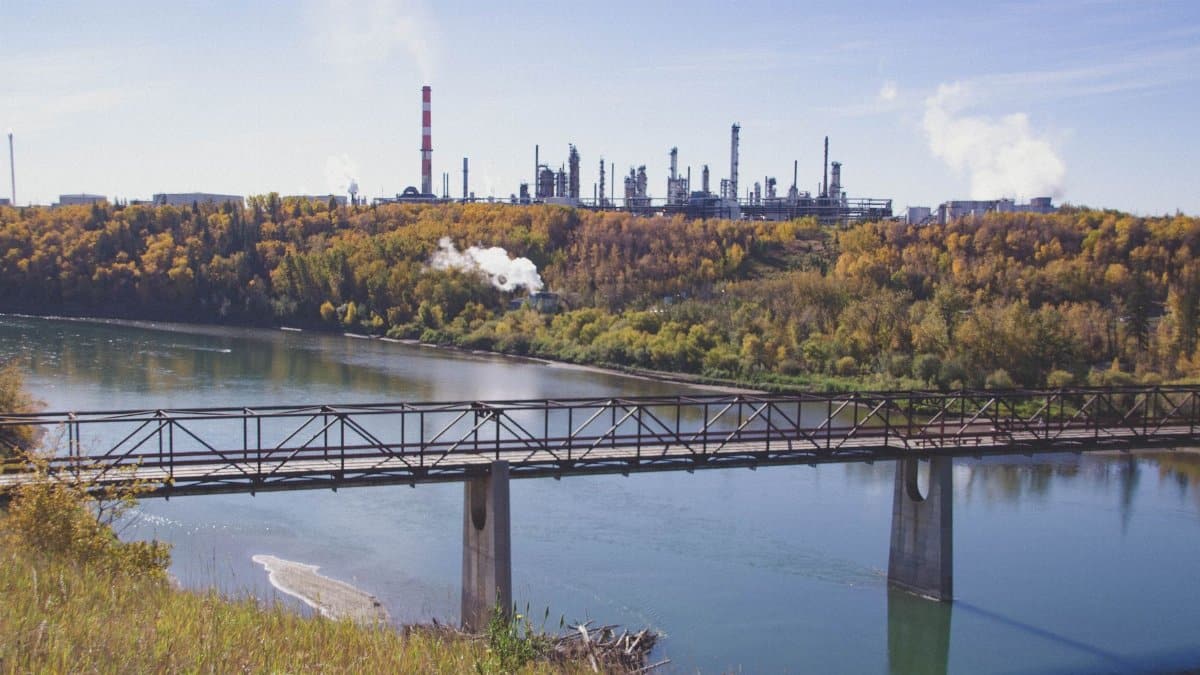
Visitors sometimes imagine shipbuilding as a coastal spectacle, with wide basins and open sea beyond the gate. Savage offered a working channel with seasons. Ice, high water, and low water all had a vote. Materials arrived by rail as often as by barge. The yard’s advantage was proximity to Midwestern steel and labor, not proximity to a fleet anchorage.
Engineers treated the river as a specification, the way a coastal yard treats tide. If the channel said the beam and draft must stay within a band, the design obeyed. That discipline is easy to miss in a commemorative telling. It is also the reason the project was plausible. The Navy was not indulging a novelty. It was buying ships that the river would allow to leave.
A town absorbing an industrial surge
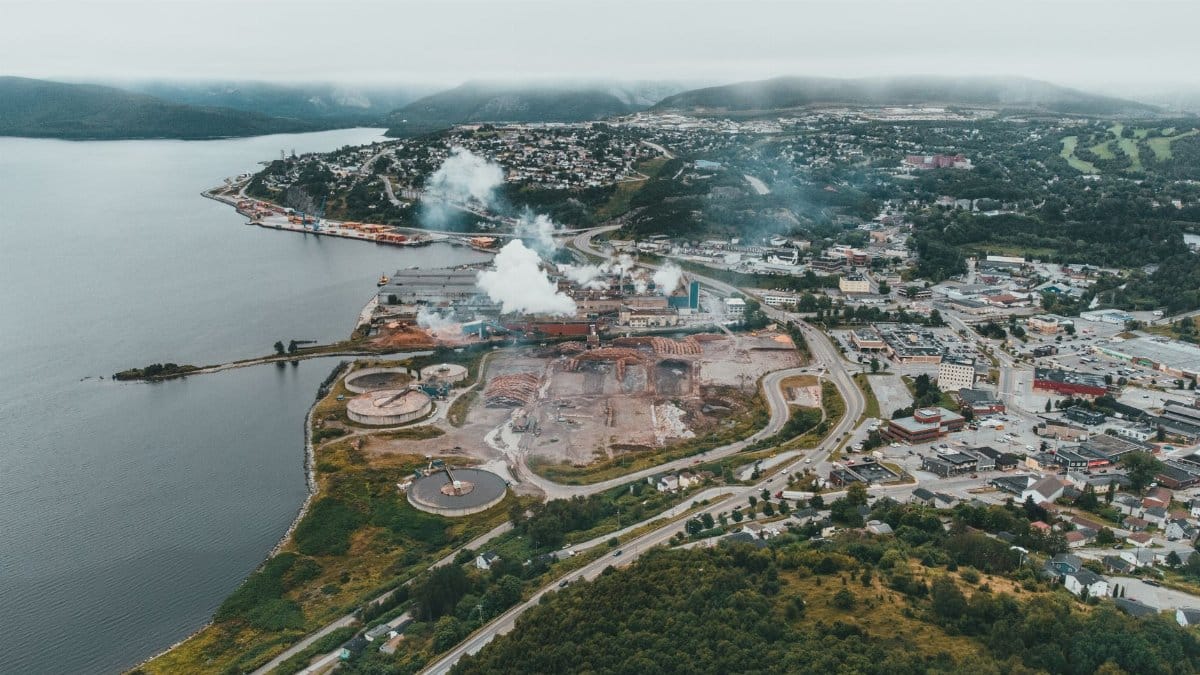
Savage was not a metropolis waiting for a shipyard. Housing, buses, cafeterias, and clinic hours had to stretch around a workforce that arrived quickly and worked odd shifts. Noise carried. Lights stayed on. Families adjusted to paychecks that depended on contracts written in Washington and on steel allocations decided far from the river.
Local memory tends to keep two pictures at once: pride that the town served the fleet, and the strain of a temporary industry dropped onto a small place. Both pictures are fair. Wartime production always borrowed from civilian life. In Savage the borrowing was visible, because the yard and the town were the same size in the imagination even when the payroll said otherwise.
What the Pacific actually needed from Minnesota
The Pacific war ran on distance. Fuel, food, ammunition, and spare parts had to move across an ocean that punished empty logistics. Auxiliaries were the unglamorous answer. A ship launched in Minnesota might never fire a gun in anger and still shorten the supply line that kept carriers and Marines in the fight.
That is the cleanest reply to the title question. The Navy built in Savage because the fleet’s need was broader than famous hulls, because coastal yards were saturated, and because a river route existed from Port Cargill to the Gulf. The Pacific did not care that the weld was made beside a grain elevator. It cared that the ship arrived able to work.
After the ways went quiet
When the contracts closed, the yard did not remain a naval monument. Cargill returned its attention to the commodity business that had justified the port in the first place. Tools were sold, shifted, or stored. Workers who had learned a trade in three months had to decide whether that trade still existed nearby. Some stayed in industrial jobs. Others went back to households and offices that the war had only temporarily rearranged.
The river remained. So did the corporate footprint. What faded first was the visual shock of naval gray on the Minnesota. Within a few years a passerby could miss the fact that warships had been finished there at all. Forgetting is ordinary. The unusual part is how completely a town can host a fleet program and then look, again, like a river port for grain.
How the story survived in print and memory

The Savage WWII shipyard lived on in employment records, family stories, and occasional newspaper features rather than in a famous harbor museum. That is typical of inland war industry. The dramatic coast gets the plaques. The river town gets a paragraph, then a revival when a reporter asks a curious question and former workers, or their children, still have names and photographs.
I have read enough home front history to distrust tidy morals, and this episode does not need one. It needs accurate scale. Twenty two ships is not the Kaiser shipyards. It is also not a curiosity you can dismiss. It is a complete production run, staffed in significant part by women, executed on a river most Americans do not associate with the Navy, and finished in time to matter.
What the episode still explains

The yard explains how the United States actually armed itself: by converting whatever plant, port, and workforce could meet a specification, then routing the product through ordinary commercial geography. It explains why “warship” sometimes means a support vessel whose name never enters a textbook. It explains why women’s industrial work in the 1940s cannot be filed only under poster art. And it explains why a Minnesota address appears in a naval story at all.
Stand on that bank now and the war is not visible. Rail, river, and commerce still are. The Savage WWII shipyard is a reminder that strategy is often a sequence of unfamous decisions: a channel depth, a contract, a training week for a new welder, a tow to the Gulf. Those decisions built 22 ships. They also built a local history that still answers, cleanly, why the Navy once came to Savage.