
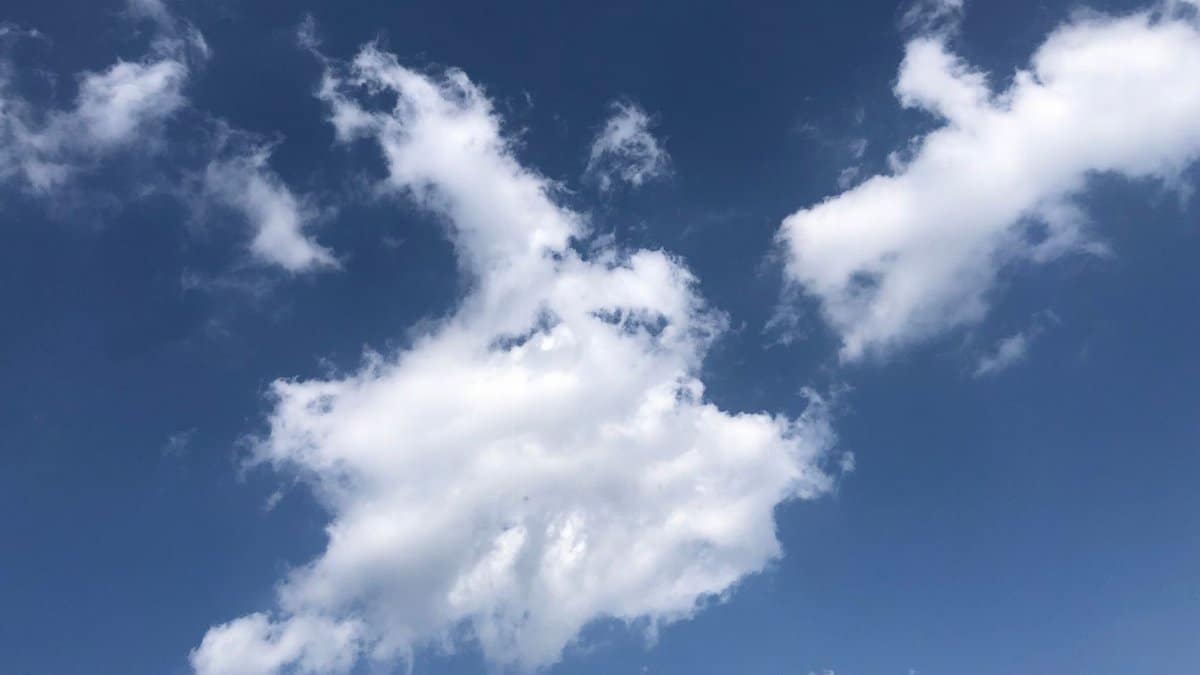
On a gray Saturday morning in Houston, the light arrives late and stays soft, as if the city has agreed to lower its volume for a day. Porches stay damp. Coffee cools faster than it did a week ago. The Houston weather forecast for the coming weekend, dated November 9, 2026, describes increased cloud cover and cooler temperatures across the metro area, a shift that will not freeze the bayous but will change how the city moves. For a place built on heat, even a modest cooling is news.
A city that measures the year in heat

Houston does not experience seasons the way northern cities do. Summer lingers. Autumn arrives in pieces, often after a front pushes humid air toward the Gulf and leaves a thinner sky behind it. Residents learn to read small signals: a jacket that was decorative in October suddenly earns its place, a patio heater gets dragged out of a garage, and evening walks last longer because the air no longer argues back. Clouds matter in that reading. They mute the sun, slow the warmup, and make a cooler day feel cooler still, even when the thermometer has not fallen dramatically.
That is the texture of this weekend. The published outlook points to more cloud than sun and a step down in temperature across Harris County and the surrounding suburbs. It is not a winter storm story. It is a story about pace, clothing, and plans that were written for a brighter sky.
What increased cloud cover actually changes

Clouds are easy to dismiss as scenery. In Houston they are also a physical force. A thick deck limits daytime heating, so the afternoon peak stays lower than it would under a clear November sun. The same deck can hold a little warmth near the ground after sunset, which means nights may not plunge as sharply as people expect from the word cooler. The result is a compressed range: less blaze at 3 p.m., less bite at 3 a.m., and a day that feels uniformly gray.
For anyone watching a ball game, staffing an outdoor market, or painting a house, that compression is practical. Shade is already supplied. Drying times lengthen. Photographs lose their hard shadows. The city looks flatter and, to many eyes, more serious.
How cooler air tends to arrive here

Cooler air in southeast Texas usually comes with a front, a boundary between a humid maritime mass and a drier continental one. The passage can bring a wind shift, a brief period of showers, and then a clearing that this weekend’s description does not emphasize. When clouds remain, the front has done only part of its work. Moisture is still available. Lift is still possible. Forecasters watch the lower atmosphere for whether that moisture stays as overcast or organizes into rain.
Readers should treat the weekend as a cloud story first and a rain story second. Increased cover does not guarantee a washout, and it does not guarantee a dry Saturday. The honest reading is conditional: plan for dimmer light and milder air, and keep a margin for showers if later updates add them.
Neighborhoods do not feel the same sky
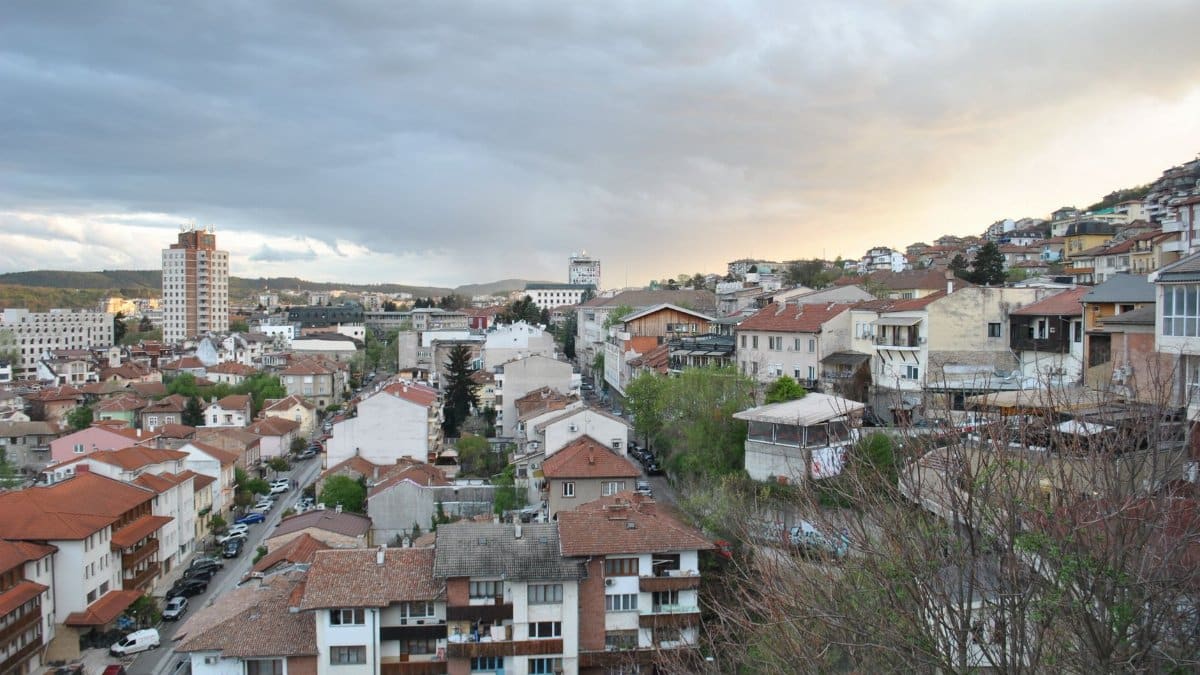
The metro area is large enough that one forecast line cannot capture every porch. Areas nearer the coast often hold onto Gulf moisture longer, so clouds can be thicker and temperatures a degree or two higher than in the pine suburbs to the north. Urban cores retain heat in pavement and rooftops, which can blunt an overnight drop even when the official station cools. A cul de sac in Katy and a high rise near downtown can share a headline and still offer different jackets.
That local spread is why a regional Houston weather forecast is a starting point, not a verdict. People who work outside, coach youth sports, or manage loading docks already know to check the nearest observation before they commit a crew. The weekend pattern is broad. The experience of it will be block by block.
Saturday plans under a lower ceiling

Markets, festivals, and youth tournaments fill Houston weekends in November. Organizers who assumed bright sun may find that crowds arrive later and leave earlier when the sky stays closed. Food vendors still do well. Shade tents become less essential and wind becomes more relevant if a front is still sliding through. Parents packing for fields should think layers rather than a single light shirt, and they should assume grass stays damp longer under cloud.
Indoor plans gain a quiet advantage. Museums, libraries, and late breakfasts look more reasonable when the alternative is a gray parking lot. None of this requires alarm. It requires a small edit to the day, the kind of edit Houston makes dozens of times between September and March.
Schools, commutes, and the Monday echo

A cooler, cloudier weekend rarely disrupts Monday the way ice or flooding does. What it can do is change the mood of the commute. Windshields stay streaked. Headlights stay on past sunrise. Children who spent two days in lighter air may dress for recess as if summer had returned, then stand in a breeze that says otherwise. Schools that schedule outdoor assemblies will want a backup room not because of danger but because attention scatters when students are cold and the microphone fights a gust.
Transit riders notice cloud more than drivers do. A platform without sun feels several degrees lower than the same platform in clear weather. That perception is not a measurement error. It is the body doing what thermometers cannot, combining wind, humidity, and light into a single judgment about whether to wait inside.
Why precision still has limits

Forecast language is careful for a reason. Increased cloud cover and cooler temperatures describe a tendency, not a contract. Models can agree on a front and disagree on how much moisture remains behind it. A shift of fifty miles in a cloud band can turn a gloomy morning into a bright one for one county and leave the next county under a deck. November adds another variable: days are shorter, so a late clearing still leaves little time for the ground to warm.
The useful habit is to read the Houston weather forecast twice, once for the pattern and once for the update closest to the event. Pattern tells you to expect gray and milder air. The update tells you whether that gray includes rain, wind, or a surprise break of sun. Treating the first reading as final is how weekend plans get stranded.
What cooler means in a warming climate conversation

A mild November weekend does not settle arguments about long term warming, and it should not be recruited to do so. Houston has recorded hot autumns and sharp early cold in the same decade. A single cloudy Saturday sits inside that noise. What residents can say with confidence is narrower: relative to recent afternoons, this weekend is expected to run cooler, and relative to a clear sky, clouds will suppress the daytime rise.
That modesty is a form of respect for readers. Weather writing loses trust when it turns every front into a parable. The parable can wait. The jacket cannot.
Mood, ritual, and a slower Sunday

Cloudy weekends have a cultural life in this city that has little to do with meteorology. Congregations that hold outdoor blessings or evening services notice when the light fails early. Families who use Sunday for cemetery visits, neighborhood walks, or quiet hours after a long week often describe gray air as permission rather than disappointment. The city is loud enough that a lower sky can feel like a room with the door shut.
None of that is forecast guidance. It is context for why a routine temperature drop still fills group texts. People are not only asking whether to bring a coat. They are asking what kind of day they are about to inhabit, and whether it will ask something gentler of them.
Practical checks before you leave the house

A short list of habits beats a long list of worries. Look at the hourly trend, not only the daily high. Note the wind, because cooler air feels sharper when it moves. If you are headed toward the coast or toward the northern suburbs, assume a small difference from the downtown number. If an event cannot tolerate rain, identify an indoor alternative before Saturday morning, when decisions get rushed. If the event can tolerate cloud, stop renegotiating it.
Gardeners can use the cover. Soil dries more slowly, which helps new plantings and frustrates anyone hoping to mow a soaked lawn. Painters and roofers should expect longer cure times. Pet owners will find sidewalks less hostile than in September, which is its own small mercy.
How to talk about the weekend without exaggerating it

Language does real work in weather. Cooler is not cold. Cloudy is not a storm. Across the metro area is not every block at the same hour. When headlines compress those distinctions, readers either overprepare or tune out. A better sentence keeps the scale visible: a weekend of increased cloud and lower temperatures, meaningful for comfort and scheduling, ordinary for a Gulf Coast November, and still worth a second look if plans depend on dry pavement or a clear photo.
That sentence also leaves room for revision. Forecasts improve as the hours shrink. The public does not need certainty it cannot have. It needs a clear description of what is likely and a plain admission of what is not yet known.
The week that follows the gray
Weekends set the emotional temperature of the workweek more than meteorologists like to admit. If Saturday and Sunday stay dim and mild, Monday can feel like a continuation rather than a restart. Offices that cranked air conditioning through October may finally open a window. Restaurants with patios will watch whether guests still choose outside once the novelty of cooler air meets a low ceiling.
Energy use often dips on days like these, not because of a deep chill but because neither cooling nor heating runs hard. That is another way a modest forecast shows up in ordinary life: in a bill, a thermostat left alone, a sweater that stays on a chair instead of in a closet.
Keeping the Houston weather forecast in proportion

The Houston weather forecast attached to November 9, 2026, is specific enough to guide a weekend and modest enough to resist drama. Clouds increase. Temperatures ease. The metro area shares the pattern even as neighborhoods shade it differently. Residents who pack a light layer, allow extra time for damp ground, and check an update before an outdoor commitment will have done the useful work.
Houston will return to heat. It always does, sometimes within the same month. For these two days the city gets a lower sky and a cooler margin, and that is sufficient news for anyone deciding how to spend them.