
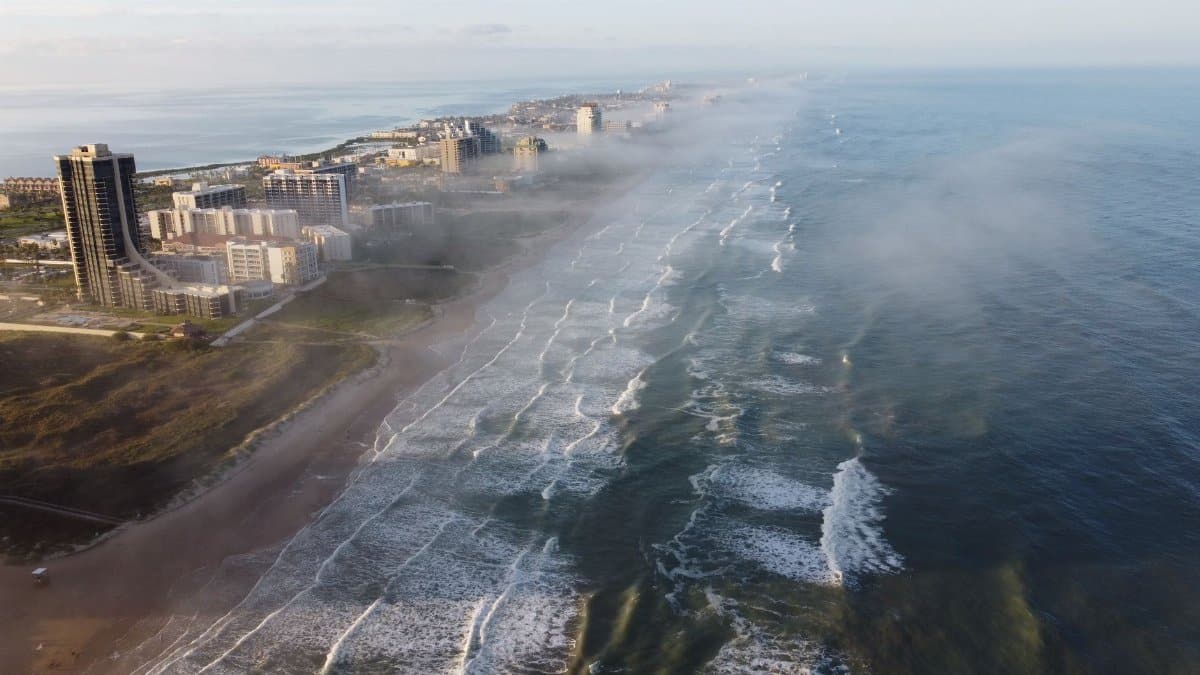
On a bright weekday morning the road toward Boca Chica looks ordinary until the gates, the towers, and the low rumble of work remind a visitor that this stretch of coast is also a launch complex. Residents who once measured the week by fishing tides now measure it by closure notices. Into that uneasy routine comes a political shift in Austin that is already being felt in talks over land, access, and incentives. The argument over SpaceX South Texas is no longer only a local dispute about noise and jobs. It is a test of how far a state will bend its parks, its beaches, and its bargaining power to keep one company growing.
A capitol that no longer speaks with one voice

For years the company could count on a friendly hearing in Austin. Republican leaders treated the South Texas site as proof that Texas could host the future of flight, and they moved quickly when the firm asked for roads, tax treatment, or help with land. Midterm results have not erased that sympathy, but they have ended the assumption that every request will clear the capitol without a fight. Democrats who gained ground ran, in part, on a promise to look harder at public giveaways and at deals that shrink public shoreline. Gina Hinojosa, whose campaign made coastal access and the state park question part of her case for governor, is now a name that county officials and company lawyers both mention when they describe the next round of talks. Whether she holds the governor’s office or simply a larger share of the argument, her rise has changed the temperature.
That change matters because expansion here is not a single permit. It is a stack of decisions: city powers at the site the company calls Starbase, county road authority, state park boundaries, beach closure rules, and the quiet work of buying or leasing parcels that sit between the launch pads and the public. A legislature that is less eager to bless every step can slow the stack even if it never passes a bill aimed at the company by name.
The state park parcels at the center of the fight

The sharpest dispute is not about a rocket. It is about land that Texans were told would remain a park. Reporting on negotiations around Boca Chica State Park has described proposals to sell or transfer acreage so the company can widen its footprint, improve safety zones, and reduce the chance that a public visitor ends up inside a hazard area during tests. Supporters of a sale say the park, as it exists, is already hemmed in by closures and that a clean transfer, with money directed to other public land, would be more honest than a park that people cannot reliably enter.
Critics hear a different story. They argue that a sale would ratify a pattern in which public land is treated as a reserve for private industry, and that once the title moves, the public loses the leverage that ownership provides. Midterm winners who campaigned against the sale now have a reason to reopen files that seemed nearly closed. Staff in Austin describe a pause rather than a cancellation: briefings rescheduled, appraisals questioned, and legislators asking who would sign, who would be paid, and what access would remain on paper after the ink dried.
What the border counties actually want

Cameron County is not a monolith, and it is a mistake to treat South Texas as a backdrop for a fight invented in Austin. Local leaders have spent years balancing pride in a globally watched project against frustration over roads, housing costs, and the simple ability to reach the beach. Some want the company to keep hiring and to keep spending on infrastructure. Others want a written bargain: fewer surprise closures, clearer notice, and a commitment that public money spent on roads and utilities will not be followed by a request to give away the park.
The midterms complicated that local bargain because they changed who can deliver it. A county judge can negotiate, but a land sale that touches a state park needs state assent. If the people who must assent are newly skeptical, local officials lose the ability to trade access for jobs in a single meeting. They are left explaining to neighbors why a deal that looked imminent in the spring is now a stack of unanswered letters.
Jobs, contracts, and the promise that sold the site

The economic case remains the company’s strongest card. Suppliers, welders, hotel owners, and food vendors in Brownsville and nearby towns have tied part of their year to the launch cadence. When tests cluster, rooms fill and overtime appears. When a stand down stretches for weeks, the same businesses feel the gap. Expansion plans, including more production space and more frequent flights, are sold locally as the difference between a spectacle and a durable industry.
Political uncertainty does not erase those paychecks, but it does change how banks and contractors price the next phase. A firm that expected a smooth land transfer may now build contingency into schedules. A vendor deciding whether to open a second shop may wait to see whether the state still treats the site as a flagship or as a problem to be managed. That waiting is itself a cost, and it falls first on smaller businesses that cannot afford a long pause.
Closures, wildlife, and the coast people still use

Environmental groups and weekend visitors describe a different ledger. Beach closures, even when lawful, rearrange daily life. Bird habitat near the mouth of the Rio Grande has been a standing concern for biologists who worry that light, noise, and construction push sensitive species off a narrow strip of coast. The company points to mitigation, monitoring, and the argument that a controlled industrial zone is safer than an unmanaged mix of visitors and hardware.
The new political math gives those concerns a louder hearing, not because midterm voters became ecologists overnight, but because candidates who criticized the land sale also criticized the idea that closures are a minor inconvenience. Hearings that once drew a handful of agency staff may now draw legislators who want maps, species lists, and a plain account of how often the highway is shut. None of that stops a launch by itself. It does make it harder to treat the coast as an empty stage.
How a gubernatorial fight reaches a launch pad
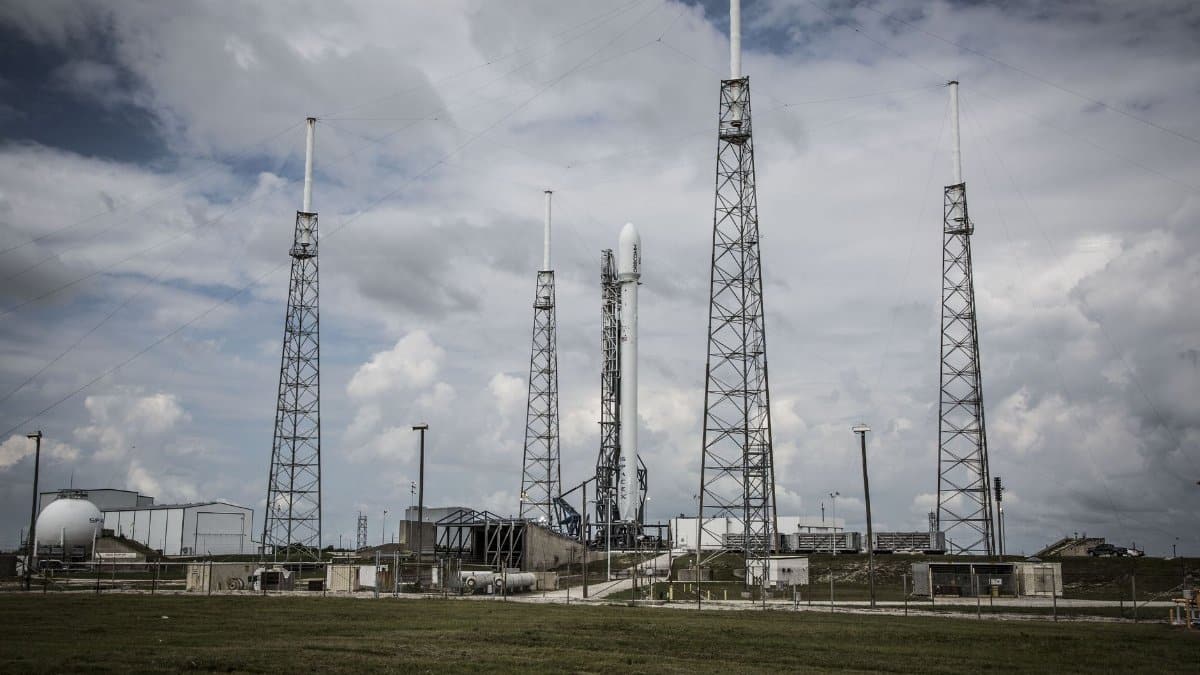
A governor does not light the engines, yet a governor shapes the agencies that sign off on parks, transportation, and economic development. Hinojosa’s campaign treated the South Texas arrangement as a symbol of deals made too quietly. Allies say a Democratic administration, or even a Democratic bloc large enough to force amendments, would demand public appraisal, a waiting period, and a guarantee that sale proceeds buy comparable public land rather than disappear into general funds. Company representatives, for their part, have argued in other settings that safety zones cannot be negotiated like a hotel tax and that delay near a test site is not a neutral act.
The practical result in the weeks after the vote has been procedural. Meetings that were described as final are now described as preliminary. Lawyers are rereading statutes that govern park disposal. Local officials are asking whether a county road closure schedule can be separated from the park question so that daily operations do not wait on a philosophical fight. Separation sounds tidy. On the ground, the road, the beach, and the pad sit on the same map.
Washington is a second audience

State politics is only half the permission structure. Federal aviation and environmental reviews still govern much of what can fly and how often. A shift in Austin does not rewrite those reviews, but it can change the tone of comments that state agencies file and the enthusiasm with which Texas defends the project in Washington. If state officials begin to emphasize unresolved land questions, federal reviewers have a fresher record to cite when they ask for more analysis. The company has navigated that process before. What is new is the chance that Texas will no longer act as a uniform advocate.
There is also the matter of political theater. Members of Congress who oppose the firm for reasons that have little to do with Boca Chica may point to a messy state land fight as evidence that the project lacks a stable home. Members who support it may urge the state not to punish a private employer for winning a competition that other states still covet. Expansion plans thus become a prop in arguments that began far from the Gulf.
What the company can still do without new land
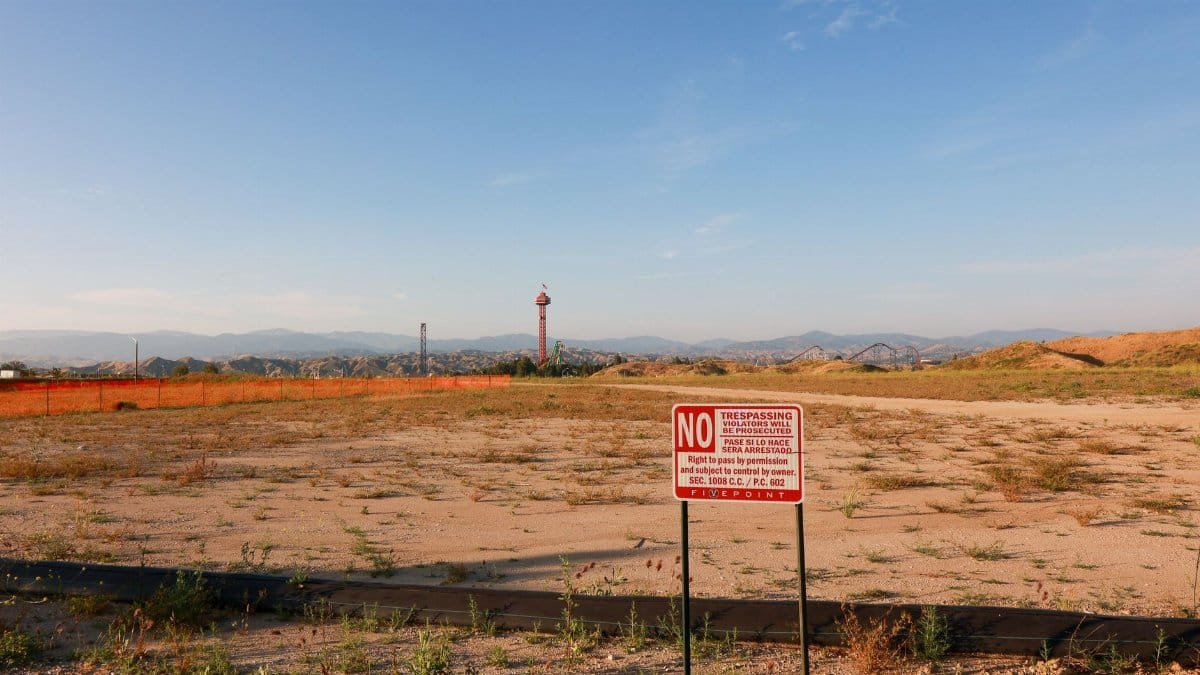
It would be wrong to suggest that every ambition depends on a park sale. Much of the work already underway sits on property the company controls, under authorities it has already obtained. Production, testing, and the slow conversion of a village of tents and trailers into something more permanent can continue while lawyers argue over acreage at the edge. Residents notice that continuation every time a new structure rises or a new convoy of equipment arrives.
The contested land matters most for the next increment: wider safety margins, fewer awkward boundaries, and a layout that assumes growth rather than improvisation. Without it, engineers can still work, but they work inside a tighter outline. That outline is what the phrase SpaceX South Texas now contains for planners in Austin: not a blank coast, but a site whose easy expansion path has been politically narrowed.
Public access after the headlines fade

For people who do not follow legislative calendars, the question is simpler. Can a family still drive to the beach on a Saturday without discovering a closure at the last turn? Can a park that carries the state’s name still function as a park if the state is negotiating to sell pieces of it? Those questions survived the campaign because they are felt in traffic, not in speeches.
Any revised deal will be judged on that test. A promise to fund a park somewhere else does not comfort a person whose Saturday plan depended on this one. A promise of better notice helps only if the notice arrives in time to matter. Midterm victors who campaigned on access will be measured by whether the highway is more predictable six months from now, not by whether they issued a stern statement in November.
The bargaining table, redrawn

Negotiators on all sides are adjusting their lists. The company wants certainty: a defined hazard zone, a predictable closure process, and an end to the suggestion that every new building is a betrayal. State Democrats want a public record: appraisals, alternatives, and a vote that cannot be described later as a quiet transfer. County officials want jobs and roads without becoming the face of a sale they do not fully control. Environmental advocates want conditions that survive a change in administration, written tightly enough that a future friendly governor cannot waive them in a afternoon.
Those lists do not reconcile easily. Certainty and a public fight pull in opposite directions. The midterms did not invent the conflict, but they removed the option of resolving it entirely inside one party’s comfort. That is what it means to say the results already complicate expansion. The rockets can still rise. The paperwork around them cannot move as if the election had not happened.
A narrower path, not a closed one

Texas has not become hostile to the industry, and South Texas has not turned against the paychecks. What has changed is the cost of assuming consent. Leaders who once treated the site as an automatic win for the state brand must now explain the trade to colleagues who won office by questioning it. The company must explain, in plainer language than a safety briefing, why a public park should change hands and what the public keeps if it does.
If those explanations persuade, expansion can proceed with a broader blessing than a one party deal would have carried. If they do not, the firm will keep building on what it already holds and will look for operational workarounds that do not require a sale. Either outcome is slower than the path that seemed open before the votes were counted. For a project defined by speed, slower is not a small word.
What the next session will reveal

The coming legislative session will show whether the postelection pause is a negotiation tactic or a real constraint. Watch for three signals. First, whether park sale language appears in a bill or stays in private memos. Second, whether closure rules are written with dates and notice periods that a resident can understand. Third, whether incentive packages for suppliers are paired with conditions about housing, roads, or public access, or whether they arrive as unrestricted sweeteners.
Until those signals appear, the honest description is unsettled. SpaceX South Texas remains a working industrial coast with a global audience and a local argument about who owns the edge of the water. Midterm results did not move the pads. They moved the people who must say yes to the next acre, and that is enough to complicate every plan that assumed the yes was already in hand.