

A federal court decision in Massachusetts has opened the door for renewed legal confrontations across the country. Democratic led states are now pursuing another round of litigation aimed at preserving access to voting by mail in the midterm elections. Their mail voting lawsuit targets an order from the previous administration that seeks to limit postal service involvement in ballot distribution. Observers point to the potential impact on voter turnout in key regions where mail options have grown popular over the past decade. The move highlights ongoing tensions between federal directives and state level election management practices.
Background on the Trump Administration Order
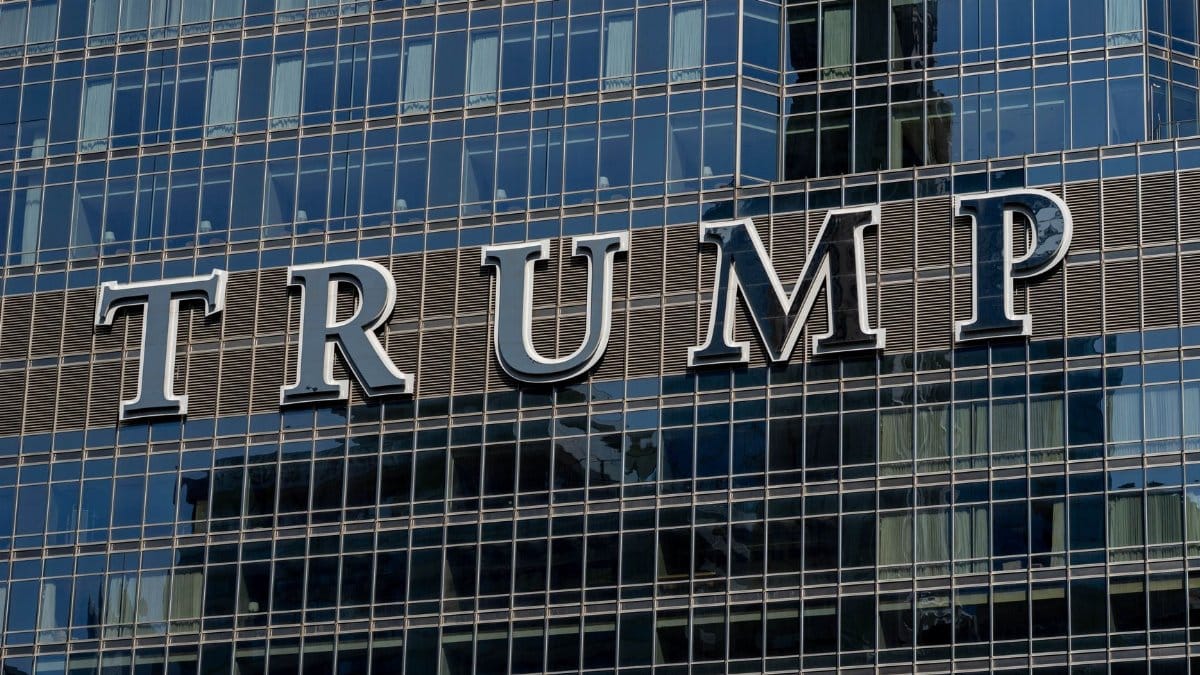
The directive in question emerged during the prior presidential term and aimed to impose stricter rules on how the postal service handles election materials. Officials argued that tighter controls would reduce risks of fraud though critics countered that the measures would create unnecessary barriers for citizens who rely on mail for convenience or health reasons. Several states had previously won temporary blocks but a recent ruling allowed portions of the policy to proceed sparking the fresh round of court filings.
Role of Democratic Attorneys General
Attorneys general from multiple states coordinated their efforts to challenge the restrictions once more. They contend that the order oversteps federal authority and interferes with traditional state responsibilities in running elections. Their arguments rest on claims of constitutional protections for voting access as well as practical concerns about processing times and delivery reliability during peak periods.
Impact on Midterm Voter Participation
Analysts project that limits on mail ballots could affect participation rates especially among older voters and those in rural areas where polling places are fewer. Data from past cycles shows steady growth in mail voting across both parties suggesting the changes might alter established patterns of civic engagement in significant ways.
Judicial History of Related Cases

Courts have handled numerous disputes over mail voting procedures in recent years with outcomes varying by jurisdiction. The Boston ruling represents one shift in this pattern allowing implementation of certain federal guidelines while leaving room for further challenges at higher levels of the judiciary.
Views from Election Administrators
Local officials responsible for running elections have expressed mixed reactions to the developing situation. Some welcome clearer federal standards while others worry about added logistical burdens and potential confusion among voters accustomed to flexible options. Training and resource allocation remain pressing issues for those on the front lines.
Broader Implications for Election Policy
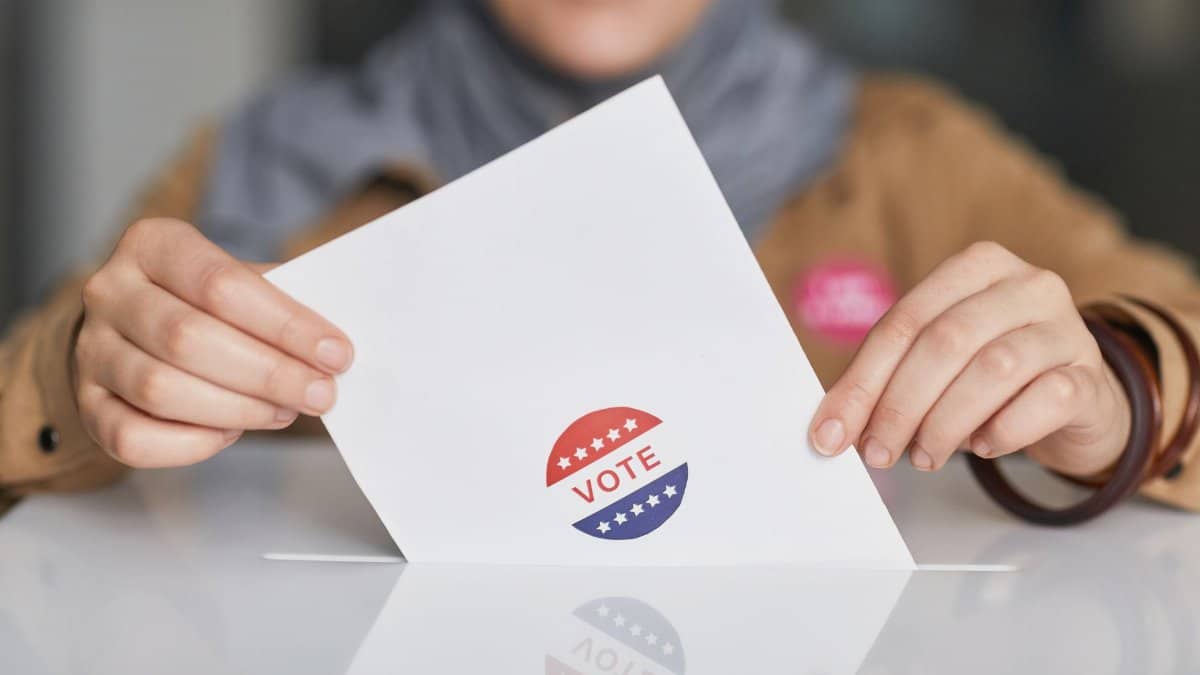
This mail voting lawsuit could set precedents that influence how future administrations approach postal service involvement in civic processes. Lawmakers in congress might face pressure to clarify roles through legislation rather than relying on executive actions alone. The debate touches on fundamental questions of access equity and security in the American voting system.
Public Opinion Trends on Mail Ballots

Surveys indicate divided but evolving attitudes toward mail voting with support often crossing party lines depending on the specific proposal. Middle aged citizens in particular have shown interest in options that accommodate work schedules and family obligations. These sentiments may play a role in how political figures position themselves on the issue moving forward.
Potential Outcomes and Next Steps

Legal experts anticipate a lengthy process with possible appeals reaching the supreme court. In the meantime states continue to prepare for the midterms under varying sets of rules creating a patchwork that could lead to disparities in voter experiences nationwide. Monitoring these developments will be essential for understanding the full scope of changes ahead.