
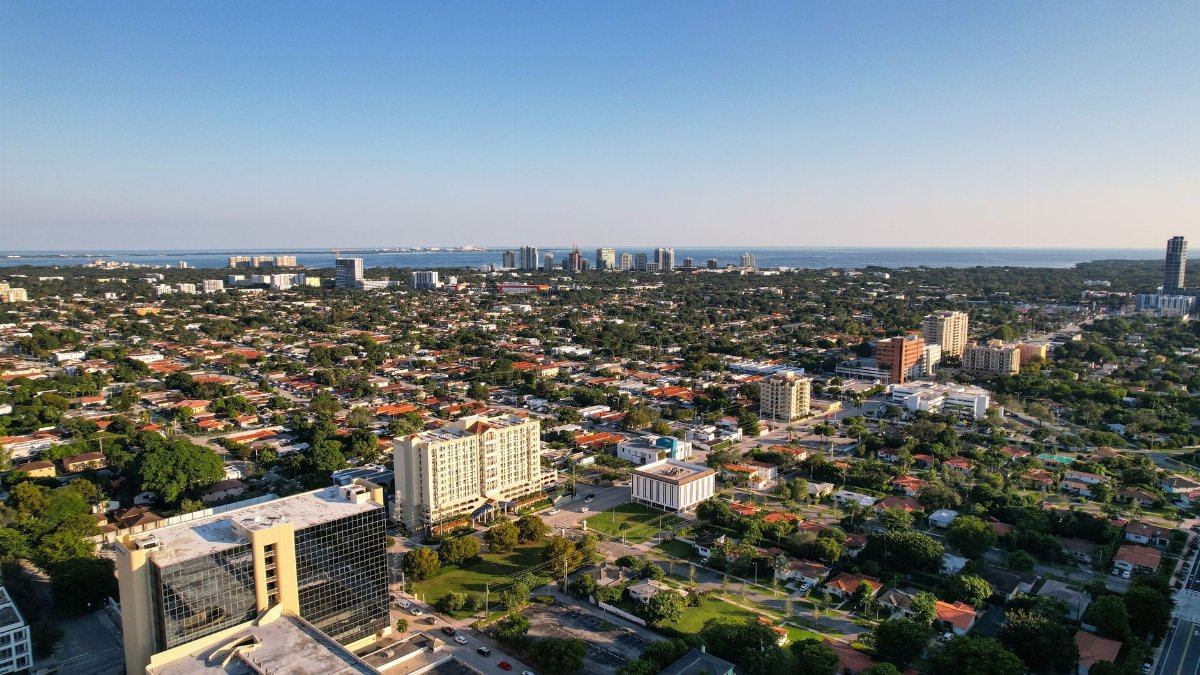
Voters in Miami are being asked to decide whether the city should borrow heavily to modernize police and fire facilities, and the money behind the persuasion campaign is now part of the story. The Miami Herald has reported that Mayor Eileen Higgins is raising hundreds of thousands of dollars through a political committee to support a $450 million public safety bond on the November ballot. In that reporting, the question of Miami mayor Higgins bond PAC donors is less a slogan than a practical civic test: who is writing the checks, what do they want, and how should residents weigh those names against the condition of the buildings the city says it can no longer patch together.
What the bond would actually buy

A bond is a loan dressed in the language of civic improvement. The city borrows from investors, spends the proceeds on capital projects, and repays the debt over many years with interest. In this case the stated purpose is public safety: police and fire stations, related facilities, and the kind of durable infrastructure that operating budgets rarely cover in a single year. Supporters argue that aging buildings are not a cosmetic problem. They are places where officers start a shift, where apparatus is stored, and where response times can be slowed by layouts designed for a smaller city.
Opponents, or at least the skeptical middle, tend to ask a different set of questions. Is $450 million the right number, or a number chosen because it polls well? Which stations come first? What happens to maintenance after the ribbon cuttings? A bond campaign can sound like a single yes or no. The spending plan underneath it is a sequence of choices about neighborhoods, timelines, and contractors. Those choices are where donor interest, if it exists, would matter.
Why a mayor reaches for a political committee

Florida candidates and officeholders often rely on political committees because the rules for those committees are looser than the rules for a candidate account. A committee can raise larger sums, spend on advertising, and keep a campaign in the field without asking the mayor to write personal checks for every mailer. That structure is legal. It is also why residents who never open a campaign finance filing still end up living with its consequences. Television spots, digital ads, and neighborhood literature do not pay for themselves.
Higgins is not inventing the tactic. Mayors across the country use allied committees to sell tax questions, stadium deals, and infrastructure packages. The difference in Miami is scale and trust. A city that has spent years arguing about development, flooding, and the cost of living does not automatically grant the benefit of the doubt when City Hall says borrow now and argue later. A committee can clarify the case. It can also harden the suspicion that the case is being managed.
What a donor list can and cannot prove
The useful way to read Miami mayor Higgins bond PAC donors is as a public record, not as a conspiracy chart. Names, amounts, dates, and employers, when disclosed, tell you who had enough interest to pay for the message. They do not, by themselves, prove a quid pro quo. A developer, a union, a law firm, or a civic donor may give because they want safer stations, because they want access, because a colleague asked, or because they expect future city business. Sometimes more than one of those motives is true at once.
Readers should also notice who is absent. A committee funded only by a handful of large checks tells a different story from one filled with smaller contributions from residents near the stations slated for work. Concentration is not illegal. It is informative. If a few interests supply most of the money, voters are entitled to ask whether the advertising will mention tradeoffs those interests would rather leave unsaid.
The public safety argument, stripped of slogans
Public safety bonds succeed when voters can picture a specific failure and a specific fix. A roof that leaks onto evidence storage is easier to explain than a line item called modernization. Firefighters who describe bays too short for current trucks are more persuasive than a brochure that says world class. The mayor’s committee will almost certainly lean on that concrete imagery, and it should. Residents deserve to know whether the buildings they already paid for can still do the job.
The harder part is separating need from packaging. Miami has real public safety costs: hiring, overtime, equipment, and buildings that have outlasted their design. Borrowing can be the honest way to spread a capital bill across the people who will use the facilities for decades. Borrowing can also let leaders avoid a plainer conversation about what the operating budget already fails to maintain. A donor funded campaign is unlikely to dwell on that second point unless critics force it into the ads.
The bill that arrives after the vote
Bonds feel painless on election day and expensive in the years after. Interest is not a footnote. A $450 million authorization, even if the city does not borrow every dollar at once, commits future budgets to debt service that competes with parks, housing programs, transit, and the very staffing that makes a new station useful. Property owners feel the tax impact. Renters feel it later, when landlords pass costs through. That lag is one reason bond campaigns can outrun voter skepticism.
None of this means the projects are unworthy. It means the price should be stated in household terms, not only in architectural renderings. How many years of repayment? What is the estimated annual cost for a typical homestead? What revenue is pledged if property values fall? Those are not hostile questions. They are the questions a careful lender would ask. A political committee that cannot answer them in plain language is asking for trust it has not earned.
How to read a contribution without inventing a scandal

Start with the filing, not the rumor. Florida political committees disclose contributors, and local coverage, including the Miami Herald account at miamiherald.com, is the right first stop for who has already given. Look at the size of the gift relative to the committee’s total. A five figure check in a small committee is a different fact from the same check in a war chest of many hundreds of thousands. Look at timing. Money that arrives just before a major ad buy is money intended to shape the next two weeks of opinion.
Then look at the donor’s relationship to city business. Contractors, lobbyists, landowners near planned sites, and firms that design public buildings have an obvious stake. So do police and fire unions, whose members will work in the buildings and whose political support can move a municipal election. A gift from a neighborhood association or a longtime civic donor carries a different weight. The point is not to sort people into heroes and villains. The point is to see the pattern before the pattern buys the narrative.
Neighborhoods will not experience the bond equally

Miami’s argument about this bond will fracture along familiar lines: which district waits, which district cuts the ribbon, and which district gets a study instead of a shovel. Public safety needs are not evenly distributed, and neither is political money. If the early donor pool clusters around downtown interests or a single industry, residents in outer neighborhoods will reasonably ask whether their stations are the purpose of the campaign or the backdrop.
That geographic test is one of the few checks ordinary voters still have. Town halls, station tours, and published project lists matter more than a polished video. If the committee’s message names every community and the spending plan names only a few, the gap is the story. Journalists and residents can compare those two documents without needing inside information. The filings and the project list are both public, or they should be before ballots go out.
What transparency looks like before November

A serious campaign for this bond would publish three things in one place: the project list with cost ranges, the repayment assumptions, and an updated donor file that a nonexpert can read. It would also say what the bond will not pay for. Operating salaries, routine repairs, and wish list items that failed an engineering screen should be named, not implied. Silence on exclusions is how bond language grows elastic after the vote.
Higgins and her allies can argue that raising money is how you inform a busy electorate. That claim holds only if the information is complete. Advertising that shows a crumbling bay and a gleaming replacement, without the tax line, is persuasion. It is not quite education. The phrase Miami mayor Higgins bond PAC donors belongs in that distinction. Donors are not the projects. Donors are the people paying to define the projects in public.
The ethics question that is smaller than it sounds

People hear PAC and imagine a back room. Often the room is a compliance spreadsheet. The ethical risk is usually incremental: a contractor who gives, then bids; a lobbyist who gives, then calls; an official who does not recuse because the law does not require it. Miami does not need a thriller to justify scrutiny. It needs the ordinary discipline of disclosure, recusal, and competitive bidding after the bond passes, if it passes.
Voters can demand that discipline now. Ask whether committee vendors are also likely city vendors. Ask whether the mayor will treat large givers as ordinary constituents when contracts are scored. Ask whether the city attorney’s reading of conflicts will be public. These are unglamorous questions. They are also the ones that keep a legal fundraising structure from becoming a private toll on public safety.
A voter checklist that does not require a law degree
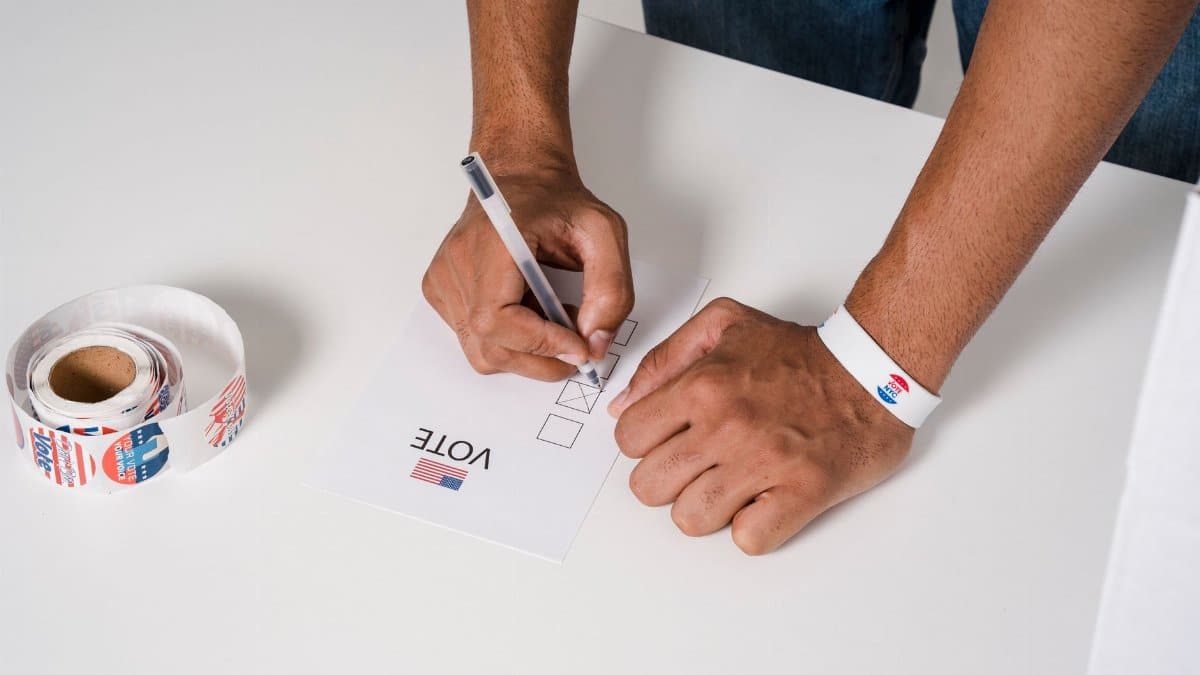
Before marking the ballot, a resident can do five things. Read the ballot summary twice and notice every verb that expands spending authority. Compare that summary with the project list. Check the latest committee report and see whether a few names dominate. Price the debt in yearly terms for a home like yours, using the city’s own assumptions and, if you can find one, an independent estimate. Then visit or call the station the campaign cites and ask the people who work there what would actually change.
That last step resists the ad. A political committee can rent attention. It cannot, by itself, make a bay door wider or a roof sound. If the need is real, it will survive contact with the building. If the need has been inflated to fit a round number and a donor class, the building will give that away too.
What the money is really buying
In the end, Miami mayor Higgins bond PAC donors are buying time on screens and space in mailboxes. They are buying the chance to tell a city that borrowing $450 million is the responsible way to protect people. Some of them may believe that without qualification. Some may believe it and also see a business advantage. Residents do not have to pretend those motives are identical in order to vote yes, and they do not have to treat every large check as corruption in order to vote no.
What they do have to refuse is a campaign that asks for trust while treating the donor file as a technicality. The Herald’s reporting has already put hundreds of thousands of dollars on the table as a fact of this bond fight. The rest of the record should be just as easy to find. A city that wants residents to co sign a long debt owes them the names, the numbers, and the buildings, in that order, before November arrives.