

The transformation of industrial sites into modern technology hubs continues to reshape cities across the country. In Minneapolis a notable transaction has taken place involving the North Loop printing plant. A data center developer completed an agreement in late July 2026 to acquire the former Star Tribune facility that had stood idle for some time. This development reflects larger patterns of how cities adapt aging infrastructure to support growing digital demands while communities weigh the benefits and challenges of such shifts.
Historical Role Of The Printing Facility
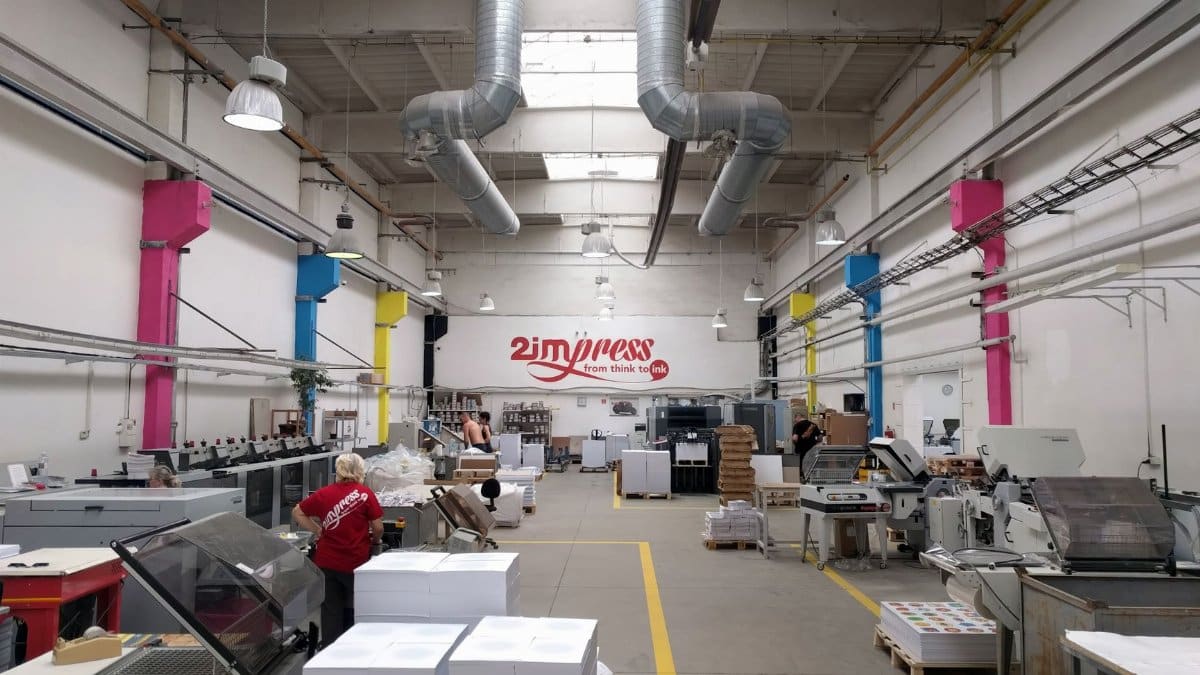
The North Loop printing plant served as a key production center for the Star Tribune over many decades. It handled large scale newspaper printing operations that supported daily distribution across the region. As print media faced declining circulation the facility gradually reduced its activities until operations ceased entirely. Local workers recall the steady hum of presses and the coordinated logistics that kept papers on doorsteps each morning.
Details Of The Recent Property Transaction

The purchase agreement marks a clear step forward for the site. The buyer specializes in developing facilities that house servers and related equipment essential for cloud computing and data storage. Terms of the deal remain private yet sources indicate the property changed hands at a price reflecting its potential for conversion rather than continued industrial use. Closing is expected within the coming months.
Expansion Of Data Centers In Urban Areas
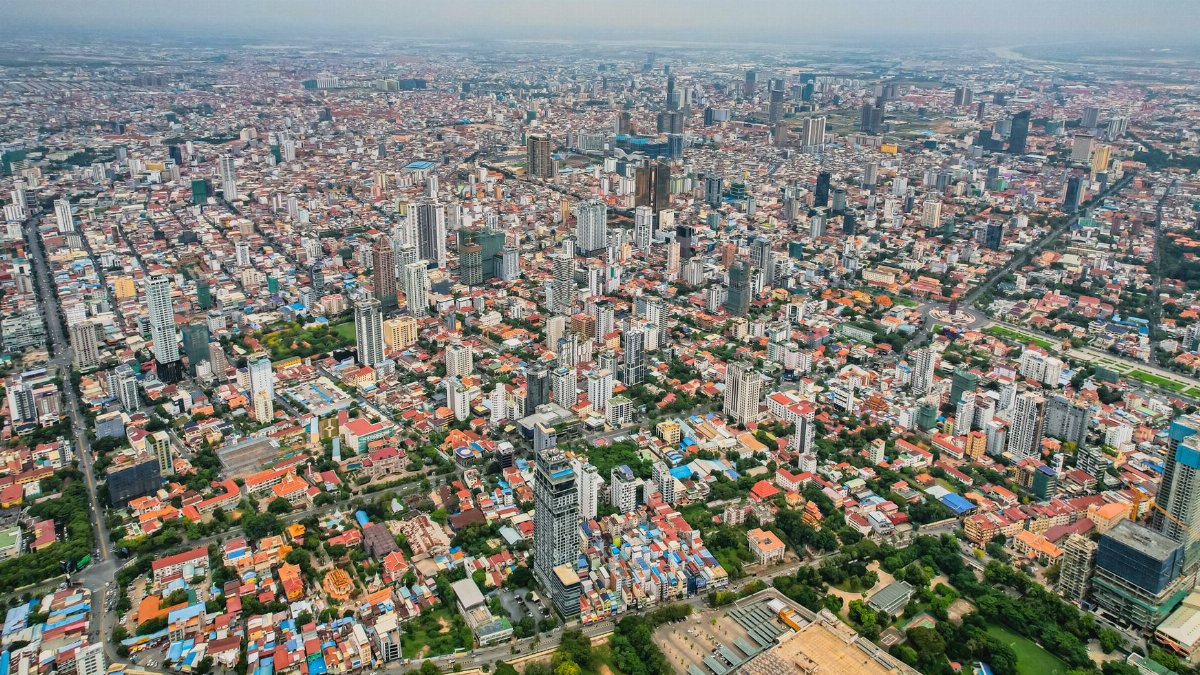
Demand for data centers has risen sharply in recent years due to increased reliance on online services and artificial intelligence applications. Cities like Minneapolis offer advantages such as available real estate and access to power grids. Developers often seek locations with existing buildings that can be retrofitted to reduce construction timelines. This particular acquisition fits that strategy by repurposing a structure already connected to major utilities.
Effects On The Surrounding Neighborhood

Residents in the North Loop district have watched their area evolve from an industrial zone into a mixed use community with housing offices and retail. The change at the printing plant could accelerate that trend or introduce new considerations around traffic and energy use. Community meetings have begun to discuss how the project might align with local goals for sustainable growth and preservation of historic character.
Shift From Traditional Media To Digital Infrastructure
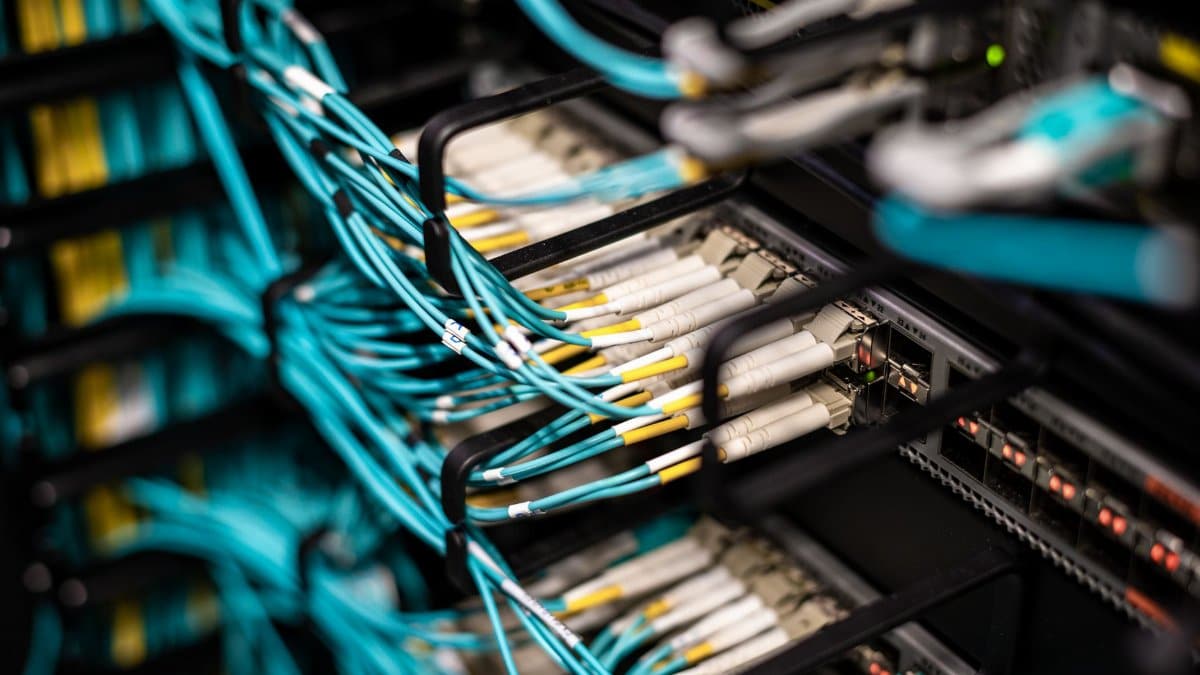
The sale underscores the broader transition newspapers have undergone as audiences move online. The Star Tribune like many peers has consolidated operations and sold off underutilized assets. Proceeds from such transactions help fund digital initiatives while allowing former production sites to serve new economic purposes. This pattern appears in several other cities where old printing operations have found second lives.
Environmental And Energy Considerations

Data centers require substantial electricity for cooling and operations. Planners will need to evaluate how the converted North Loop printing plant manages its power demands and whether renewable sources can play a role. Local regulations may influence design choices aimed at limiting noise and heat output. Such factors often determine whether projects gain swift approval or face extended review.
Potential Job Creation And Economic Impact

Conversion work could generate construction employment in the short term followed by permanent positions in facility management and technical support. The arrival of a data center operator may also attract related businesses to the area. Economists note that such projects can strengthen tax bases yet they caution against overreliance on any single industry for long term stability.
Comparisons With Similar Redevelopment Projects
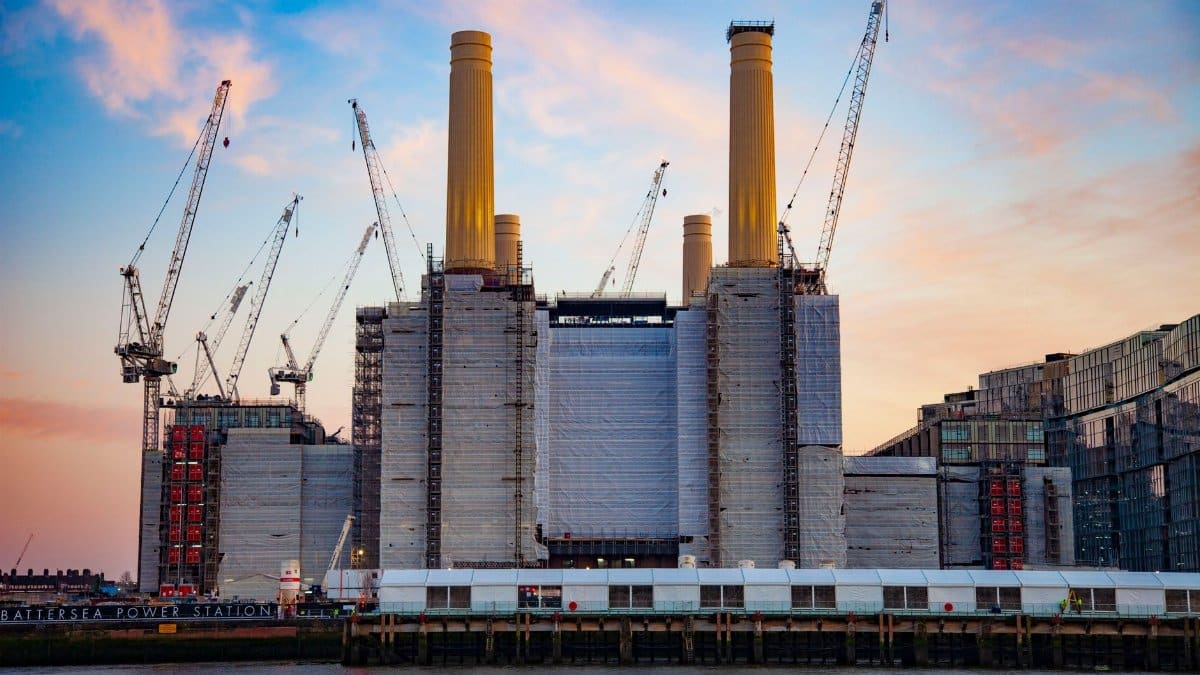
Other former industrial buildings across the Midwest have undergone comparable changes. In some cases adaptive reuse preserved architectural elements while updating interiors for modern needs. Success often depends on collaboration between developers city officials and nearby residents. The Minneapolis example may offer lessons for communities facing similar opportunities with vacant facilities.
Urban Planning Perspectives On Site Reuse
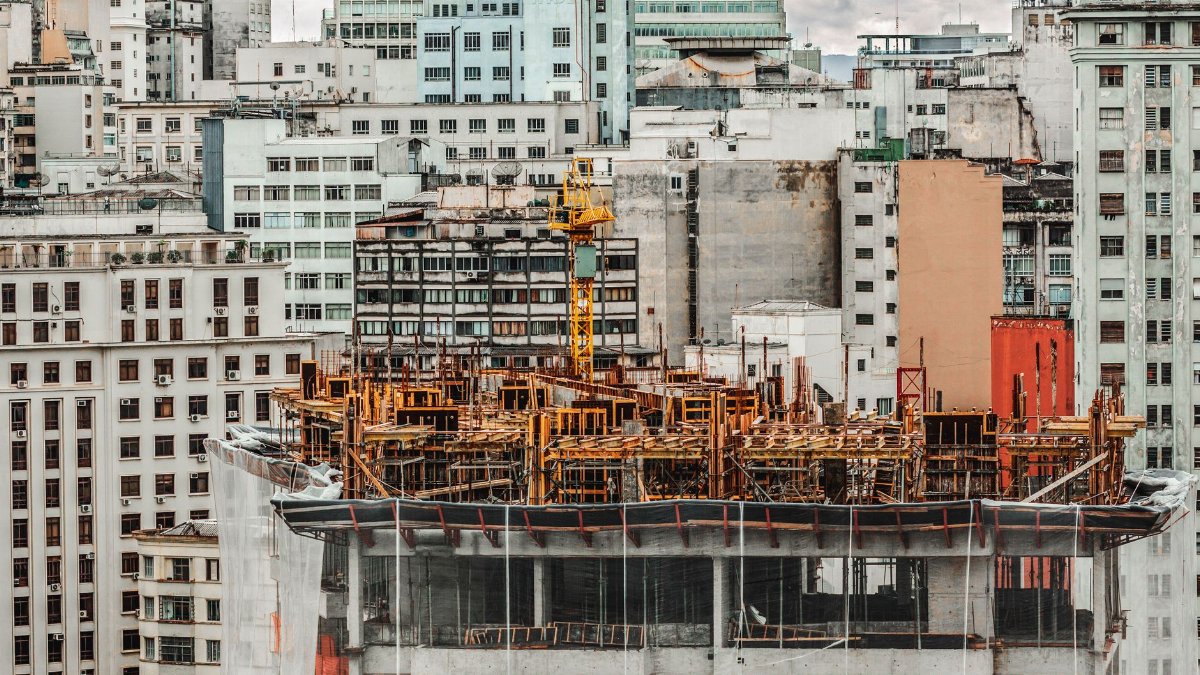
City planners emphasize the value of repurposing existing structures to avoid sprawl and make efficient use of infrastructure already in place. The North Loop printing plant sits in a location with good transit access which supports broader goals of reducing car dependence. Zoning adjustments if needed could facilitate the shift while maintaining compatibility with neighboring properties.
Looking Ahead To Future Uses

Once renovations begin the site could emerge as a quiet yet vital component of the regional technology landscape. Observers will monitor how the project balances economic gains with community expectations. The story of this former printing operation illustrates how cities continually reinvent themselves in response to technological and market forces.