

The recent wave of school changes across Philadelphia has prompted families and community leaders to consider how best to support students during a period of significant adjustment. As Philly school closures move forward the district seeks residents willing to help shape the coming transitions through structured committees.
Forming Groups to Guide Student Moves
Philadelphia officials have opened applications for fifty transition teams tasked with supporting seventeen buildings affected by the closures. These groups will focus on easing the shift for students and staff as part of a broader three billion dollar investment in facilities across the city. Residents can apply to serve on the committees which aim to bring local voices into the planning process.
Supporting Families Through the Process
Parents in affected areas express concern about longer travel times and new school environments. Transition teams will collect input on transportation routes and welcome events to help children adapt. The goal remains to maintain continuity in learning while addressing practical needs that arise when buildings close.
Examining Effects on Local Neighborhoods

School buildings often serve as anchors in their communities. When closures occur nearby businesses and after school programs may feel the impact. Committee members will study these ripple effects and suggest ways to keep community spaces active even after students relocate.
Allocating Resources Under the Larger Plan

The three billion dollar effort includes upgrades to receiving schools that will welcome new students. Teams will review budgets for classroom supplies and building repairs to ensure spaces are ready. This work requires coordination between district staff and neighborhood representatives.
Gathering Public Comments on Proposals
Residents who wish to share thoughts can attend upcoming meetings or submit written feedback through district channels. Transition teams will compile these comments into reports that inform final decisions. The process emphasizes transparency so that all voices have a chance to be heard.
Tracking Progress After Initial Closures
Once the first group of schools shuts its doors committees will monitor how students perform in their new settings. Data on attendance and academic results will help identify areas needing extra support. Regular updates will keep the public informed about ongoing adjustments.
Considering Long Term Educational Goals

Beyond immediate transitions planners look ahead to broader improvements in school quality. Teams may propose new programs or partnerships that strengthen education across the district. These ideas will feed into future planning cycles that extend well past the current closures.
Building Partnerships With Local Organizations
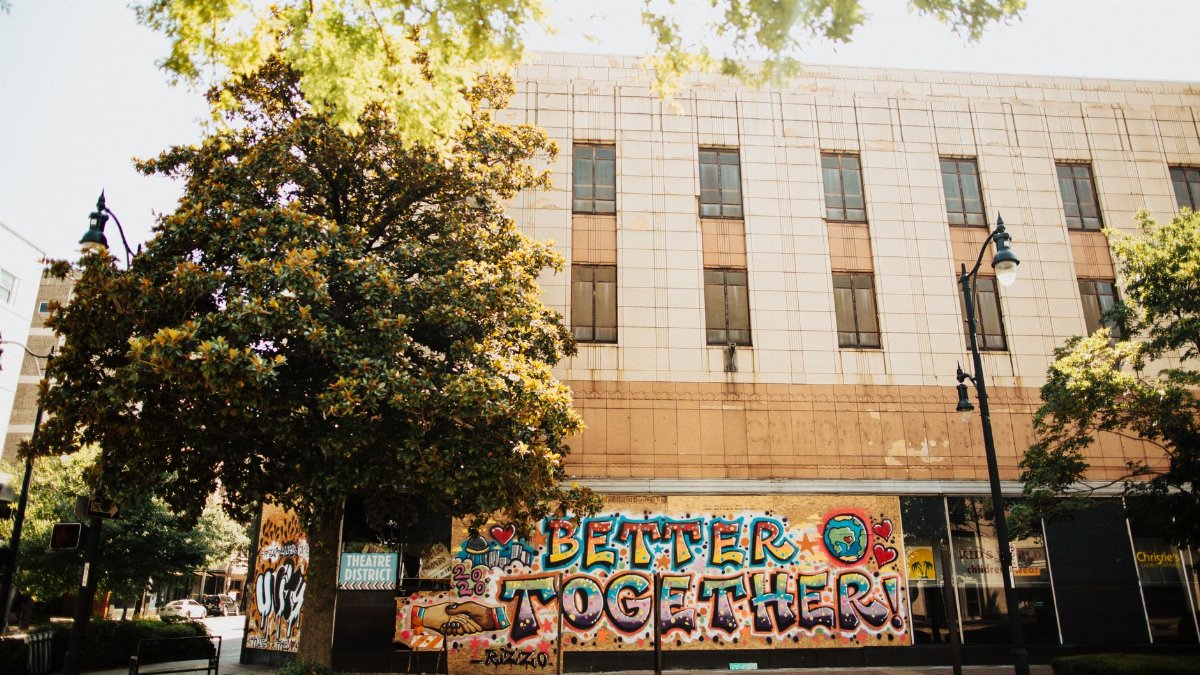
Churches community centers and nonprofits often provide vital services near schools. Transition teams will reach out to these groups to coordinate after school activities and family resources. Such collaboration can ease strain during periods of change.
Reviewing How Decisions Were Reached

Earlier studies highlighted underused buildings and the need for modern facilities. The district used that information to select sites for closure. Teams now examine whether those choices align with current enrollment trends and community needs.
Encouraging Broader Participation in Planning
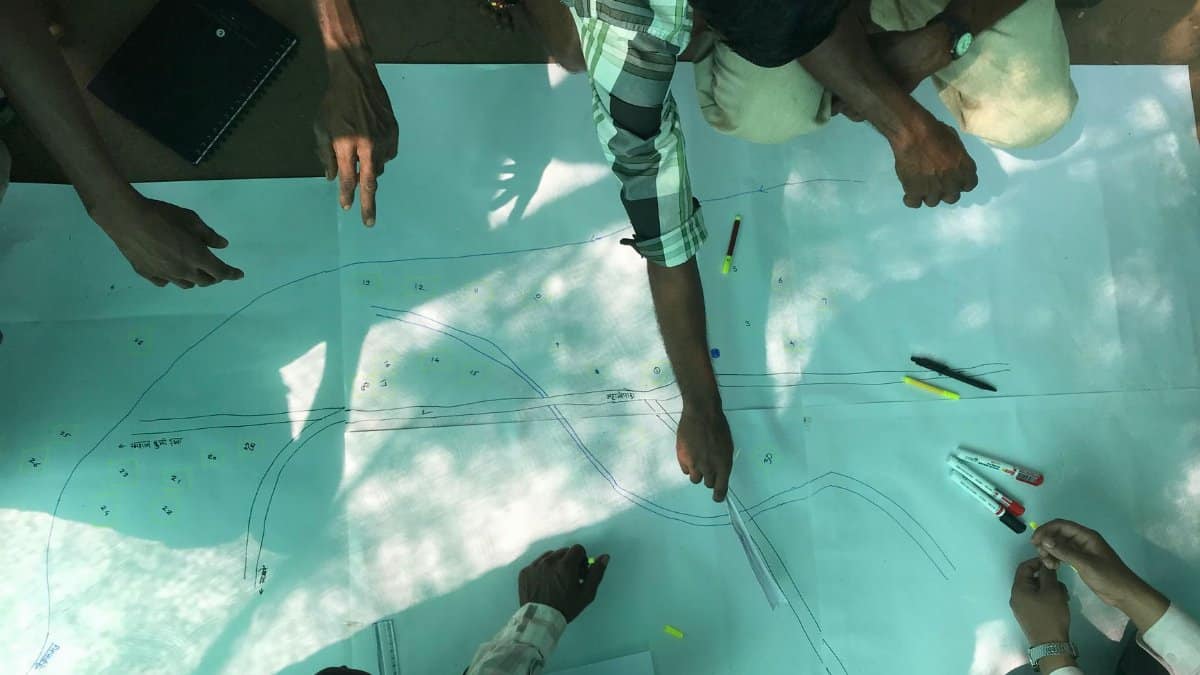
Anyone interested in serving can find application details on the district website. Committees will include teachers parents and business owners to reflect diverse perspectives. This inclusive approach seeks to build trust as the city moves through a complex set of changes.