
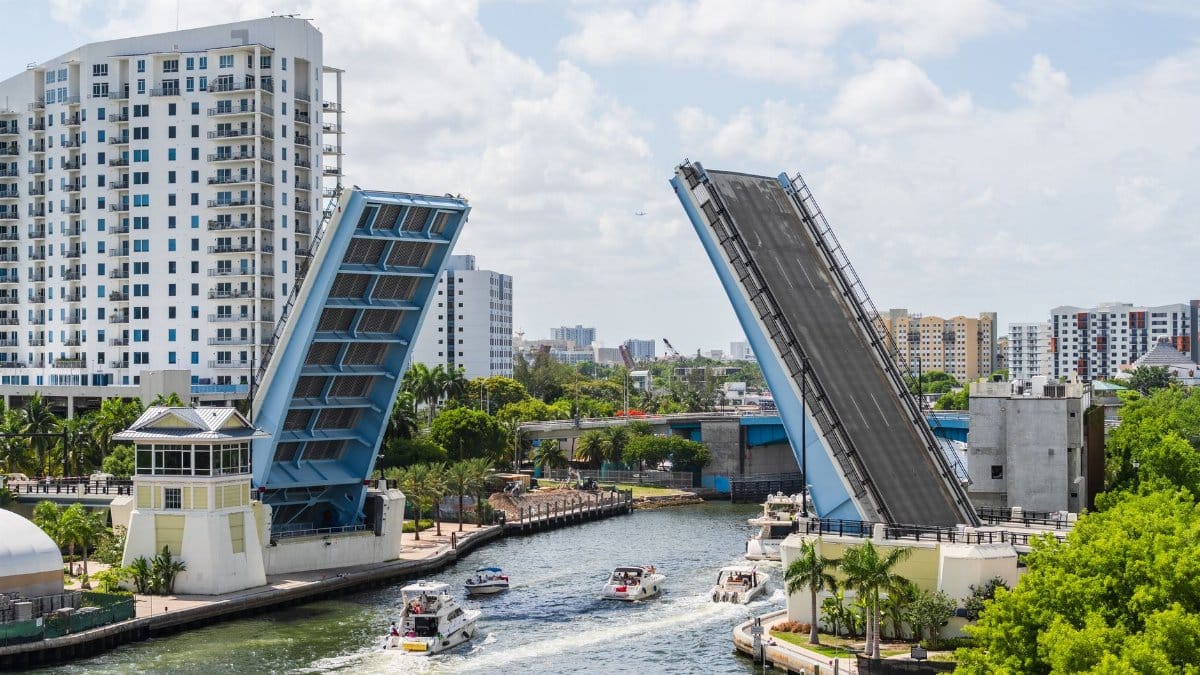
The Miami Marine Stadium once stood as a vibrant symbol of waterfront gatherings where music and motorsports drew crowds from across South Florida. Decades of neglect left the structure closed to the public. Now the Miami Marine Stadium referendum offers residents a direct say on whether public funds should support its restoration as an active community space.
Origins of an Iconic Waterfront Landmark
Built in the early nineteen sixties the venue hosted concerts boat races and civic events that defined leisure along Biscayne Bay. Its distinctive cantilevered roof became a local landmark visible to boaters and drivers alike. Over time maintenance lapsed and storms accelerated deterioration.
Path to the August Referendum

City officials placed the Miami Marine Stadium referendum on the ballot after years of studies and stalled plans. The measure asks voters to approve a bond package aimed at structural repairs and modern amenities. Passage would trigger design work and phased construction.
Current Physical Condition of the Site
Inspectors describe cracked concrete corroded steel and missing seating sections. The roof shows signs of water intrusion while the adjacent parking area has been overtaken by vegetation. Access remains restricted for safety reasons.
Public Opinion Across Neighborhoods
Residents in nearby communities express mixed views. Some recall family outings at past events and favor revival. Others question the cost and wonder whether resources might address more immediate needs such as housing or transit.
Projected Costs and Funding Sources

Estimates place total restoration above one hundred million dollars. The referendum would authorize city bonds repaid through property taxes over twenty years. Officials say private donations and event revenue could offset portions of the expense.
Economic Effects on Surrounding Areas

Supporters argue renewed programming would attract visitors and support nearby restaurants and shops. Similar waterfront projects in other cities have generated measurable increases in local business activity. Critics counter that benefits might concentrate among a narrow set of operators.
Environmental and Design Considerations
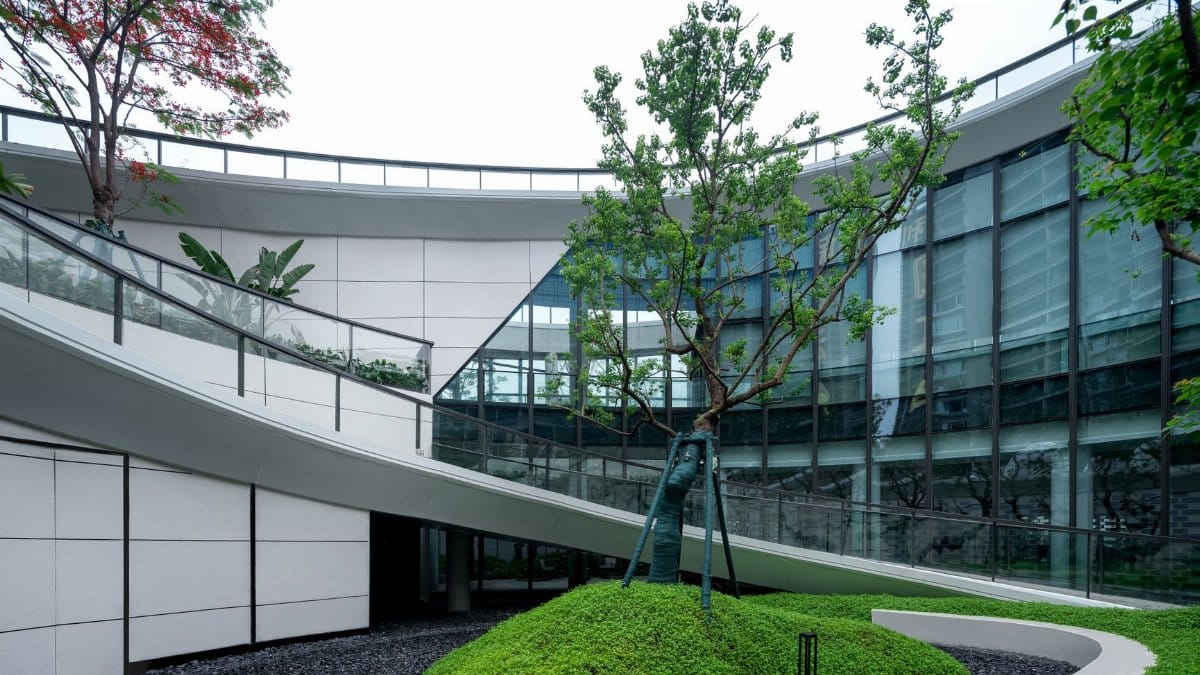
Planners emphasize resilience measures to withstand future storms and rising water levels. Proposed upgrades include improved drainage native landscaping and energy efficient lighting. Environmental reviews would accompany any approved work.
Comparisons With Other Restored Venues
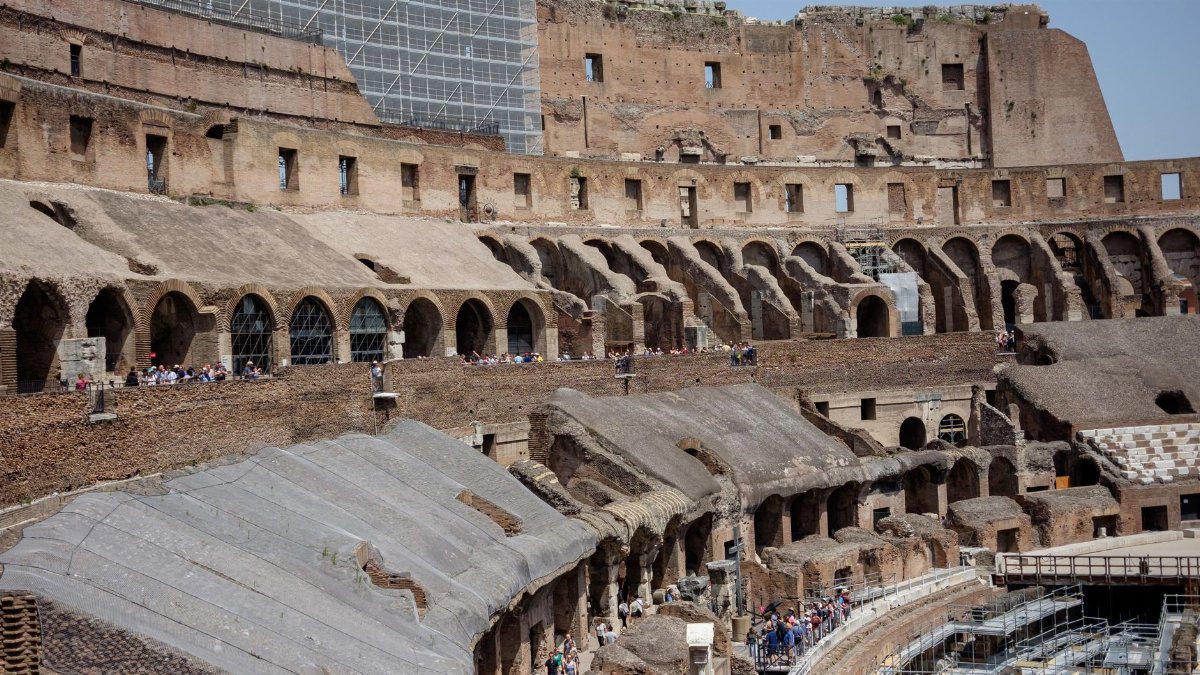
Cities such as San Francisco and Chicago have revived aging waterfront facilities through public votes and phased investments. Those examples show that consistent programming and community partnerships often determine long term success.
Next Steps if Voters Approve the Measure

Approval would launch an architectural competition and detailed engineering studies. Construction might begin within two years and unfold in stages to minimize disruption. City staff would report progress through regular public updates.
Potential Outcomes if the Measure Fails

Rejection would leave the site in its present state. Officials have indicated that private development proposals could surface yet none have advanced to formal review. The structure would likely remain fenced and unused.
Role of Community Advocacy Groups

Local organizations have organized forums and collected signatures to place the question before voters. Their efforts highlight both preservation values and practical questions about equitable access to public spaces.
Broader Context of Miami Waterfront Planning
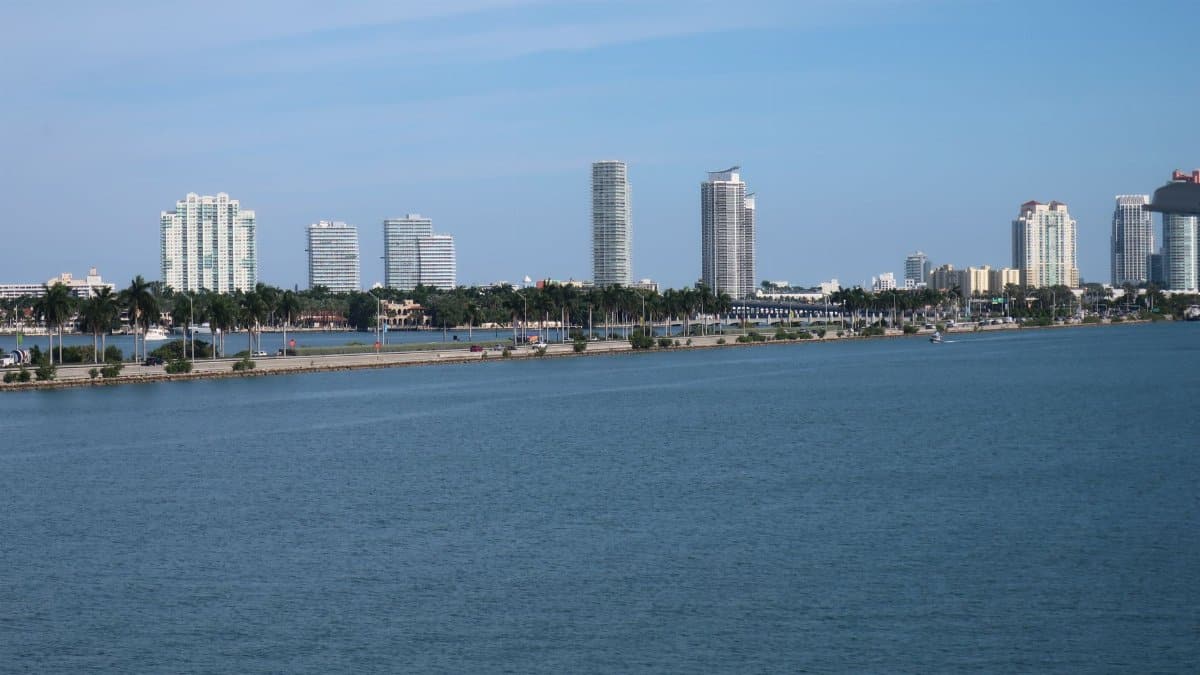
The referendum sits within ongoing discussions about bay access parks and flood protection. Decisions made this summer could influence how similar sites are treated in coming decades.