
In the stone lanes above Hebron, people learn the news by sound before they learn it by screen. Engines, radios, a shutter pulled down in a hurry. Over the weekend of October 25, 2026, those sounds returned at a scale residents and officials alike described as exceptional, days before Israelis were due to vote. An Israeli West Bank operation followed reports of an attack in Hebron that killed two soldiers, and it left hundreds of Palestinians saying they had been pushed from homes and shops. The claims are still being checked against one another. The political clock is not waiting.
A city that already knew the script
Hebron is not a blank stage for a sudden crisis. Israeli soldiers and settlers live in and around the old city under arrangements that have divided streets, holy sites, and ordinary errands for decades. Palestinian families there have long described searches, closures, and sudden orders to stay indoors. Israeli commanders have long described a dense militant threat and a duty to protect troops and civilians after attacks. When fresh violence is reported, both memories switch on at once. That is why a single weekend can feel, to people on the ground, less like a new chapter than like a page they have already read, only louder.
What officials say prompted the raids
Israeli statements tied the sweep to the killing of two soldiers in the Hebron area. The military framed the effort as a hunt for those responsible and for weapons, with arrests across several towns rather than a single alley. Supporters of the government argued that restraint after an attack on uniformed troops would look like weakness, especially with ballots near. Critics answered that a wide net, cast in the last days of a campaign, inevitably sweeps up people who had nothing to do with the shooting. Until investigators publish names, charges, and evidence, the public is left with a motive and a map, not a finished case.
How large the Israeli West Bank operation appeared
Residents in and around Hebron, and in neighboring communities named in early accounts, described armored vehicles on main roads, loudspeaker orders, and houses entered before dawn. Some spoke of families told to leave for hours or longer, of men taken for questioning, of clinics and schools closed because staff could not pass. Palestinian officials said hundreds were displaced, a figure that Israeli spokesmen did not accept as a final count. Numbers in the first forty eight hours of a raid are often revised. What does not revise easily is the experience of standing outside a locked door with children and a plastic bag of papers.
Displacement is more than a statistic

Leaving home under military order is not the same as choosing to visit relatives. People lose wages, medicine schedules, school days, and the thin privacy of a kitchen. In villages with few spare rooms, a night away becomes a night on a floor. Aid groups that work regularly in the territory have warned for years that repeated short displacements harden into longer absence when houses are damaged or when families fear a return. That pattern, documented over many seasons by humanitarian monitors, does not by itself prove what happened on this particular weekend. It does explain why Palestinians heard the latest orders as part of a longer pressure, not as an isolated inconvenience.
Faith, mourning, and the words people reach for
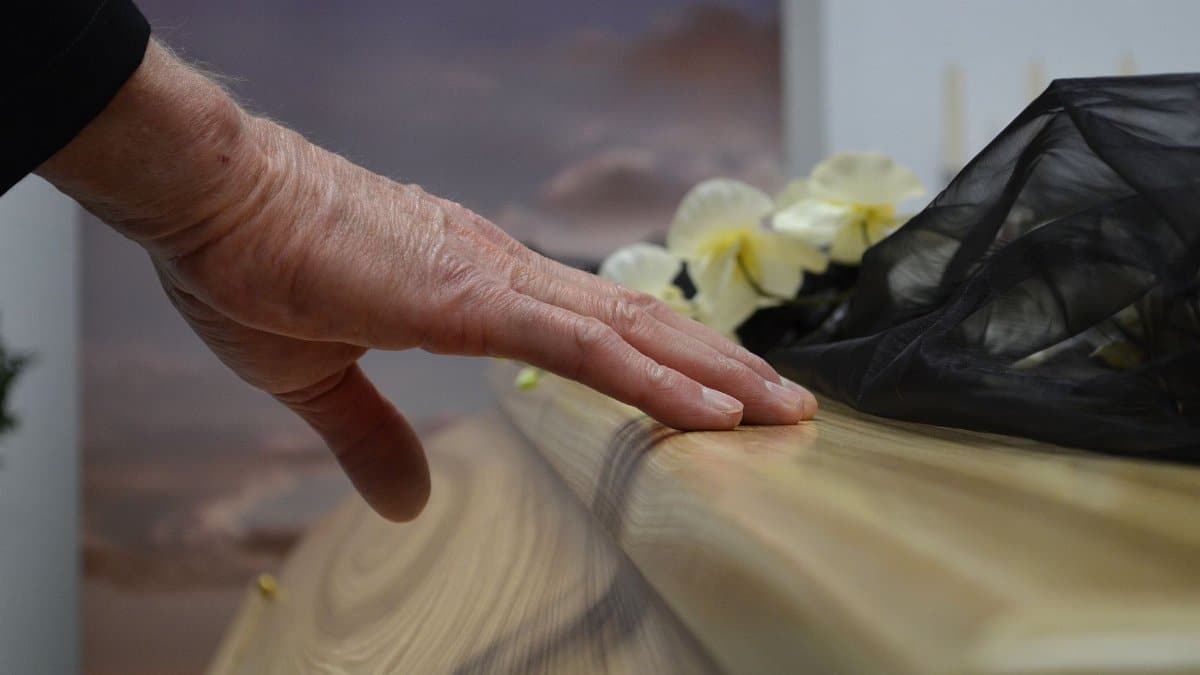
The category of spiritual news can sound odd beside armored columns, yet this is also a story of prayer. Soldiers were mourned in Israel with psalms and the torn clothing of grief. In Hebron, imams and parish priests spoke of fear in congregations that already measure Fridays and Sundays by whether the roads are open. Holy places in the city are shared, contested, and heavily guarded. When force arrives just outside a shrine, believers do not experience it as an abstract security doctrine. They experience it as a question of whether they may bury, visit, or simply stand still. Clergy on both sides of the conflict have pleaded, again, that vengeance not be baptized as righteousness.
Why the election calendar changes the meaning
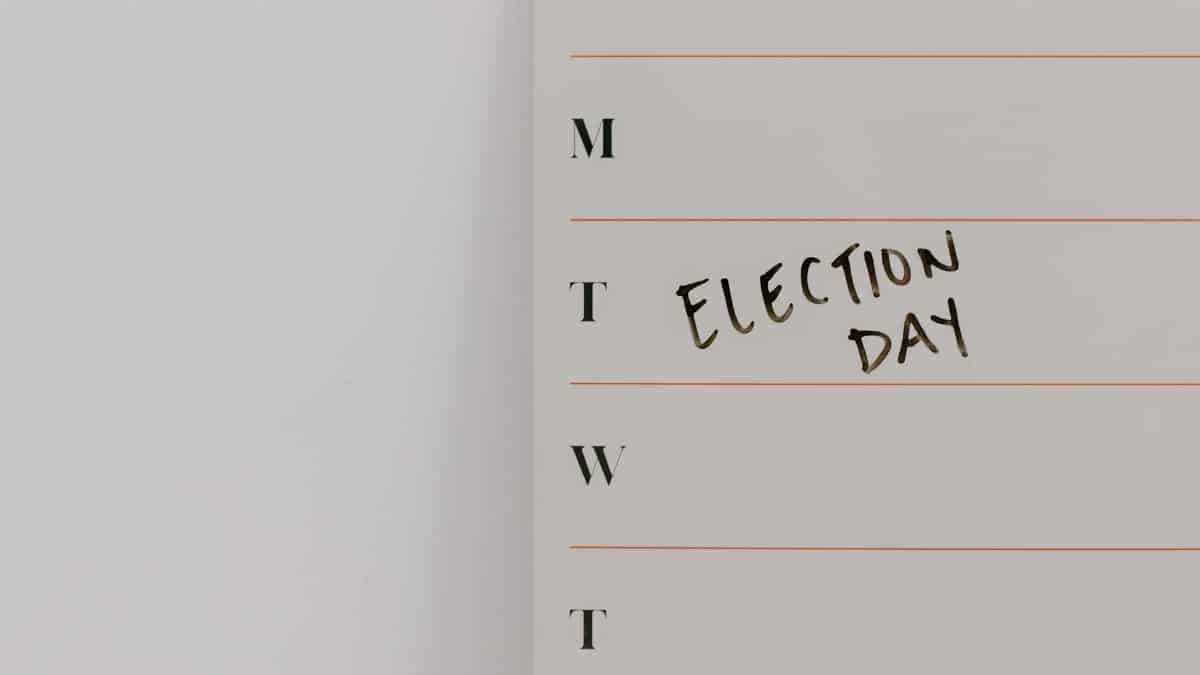
Campaigns do not pause because a raid is underway. Candidates who promise a harder line can point to the weekend as proof that they meant it. Candidates who promise calm can be painted as careless with soldiers lives. Voters who live far from the territory may see a necessary answer to an attack. Voters who live inside it, including Palestinian citizens of Israel watching kin on the other side of a checkpoint, may see their own safety argued over without them. The danger is not that politics notices a military event. The danger is that politics finishes the story before the facts do, and then cannot walk the language back.
Competing legal stories

Israeli officials describe operations in the territory as lawful enforcement against armed groups, rooted in the duty to protect citizens and troops. Palestinian leaders and many international lawyers describe a occupation in which collective restriction of movement and repeated raids fail basic tests of necessity and distinction. Those arguments are old, and they will not be settled in a news cycle. What can be asked now is narrower. Were the searches tied to named suspects? Were people held with access to counsel? Were homes damaged beyond what a search required? Were families given a way back? A democracy that cites law when it uses force owes the public those answers in daylight, not only in a briefing that favors the government of the day.
The information fog after the first videos
Phones fill the gap that official silence leaves. Clips of detained men, of women arguing with soldiers, of a burned room or a quiet street, travel faster than any correction. Some are genuine and important. Some are old footage revived for a new hour. Some are edited to flatter a faction. Journalists who cannot reach every alley should say so. Readers should slow down before they forward a clip that confirms what they already believed. The Israeli West Bank operation will be judged, in part, by whether independent reporters, medics, and legal observers are allowed to see the places the army has already described.
Settlers, soldiers, and the blurred line
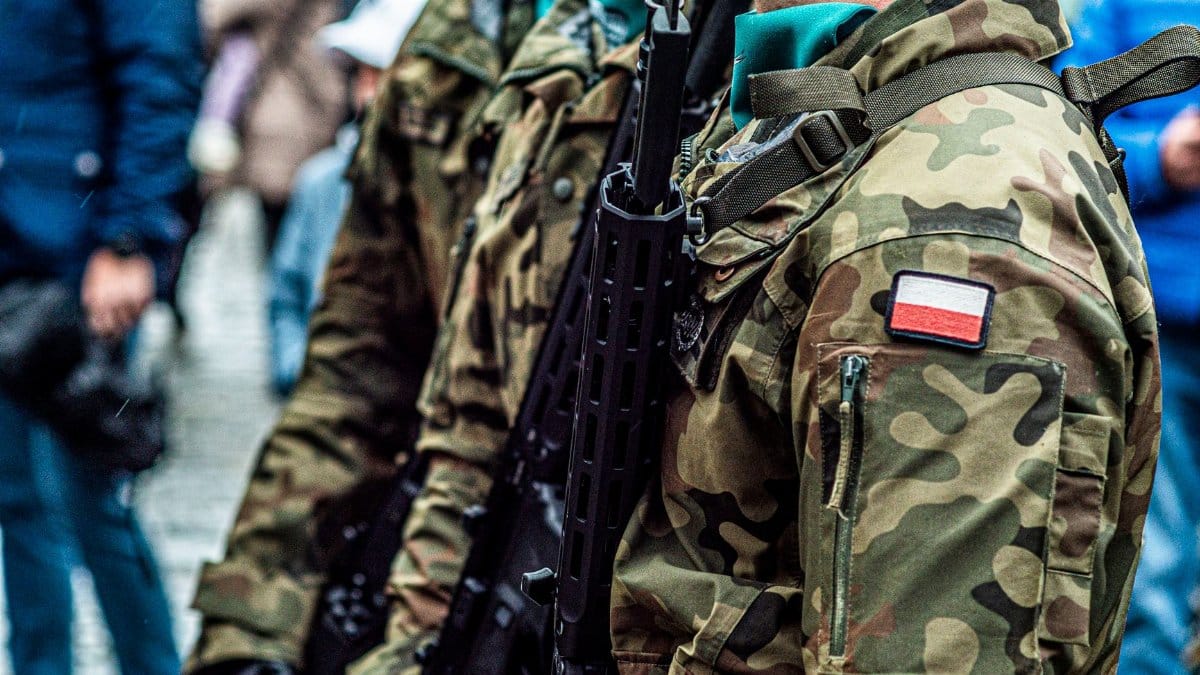
In the hills around Hebron, settler communities and army posts sit close enough that Palestinians often experience them as one system. Israeli law treats soldiers and civilians differently, and political leaders insist the military alone directs such sweeps. On the ground, fear does not always honor that distinction. Reports over many years have described settlers confronting Palestinian families while troops stand nearby, and troops insisting they are there to prevent a wider clash. If this weekend included that mix, investigators should separate it clearly. Impunity for private violence beside a state operation corrodes the claim that the state is acting only against gunmen.
Washington and the habit of careful sentences
American officials, facing their own politics and a public tired of this conflict, tend to mourn Israeli dead quickly and to urge restraint in the next sentence. That habit satisfies almost no one in the region. Palestinians hear a shrug at displacement. Many Israelis hear a scolding that ignores the attack. A more useful American role is dull and specific: press for access, for names of detainees, for repair of civilian harm, and for a political horizon that is not only a slogan. Arms and aid without that pressure become background noise. Silence becomes a policy of its own.
What campaigns will try to own

By midweek, advisers will have tested lines. One line will say the government kept faith with fallen soldiers. Another will say the government gambled with a wide raid to look strong on television. A third, quieter line will come from families who want the killers found and also want their own sons not sent into a house that had nothing to do with the crime. Those families rarely write the ads. They do vote. Whether this Israeli West Bank operation helps or hurts the parties in power depends less on the first headlines than on whether arrests hold up and whether civilian harm keeps growing after the cameras leave.
The cost to ordinary routines

A massive sweep is not only a sequence of doors. It is a bakery that does not open, a dialysis patient who misses a ride, a student who loses a test, a farmer who cannot reach a grove before fruit spoils. Israeli parents in nearby settlements also rearrange their days, pulling children from buses and refreshing alert apps. Security policy that counts only guns recovered, and not routines destroyed, will keep producing the next attack and the next raid. That is not a plea for impunity. It is a description of a loop that elections keep rewarding because the loop is easier to film than to end.
Questions that should outlast the vote
After the ballots are counted, a few questions ought to remain on the desk of whoever forms a government. Who was actually connected to the killing of the two soldiers, and who was held because they lived nearby? How many people spent nights away from home, and who pays for what was broken? Will commanders publish an after action account that includes civilian harm, or only a list of seized rifles? Can religious leaders be more than mourners at the edge of policy? None of these questions flatters a rally. All of them decide whether force remains a tool or becomes a campaign costume.
A weekend that will be retold
Memory in this conflict is partisan and precise. Israelis will remember the soldiers. Palestinians will remember the empty houses and the hours in the road. Both memories can be true without being complete. The work of reporting is to hold them in the same paragraph until evidence sorts the rest. An Israeli West Bank operation staged, or even merely timed, against an election will be retold by every party that needs it. Readers can refuse the retelling that arrives first. They can ask for the names, the warrants, the roads reopened, and the funerals on both sides, and they can notice who goes quiet once the votes are in.