
On a warm October night in São Paulo, parish doors stayed open long after the last Mass, and neighbors watched a small television propped on a plastic chair. The numbers moved slowly, then settled. Luiz Inácio Lula da Silva had won again. The Lula Brazil reelection result, 51.8 percent in a runoff on October 25, 2026, gives him a fourth presidential term and returns an old argument to the center of Brazilian life: whether a familiar leader can still hold a country that prays, argues, and votes in nearly equal measure.
A count that refused to hurry

The evening did not feel like a coronation. Polling hours had been extended in places where lines remained long, and counting resumed only after officials were satisfied that those still waiting had been able to cast a ballot. The Chicago Tribune described that pause and restart as the practical face of a tight race, not a theatrical one. When the tally reached 51.8 percent for Lula, the remaining share, 48.2 percent, belonged to his runoff rival. The margin was real, and it was narrow enough to deny either camp the comfort of a landslide story.
Brazilians have grown used to evenings like this. Electronic voting is fast by regional standards, yet trust is slower. Supporters of the winner heard confirmation. Supporters of the loser heard a result they could contest in language, if not always in court. The republic did what republics are supposed to do. It produced a number, published it, and asked millions of disappointed people to live with it until the next contest.
What a fourth term actually is

A fourth presidential term is not a curiosity in the abstract. It is a return, after an earlier pair of terms from 2003 to 2010 and a third beginning in 2023, to the most durable figure in modern Brazilian politics. Lula is no longer the metalworker discovering the palace. He is the man who has already shaped budgets, ministries, and the expectations of a generation. The Lula Brazil reelection therefore reads less like a debut and more like a verdict on whether that long presence still feels like protection or like inertia.
Age sits in the background of that verdict. Voters were not choosing a symbol from a textbook. They were choosing a person whose body, voice, and stamina will be tested by another full term. Campaigns rarely say this plainly. Congregations and family tables do. The question is not only ideological. It is whether the office, with its travel, crises, and midnight calls, still fits the man who has just been asked to hold it again.
A country split by more than party
The map that emerged was familiar in outline and unsettling in its evenness. Coastal cities, industrial belts, and much of the Northeast leaned toward Lula. Agricultural interiors and a large share of the urban middle class leaned the other way. Those patterns are not destiny, and they are not pure class portraits. A soybean farmer can vote from memory of credit and diesel prices. A domestic worker can vote from memory of a clinic that opened, or from a sermon heard last Sunday.
What the closeness revealed is a public that no longer grants any leader a moral monopoly. Each side arrived at the booth with a story of rescue. One story stressed wages, social programs, and a state that should not abandon the poor. The other stressed crime, taxes, and a fear that institutions bend toward one party. Both stories contain facts. Neither survived the count intact, because 48.2 percent is not a fringe and 51.8 percent is not a mandate to ignore the rest.
Pulpits, plazas, and the moral vote

Brazil votes with its economy, and it also votes with its soul. Catholic parishes, evangelical congregations, and Afro Brazilian temples do not speak with one voice, yet they shape the week in ways party platforms rarely match. In the months before October, pastors weighed prosperity against mercy. Priests returned to older language about the poor. Leaders in Candomblé and Umbanda communities spoke, as they often do, about dignity and about the danger of being treated as folklore rather than as citizens.
I have sat in enough election night crowds, in more than one country, to know that faith rarely functions as a single lever. It functions as a lens. A voter who hears that public life should protect the vulnerable may hear Lula in that sentence. A voter who hears that public life should defend family, order, and biblical authority may hear his opponent. The Lula Brazil reelection did not settle that argument. It only decided which reading of the common good will occupy the Planalto for the next four years.
Spiritual language also carried a warning. Several religious leaders, across traditions, asked followers not to treat the loser as an enemy of God. That plea matters in a country where politics has borrowed the heat of revival meetings. A narrow win can inflame that heat or cool it. The first test is whether victory speeches sound like thanksgiving or like conquest.
Prices, jobs, and the memory of hunger
Material life still did much of the persuading. Food prices, rent, and the cost of a bus ride do not yield to slogans. Lula’s earlier presidencies are remembered, fairly or not, as years when many families ate better and when social transfers had a name people could repeat at the market. His more recent term is remembered as a struggle to repeat that feeling under tighter budgets, higher global rates, and a Congress that does not belong to him.
Opponents argued that nostalgia is not a plan. They pointed to public debt, to slow productivity, and to a sense among employers that rules change with the political wind. Supporters answered that austerity preached from comfortable rooms is its own kind of faith, one that asks the poor to wait. The runoff did not choose between those sentences so much as it chose which one would be tested in office. A president who wins by a little more than three points cannot pretend the grocery bill has been politically solved.
Forest, river, and a duty beyond the ballot

The Amazon remained a moral landscape as much as an economic one. For many voters, especially younger ones and those in riverine communities, the forest is not a backdrop for foreign summits. It is home, livelihood, and, in more than one tradition, sacred ground. Lula has cast himself as a defender of that ground on the world stage. Critics say enforcement has been uneven, and that development promises in the countryside still collide with protection promises in the capital.
A fourth term will be judged in part by whether those promises can share a calendar. Burning season does not wait for coalition talks. Nor do the people who live downstream of illegal mining. Here the spiritual frame is not decoration. When communities speak of the river as a relative rather than a resource, they are asking the state to hear a different measure of harm. The election did not write that measure into law. It only decided who must answer for it.
Washington, Beijing, and a careful distance
Foreign capitals read the result through their own needs. Washington wants a South American partner that is predictable on trade, migration, and regional crises. Beijing wants a supplier of food and minerals and a government that does not treat Chinese investment as a scandal by default. European governments want climate cooperation they can show to their own voters. None of those desires is identical to what Brazilian voters just weighed.
Lula’s habit is to keep several doors open and to speak as if Brazil owes no tutor. That posture has admirers and critics at home. Some hear independence. Others hear improvisation. The narrowness of the Lula Brazil reelection may actually discipline the travel schedule. A president who spends too many weeks abroad while prices pinch at home will hear about it from the same pulpits and union halls that helped him, or failed to stop him, depending on the city.
The opposition that did not vanish

Defeat at 48.2 percent is not erasure. The rival coalition keeps governors, a loud bloc in Congress, and a media ecosystem that will treat every ministerial stumble as proof of an original sin. That is ordinary democratic friction, and it is also a stress test. Brazil’s recent history includes years when legal cases, street protests, and online rumor moved faster than institutions could answer. A healthy opposition investigates and proposes. An unhealthy one treats the winner’s legitimacy as optional.
The winner’s camp has its own temptation. Narrow victories invite the language of destiny, as if 51.8 percent were a sacrament. It is not. It is an authorization to govern under rules that also protect the people who voted no. Courts, auditors, and a free press are not courtesies. They are the difference between a fourth term and a personal era.
Congress, courts, and the slow machinery
Brazilian presidents do not govern alone, even when they speak as if they do. Congress will want bargains on budgets, appointments, and regional works. The Supreme Court will remain a protagonist whether the palace likes it or not, because so many fights of the last decade landed there. State governments will test how far Brasília can reach into policing, schools, and health clinics.
Voters rarely thrill to this machinery, yet it is where a term succeeds or frays. A social program announced in a square means little if the transfer fails in a small town. An environmental decree means little if enforcement officers lack fuel. The spiritual patience people bring to prayer is not the same as political patience, but the country will need some version of the latter. Results that matter, in clinics and classrooms, arrive on a slower clock than election night graphics.
Promises that now have owners
In the closing weeks Lula spoke of wages, of hunger as a moral failure, of a state that should be present without becoming a cage. He spoke, too, of peace among Brazilians, a word that can sound soft until one remembers how bitter recent campaigns have been. Those lines will be quoted back to him, which is the correct use of a victory speech. Promises are not poetry once the count is certified. They are assignments.
His rival’s voters will listen for a different set of assignments: safer streets, respect for religious practice in public life, and a tax burden that does not feel like punishment for work. A president who treats those demands as mere residue of defeat will govern a smaller country than the one that exists. Inclusion here is not a slogan. It is a description of 48.2 percent of the electorate still paying taxes and raising children under the same flag.
The morning in parishes and markets
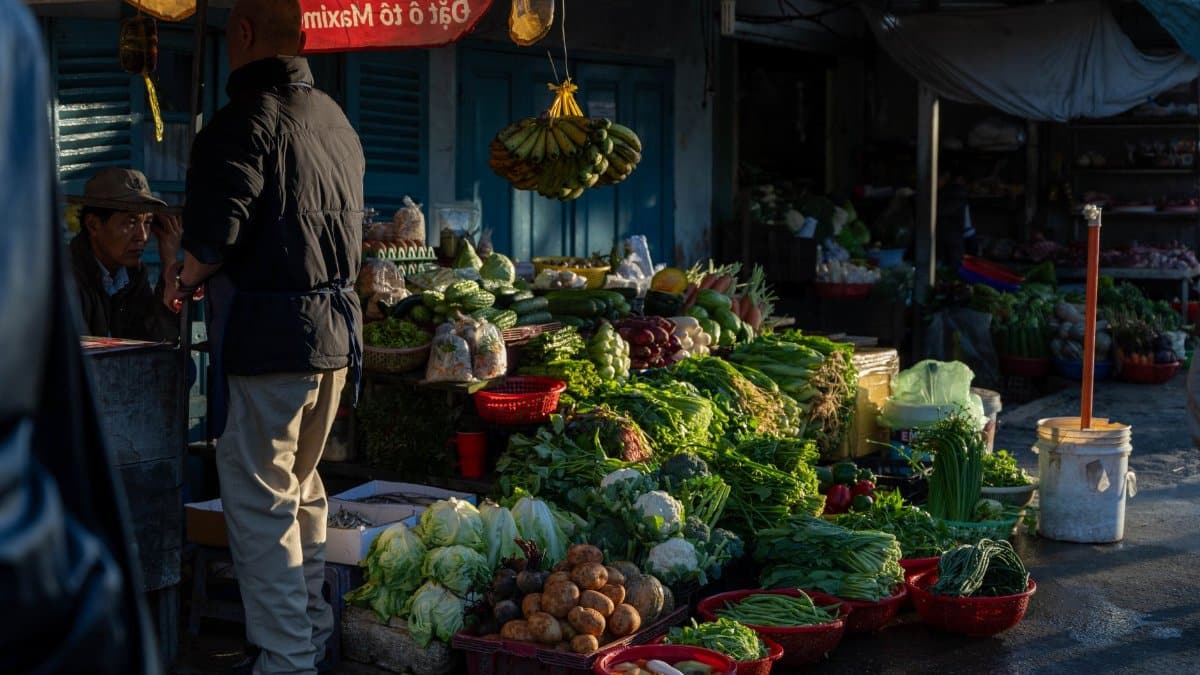
By morning the plastic chairs were stacked and the televisions were off. Markets opened. Buses ran. In some churches the first reading of the day had nothing to do with politics, which was its own kind of news. People greeted one another carefully. Winners did not always gloat. Losers did not always withdraw. That ordinary courtesy is easy to miss from abroad, where Brazil is often reduced to a single dramatic face.
The deeper trend is not dramatic at all. It is the steady mixing of spiritual life and civic life in a nation where both are intense. Congregations will keep feeding people. Temples will keep marking the calendar. Priests and pastors will keep disagreeing about what the gospel requires of a budget. The state will keep needing them, and they will keep needing a state that does not try to own their conscience.
The term that starts before the oath
Governing begins before the oath, in the phone calls that assemble a cabinet and in the silence that tells allies who will not be called. Lula has done this before. Repetition is an advantage and a risk. The advantage is memory: he knows which ministries clog, which governors bargain, which foreign compliments are worth less than they sound. The risk is habit: the belief that a country which just split almost in half will accept old methods because the old name won.
The Lula Brazil reelection closes one argument and opens a harder one. Can a fourth term feel like service rather than possession? Can a narrow majority govern without humiliating the near majority that refused it? Can economic relief, forest protection, and religious peace share the same four years without one devouring the others? Those are not questions for a single night in October. They are the work itself.
Brazil has answered the ballot. It has not answered the burden. The number is 51.8 percent. The task is everyone else, including the people who never wanted this result and must now live inside it. That is the unglamorous definition of a republic, and it is the only one that lasts.