
In the stretch of a campaign when every envelope can feel like a verdict waiting to happen, a federal judge declined a Trump administration request to pull thousands of California ballots out of normal processing. The California ballots ruling did not pretend that arguments about eligibility, timing, and trust had vanished. It treated the proposed freeze as something else: a disruption large enough to bend a midterm election while lawyers argued. For voters who had already mailed a ballot or stood in a county office, the immediate question was simpler than the briefs. Would their ballot keep moving, or would it sit in legal limbo?
What the judge refused to freeze
Sequestration sounds technical until you picture the room where it would land. Ballots do not live as abstractions. They sit in trays, in locked cages, in scanners that counties rent or own, in the hands of workers who have trained for months on signature review and chain of custody. A request to sequester them is a request to stop that ordinary motion. The court rejected the bid to block processing, and the warning attached to that rejection was blunt in spirit if not in theater. Holding the ballots aside would not merely pause a lawsuit. It would interfere with the election those ballots were meant to decide.
Federal judges are not election managers, and they are not supposed to become them by accident. When a plaintiff asks a court to reach into the count, the judge has to ask what the reach would do to people who are not in the courtroom. Here the answer was disruption. Thousands of California ballots would have been pulled from the path that state law and county practice had already set. Campaigns could litigate the merits later. The count, the court signaled, could not wait on that luxury.
Why sequestering ballots is not a small ask

Lawyers sometimes describe sequestration as a protective step, a way to preserve evidence while a dispute ripens. In an election, preservation and paralysis can look the same from the outside. Once ballots are walled off, counties cannot cure problems in the usual window, cannot finish the canvass on the usual calendar, and cannot tell candidates or the public when a result will settle. The harm is not theoretical. It is a missing total on election night and a longer argument about whether the missing total was fair.
The administration framed its request as a necessary check. Critics heard something closer to a late attempt to put a cloud over lawful votes. Both descriptions can exist in the same filing. What the California ballots ruling did was refuse to treat the cloud as costless. A judge does not have to bless every state procedure in order to say that stopping the procedure, at this hour, would do more damage than the alleged wrong it was meant to prevent.
The clock that elections cannot pause
Midterm elections run on deadlines that do not care about appellate calendars. Ballots must be received, reviewed, and tabulated under rules written long before any particular lawsuit. Certification dates sit on statutes. Canvass boards meet whether or not a press conference is scheduled. If a court inserts a freeze, those dates do not politely slide. They collide.
That collision is why election cases so often turn on timing as much as on doctrine. A claim that might deserve a hearing in July can become reckless in the days when envelopes are already moving. The judge in this dispute placed the request on the wrong side of that line. Blocking processing of thousands of ballots would not clarify the law in a quiet season. It would scramble the season voters were already living in. Disruption, in that sense, is not a side effect. It is the remedy itself.
California as a national pressure point
California is large enough that a local processing fight becomes a national symbol within an hour. The state sends members to Congress in numbers that can shape a majority. Its counties range from dense cities to rural stretches where a single clerk knows the sound of the ballot sorter. When Washington asks a federal court to reach into that machinery, the audience is not only Sacramento. It is every campaign office watching to see whether mail ballots can be stalled by federal request.
The California ballots ruling therefore travels farther than the tray of envelopes it protects. Parties study these orders the way coaches study film. A rejection teaches one lesson: courts will not casually sequester votes because an administration dislikes the way a state runs its count. A grant would have taught another, and other filings would have followed before sunset. Scale is the point. What happens to thousands of ballots in California is a template, whether anyone admits it.
How courts treat late challenges

American election law has a rough grammar for lateness. Judges talk about the public interest, about irreparable harm, about the likelihood that a plaintiff will win on the merits. They also talk, sometimes more quietly, about the confusion a late order would sow. Voters cannot rerun their choices because a brief arrived after the drop boxes opened. Poll workers cannot unlearn a procedure in the middle of a shift.
None of that means late claims are always empty. Fraud, if proved, is not cured by the calendar. The harder question is what proof a court should demand before it stops the count rather than letting the count finish and sorting disputes afterward. In this case the administration did not get the stop. The judge treated the risk of a disordered midterm as heavier than the speculative benefit of a freeze. That is a judgment about remedies, and remedies are where election lawsuits are usually won or lost.
The case the administration tried to make
Administrations of both parties have learned to speak the language of election integrity when they go to court. The phrase covers real duties and also covers strategy. A request to sequester ballots suggests that ordinary processing would destroy something a later ruling could not repair. That is a high bar. Processing is not destruction. It is the job the counties were elected and hired to do.
Without a public finding that specific ballots were unlawful, a blanket hold reads as suspicion applied at scale. Suspicion is not nothing. It is also not a warrant to halt a statewide stream of votes. The rejection does not declare every ballot perfect. It declares that perfection is not the standard for letting the count proceed, and that the administration had not shown a reason strong enough to interrupt it. Readers should hold that distinction. A loss on a freeze is not a verdict on every underlying allegation. It is a verdict on whether those allegations justified this particular emergency tool.
Clerks, envelopes, and ordinary procedure

County election offices are not romantic places. They smell like paper and carpet cleaner. The drama, if there is any, is in the checklist. A signature that does not match gets a notice. A ballot that arrives late under state rules gets set aside under those rules, not under a federal impulse. Workers log batches. Observers from parties watch. The system is human, which means it errs, and it is also routinized, which means most errors have a prescribed fix.
A sequestration order would have sat on top of that routine like a lock on the door. The California ballots ruling left the door open. That matters to clerks who measure success by whether they can finish the canvass without inventing a new process at midnight. It also matters to the observers. Transparency depends on a count that continues under known rules, not on a count paused while lawyers negotiate what known rules will mean next week.
Trust, suspicion, and the voter in line
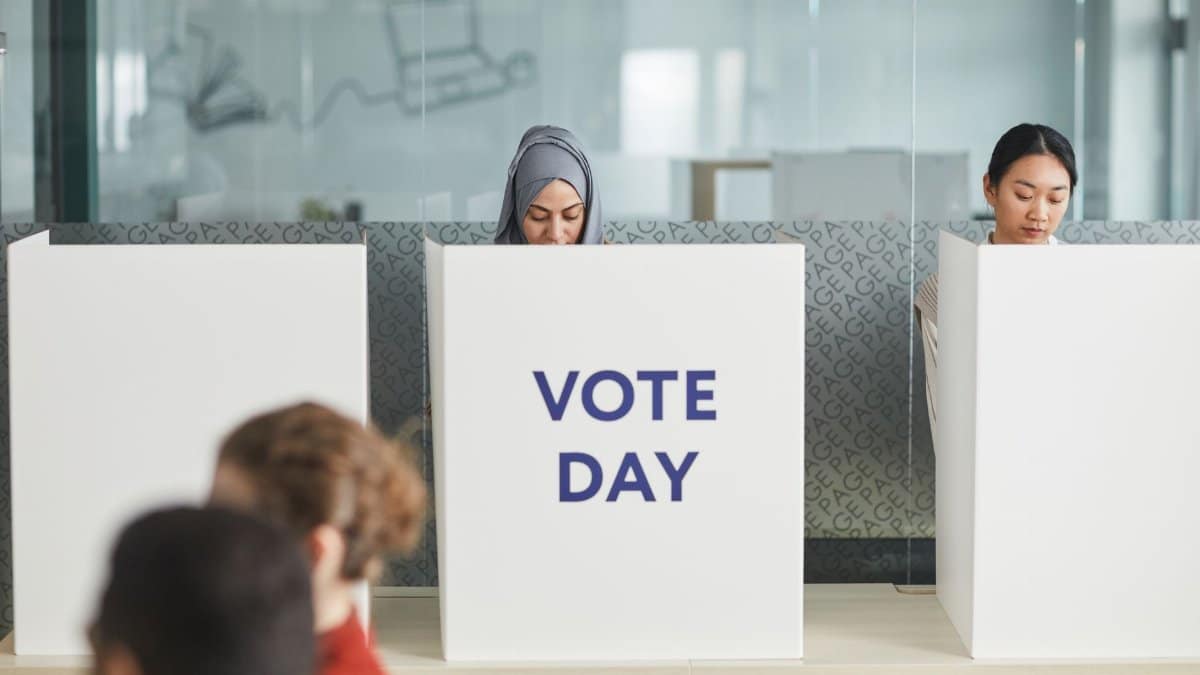
I have stood in enough polling places, as a reporter and as a neighbor, to know that trust is built in small transactions. A worker explains a form. A voter asks whether a mail ballot already sent can be spoiled. Nobody in that exchange is thinking about sequestration. They are thinking about whether the system will treat them as a citizen or as a problem.
Lawsuits that seek to wall off thousands of ballots teach a different lesson, even when they fail. They tell a slice of the public that their vote is presumptively suspect because of where they live or how they returned the envelope. Courts cannot repair that mood with a footnote. They can refuse to give the mood the force of an injunction. The rejection here does that narrower thing. It says the count goes forward. It does not say the argument about trust is over, because that argument now lives as much in rallies and group texts as in opinions.
What the order does not decide
It is easy to overread a denial. This one does not redraw California election statutes. It does not immunize every local practice from later challenge. It does not tell Congress how to write a national standard for mail ballots, a project lawmakers have circled for years without finishing. It does not declare a winner in any race. Those limits are the point of a remedy decision. The court answered the question in front of it: should processing stop now? The answer was no.
Readers who want a morality play will be disappointed, and they should be. Election administration is a stack of small legal choices. A judge can reject a bid to sequester ballots and still leave open questions about signatures, deadlines, and observer access. Those questions will return in other complaints, some of them serious, some of them performative. The useful habit is to ask what each filing actually seeks to halt, and who bears the cost if the halt is granted.
The next move and the count that continues
Administrations do not file once and vanish. A rejected request can be narrowed, appealed, or replaced with a suit aimed at a single county practice rather than a pile of ballots. Campaign lawyers will read the order for the phrases a higher court might dislike. County counsel will read it for the freedom to keep scanning. Voters will mostly read the headline, which is why the headline has to stay accurate. A judge rejected a bid to block processing. That is not the same sentence as a judge resolved every doubt about the election.
Still, accuracy should not shrink the stakes. The California ballots ruling kept thousands of votes inside the ordinary machinery of a midterm, and it warned that pulling them out would disrupt the election those votes exist to decide. In a season crowded with claims that only extraordinary measures can save democracy, ordinary processing is itself a democratic act. The envelopes move. The checklists continue. The argument, if it must, waits for a forum that does not require the count to stop in order to be heard.