

The lights stay on longer than the crowd. In the south end of the stadium, a few staff members walk the tunnel with the slow pace of people who have already replayed the night in their heads. Philadelphia has watched this team absorb five straight losses, and the phrase that keeps returning in conversations around the city is the Eagles what-ifs season. It is not a slogan printed on a shirt. It is the habit of asking what might have changed if one coach had stayed, if one tackle had landed clean, if one roster bet had been made a month earlier. Those questions do not win games. They do explain why a season that once felt orderly now feels unfinished.
Five losses and a city that will not look away

A single defeat can be filed under variance. Five in a row becomes a story about identity. Fans who once argued about style points now argue about causes. Was the slide a product of injuries, of opponents catching up, of a coaching staff that lost its feel for the moment? The honest answer is usually all of those things at once, which is unsatisfying in a sport that prefers a single villain.
I have sat in enough press boxes to know that losing streaks flatten language. Answers get shorter. Jokes stop landing. Players say the right things about effort and detail, and they often mean them. Meaning them is not the same as fixing them. The Eagles what-ifs season lives in that gap, between sincere effort and results that refuse to cooperate.
Nick Sirianni and the burden of the headset

Nick Sirianni remains the face of the operation, which means he also remains the face of the slump. Head coaches absorb blame that belongs partly to execution, partly to health, and partly to luck. That is the job. It is also why every fourth down choice, every timeout, and every personnel grouping gets replayed on local radio before the team bus has left the lot.
Supporters of Sirianni point to earlier success and to a locker room that has not publicly fractured. Critics hear a staff that has become predictable, a group too loyal to its own ideas when the scoreboard asks for something else. Both camps can cite afternoons that fit their case. Neither camp can prove the counterfactual. That is the cruel math of coaching arguments. You can describe the decision. You cannot rerun the season with a different voice in the headset.
The offensive line and a missing familiar voice
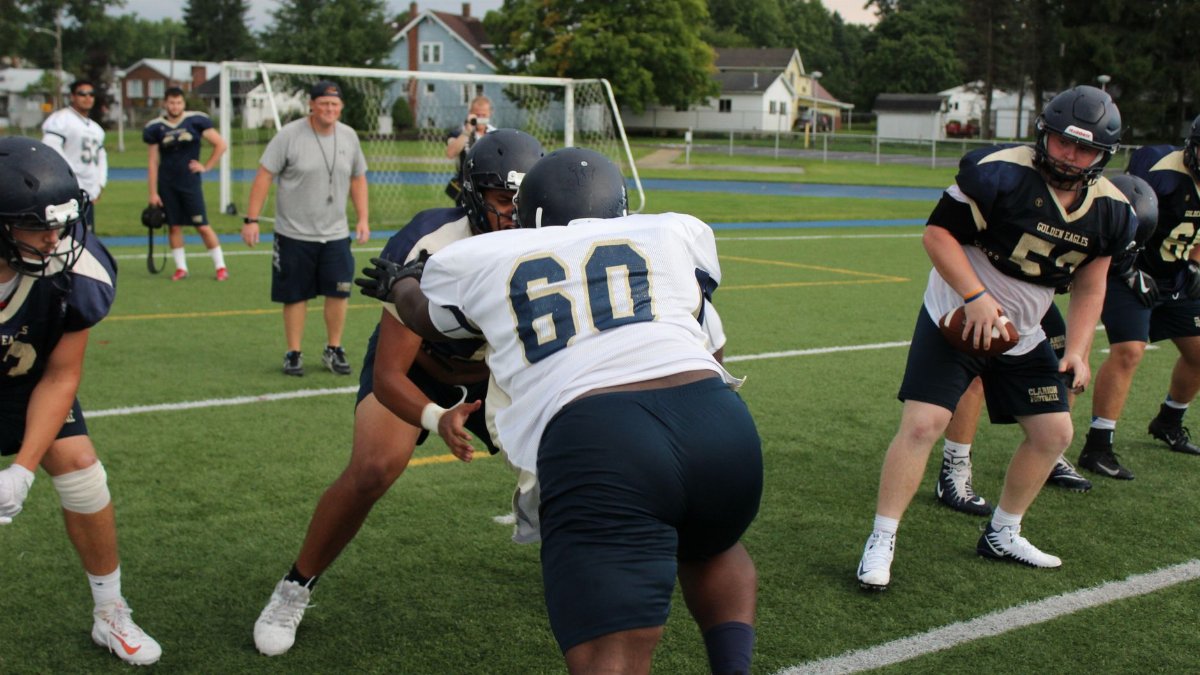
Jeff Stoutland built a reputation in Philadelphia as more than a position coach. He was a tone setter, a teacher whose standards traveled beyond the line of scrimmage. When that kind of voice is no longer in the building, the loss is not only technical. It is cultural. Young linemen still receive instruction. What they may not receive is the same blend of impatience and belief that once made ordinary weeks feel like a craft.
Protection and run fits do not collapse because one person leaves. They fray when communication slips, when a new voice has not yet earned the right to be blunt, when injuries force players into roles they have not lived in for a full year. In the Eagles what-ifs season, Stoutland is the name that keeps surfacing among people who care about the unglamorous work. They are not claiming he would have prevented every sack. They are claiming the details might have been cleaner, and in this league cleaner details are often the difference between a drive that dies and a drive that steals momentum.
Jalen Carter and the defensive question that will not rest

Jalen Carter was drafted to be a problem for other teams, the kind of interior presence that shortens plays before they become problems. When a defense built around that promise spends weeks looking ordinary, the questions arrive quickly. Is he healthy enough to be himself? Is the scheme asking him to do work that wastes his best traits? Are the players beside him winning their one on one moments, or is he being asked to cover for leaks he cannot reach?
Interior disruption is a quiet statistic until it disappears. Quarterbacks hold the ball a half second longer. Running backs find creases that used to close. Linebackers arrive late to fits they used to own. None of that requires a scandal. It requires a star who is not quite wrecking the play the way the roster sheet promised. Fans do not need a film session to feel it. They feel it when third and medium becomes a conversion instead of a punt.
Roster bets that look different in October

Every front office makes choices that age in public. A contract extension that felt like stability in March can look like rigidity in October. A draft pick praised for upside can look like a hole if the veteran he was meant to replace is gone and the replacement is not ready. Philadelphia has lived this cycle before. Winning hides the bets. Losing puts them under glass.
The useful question is not whether executives are smart. They are paid to be smart, and they still miss. The useful question is whether the current group has enough answers on the field for the next month, not for a theoretical future. Depth charts are arguments until the whistle. After five losses, those arguments have fewer places to hide.
Injuries as plot, not excuse

Injuries are the most honest complication in football and the easiest one to misuse. A team can be genuinely shorthanded and still play poorly. A team can also lose key bodies and still find a way to be competent. Philadelphia’s recent stretch has invited both readings. Skill players have missed time. The line has been shuffled. Defensive snaps have gone to men who were supposed to be insurance, not starters.
Coaches hate the injury alibi because it sounds like surrender. Fans hate it when it arrives before accountability. The fair version sits in the middle. Health changed the math. It did not erase the need for cleaner play calling, better tackling, and fewer self inflicted stalls. A season can be unlucky and still be flawed. Those facts can share a locker room.
The quarterback and the people around him
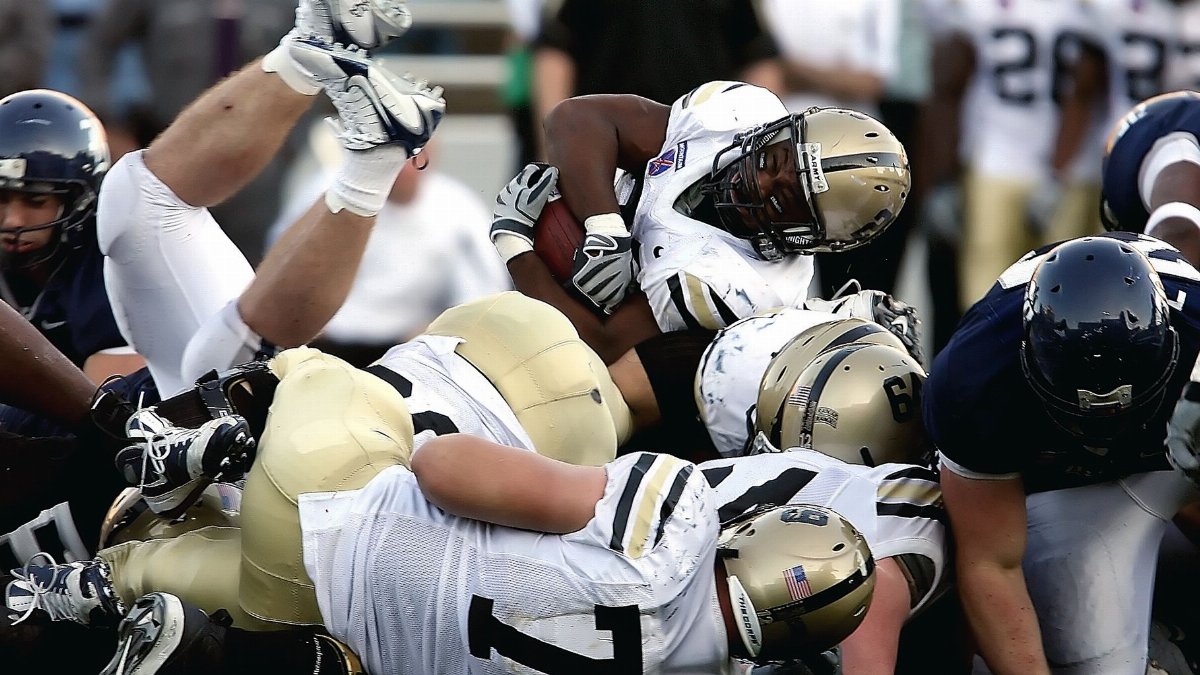
Quarterbacks get the last word in winning and the first word in losing. That is not always just. It is how the sport is watched. When protection wobbles and receivers fail to separate, even a talented passer starts to look hurried. When the run game offers no balance, defenses sit on the throws they already expected. The result is a highlight reel of almosts: a ball that arrives a step late, a check that never quite finds the hot route, a drive that reaches the red zone and leaves with three points or none.
The kinder reading is that the quarterback is playing through noise he did not create. The harsher reading is that stars are paid to shrink that noise. Both readings can be true on different Sundays. What the Eagles what-ifs season keeps asking is whether the supporting cast gave him a fair stage, and whether he, in turn, gave that cast enough easy answers when the stage tilted.
Special teams and the hidden points
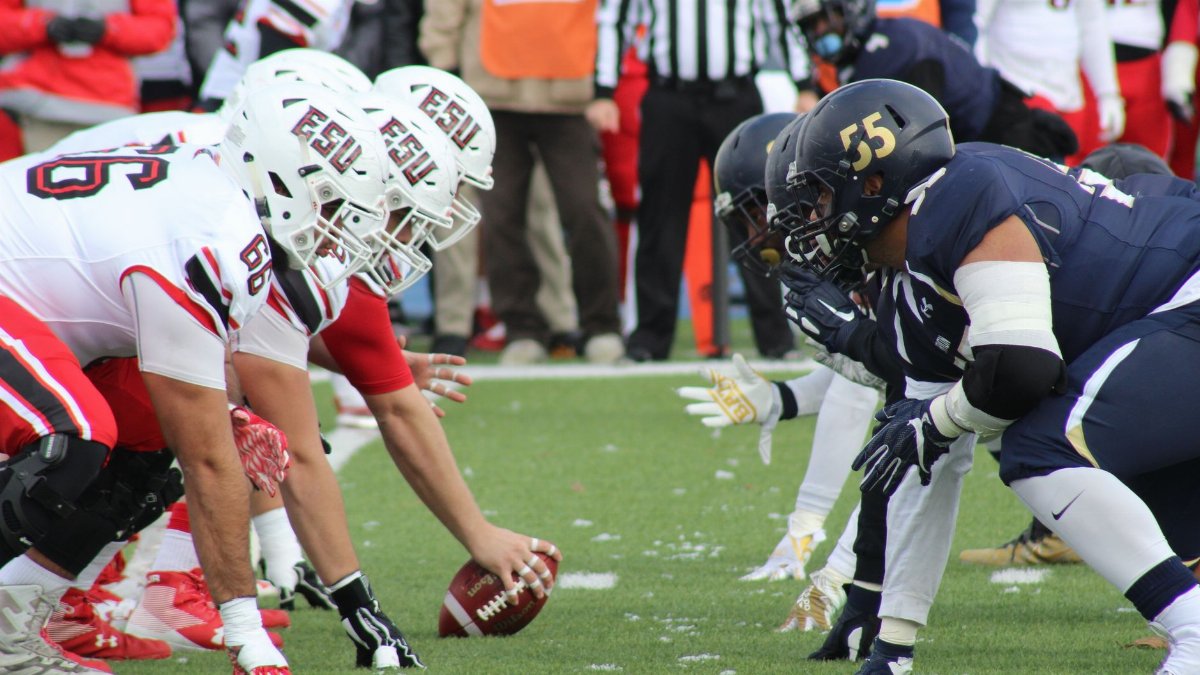
Close games are often decided away from the famous names. A punt that flips field position, a kickoff that fails to reach the intended lane, a missed kick that turns a moral victory into an actual loss. These moments rarely lead the national conversation. They lead the film the coaching staff watches on Monday, because they are correctable in a way that talent gaps are not.
Philadelphia’s recent losses have not all looked the same, which is part of the frustration. Sometimes the offense stalled. Sometimes the defense bent on a late series. Sometimes the hidden yards went the wrong direction. A team that loses in one identifiable way can install a fix. A team that loses in several ways starts to wonder whether the fix is cultural rather than technical. That wonder is heavier than any single missed tackle.
What the remaining schedule can still say

Five losses do not erase a roster, and they do not automatically define a coach. They do narrow the story. The weeks ahead will not restore a perfect season. They can restore a standard. Winning two or three games in a row would not answer every counterfactual. It would remind people that the players in the building are still capable of imposing their will, which is the only remedy football actually offers.
There is a temptation, after a slide like this, to treat the rest of the year as epilogue. That temptation is understandable and wrong. Jobs, confidence, and draft position all still move. So does the memory younger players will carry into next spring. A December that looks like competence is not nothing. It is evidence, and evidence is what this argument lacks.
The fans who keep the questions alive
Philadelphia does not do indifference well. That trait is mocked by outsiders and prized by people who live here. The same impatience that boos a slow start will also fill a building when the team shows a pulse. In a year defined by alternate histories, that impatience is a form of attention. People argue because they still believe the details matter.
Radio calls and group texts will keep circling the same names. Sirianni. Stoutland. Carter. The quarterback. The general manager who is not on the field and is never fully off it. Some of those arguments will be fair. Some will be theater. The useful ones will separate what a different choice might have changed from what no choice could have saved. That separation is harder than blaming a face on a graphic, and it is the only way the conversation stays honest.
A season that teaches by subtraction

Winning seasons teach by addition. You remember the plays that worked and you try to repeat them. Losing seasons teach by subtraction. You notice the voice that is gone, the player who is not himself, the call that no longer surprises anyone. The Eagles what-ifs season is that kind of education. It is uncomfortable, and it is specific. It asks Philadelphia to hold two ideas without letting either one become an excuse.
The first idea is that people matter. A coach’s standards, a star’s health, a front office’s timing: these are not abstractions. They show up in protection, in pursuit angles, in whether a drive feels inevitable or fragile. The second idea is that football does not grade essays. It grades the next snap. Counterfactuals can explain a month. They cannot play one.
Somewhere between those ideas is the team that will take the field again. It will not be the team fans sketched in August. It might still be a team that refuses to let five losses become the only sentence of the year. If that happens, the what ifs will not vanish. They will simply have to share the page with something sturdier: proof, limited and late, that the people still here can answer a hard question with their play instead of with a memory.