
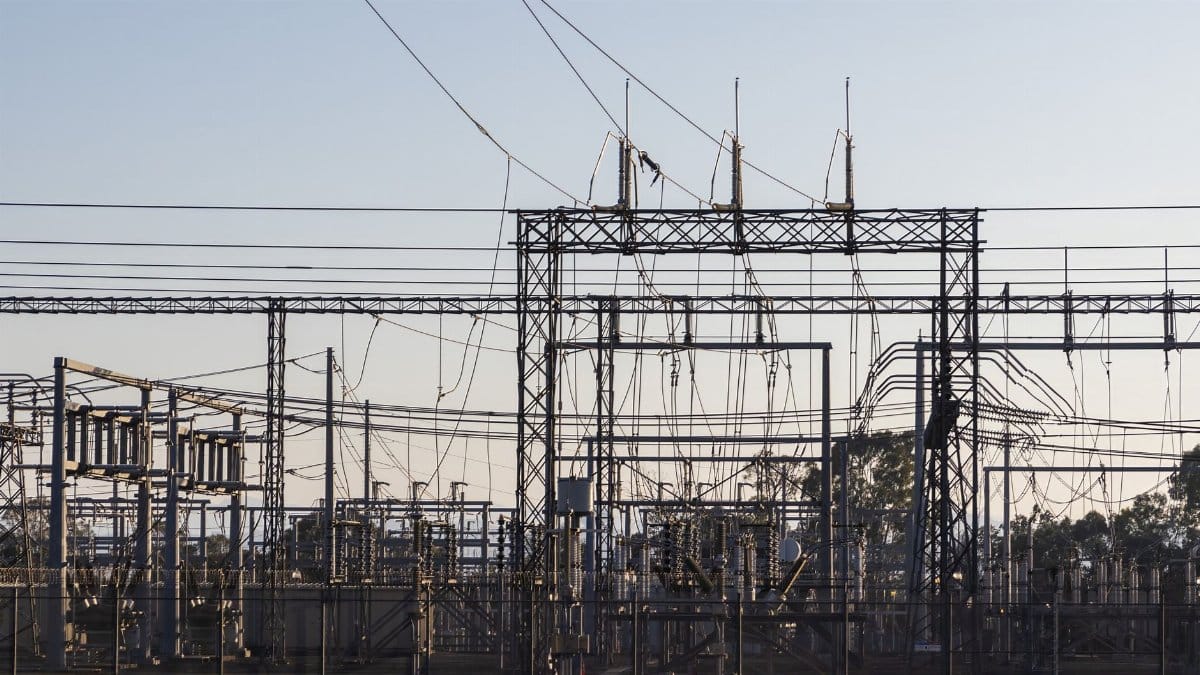
The lights failed before the school day had fully begun. In the parking lot outside a large Houston campus, parents idled with engines running while administrators stood near the front doors, phones pressed to their ears. Inside, hallways that usually fill with backpacks and chatter stayed dim. The Westside High power outage, traced to failed equipment on a utility pole, forced Houston Independent School District leaders to send nearly 2,500 students home on September 15 rather than attempt a full day without reliable power.
A campus that could not open as planned
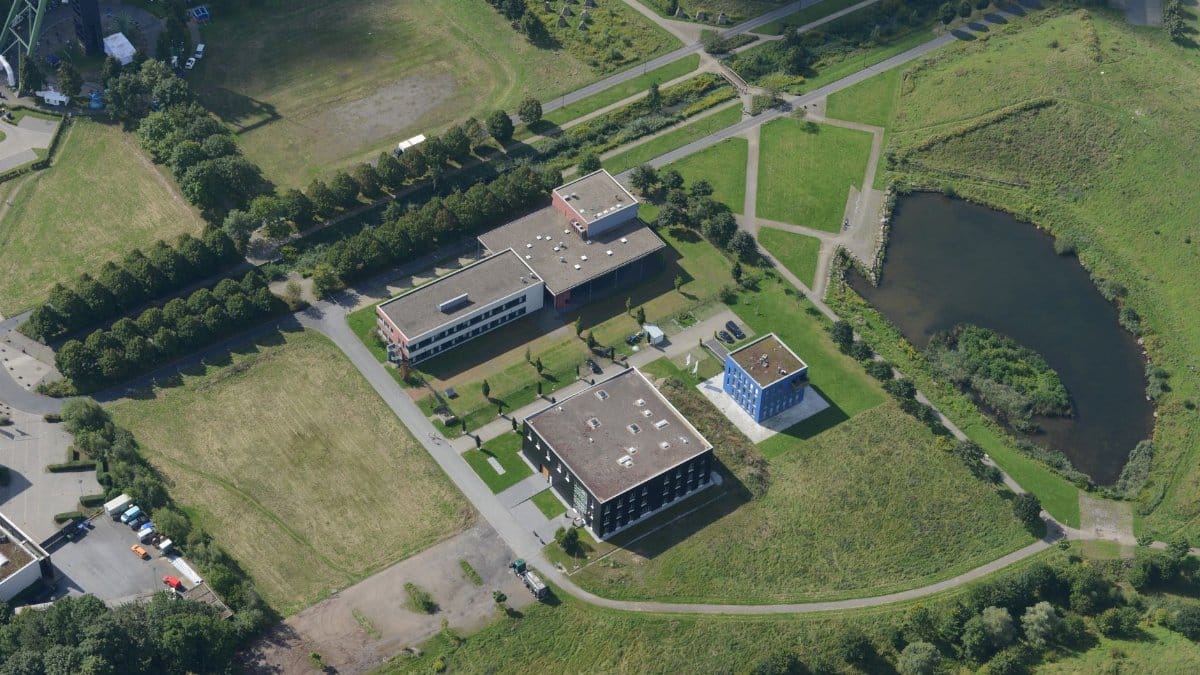
Westside High is not a small neighborhood school. It is a sprawling secondary campus on the west side of Houston, with science labs, athletic spaces, a cafeteria built for volume, and classrooms that depend on lights, ventilation, and digital tools from the first bell. When pole equipment failed that morning, the problem was not a single dark classroom. It was a building that could not safely and practically run its ordinary schedule.
District officials described the cause as a failure of equipment on a pole serving the campus. That kind of fault sits at the boundary between a school system and the electric utility. Principals can flip breakers and call maintenance crews. They cannot repair a damaged pole from the front office. The decision that followed was blunt and familiar to anyone who has watched a large public institution absorb a sudden mechanical loss: dismiss the students and try again when power returns.
Why leaders chose dismissal over improvisation

A high school can tolerate a brief flicker. It cannot easily tolerate hours without dependable electricity. Restrooms need pumps. Cafeterias need refrigeration. Nurses need working equipment. Fire alarms, communication systems, and door hardware are not decorative. In a Texas September, air conditioning is part of basic safety, not a comfort upgrade. Asking thousands of teenagers to sit through a hot, dim instructional day would have traded one problem for several others.
Sending students home is itself a logistical act. Buses must be recalled or held. Parents who already left for work must be reached. Students who rely on school meals lose that meal unless someone plans a substitute. The Westside High power outage compressed all of those decisions into a single morning, while staff were still confirming what had failed and how long the repair might take.
What families heard and how they responded

For parents, the first notice often arrives as a text, an email, or a call from a child standing in a hallway. The message is simple and incomplete at the same time. School is closed. Come get your student, or expect an early bus. The cause may be named in a sentence. The duration may not be known.
Households absorb that news unevenly. A parent with a flexible job can turn around. A parent on a shift, in a clinic, or on a job site cannot. Grandparents, neighbors, and older siblings become the afternoon plan. In a city as large as Houston, distance matters. Westside draws students from a wide area. An early release is not a short walk home for every family.
I have watched enough school closures, weather days and facility failures alike, to know that the official notice is only the start of the day. The real story is the scramble that follows in kitchens, group chats, and front offices of workplaces that were not expecting a teenager at noon.
Teachers left with a day that vanished
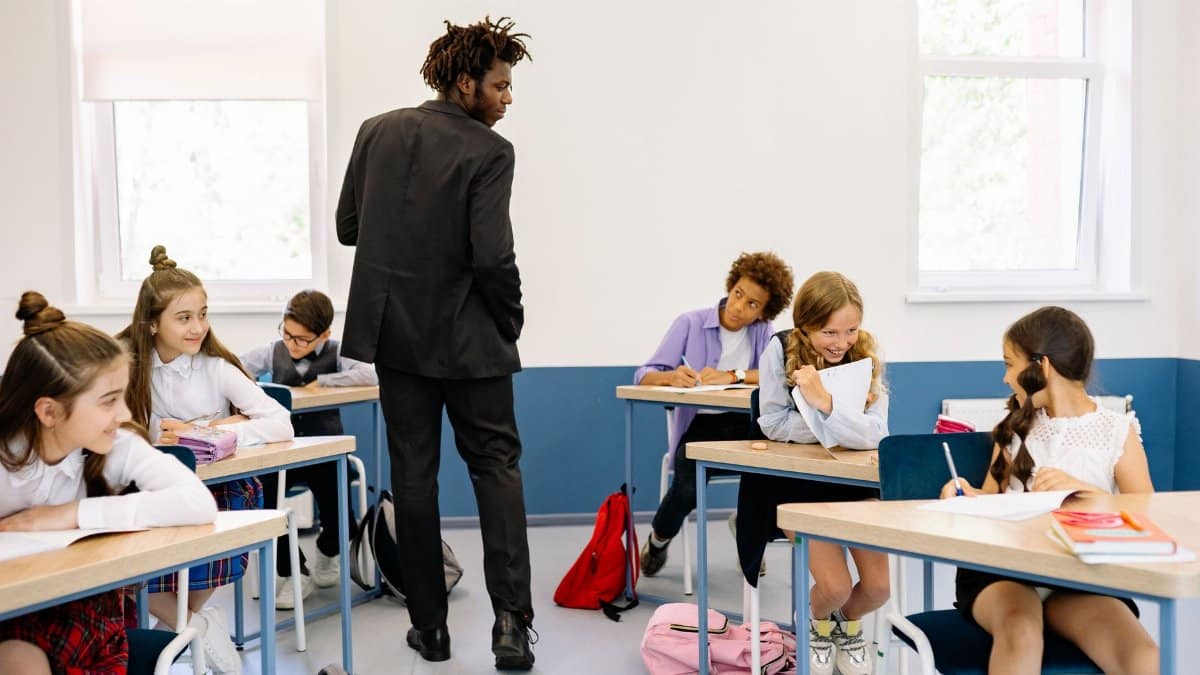
Instructional time is easy to treat as elastic until it is not. A morning lost to a power failure does not simply slide to the next afternoon. Tests move. Labs that require outlets and ventilation wait. A lesson built around a projected text becomes a stack of papers that never left the copy room. Teachers who arrived ready to teach spent the morning instead on attendance, supervision, and messages home.
Students feel the disruption differently by age and by course load. A senior tracking college deadlines notices a missed class period in a way a freshman may not. An athlete wonders whether practice will happen. A student who counts on the building as a calm place, away from a crowded apartment or a long commute, loses that place for the day. None of those losses show up in a utility report. They show up later, in makeup work and in the quiet irritation of a schedule that no longer fits.
The pole and the thin line of campus power
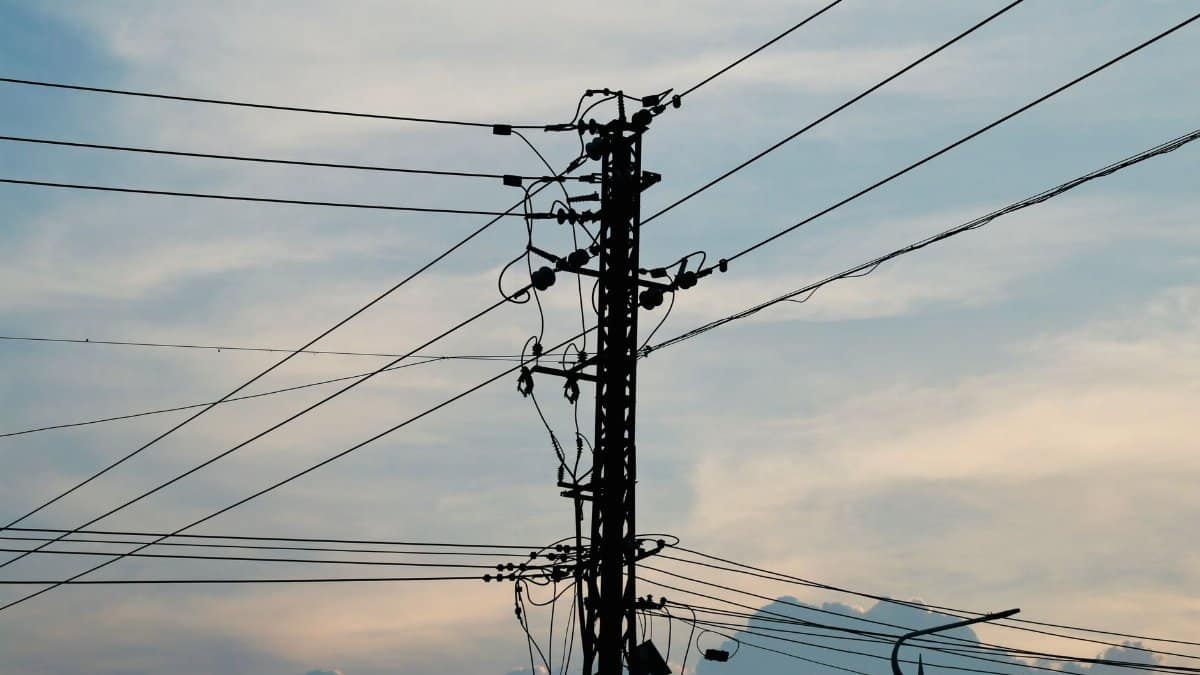
Pole mounted equipment is easy to ignore until it fails. Transformers, cutouts, and connections sit above traffic, weather, and tree limbs. A fault there can darken a campus even when the building itself is sound. Investigators and utility crews look for heat damage, a failed component, an animal contact, or a connection that finally gave way. The public usually hears a shorter version: equipment failed, crews are working, power should return by a stated hour.
That shorter version is not a cover. It is often all that can be said while crews are still on the pole. What families reasonably want is a clock. What crews can offer is a sequence: isolate the fault, replace the part, test the line, restore service, then let the school confirm that its own systems are stable. Those steps do not map neatly onto a school bell schedule.
Safety rules that leave little room for a partial day
School districts operate under expectations that sound bureaucratic until the lights go out. Buildings must meet standards for supervision, communication, food safety, and emergency response. A campus running on partial power can meet some of those standards and miss others. Administrators are judged less on creativity than on whether they kept students safe and informed.
Dismissal is the conservative choice, and in this case it was the choice HISD made. Critics sometimes read an early release as overreaction. Supporters read it as respect for conditions staff could not control. Both readings can be true in the abstract. On September 15, with nearly 2,500 students on a campus tied to failed pole equipment, waiting for a perfect repair window was not a realistic morning plan.
Buses, meals, and the hidden schedule
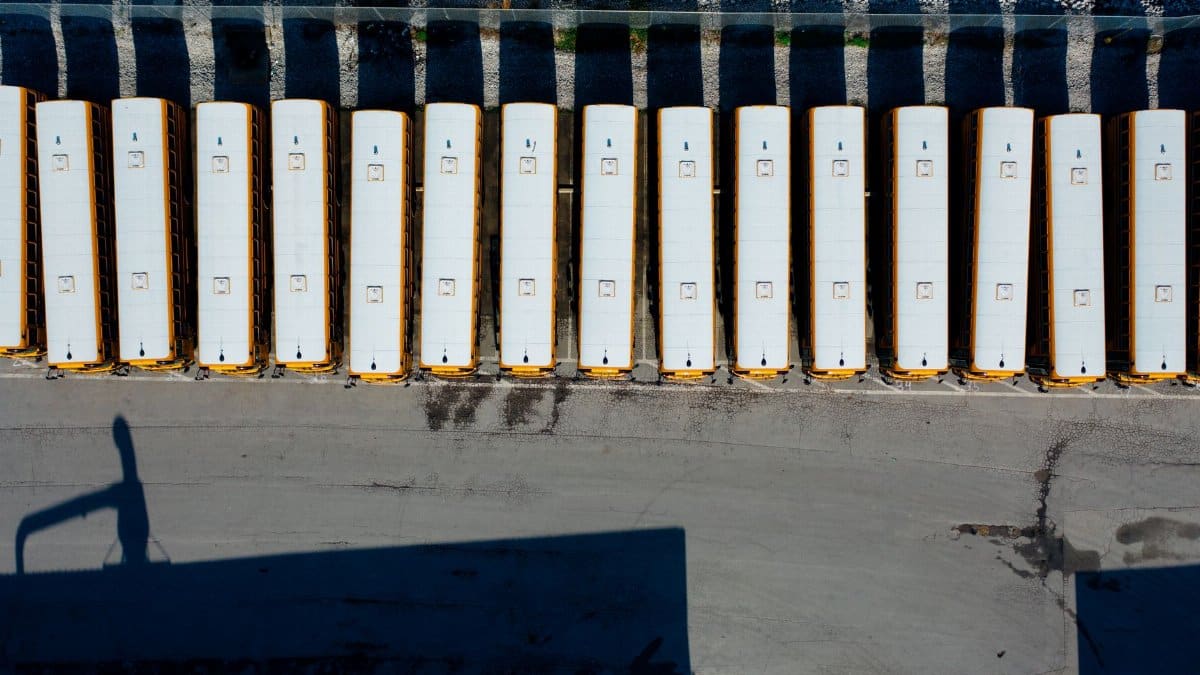
The public face of a closure is the announcement. The private face is transportation. Bus routes assume a normal dismissal. An early release means drivers, dispatchers, and campus aides rebuild the afternoon while students are already gathering. A missed connection is not a minor inconvenience when the rider is fifteen and the stop is miles from home.
Food service has its own clock. Coolers, warmers, and serving lines depend on power. If breakfast was underway when systems failed, staff had to decide what could still be served safely and what had to be discarded. Students who count on lunch at school needed another plan. Those details rarely lead the news. They decide whether the day felt orderly or chaotic.
What an outage reveals about large campuses

A single morning does not prove that a building is neglected. Equipment fails in new schools and old ones. Still, repeated disruptions force a harder question about how districts maintain the unglamorous systems that keep class possible: electrical service, cooling, roofs, and the contracts that govern repairs outside the property line.
Houston schools have lived through storms that took power for days, not hours. Families remember those weeks. A pole equipment failure on an otherwise ordinary September morning is a smaller event, but it lands in the same emotional place. Parents want to know whether the campus is fragile or merely unlucky. They want a plain account of what broke, who owns the repair, and when students can expect a normal day.
The Westside High power outage offered a narrow version of that account. A pole. Failed equipment. A campus that could not proceed. A district that chose to send students home. The rest is follow through: confirmation that power returned, that systems were checked, and that the next morning began on time.
Learning that does not live only in the building
Some lessons survive a dark campus. Reading assigned the night before still exists. A conversation about a text can happen at a kitchen table. Many others cannot. Band, laboratory science, and career courses tied to shop equipment need the room. Online work needs charged devices and home connections that are not universal. Treating a closure as a free day ignores students who lose the only quiet hour they have. Treating it as a full instructional day ignores the students who spent it in a car or at a workplace waiting room.
Honest recovery sits between those poles. Teachers can tighten the next lessons without pretending the lost morning never happened. Counselors can notice students whose transportation home was uncertain. Coaches can reset practice without punishing athletes for a utility failure. None of that requires a speech. It requires adults who remember that the schedule is a tool, not the point.
Questions that remain after the lights return

Once power is back, attention drifts. That is natural. The parking lot fills again. Bells ring. The story feels finished. A few questions still deserve answers in ordinary language. What exactly failed on the pole? Was the component aged, damaged, or simply unlucky? How long did restoration take? Did any campus systems need repair after the outage, or was the building ready as soon as utility power returned? Will similar equipment at nearby schools be inspected?
Those questions are not accusations. They are the minimum a large district owes families after it empties a campus on a school day. Vague updates breed rumor. Specific updates, even short ones, let parents judge the response for themselves.
A city used to weather, less used to a random Tuesday
Houstonians know how to read a hurricane cone. They are less practiced at a sudden closure with blue sky overhead. Weather days come with shared language and shared warning. A pole failure does not. It feels arbitrary, which makes the communication burden heavier. People accept a storm. They ask more questions of a machine that quit on a clear morning.
That difference should shape how districts talk. Lead with the cause you know. Separate what is confirmed from what is still being checked. Give a next update time even if the repair time is unknown. Tell families where students can be picked up and what bus riders should expect. Repeat the message, because the first text often lands while someone is driving.
Students as the measure of the morning
It is tempting to score the day by operational metrics alone. How fast were notices sent? How many buses rolled? When did the utility restore service? Those numbers matter. They are not the whole measure. The measure is also whether a freshman got home safely, whether a teacher could salvage the unit later in the week, and whether the cafeteria could feed students the next morning without scrambling.
Nearly 2,500 students is not an abstraction. It is a set of individual rides, meals, and assignments. The Westside High power outage interrupted each of them at once. A competent district treats that interruption as a safety decision first and a scheduling problem second. It does not dress the morning up as a character lesson. It fixes the power, tells the truth about the fix, and opens the doors when the building can actually hold a school day.
What the next morning needed to prove

Reopening is a claim. It claims that lights, cooling, alarms, kitchens, and communications are stable enough for a full schedule. Staff walking the halls before students arrive are the people who test that claim. A restored meter is not the same as a restored campus. Elevators, lab hoods, and server closets can lag behind the main panels. A careful reopening checks those rooms instead of assuming the pole repair solved every downstream fault.
Parents notice the small proofs. A timely bell. A working thermostat. A teacher who knows whether yesterday’s quiz moved. Those details rebuild trust faster than a polished statement. They also cost little compared with another unplanned dismissal.
Holding a public campus to a public standard

Westside High belongs to a public system. Its failures are public business, even when the broken part sits on a utility pole rather than in a classroom. Families do not need jargon about load and voltage. They need a clear chain of responsibility and a timetable they can plan around. Utilities and districts share that duty when the fault is at the edge of the property.
The September 15 closure will fade, as school disruptions do, into a date on a calendar and a story students tell about the morning they were sent home. It should also remain a prompt for dull, necessary work: inspection, spare parts, communication drills, and contracts that name who climbs the pole. The Westside High power outage was a mechanical event with a human bill. Paying that bill means more than restoring current. It means making the next ordinary Tuesday less likely to end before it starts.
A community standard beyond the repair ticket

Schools carry more than instruction. They are where a neighborhood agrees to look after other people’s children for seven hours. When that agreement breaks because a piece of equipment failed, the response is a kind of civic test. Did adults tell the truth quickly? Did they choose safety over the appearance of a normal day? Did they remember the students whose ride home was not simple?
Those are not technical questions, and they do not require anyone to romanticize a power failure. They ask whether a large institution can still act like a neighbor. On the evidence of the dismissal itself, Westside’s leaders treated an unsafe building as a reason to stop, not a reason to improvise in the dark. The repair crews had their job. The rest of the standard belongs to the adults who will open the doors again and owe families a plain account of why the morning went quiet.