

The quiet rural roads of Vermont became the unlikely setting for a case that has drawn fresh attention to Vermont immigration cooperation after a simple traffic violation resulted in removal proceedings for a longtime resident. What began as an ordinary encounter with local police quickly involved federal immigration officers raising questions about how state resources intersect with national enforcement priorities. For communities across the state this incident has prompted renewed conversations among residents leaders and advocates who see it as a signal of shifting practices. The event underscores the delicate balance between local law enforcement duties and broader federal goals in a region known for its independent spirit and tight knit towns.
Background on the traffic incident and its unexpected outcome

Details from court records show that the driver was pulled over for a minor equipment issue on a stretch of highway near the Canadian border. Officers checked identification as is standard practice and discovered an outstanding immigration matter from years prior. Within hours federal agents arrived to take custody leading to swift deportation without the individual having an opportunity to appear before a local judge. Community members expressed surprise at the speed of events noting that such handoffs had not been common in recent memory.
Local law enforcement perspectives on federal partnerships

Sheriffs and police chiefs in Vermont have long navigated requests from immigration authorities with varying degrees of involvement. Some departments limit their role to serious criminal cases while others respond more broadly to database queries. This variation creates uneven experiences for residents depending on which county they live in and highlights ongoing discussions about training and policy consistency.
Impact on immigrant families living in rural areas

Families affected by the deportation describe sudden separations that disrupt daily life including childcare school routines and small business operations. In agricultural regions where seasonal labor is essential the loss of a single worker can ripple through entire networks of employers and neighbors. Support groups have reported increased requests for legal guidance since the case became public.
State policies versus federal expectations in practice

Vermont has maintained a framework that emphasizes community trust with police yet federal officials continue to seek assistance through formal channels. The tension arises when local officers must decide whether to honor detainer requests that lack judicial oversight from state courts. Lawmakers have considered measures to clarify boundaries and protect due process for all individuals regardless of status.
Public reactions and community meetings across the state
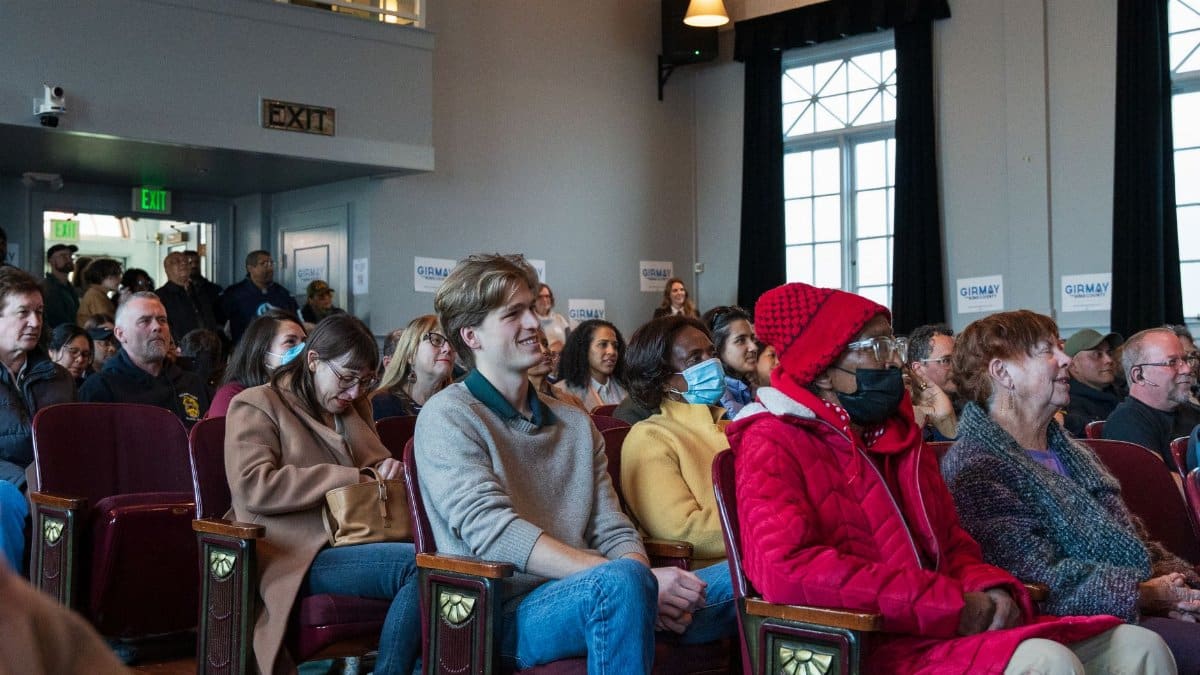
Town halls held in recent weeks drew residents from diverse backgrounds who shared stories of cooperation and concern alike. Some voiced support for stronger federal coordination to address safety issues while others advocated for greater distance from immigration enforcement to preserve local relationships. These gatherings reveal a spectrum of views rather than a single consensus.
Historical context of state and federal interactions
Over the past decade Vermont immigration cooperation has evolved through court rulings legislative proposals and shifts in national administration priorities. Earlier agreements focused on information sharing have given way to more selective engagements as state officials weigh costs and community impacts. Comparisons with neighboring states provide useful reference points for policymakers.
Economic considerations tied to workforce stability

Business owners in hospitality construction and farming sectors note that reliable labor pools depend on predictable enforcement climates. Abrupt removals can lead to vacancies that affect productivity and wages in tight markets. Economists tracking regional trends suggest that clear policies help sustain growth without unnecessary disruptions.
Legal avenues available to those facing removal

Individuals in similar situations often explore options such as asylum claims adjustment of status or appeals based on family ties. Access to representation remains a challenge in remote areas where immigration attorneys are scarce. Nonprofit organizations have expanded outreach to fill gaps but demand continues to exceed capacity.
Media coverage and its role in shaping opinion

Local outlets along with national reports have amplified the details of the traffic stop case bringing wider visibility to Vermont immigration cooperation practices. Journalists emphasize the human elements alongside policy implications allowing readers to grasp both individual circumstances and systemic factors. Balanced reporting helps counter misinformation that can arise in charged debates.
Future directions for policy refinement

Advocates and officials alike are examining model approaches from other jurisdictions that prioritize transparency and accountability. Potential reforms include standardized training for officers and clearer protocols for when federal involvement is appropriate. Ongoing dialogue at the statehouse may yield legislation that addresses current ambiguities while respecting local autonomy.