
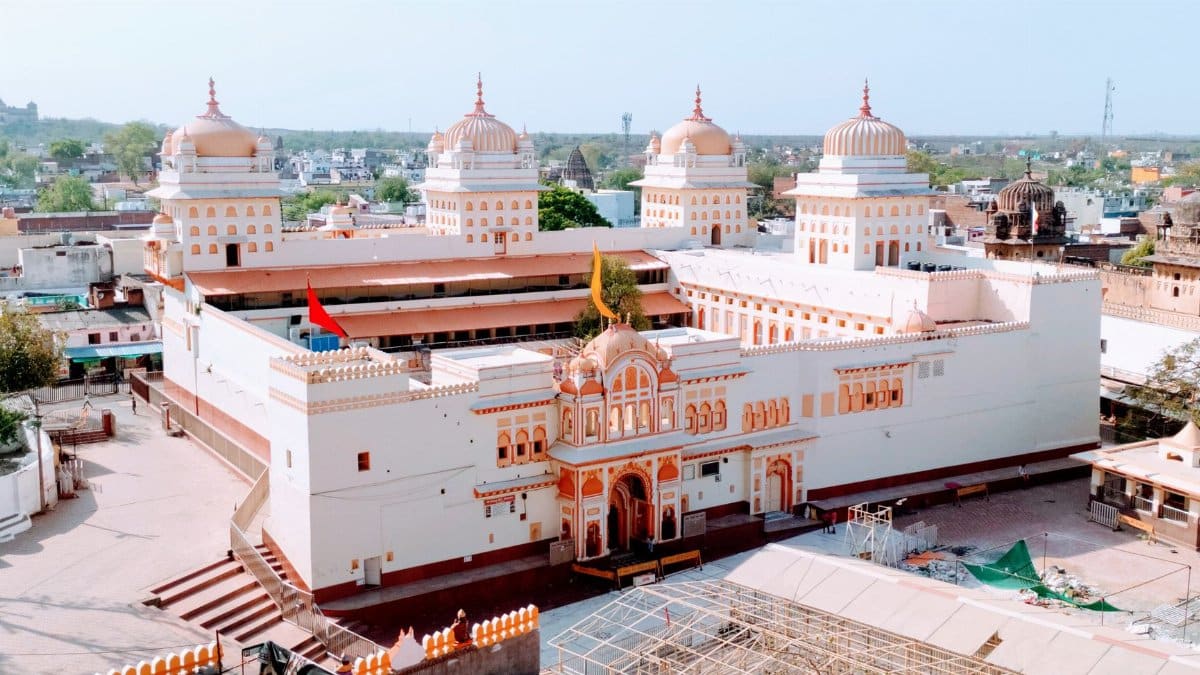
On a weeknight when the lights of a suburban sanctuary should have meant only prayer and conversation, a jammed rifle is what authorities say stood between worshippers and violence. That bare fact is why the Aurora Hindu temple plot has moved from a police blotter into a demand for federal attention, and why a member of Congress is asking whether bias, not mere criminal intent, explains the threat.
A call that reframes a local case

U.S. Rep. Raja Krishnamoorthi has urged the FBI to examine the alleged scheme as a hate crime. The Illinois Democrat, whose district includes a large and religiously diverse stretch of the Chicago suburbs, framed the request as a test of whether federal tools match the fear now sitting inside one congregation. He did not claim to have solved the case. He argued that the pattern of targeting a Hindu house of worship deserves investigators who are trained to look for motive as carefully as they look for weapons.
The appeal lands in a familiar American argument. Local police often make the first arrest or the first stop. Federal agents enter when interstate travel, civil rights statutes, or a broader threat picture may be in play. Krishnamoorthi is asking the bureau to decide which of those doors, if any, this file should open.
What officials have said, and what they have not

Public accounts, including reporting in the Chicago Tribune, say authorities believe an attack was halted because a rifle jammed. That detail is specific enough to chill a community and vague enough to leave almost every legal question open. Officials have not, in the material available for this account, laid out a full charging document, a named ideology, or a completed motive finding. Readers should treat the episode as an alleged plot under investigation, not as a closed narrative.
A jammed firearm is not a legal conclusion. It is a mechanical fact with moral weight. It suggests preparation. It does not, by itself, prove that the intended victims were chosen because they were Hindu, South Asian, immigrants, or some combination of those identities. That distinction is the entire hinge of the congressman’s request.
Why a hate crime label is not a slogan
Federal hate crime law is narrower than the phrase used in rallies and headlines. Prosecutors generally must show that a defendant selected a victim because of a protected characteristic such as religion, race, or national origin, and that the conduct fits a statute Congress actually passed. A terrible crime against a temple is not automatically a hate crime. A hate crime is not a lesser offense dressed up for politics. It is an additional theory of the case, with its own elements and its own burden of proof.
That is why Krishnamoorthi’s letter matters even if the FBI ultimately declines. The ask forces a written judgment: is there evidence of bias, is there federal jurisdiction, and is the local case already sufficient. Communities often experience silence on those points as indifference. Investigators experience premature labels as a risk to a future jury.
The temple as a civic address
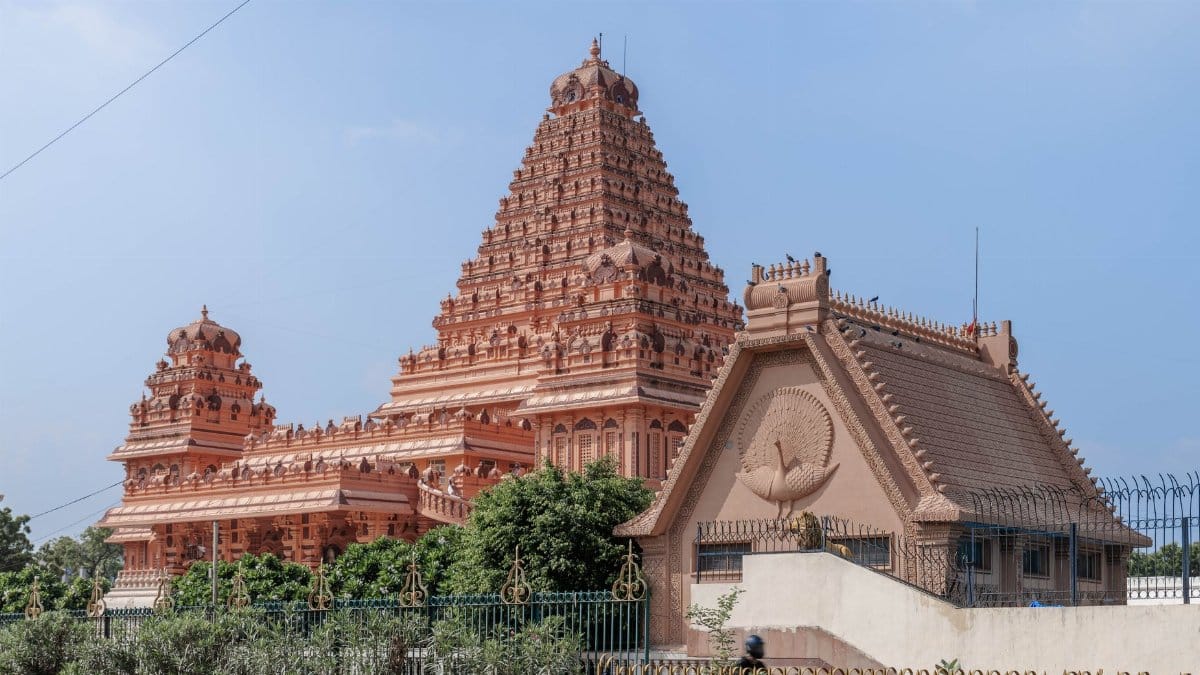
Aurora is not a postcard of one faith. It is a working city west of Chicago where warehouses, old downtown blocks, and new subdivisions share the same school calendar. Hindu temples in such places function as more than ritual sites. They host language classes, festival meals, voter registration tables, and the ordinary logistics of raising children far from grandparents. An attack aimed at that address strikes a calendar, not only a creed.
For many families the building is also a reply to an older story about who belongs in the Midwest. The reply is architectural. A gopuram or a community hall on a commercial road says the suburb is not a waiting room on the way to somewhere else. When that claim is threatened, the injury is felt by people who have never entered the sanctuary.
Krishnamoorthi and the politics of protection
Krishnamoorthi has long positioned himself as a voice for immigrant constituencies without reducing his job to symbolism. Asking the FBI to review the Aurora Hindu temple plot fits that record, and it also fits an election year instinct that safety is not a niche issue. Suburban voters who disagree about taxes often agree that a house of worship should not require a tactical plan.
The risk for any elected official is overclaiming. If the congressman implies a motive the evidence does not yet support, he hands a defense lawyer a speech about prejudice in the investigation. If he says nothing, he hands a frightened congregation a lesson about invisibility. The narrower path is the one he appears to be walking: request a federal look, cite the reported weapon failure, and leave the elements of the statute to agents and prosecutors.
How the FBI actually joins a case
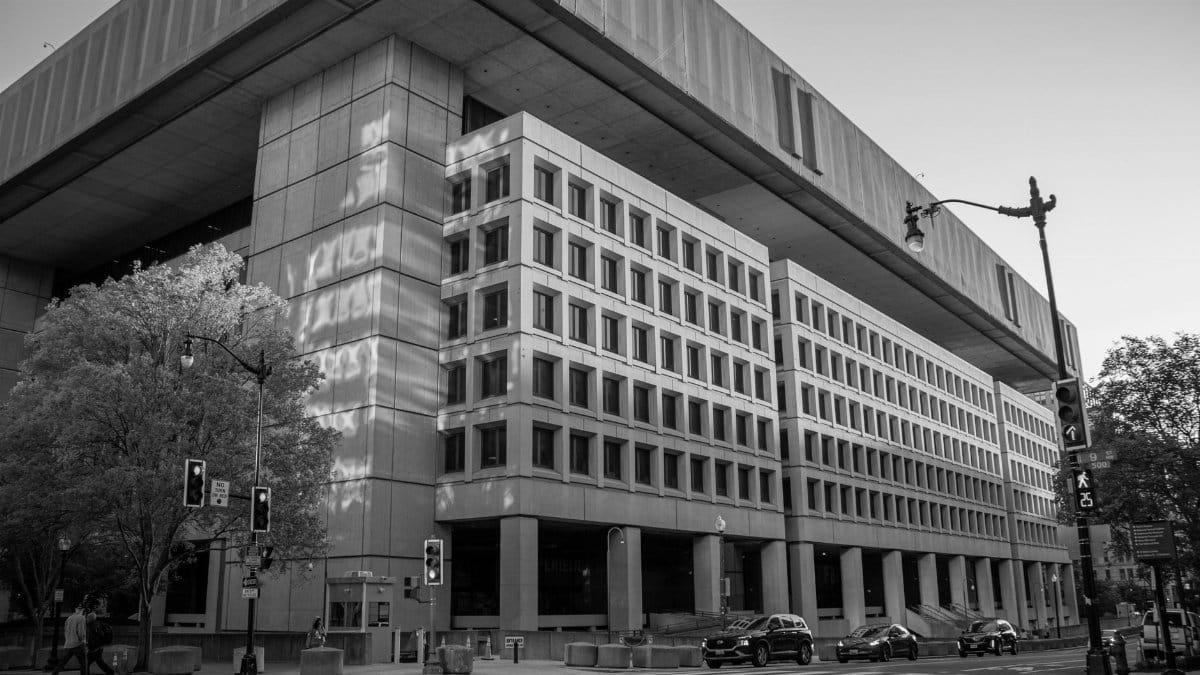
The bureau does not appear because a headline is ugly. Civil rights squads and Joint Terrorism Task Forces review whether a subject crossed state lines, used a facility of interstate commerce, threatened a religious institution in a way federal law covers, or fits an intelligence picture already on a desk. Local detectives remain essential. They hold the scene, the witnesses, and often the first interviews.
A useful federal role can be modest. Digital evidence, travel records, and comparisons with other threats sometimes sit outside a municipal warrant. None of that requires treating every troubled defendant as a terrorist. It requires refusing the opposite error, which is to file a case as ordinary gun crime when selection of the target is the point.
A national pattern without a single script

American houses of worship have absorbed shootings, arsons, and vandalism aimed at synagogues, Black churches, mosques, Sikh gurdwaras, and, less discussed, Hindu and Buddhist sites. The ideologies differ. The operational lesson for congregations is grimly similar. Open doors are a theological choice and a security problem at the same time.
Hindu communities in the United States have reported temple desecrations and street harassment that rarely dominate national news. Some incidents are charged as hate crimes. Others stall because graffiti has no witness and online bile has no clear link to a street address. The Aurora Hindu temple plot, if the allegations hold, would sit at the severe end of that spectrum because a firearm was allegedly involved and only a malfunction is said to have stopped the attack.
What fear does to a congregation
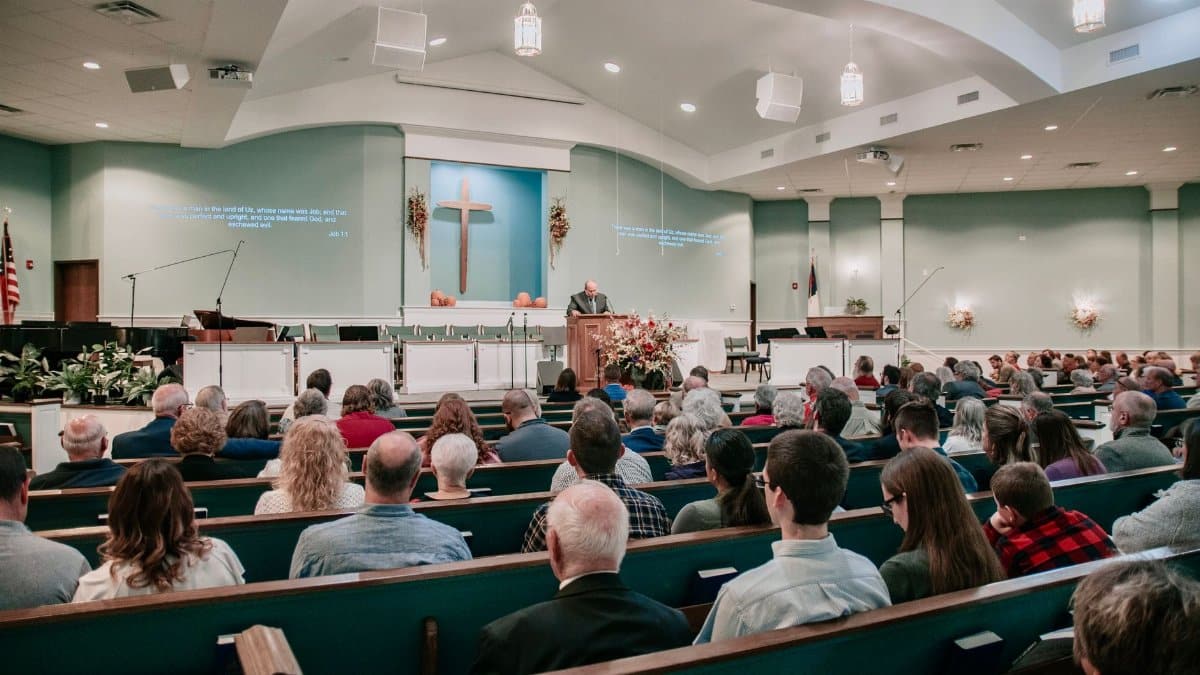
After a near miss, attendance can drop for reasons that have nothing to do with faith. Parents recalculate evening programs. Elders who walked from nearby apartments start asking for rides that end at a lit door. Volunteers who once greeted strangers begin to study faces. None of that is hysteria. It is the rational response to learning that a weapon was pointed, in intent if not in a completed shot, at a place built for trust.
Leaders then face a pastoral contradiction. They must tell the truth about danger and also refuse to let danger rewrite the purpose of the hall. Extra cameras and trained greeters can coexist with open festivals. They cannot coexist with rumor presented as fact. The most stabilizing sentence a board can offer is often the least dramatic: here is what police have confirmed, here is what remains allegation, here is when we will speak again.
Evidence, motive, and the temptation to fill gaps

Journalists and politicians share a weakness in cases like this. The public wants a why before the file contains one. Was the alleged plot driven by religious hatred, by a personal grievance dressed in slurs, by online radicalization, or by an unstable mixture that a jury may never fully sort. Those are different stories. They imply different charges and different prevention tools.
The honest account, as of the congressman’s request, is incomplete. Authorities have described a stopped attack and a jammed rifle. Krishnamoorthi has asked that hate crime investigators test whether religion was the reason for the target. Until affidavits, charging documents, or a court hearing supply more, speculation about manifestos or networks would be a disservice to both the temple and the accused.
Local policing and the suburb’s capacity
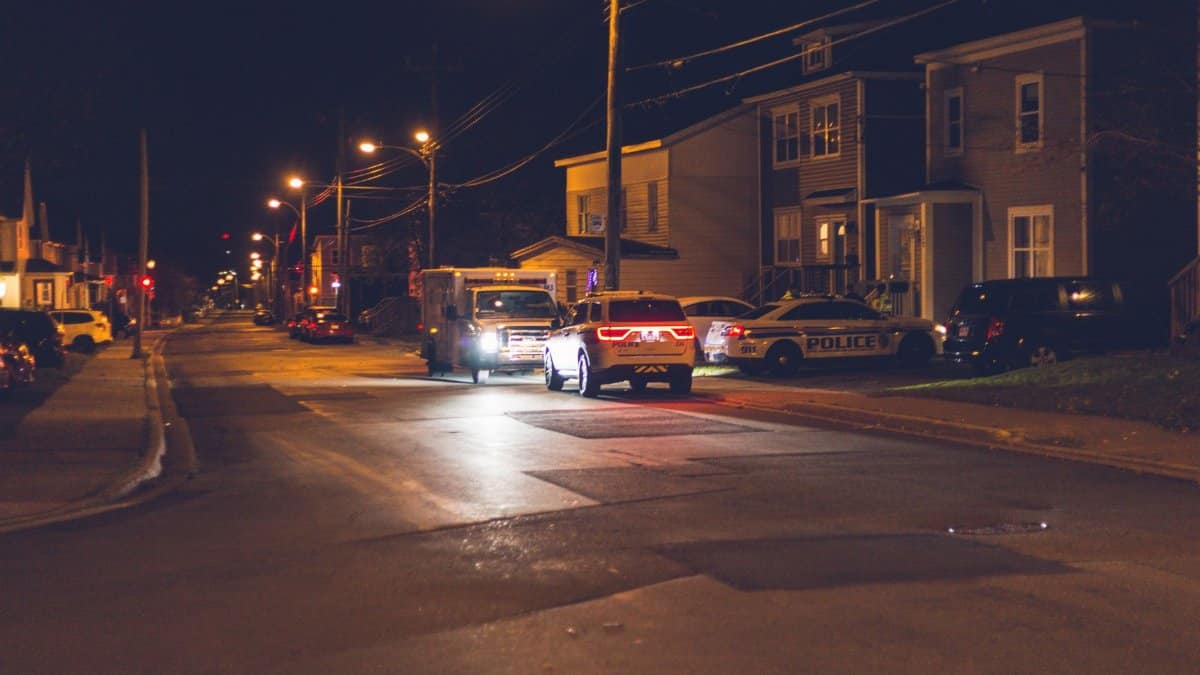
Aurora’s police department is not a small town force, but it is also not the FBI. Suburban departments handle domestic calls, retail theft, and traffic deaths in the same shift that might produce a tip about a weapon near a temple. Mutual aid with neighboring towns and with state police is routine. What is less routine is a civil rights theory that must be preserved from the first interview, before a suspect’s words are minimized as ranting.
Training matters here more than new laws. Officers who know how to document slurs, symbols, and target selection give prosecutors a file that can survive cross examination. Officers who treat motive as color commentary leave a gap that no later press conference can fill.
Security that does not hollow out worship

Congregations across faiths have spent the past decade buying cameras, hardening doors, and running drills. Federal grant programs exist for that work, though the paperwork favors institutions that already have staff. A temple board made of volunteers can lose months to forms while the fear is immediate.
The better security conversations are specific and boring. Who controls the parking lot at festival peak. Which door is the only public entrance after dark. How a greeter signals for help without turning the lobby into a checkpoint. Those choices protect people. They also protect the idea that a sacred space is not a bunker. The Aurora Hindu temple plot will tempt some voices to argue for sealed compounds. Most worshippers will want something quieter: a door that still opens, and a city that treats an attack on that door as an attack on the public.
What a serious federal review would examine

A credible FBI look would not begin with a press release. It would compare local evidence with federal statutes, review digital trails if any exist, and decide whether the civil rights division or a terrorism squad is the right desk. It would also say, in plain language, if the case should stay with county prosecutors. Declination is not an insult if it is explained. Silence is.
Krishnamoorthi has put that choice on the record. The bureau’s answer, whatever it is, will teach Aurora’s Hindu community how the federal government hears a near tragedy. It will also teach other congregations whether a jammed rifle and a named faith are enough to earn more than a local incident number.
The measure of the next weeks

The next test is procedural, not rhetorical. Court dates, if charges proceed, should be public. Motive evidence should be described with care. Elected officials should resist the urge to narrate a verdict from a podium. Reporters should distinguish what police assert from what a judge has found.
Until then, the Aurora Hindu temple plot remains a demand as much as a story. A congressman has asked the FBI to treat an alleged attack on a Hindu temple as a possible hate crime after authorities said a jammed rifle stopped it. The congregation is left with gratitude for a malfunction and with a reasonable question about the country that required one. The answer will not come from a headline. It will come from evidence, jurisdiction, and whether institutions built to protect civil rights are willing to use them when the sanctuary is in a suburb rather than on a national broadcast.