

In recent years universities across the country have sought fresh ways to connect with prospective students amid shifting demographics and heightened competition. The University of Minnesota stands out with its ambitious effort. This U of M marketing campaign represents a bold step forward aiming to reshape perceptions on a national scale through a five year fifteen million dollar investment and a new slogan focused on possibility and exploration.
Roots of a Renewed Institutional Identity

The decision to refresh outreach efforts stems from a desire to move beyond older taglines that no longer captured the breadth of opportunities available. Leaders examined feedback from alumni and current students to craft messaging that emphasizes personal discovery rather than narrow career paths. This approach draws on research showing that younger generations value flexibility and broad experiences when choosing where to study.
Scope and Scale of the National Push

Planners intend to place advertisements across major television networks digital platforms and print outlets with a reach extending far beyond traditional Midwest markets. The budget allocation covers creative development media buys and partnerships with agencies experienced in higher education promotion. Early testing suggests the visuals and narratives resonate particularly well with parents guiding their children through college selection.
Core Message and Its Broader Appeal

At the heart of the effort lies the phrase try everything become anything which invites viewers to imagine an education without rigid boundaries. Officials believe this framing aligns with evolving workforce demands where adaptability often proves more valuable than specialized training alone. The language also nods to the institutions long standing commitment to interdisciplinary programs and hands on learning.
Partnerships Driving Creative Execution

Collaboration with external firms allowed for polished production values and data informed targeting strategies. These teams analyzed enrollment trends and geographic patterns to determine optimal placement of materials. Internal staff coordinated closely to ensure every element reflected authentic campus experiences rather than generic stock imagery.
Reactions from Campus Communities
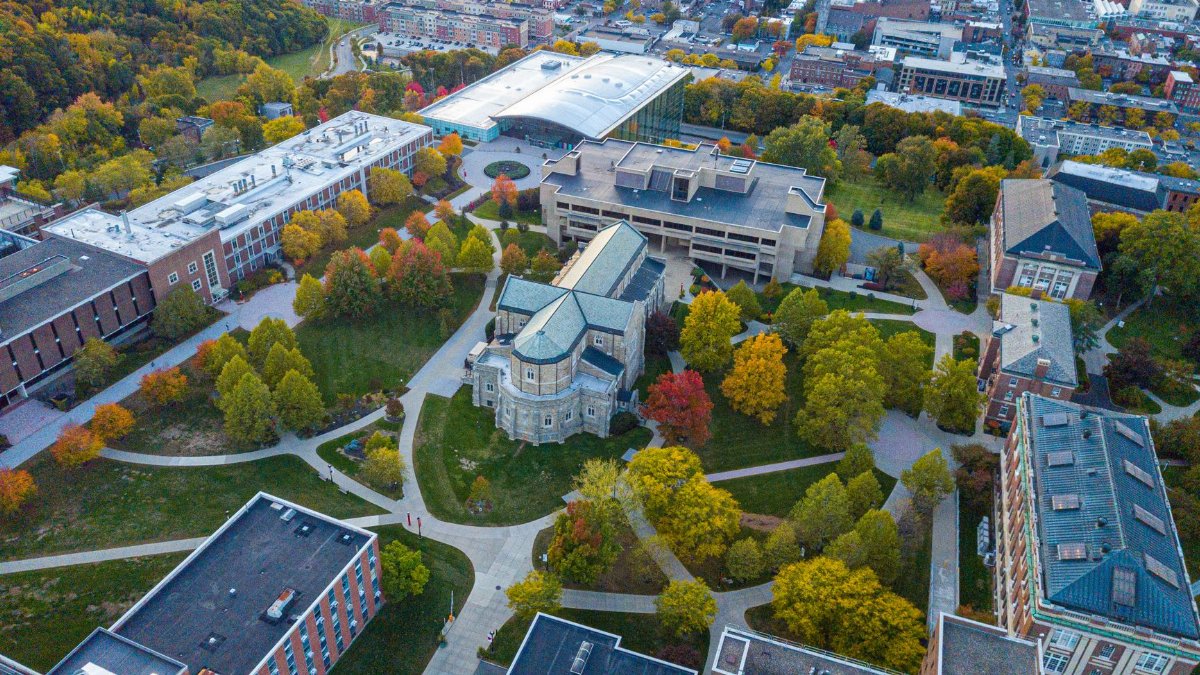
Faculty members have expressed cautious optimism noting that the emphasis on exploration could attract a wider pool of applicants. Student leaders appreciate the focus on individual growth though some worry about maintaining the universitys regional character amid national expansion. Town hall sessions provided forums for voicing both support and concerns about resource allocation.
Measuring Impact Over the Coming Years

Evaluation frameworks include tracking application numbers website traffic and brand sentiment surveys conducted at regular intervals. Success metrics extend beyond enrollment figures to encompass perceptions of institutional prestige and alumni engagement levels. Adjustments to messaging are expected based on ongoing performance data collected throughout the rollout.
Context Within National Higher Education Trends
Many peer institutions have pursued similar large scale promotions in response to declining birth rates and increased scrutiny over tuition costs. The U of M marketing campaign distinguishes itself through its emphasis on open ended possibility rather than specific rankings or facilities. Observers note parallels to campaigns at other public research universities seeking to balance accessibility with excellence.
Looking Ahead to Long Term Outcomes

Administrators view the initiative as an investment in future resilience for the university system. By casting a wider net they hope to sustain enrollment diversity and academic vitality for decades. Continued refinement of the approach will depend on feedback from the very audiences the materials aim to reach.