
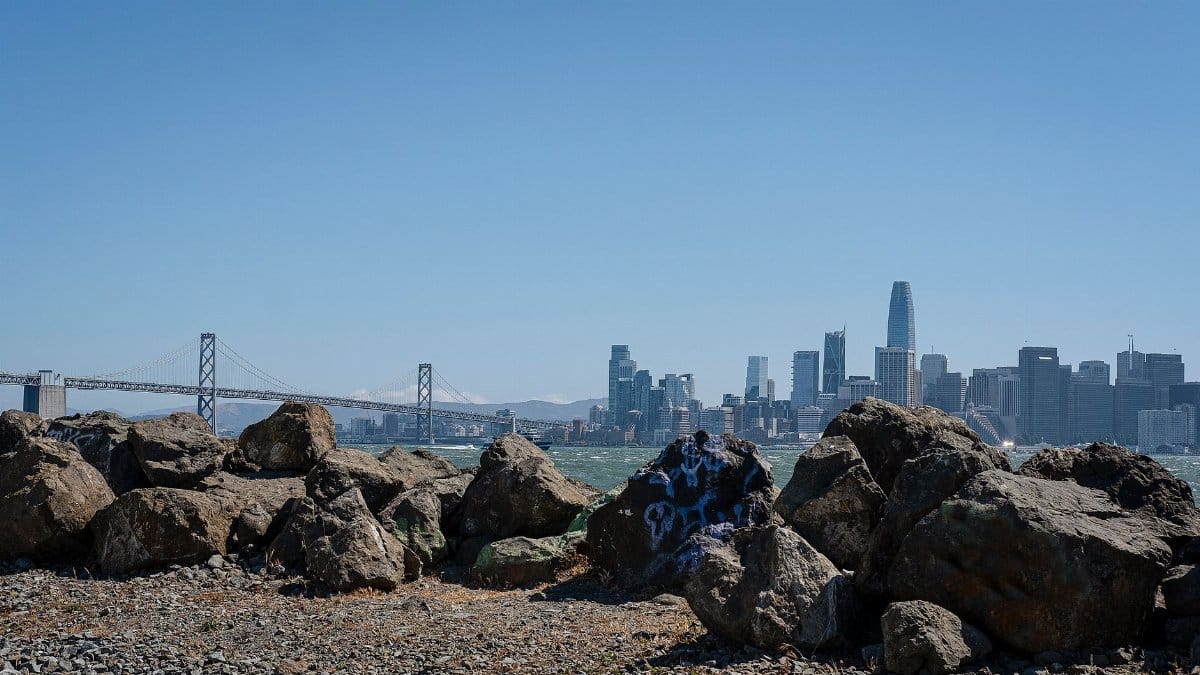
Residents across the city are preparing for temperatures that could climb higher than anything seen locally in recent seasons. With skies clearing and inland air moving in, conditions point to a notable San Francisco heat wave taking shape by midweek. Forecasters expect readings in the nineties in many neighborhoods, a shift from the usual mild climate that draws so many to the area. This change arrives at a moment when daily life already balances between indoor routines and time spent in parks or along the waterfront. Older adults in particular may find the shift challenging as they manage health and comfort without relying on heavy air conditioning systems common elsewhere. The event also invites reflection on how such weather influences community rhythms and personal practices that sustain well being.
Local Forecasts and Expected Conditions
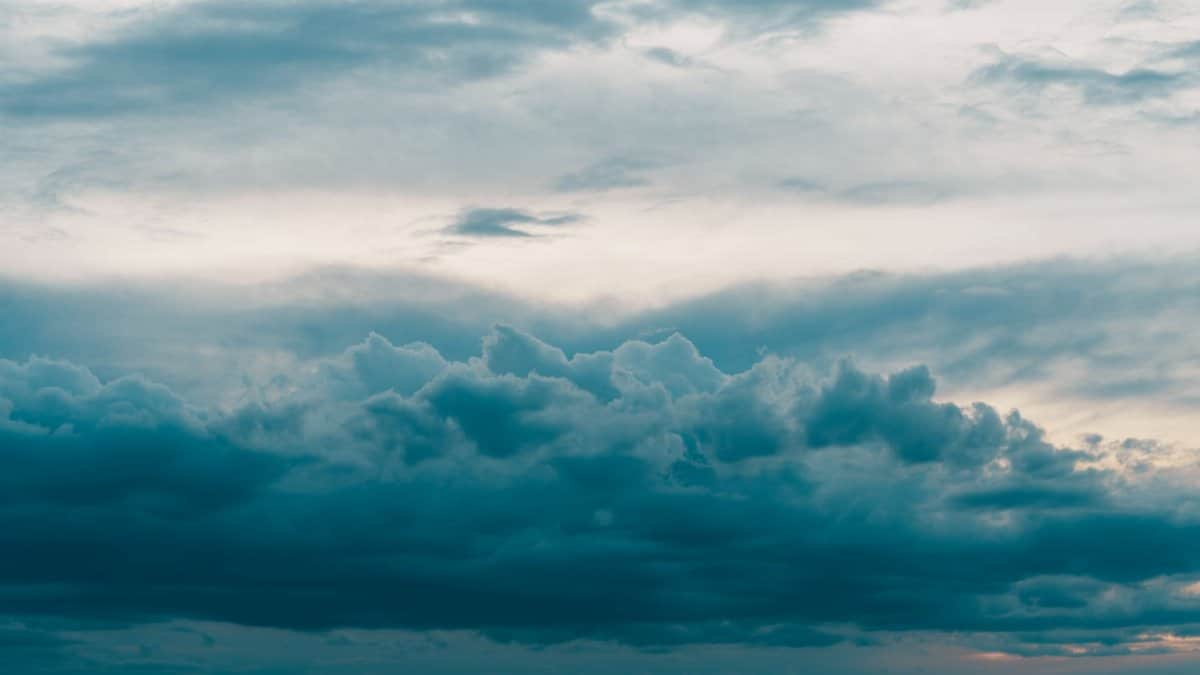
Meteorologists tracking the Pacific patterns describe a ridge of high pressure building over the region. This setup allows warmer air from the interior valleys to reach the coast without the usual marine layer holding temperatures down. Wednesday stands out as the peak day with many areas likely reaching the low nineties. Such readings would mark the highest since late last year and represent a clear departure from average October norms. Residents who follow these updates closely note that the timing coincides with lighter winds that normally bring cooling fog. Instead clear skies are expected to dominate allowing sunlight to raise surface temperatures steadily through the afternoon hours.
Effects on Neighborhood Parks and Public Spaces
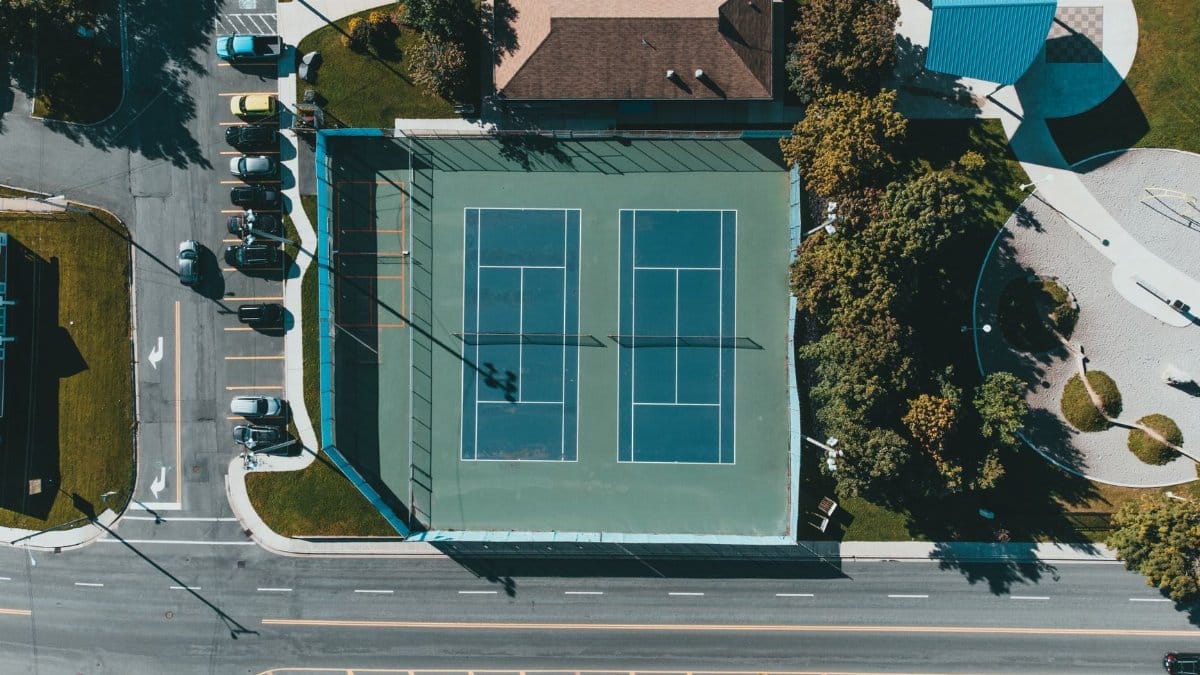
Golden Gate Park and other green areas may see increased foot traffic as people seek shade under trees or near ponds. Staff at recreation centers report plans to extend hours for indoor activities where possible. Families with children often adjust outdoor play to early morning or evening slots to avoid peak heat. The change highlights how public spaces serve as vital extensions of homes during unusual weather. Volunteers who maintain community gardens mention extra watering needs for plants accustomed to cooler days. These adjustments reflect a broader awareness that shared outdoor environments require flexible management when temperatures rise beyond typical ranges.
Considerations for Older Residents and Health

Health clinics in the city receive questions from patients concerned about staying comfortable without overtaxing cooling systems. Doctors emphasize hydration and light clothing while avoiding prolonged exposure during afternoon hours. Many seniors living in older buildings without modern ventilation rely on cross breezes and fans. Community centers offer additional drop in hours where people can rest in air conditioned rooms if needed. Such measures underscore the importance of neighborhood networks that check on isolated individuals during periods of elevated warmth. Local agencies distribute information on recognizing early signs of heat related discomfort to support proactive care.
Influence on Spiritual and Mindfulness Practices

Meditation groups that meet outdoors or in studios with large windows may shift schedules to cooler parts of the day. Practitioners describe how warmer conditions alter focus during sitting sessions prompting shorter guided segments or indoor alternatives. Some centers incorporate themes of adaptability into teachings drawing parallels between weather shifts and inner resilience. Evening walks along the coast sometimes replace morning routines when fog returns to provide relief. These adaptations show how spiritual communities integrate environmental changes into their ongoing commitments to presence and care.
Changes in Local Dining and Market Activity
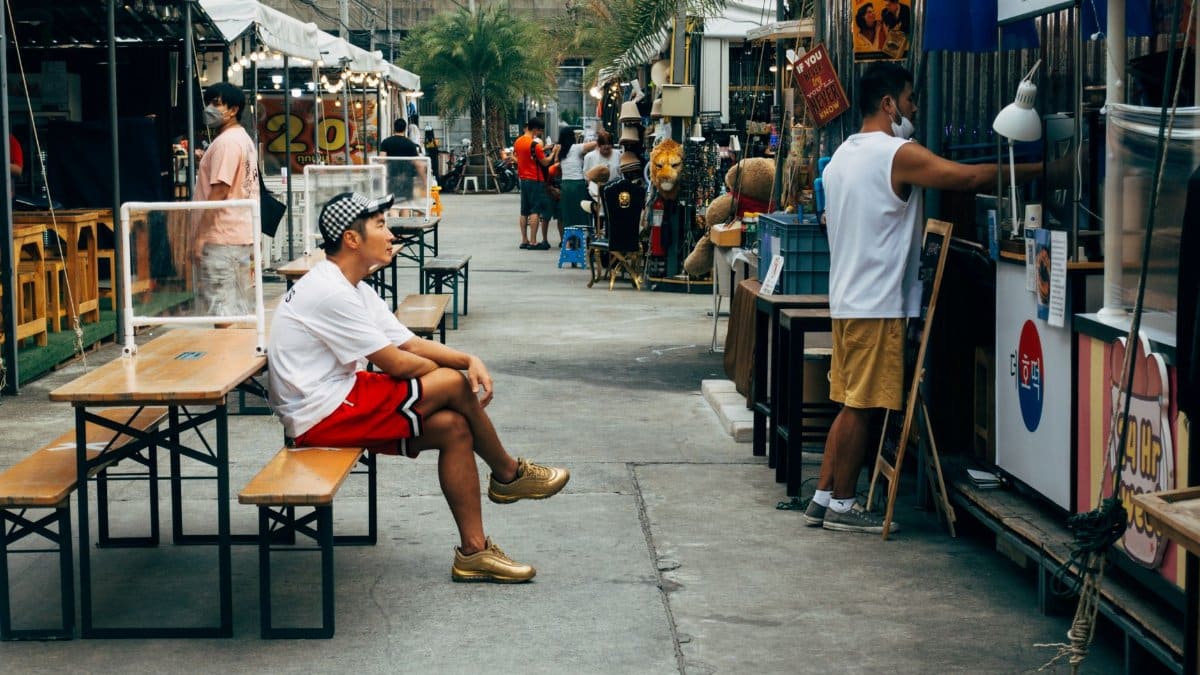
Outdoor cafes and farmers markets adjust seating and vendor hours to accommodate comfort. Merchants note stronger interest in chilled beverages and lighter produce during the warmer stretch. Restaurants with patios consider additional shade structures or indoor promotions to maintain steady customer flow. Shoppers at weekend markets arrive earlier to select goods before peak sun exposure. These patterns illustrate the quick responses of small businesses to shifts that affect both staff and patrons in equal measure.
Transportation and Commute Adjustments
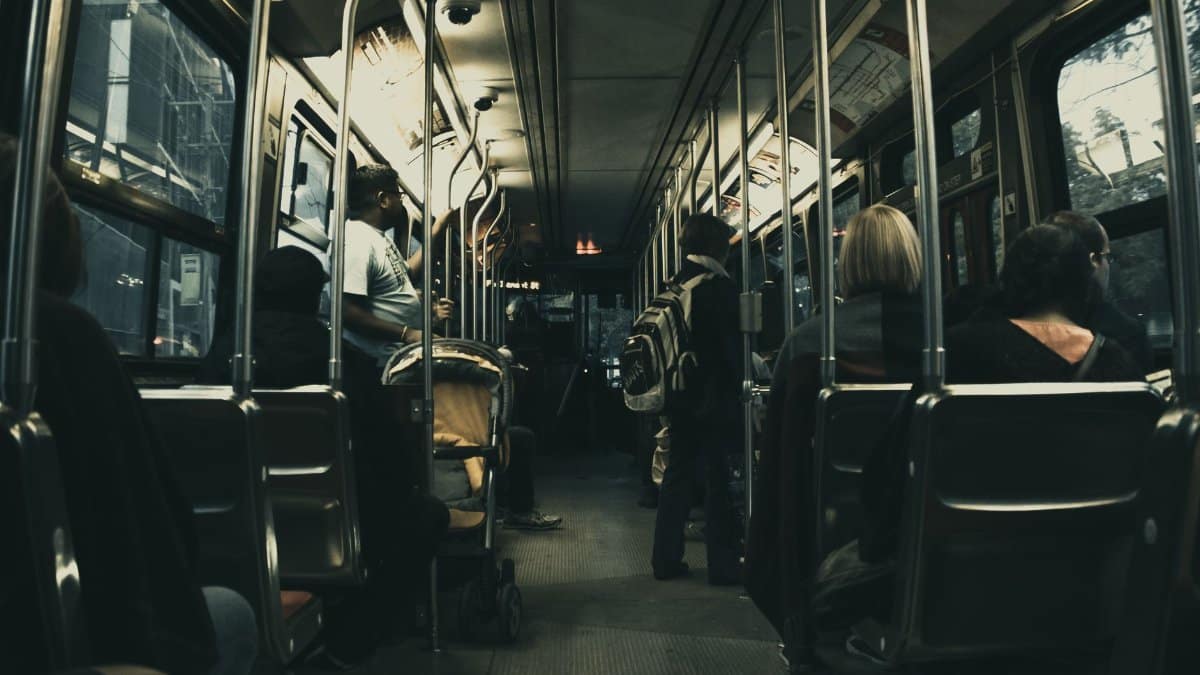
Municipal transit agencies monitor vehicle temperatures and remind riders to carry water on longer trips. Bike commuters sometimes choose routes with more tree cover or plan rides for early morning. Parking garages in downtown areas see steady use as people opt for enclosed spaces during the hottest intervals. The overall effect remains modest yet noticeable in daily movement patterns across the peninsula. Officials encourage awareness of personal limits when combining travel with physical activity under elevated conditions.
Broader Reflections on Urban Climate Resilience
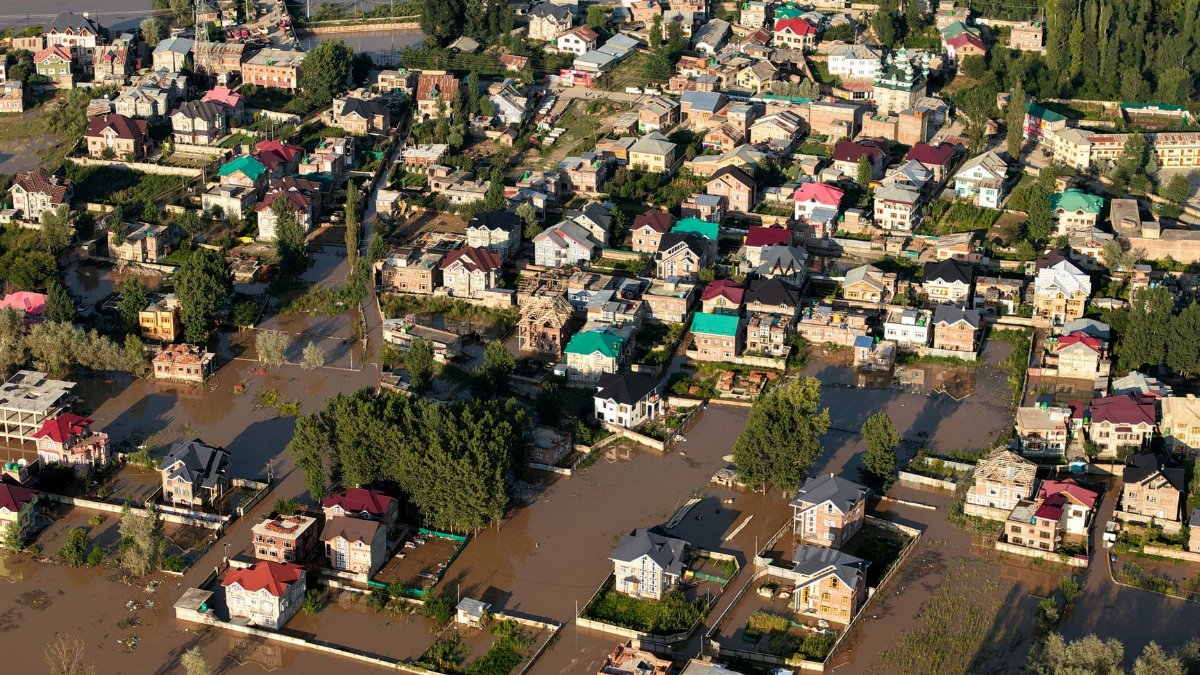
City planners review data from past warm periods to inform future infrastructure decisions. Investments in tree canopy and reflective surfaces gain attention as practical steps toward comfort. Discussions in community forums touch on balancing growth with environmental considerations that affect daily experience. The current San Francisco heat wave serves as a reminder that even temperate cities encounter variability requiring thoughtful preparation. Such events encourage ongoing dialogue about shared responsibility for livable spaces across diverse neighborhoods.
Looking Ahead After the Warm Period

Once the high pressure system moves on cooler marine air is forecast to return bringing typical fog and milder readings. Residents often welcome the return to familiar conditions after a few days of adjustment. The episode leaves behind conversations about preparedness and mutual support that extend beyond weather alone. Community organizations compile notes on effective responses to share for future reference. In this way the San Francisco heat wave contributes to a larger understanding of how the city adapts while maintaining its distinctive character.