

A recent proposal from the Environmental Protection Agency has drawn attention from state officials and local communities worried about transparency in environmental decisions. The plan would eliminate a longstanding federal requirement that states invite public comment before issuing air pollution permits for major projects. Observers note this change could affect how information reaches residents near planned facilities. The issue has surfaced amid growing interest in EPA data center permits, which cover emissions from the power hungry buildings that support cloud computing and artificial intelligence operations.
Details of the Regulatory Change

The Environmental Protection Agency has suggested removing a rule that forces states to publish notices and accept comments on certain permit applications. Supporters of the change argue it would speed up approvals for needed infrastructure. Critics counter that the move reduces opportunities for residents to raise concerns about local air quality. The proposal appears in a notice published earlier this year and remains open for feedback from interested parties.
Rise in Data Center Construction

Across the United States, companies continue to build large data centers to handle increasing digital traffic. These facilities often require substantial electricity, which in turn can lead to emissions from backup generators or nearby power plants. Several states have seen clusters of such projects proposed in rural or suburban areas where land costs remain lower. EPA data center permits play a central role in regulating the air impacts tied to these developments.
Public Comment Process Under Scrutiny

For decades, federal guidelines have directed states to give communities a chance to review and respond to permit requests. This step allows neighbors to submit data on health risks or request additional pollution controls. The current proposal would drop that obligation in many cases. Environmental groups have expressed concern that the absence of required notices could leave residents unaware until construction begins.
State Reactions to the Proposal

Officials in several states have begun reviewing how the change might alter their own permitting routines. Some environmental agencies say they plan to keep public notice procedures in place regardless. Others see an opening to trim administrative steps and reduce delays. Discussions at recent meetings of state regulators have focused on balancing speed with accountability.
Air Quality Impacts Near Proposed Sites
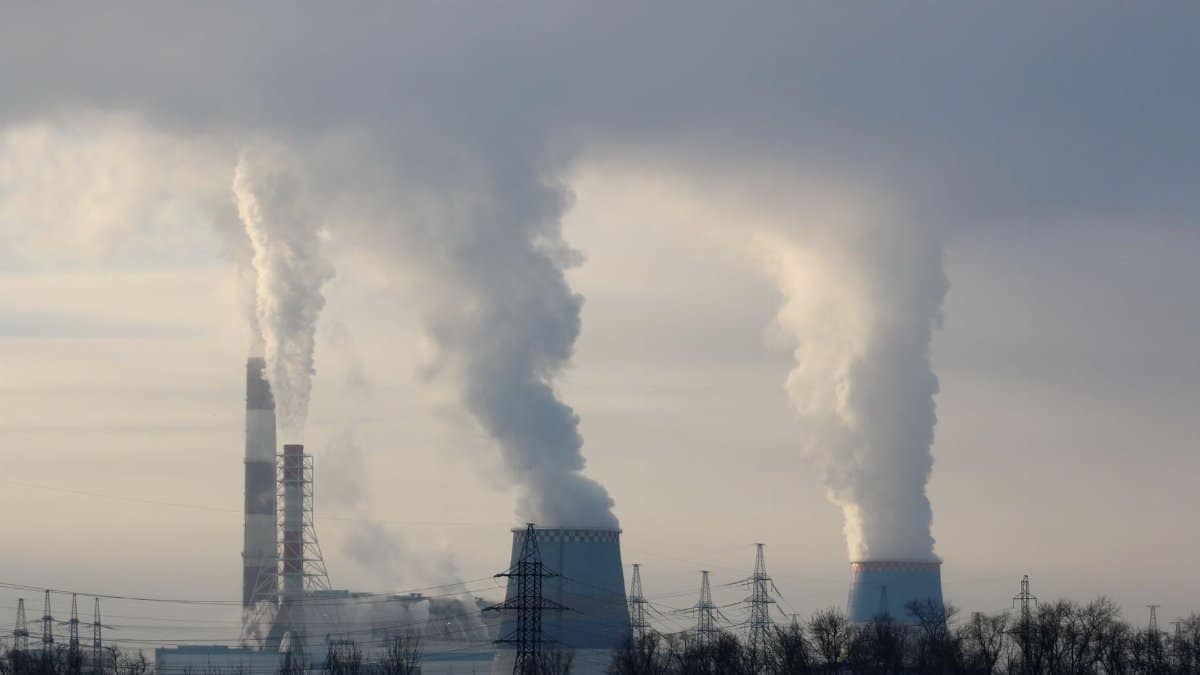
Data centers can contribute to local pollution through diesel generators used during power outages. Fine particles and nitrogen oxides from these machines have been linked to respiratory problems in nearby populations. Without routine public review, communities might miss chances to ask for cleaner backup systems or stricter operating limits. Studies from university researchers have documented elevated emissions in areas with multiple facilities.
Industry Perspective on Permit Delays

Technology firms and utility providers maintain that lengthy comment periods can postpone projects by months or years. They point to rising demand for computing capacity driven by remote work and online services. Faster approvals, they argue, would support economic growth and job creation in construction and operations. Trade associations have submitted letters supporting the Environmental Protection Agency effort.
Environmental Justice Considerations

Advocates for low income and minority neighborhoods worry the proposal could limit input from areas already burdened by industrial pollution. Many data center proposals target regions with cheaper electricity and available land, which sometimes overlap with historically disadvantaged communities. The loss of mandatory notice requirements might widen gaps in access to decision making processes.
Historical Context of Similar Rules

The public comment obligation dates back to earlier clean air legislation aimed at increasing government openness. Past administrations have adjusted the details but kept the core principle intact. The current suggestion marks a notable departure from that approach. Legal experts have begun examining whether the change could face court challenges from environmental organizations.
Potential Outcomes for Future Projects

If finalized, the rule change could influence dozens of pending applications across the country. States that retain their own notice rules might see little immediate difference. Areas that rely strictly on federal minimums could experience reduced visibility into new permits. Monitoring groups have started tracking how many states adopt or resist the shift.
Next Steps in the Rulemaking Process

The Environmental Protection Agency must review all submitted comments before issuing a final version. Hearings scheduled in coming months will give additional voices a platform. Lawmakers in Congress have also signaled interest in examining the proposal through oversight hearings. The outcome will shape how EPA data center permits and other industrial approvals move forward in the years ahead.