
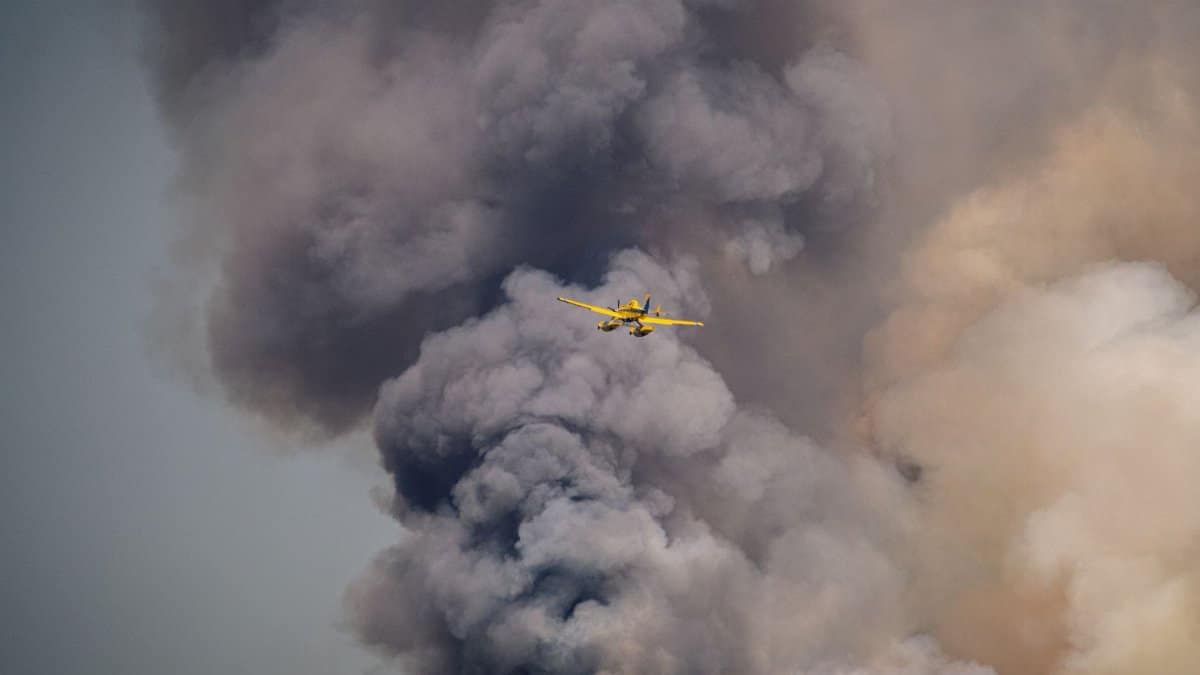
Thick haze from remote blazes has started to settle across the Pacific Northwest turning clear summer skies into a dull veil that obscures views of mountains and water. Residents wake to an odd orange glow at dawn while forecasts warn of worsening conditions that could linger. In this setting Seattle air quality becomes a daily concern for families planning outdoor time and for those with breathing sensitivities who must adjust routines. The situation draws attention to how environmental shifts far away can reach urban centers with surprising speed.
Origins of the Lingering Smoke
Fires burning in distant forests send plumes eastward carried by steady winds that sweep across Washington state. These events often build over weeks as dry conditions allow flames to spread. Meteorologists track the movement noting how upper level air patterns hold the smoke in place rather than dispersing it quickly. Such patterns have appeared more often in recent summers creating repeated episodes of reduced visibility and altered air.
Daily Effects on City Residents
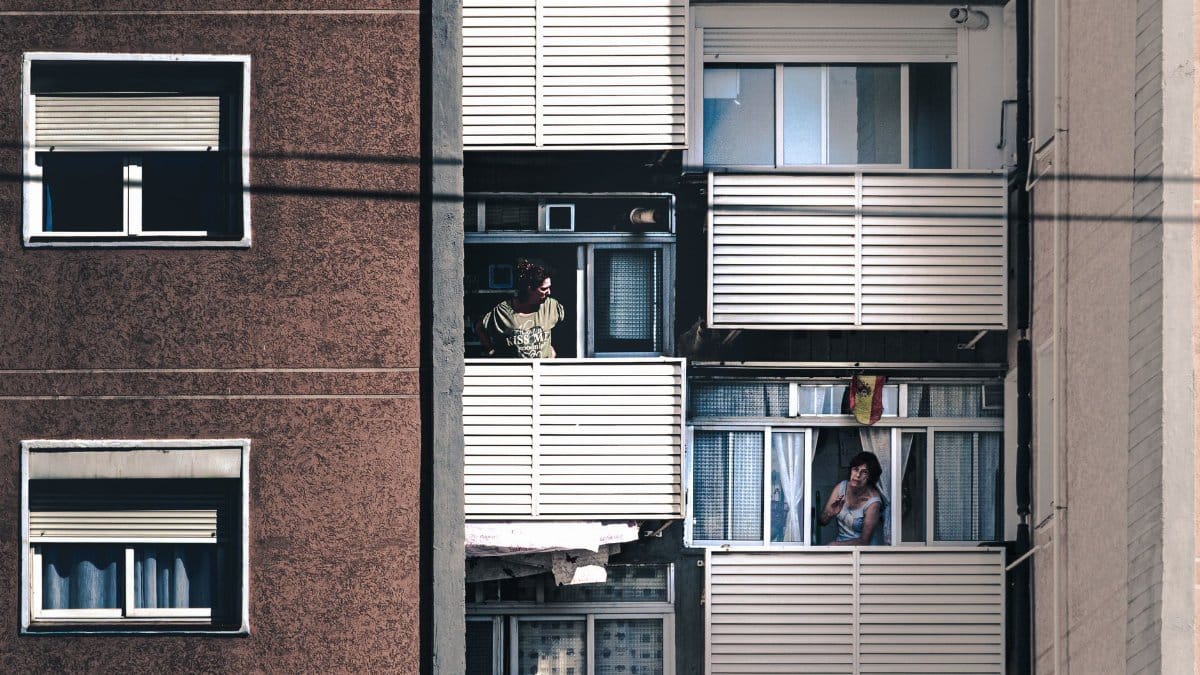
People in Seattle notice the change first through irritated eyes and scratchy throats during morning commutes. Children at playgrounds tire faster while athletes shorten practice sessions to avoid strain. Many shift to indoor activities choosing museums or malls over parks. Local businesses see shifts too as outdoor dining areas empty earlier in the evening.
Health Considerations for Vulnerable Groups
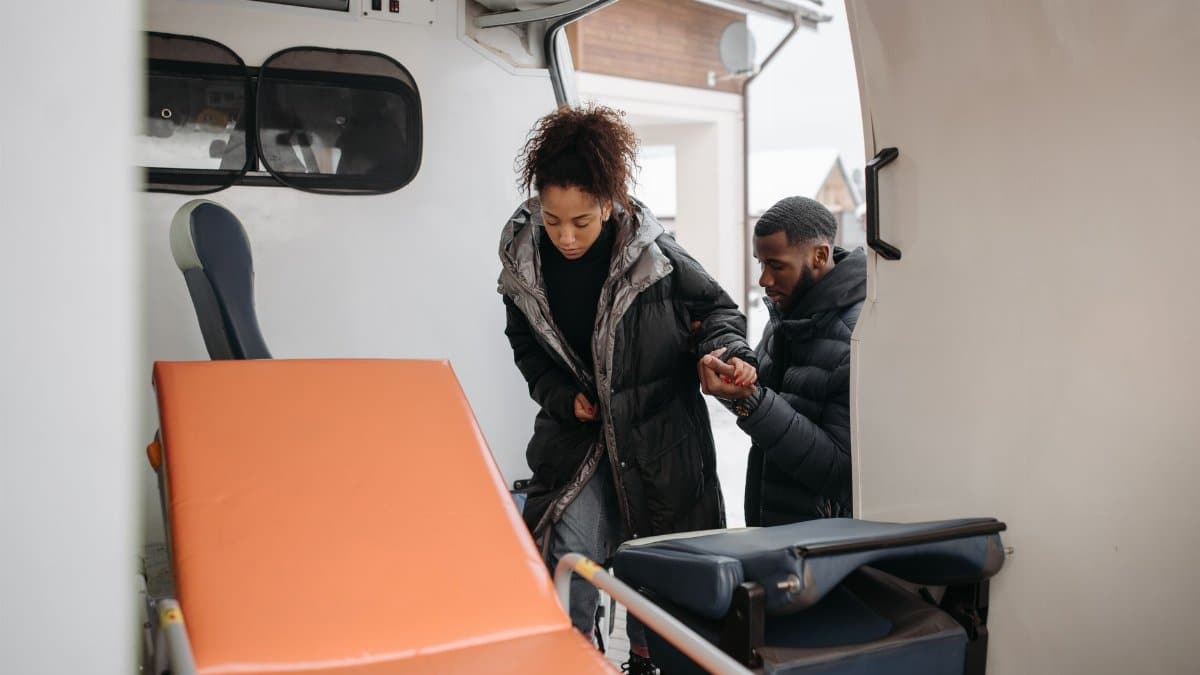
Those with asthma or heart conditions receive special alerts urging them to limit time outside. Doctors advise keeping windows closed and using air filters at home. Schools may cancel recess or sports events to protect students. Public health messages stress watching for symptoms like shortness of breath that might require medical attention.
Comparison With Past Episodes
Similar smoke events occurred in prior years yet the current stretch stands out for its expected duration. Past occurrences lasted a few days before winds cleared the air. This time models suggest several days of buildup starting around August 4 2026 with little relief in sight. The pattern prompts questions about how often such conditions might return.
Broader Environmental Context
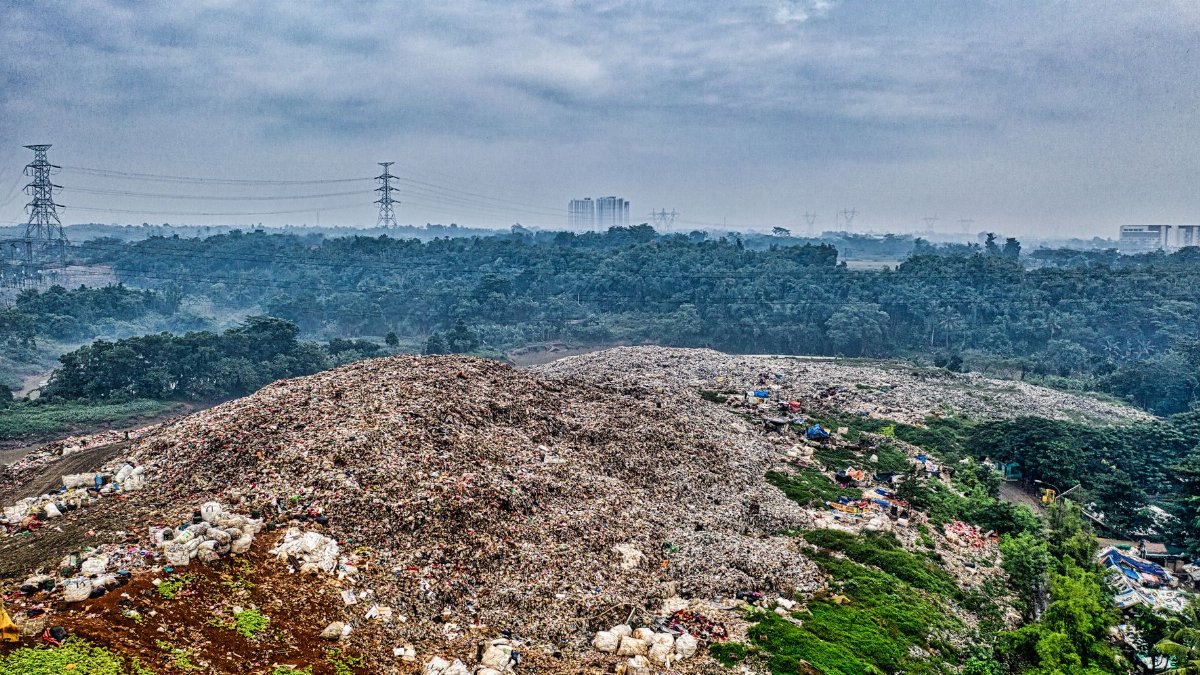
Wildfire activity ties into larger climate trends that bring hotter drier summers to western regions. Forests that once held moisture now burn more readily allowing smoke to travel hundreds of miles. Observers note changes in snowpack and rainfall that influence fire risk each season. These factors combine to affect regions well beyond the burn zones themselves.
Steps Individuals Can Take
Checking daily reports helps residents decide when to wear masks or stay indoors. Simple measures like sealing drafts around doors reduce smoke entry into homes. Community centers often open as clean air spaces for those without adequate filtration at home. Planning errands for early morning hours when levels tend to dip offers another practical option.
Looking Ahead to Future Seasons

Preparedness efforts now include better warning systems and public education campaigns. Cities invest in air quality sensors that provide real time updates across neighborhoods. Discussions continue on land management practices that might reduce fire intensity in coming years. Awareness of these issues grows as more people experience the effects firsthand.