
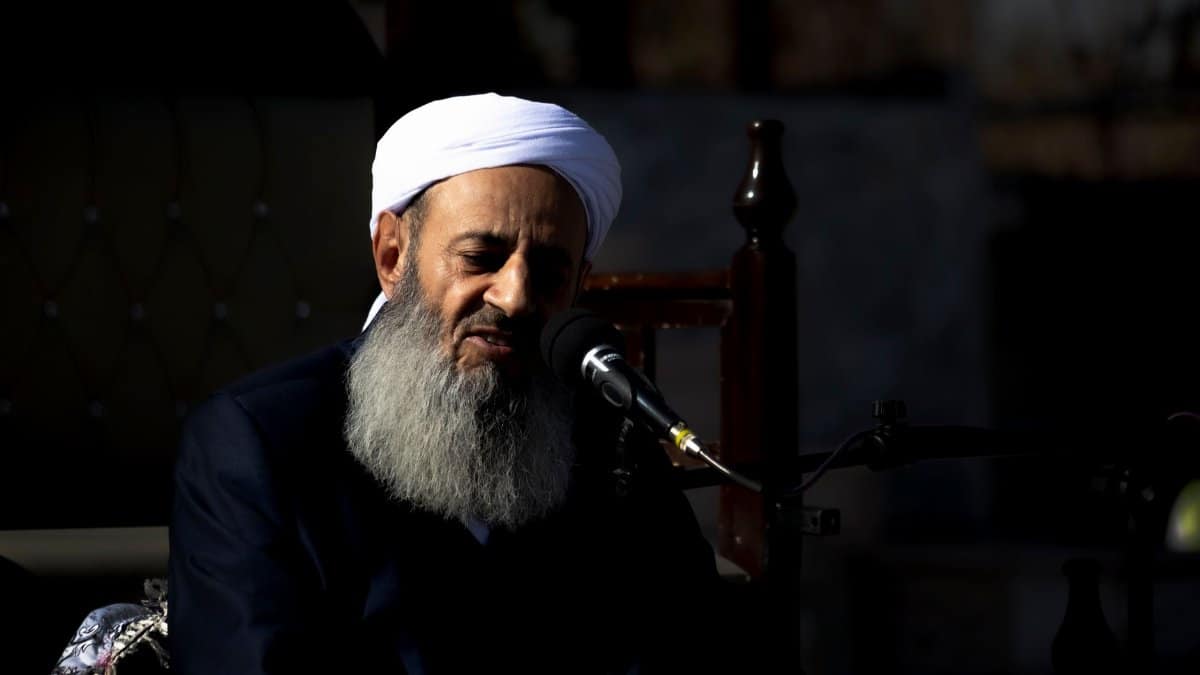
The escalating exchanges between Washington and Tehran have drawn renewed attention to Trump Iran threats at a moment when diplomacy appears stretched to its limit. International envoys are working behind the scenes to keep an aging nuclear accord from complete collapse even as both sides issue increasingly stark warnings. Observers note that such rhetoric risks pushing the region closer to confrontation while ordinary citizens on both sides wonder what comes next. The situation carries echoes of past standoffs yet unfolds against a backdrop of shifting alliances and internal pressures in multiple capitals. Mediators from Europe and Asia have urged restraint but acknowledge that trust has eroded sharply since the original agreement was signed years ago.
Roots of the Current Standoff

The friction traces back to decisions made during the prior decade when the United States withdrew from the nuclear framework. Iranian officials responded by expanding uranium enrichment activities which in turn prompted fresh sanctions and public rebukes from American leaders. Over time these moves hardened positions on each side leaving little room for quiet compromise.
Role of the Supreme Leader
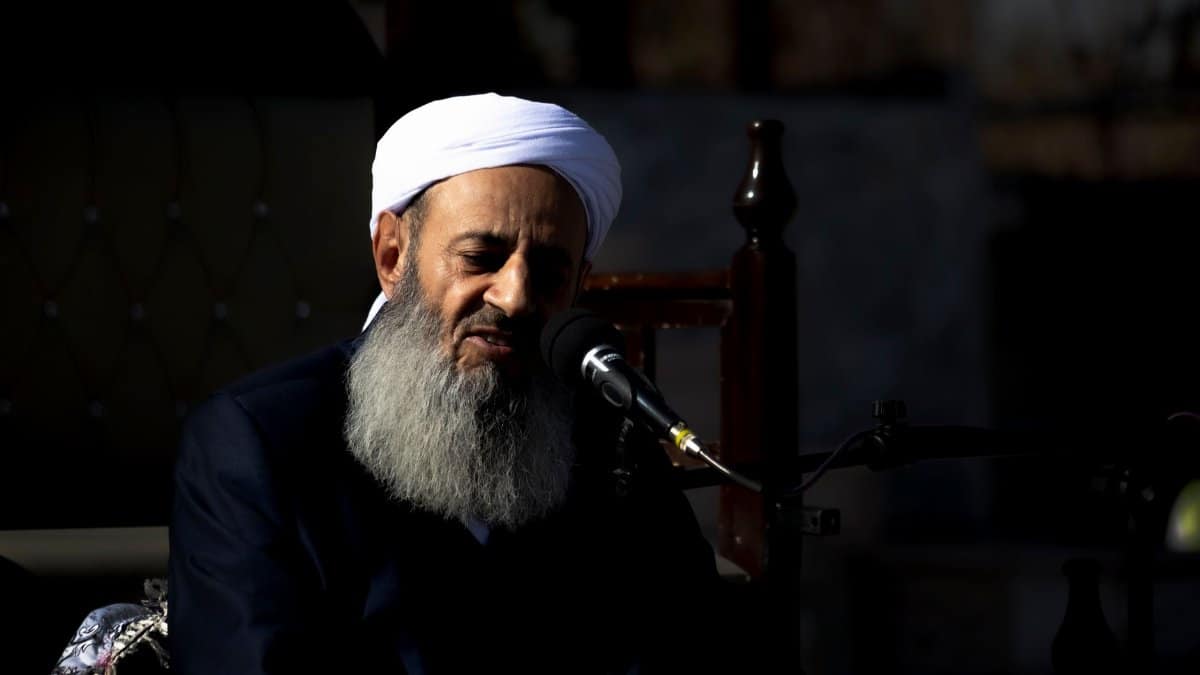
Iran supreme leader Ayatollah Ali Khamenei has maintained a consistent line of defiance toward external pressure. His public statements frame the conflict as a test of national sovereignty rather than a narrow technical dispute over enrichment levels. This posture resonates with domestic audiences who view foreign demands as attempts to weaken the country from within.
Washington Perspective on Security
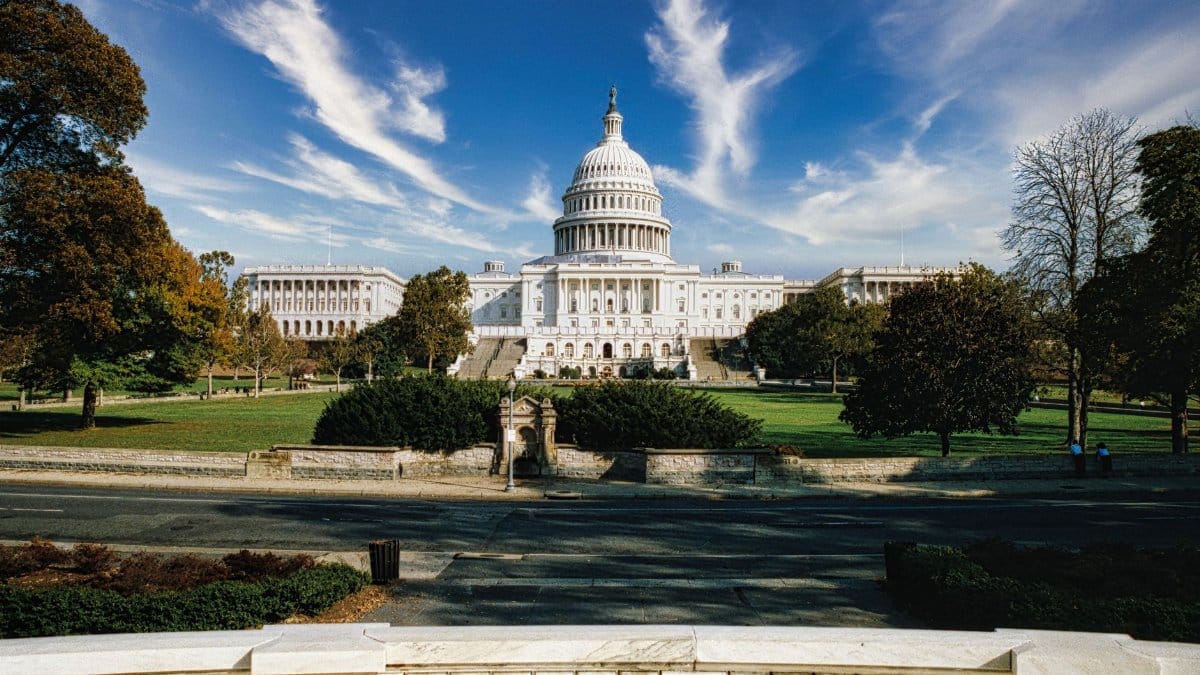
American policymakers argue that unchecked nuclear progress by Iran would destabilize the entire Middle East. They point to missile tests and regional proxy activities as evidence that Tehran seeks broader influence beyond its borders. Supporters of a firm approach insist that only sustained economic pressure can alter the calculation in the Iranian capital.
Efforts by International Mediators

European diplomats along with representatives from China and Russia have floated incremental proposals to revive elements of the original deal. These include limited sanctions relief in exchange for verified caps on enrichment. Progress remains slow because each side suspects the other of negotiating in bad faith while domestic politics constrain flexibility.
Impact on Regional Allies
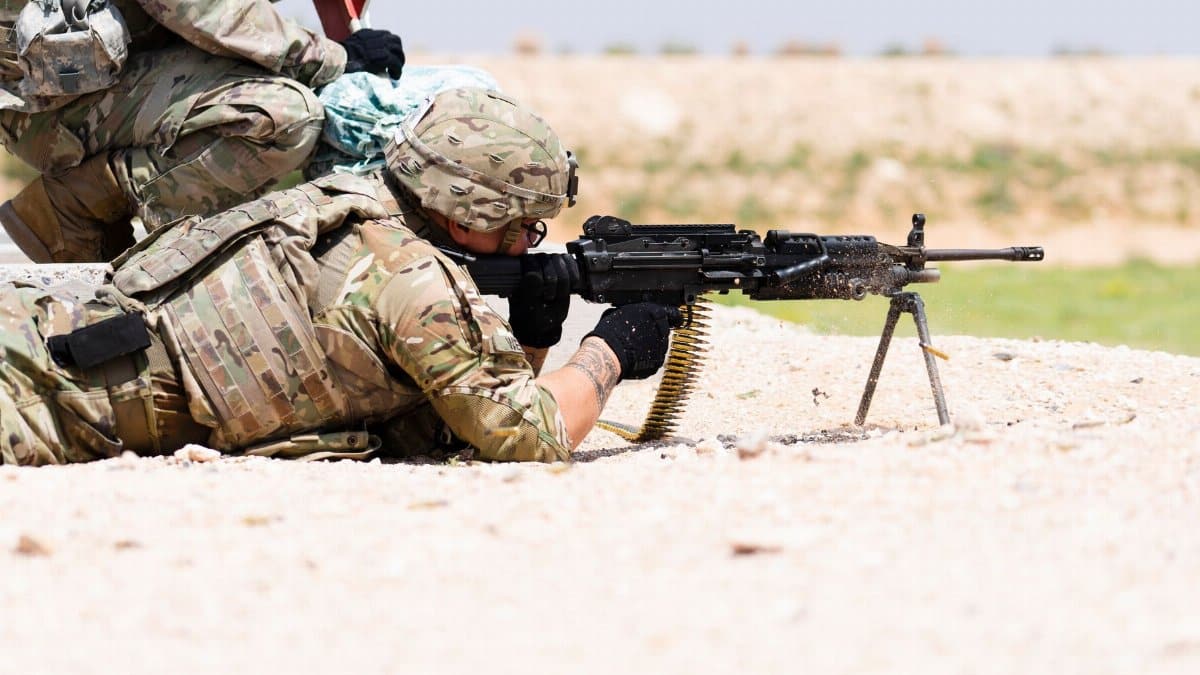
Neighbors such as Saudi Arabia and Israel watch the developments closely and have voiced concerns that any perceived weakness could embolden Iranian backed groups. At the same time Gulf states have quietly expanded their own defense ties with Washington hoping to offset future uncertainties.
Economic Pressures on Tehran
Years of sanctions have strained Iranian finances leaving the government struggling to meet public expectations on jobs and services. Currency fluctuations and restricted access to global markets have fueled inflation that hits middle income households hardest. Officials in Tehran blame external forces for these hardships while critics inside the country call for internal reforms.
Public Sentiment Inside Iran
Many Iranians express fatigue with cycles of confrontation that bring little visible improvement in daily life. Younger residents in particular voice a desire for greater engagement with the wider world yet they also resent what they see as outside interference in sovereign affairs. State media portrays the leadership as resolute while private conversations reveal more varied opinions.
American Domestic Debate

Within the United States lawmakers remain divided over the best path forward. Some advocate renewed direct talks while others insist that any agreement must address ballistic missiles and regional behavior in addition to nuclear limits. Public opinion polls show concern about another costly entanglement abroad yet also support for preventing a nuclear armed Iran.
Potential Paths Ahead

Analysts outline several scenarios ranging from a patched together interim accord to further escalation if talks stall. Confidence building steps such as prisoner releases or limited trade gestures could create space for broader negotiations. Success would require both capitals to accept incremental gains rather than maximal demands.
Lessons From Past Negotiations
Previous rounds of diplomacy demonstrated that personal rapport between leaders can open doors that technical teams alone cannot. Yet they also showed how quickly reversals at the political level can undo years of painstaking work. Current envoys appear mindful of these patterns as they search for durable formulas.