
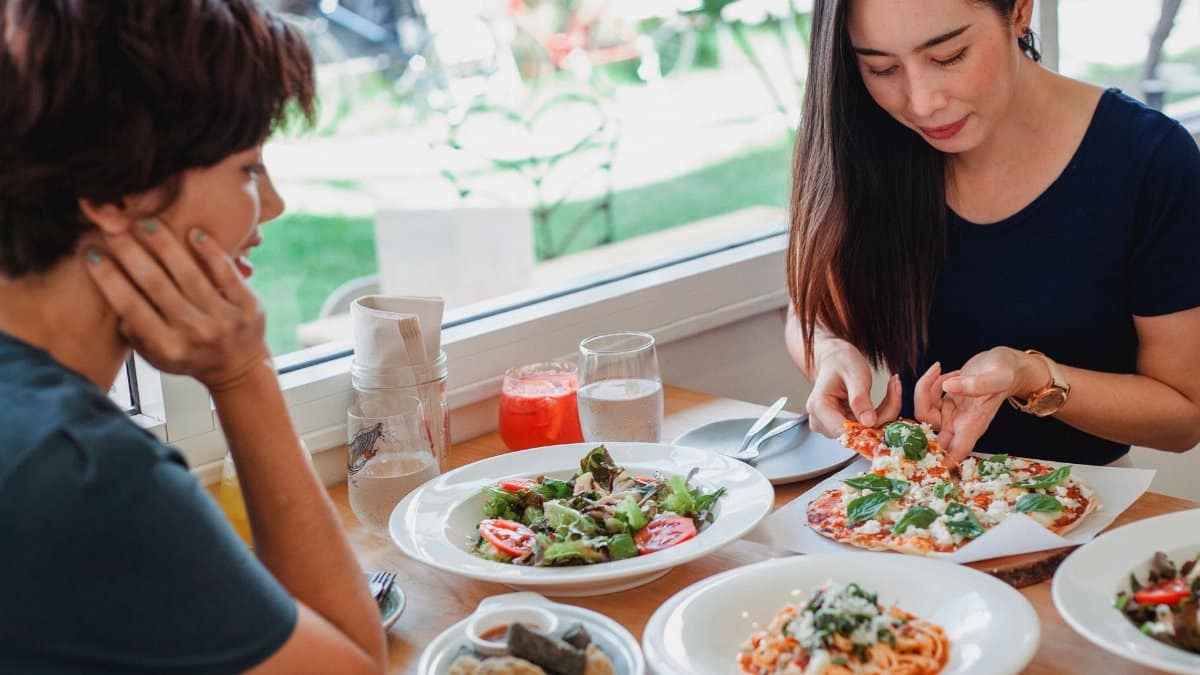
In the bustling suburbs north of Dallas, where growth often outpaces support systems, one initiative quietly transforms evenings into moments of connection and relief. Residents facing economic pressures find more than just sustenance at Community Garden Kitchen McKinney, where free meals arrive without judgment or complicated requirements. This approach sets the effort apart from typical food distribution models by placing personal respect at the center of every interaction.
Roots in Local Soil and Shared Values

The project began as a small gathering among neighbors concerned about rising food insecurity in Collin County. Organizers drew inspiration from community plots and urban agriculture trends, blending garden fresh ingredients with prepared dishes. Over time the model evolved into a consistent dinner service that welcomes all ages and backgrounds.
Volunteer Ranks Fuel Daily Operations
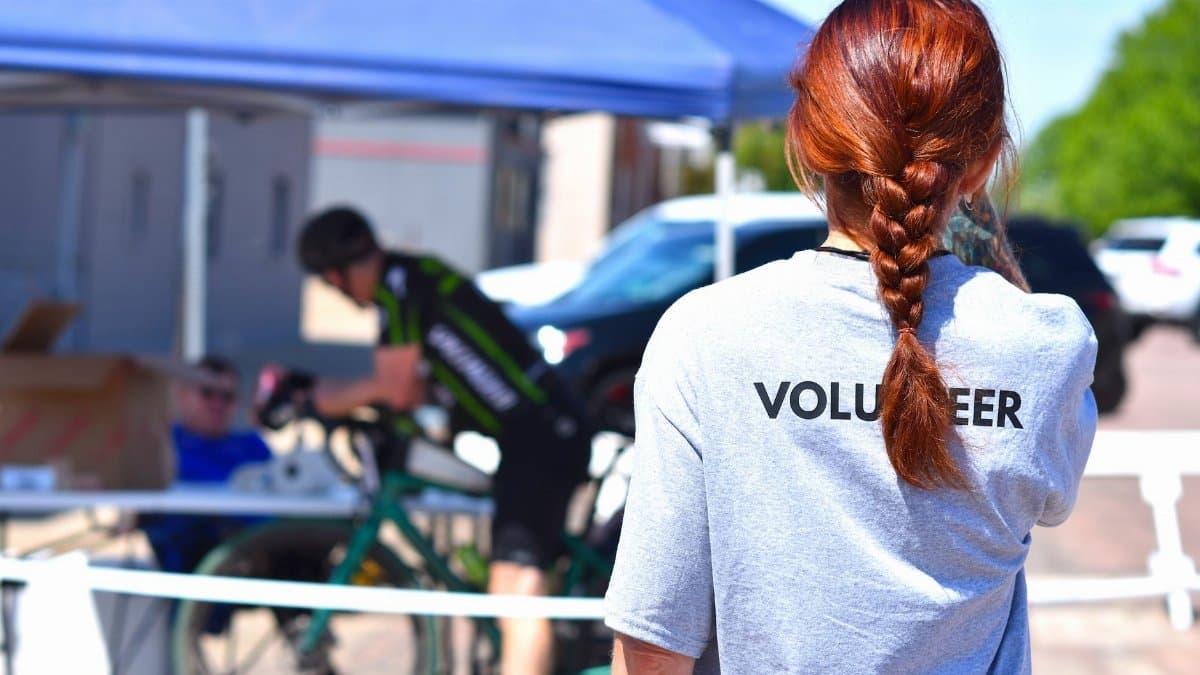
Hundreds of local participants cycle through shifts each week to handle cooking, serving and cleanup duties. Their contributions keep costs low while building a sense of collective purpose. Training sessions focus on hospitality skills so that every guest receives attentive care during visits.
Meals Designed Around Respect and Choice
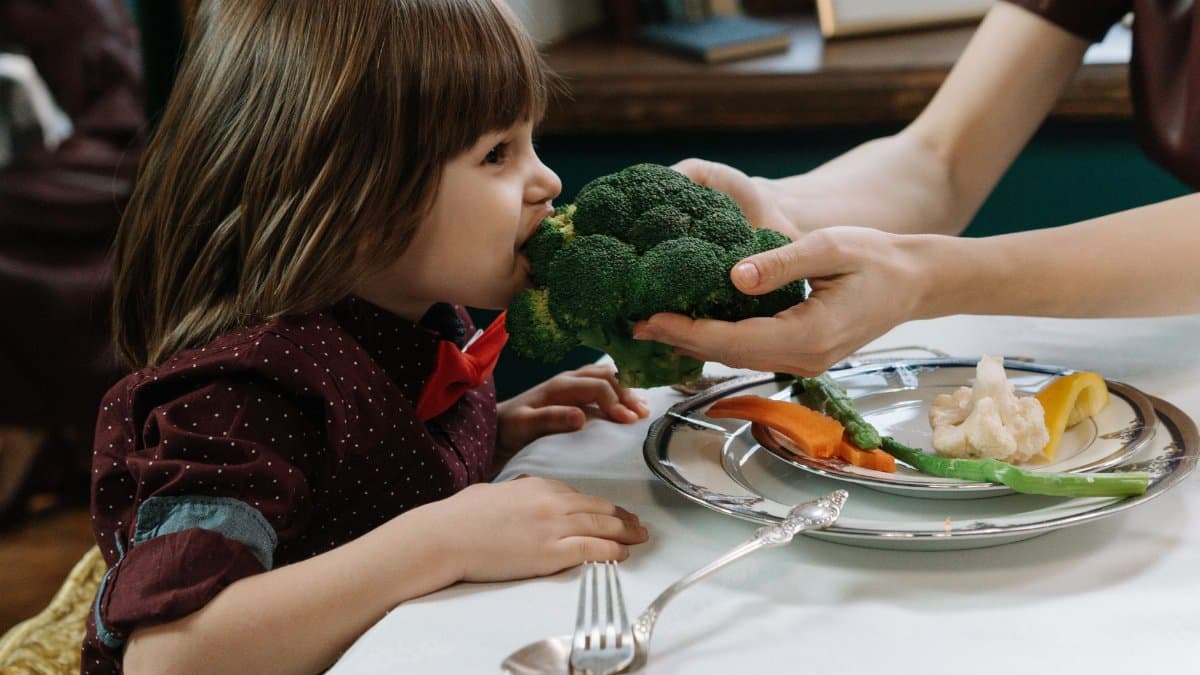
Diners select from multiple entrees and sides rather than receiving pre plated portions. This structure allows individuals to maintain autonomy even when circumstances limit their resources. Fresh produce from nearby gardens features prominently in rotating menus that change with seasons.
Reaching Across the Dallas Fort Worth Region

While based in McKinney the service draws guests from surrounding towns through word of mouth and partnerships with transit providers. Transportation barriers receive attention through coordinated ride options on busy nights. Expansion plans target additional locations without diluting the core emphasis on personal dignity.
Stories from the Dining Tables

One regular attendee described how the environment eased isolation after job loss. Another noted the value of conversations struck up with strangers who share similar challenges. These accounts illustrate how the space functions beyond nutrition alone.
Measuring Broader Effects on Wellbeing

Local health providers observe reduced emergency visits among frequent participants, though formal studies remain limited. Economic analyses suggest savings for families that redirect limited funds toward housing or medical needs. Community surveys indicate higher reported feelings of belonging among those who attend regularly.
Navigating Funding and Resource Limits

Reliance on donations and grants creates ongoing uncertainty for planners. Supply chain fluctuations affect ingredient availability yet creative substitutions maintain quality standards. Fundraising events highlight successes to attract sustained support from area businesses.
Looking Ahead with Measured Optimism

Leaders aim to integrate more educational workshops on nutrition and budgeting alongside existing services. Collaborations with schools and civic groups could extend reach to younger populations. The guiding principle stays fixed on treating every person with the same consideration afforded to paying customers elsewhere.